
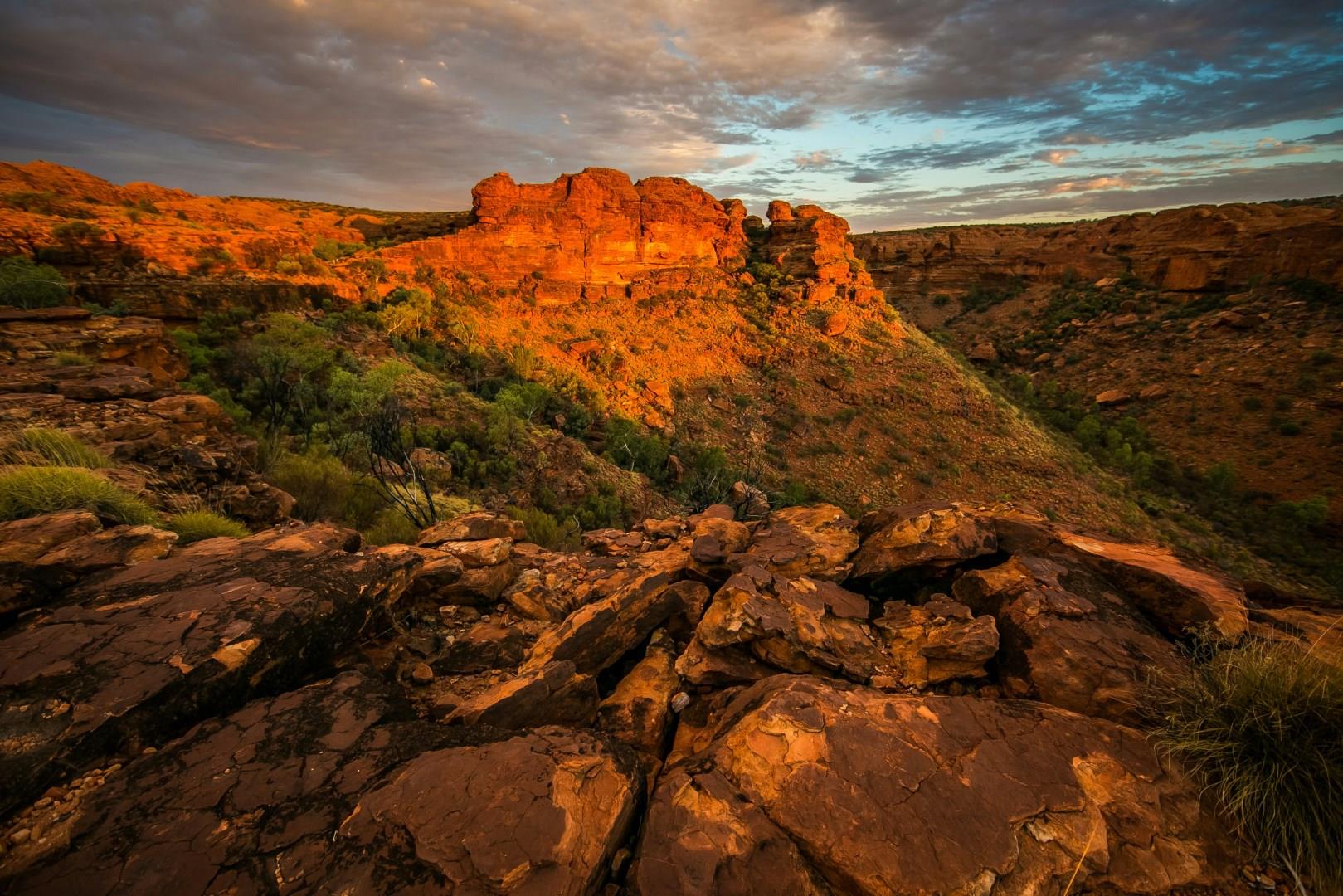
Kings Canyon
Kings Canyon, located in Australia’s Northern Territory within Watarrka National Park, is one of the Red Centre’s most striking natural landmarks. Carved over millions of years, the canyon holds deep cultural significance for the Anangu people, particularly the Luritja, for whom the area remains a sacred landscape tied to creation stories, ceremony, and traditional knowledge.
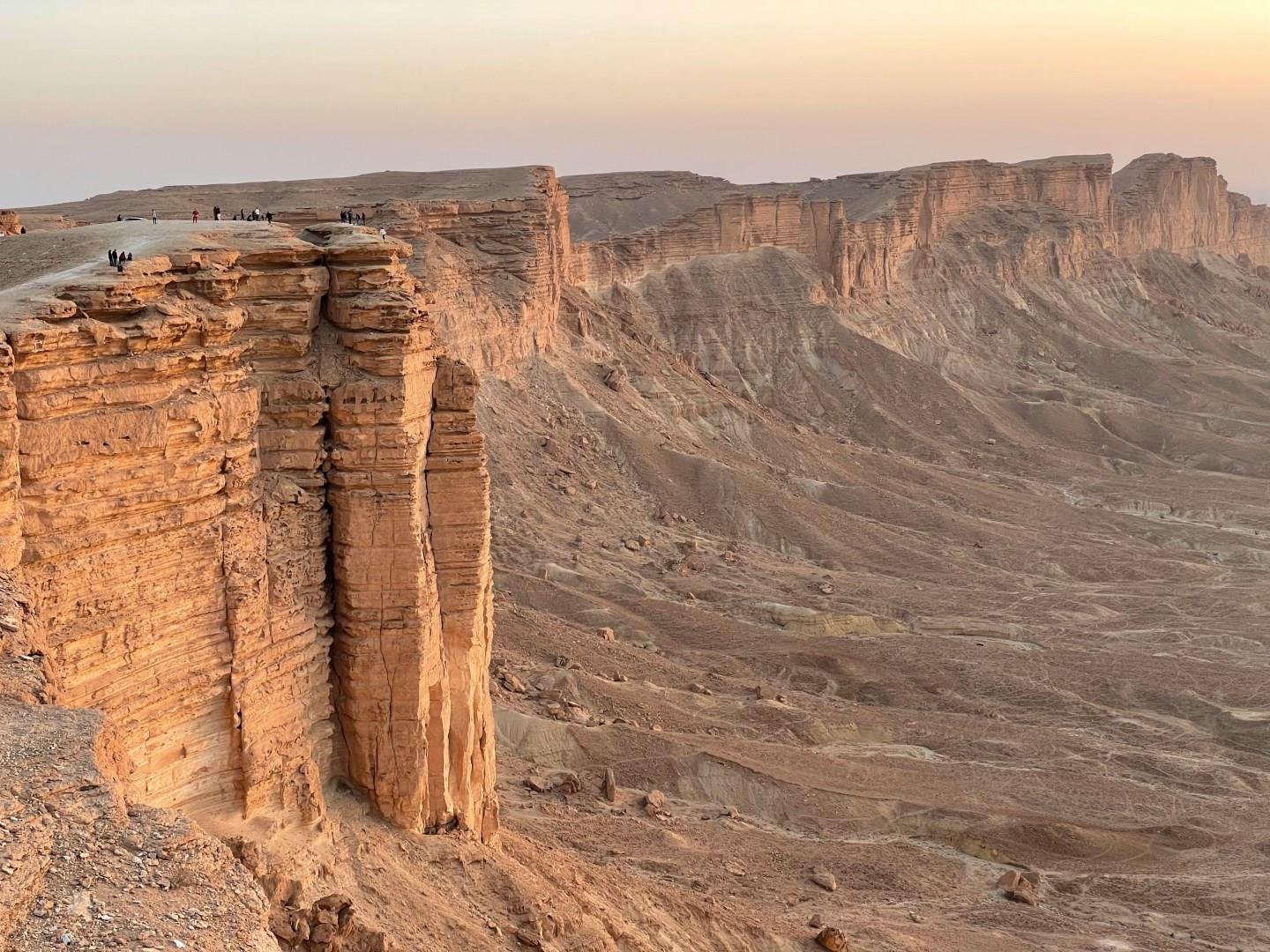
Riyadh
Riyadh blends stories from centuries with modern splendor. At its core stands Al Masmak Fortress, built of clay and mud-brick in the 19th century. It was the site that set the stage for the unification of Saudi Arabia. Today, it’s a museum that preserves weapons, historical displays, and accounts of that pivotal moment. Adjacent to the fortress, the Souq Al-Zal offers spices, traditional jewelry, and handmade crafts, connecting visitors to the city’s past through its alleyways.

Lake Nakuru National Park
Lake Nakuru National Park is located in the heart of the Great Rift Valley. The Park encompasses the alkaline Lake Nakuru and has earned fame as the greatest bird spectacle in the world. The gathering of hundreds of thousands of greater and lesser pink flamingos.

Aomori
One of Japan's 60 core cities, Aomori is well-known for its beautiful landscapes. Favorite landscapes include the Hakkoda Mountains and Lake Towada. Another of the city's highlights is the Nebuta Matsuri, an annual festival known for its daily parade of giant, colorful lantern floats.

Norwegian Sea
The Norwegian Sea, situated between Norway and the Arctic Ocean, offers a breathtaking adventure in one of Europe’s most rugged and enchanting regions. This body of water is bordered by Norway's western coastline, the Faroe Islands, and the northern reaches of Iceland, each contributing to its unique allure.
