Candi Dasa lies along Bali’s quieter east coast, where the village grew around a coastal lagoon once used for ritual and fishing life. Its development has remained low-key compared to southern Bali, and local temples and daily offerings reflect a rhythm shaped more by tradition than tourism.
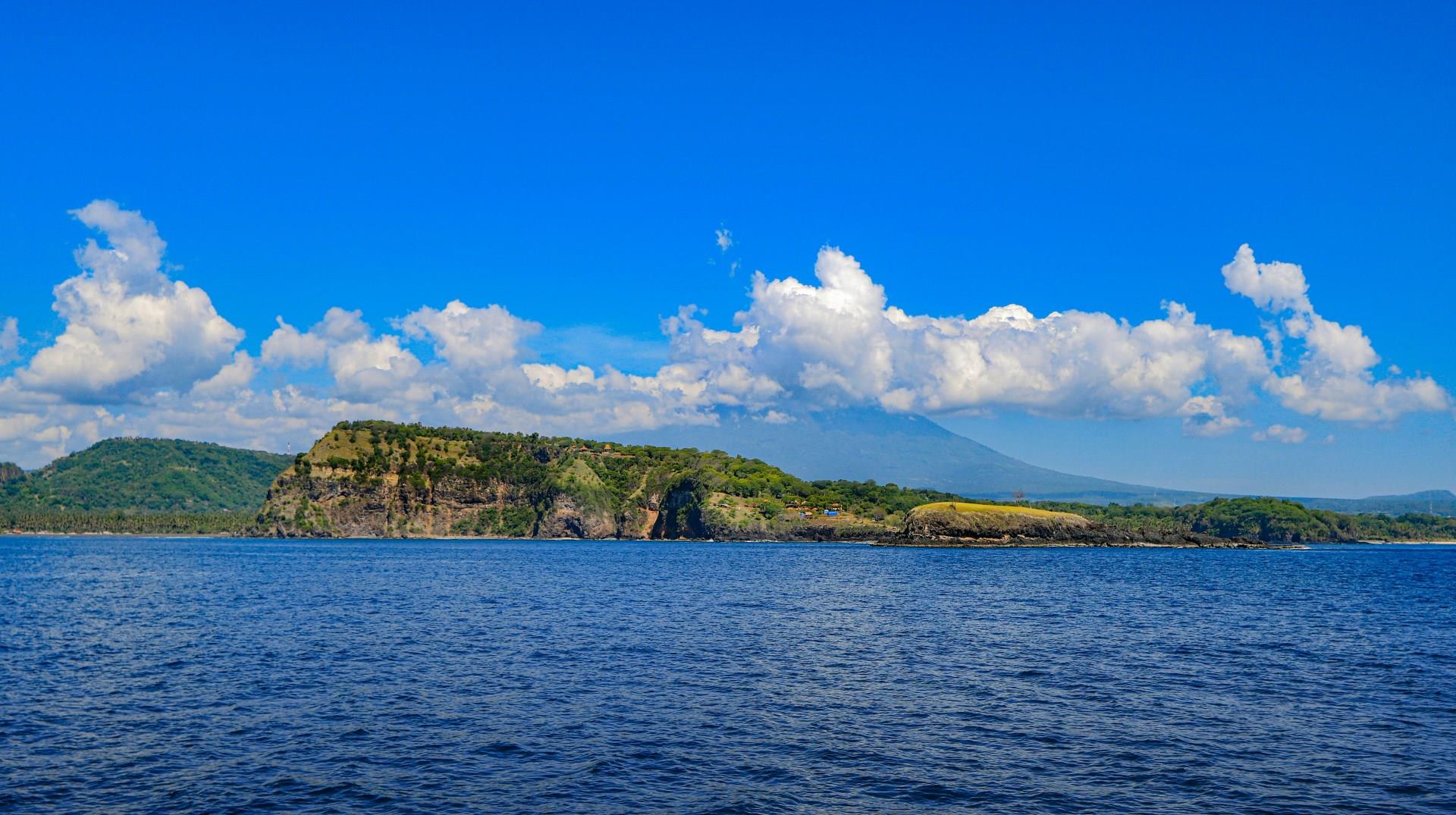
Lombok offers an experience that blends adventure, relaxation, and cultural discovery. Whether trekking volcanic peaks, lounging on secluded shores, or immersing in local traditions, visitors will find a destination that remains true to its natural and cultural roots.
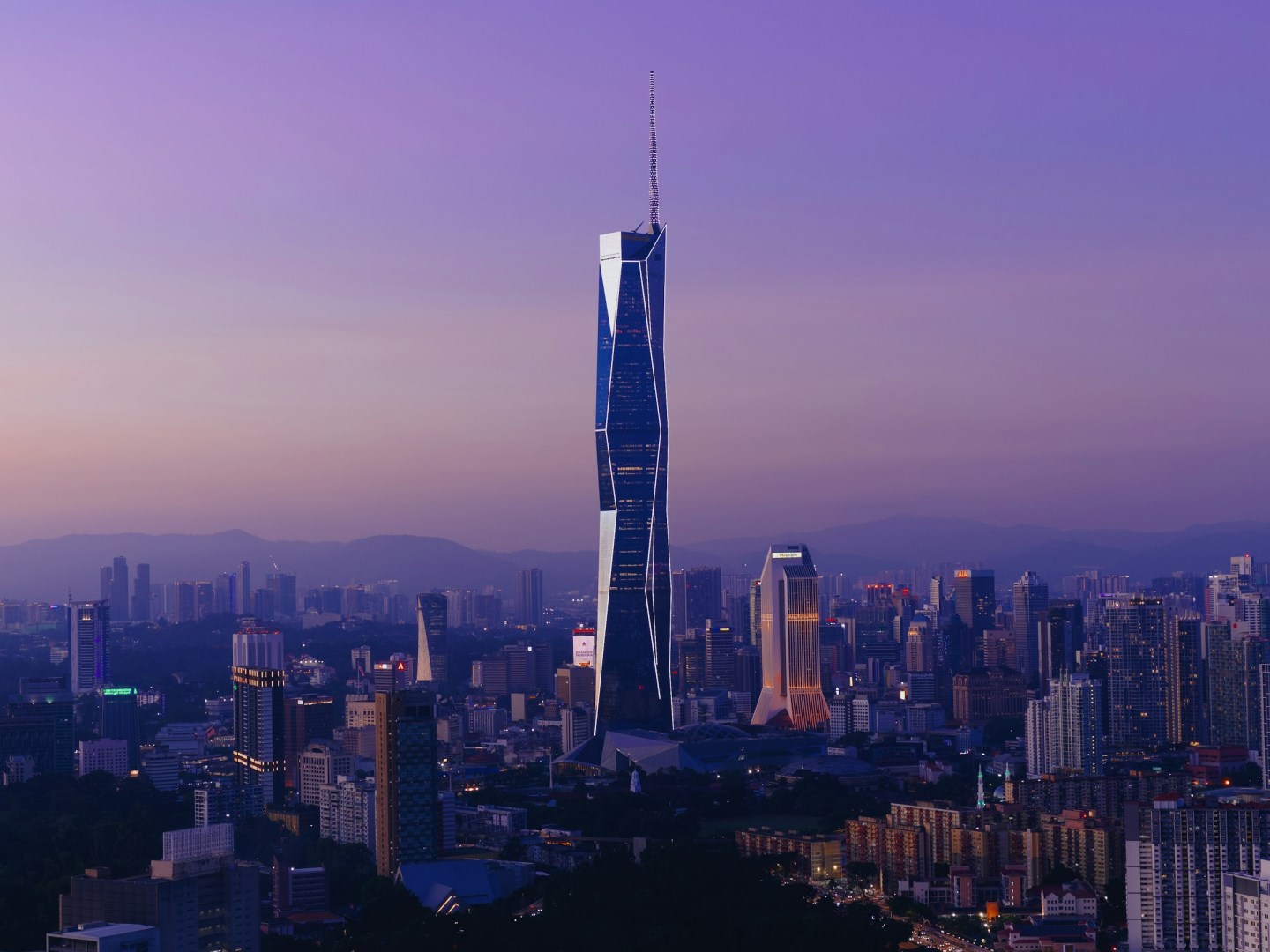
Kuala Lumpur, the capital of Malaysia, is a city where tradition and modernity meet in striking ways. Towering over the skyline are the Petronas Twin Towers, once the tallest buildings in the world, while at street level you’ll find lively markets, ornate temples, and colonial-era architecture.
Porvoo, Finland, is a charming and picturesque town that transports visitors back in time with its well-preserved medieval atmosphere. Located just 50 kilometers east of Helsinki, it is one of Finland’s oldest cities, founded in the 14th century. Its most iconic feature is the Old Town, with its cobblestone streets, wooden houses painted in vibrant reds and yellows, and the majestic Porvoo Cathedral, which dates back to the 15th century.
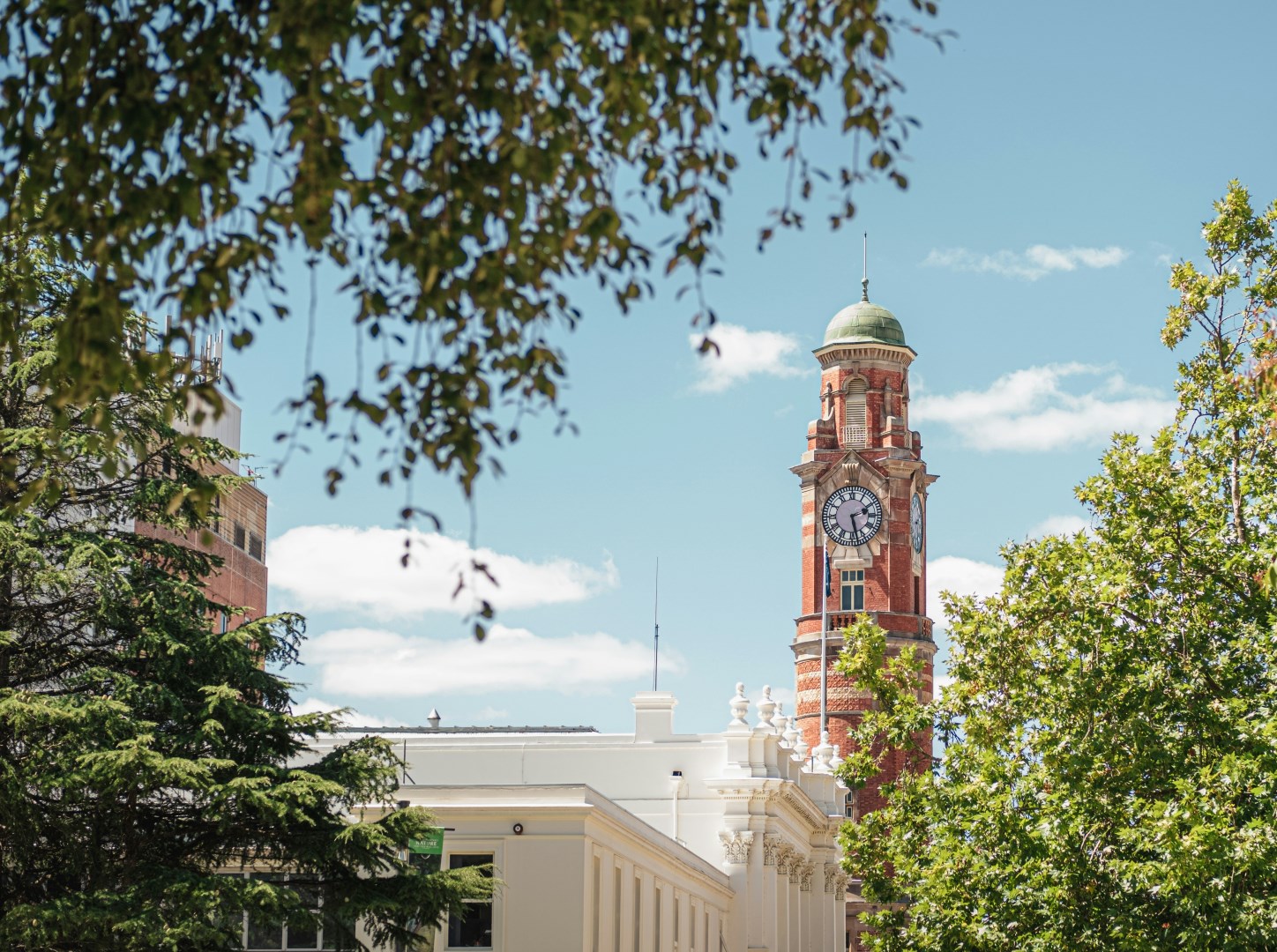
Launceston is a city in northern Tasmania, Australia, positioned where the Tamar, North Esk, and South Esk rivers meet. It serves as one of the island’s main urban centers and is known for its well-preserved streetscapes, public parks, and proximity to agricultural regions.
Photo Credit: Image by Rolf Dobberstein from Pixabay
Photo Credit: Image by Les Bohlen from Pixabay
Photo Credit: Photo by Bibhash (Polygon.Cafe) Banerjee on Unsplash
Photo Credit: Photo by muthengi mbuvi on Unsplash
Photo Credit: Photo by Brian Kungu on Unsplash
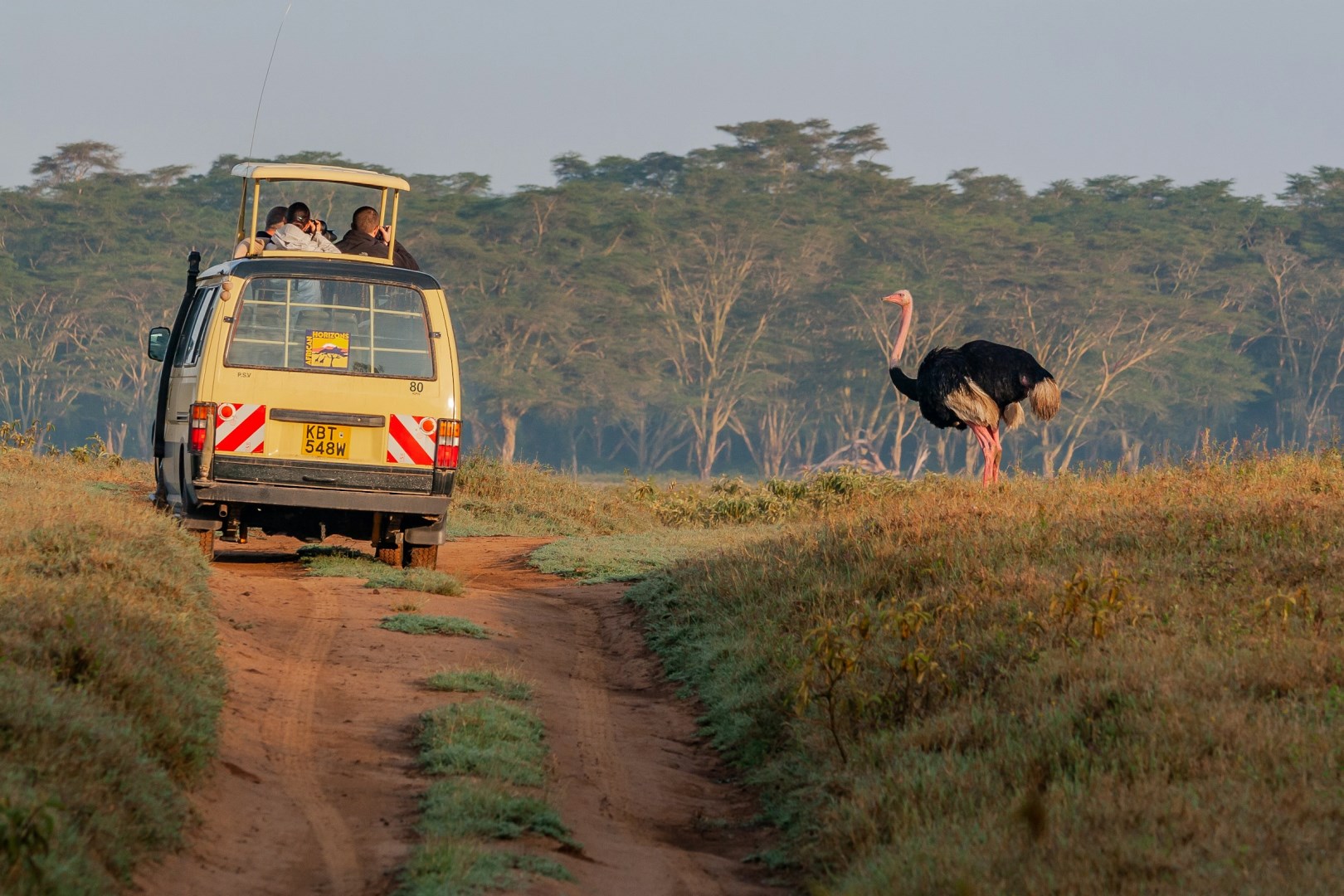
Ostrich
Photo Credit: Photo by Florentina Tilvic on Unsplash
Photo Credit: Photo by Mengyu Xu on Unsplash
Photo Credit: Photo by Bibhash (Polygon.Cafe) Banerjee on Unsplash
Photo Credit: Photo by muthengi mbuvi on Unsplash
Photo Credit: Photo by Wietse Jongsma on Unsplash
Photo Credit: Photo by Moses Sichach on Unsplash
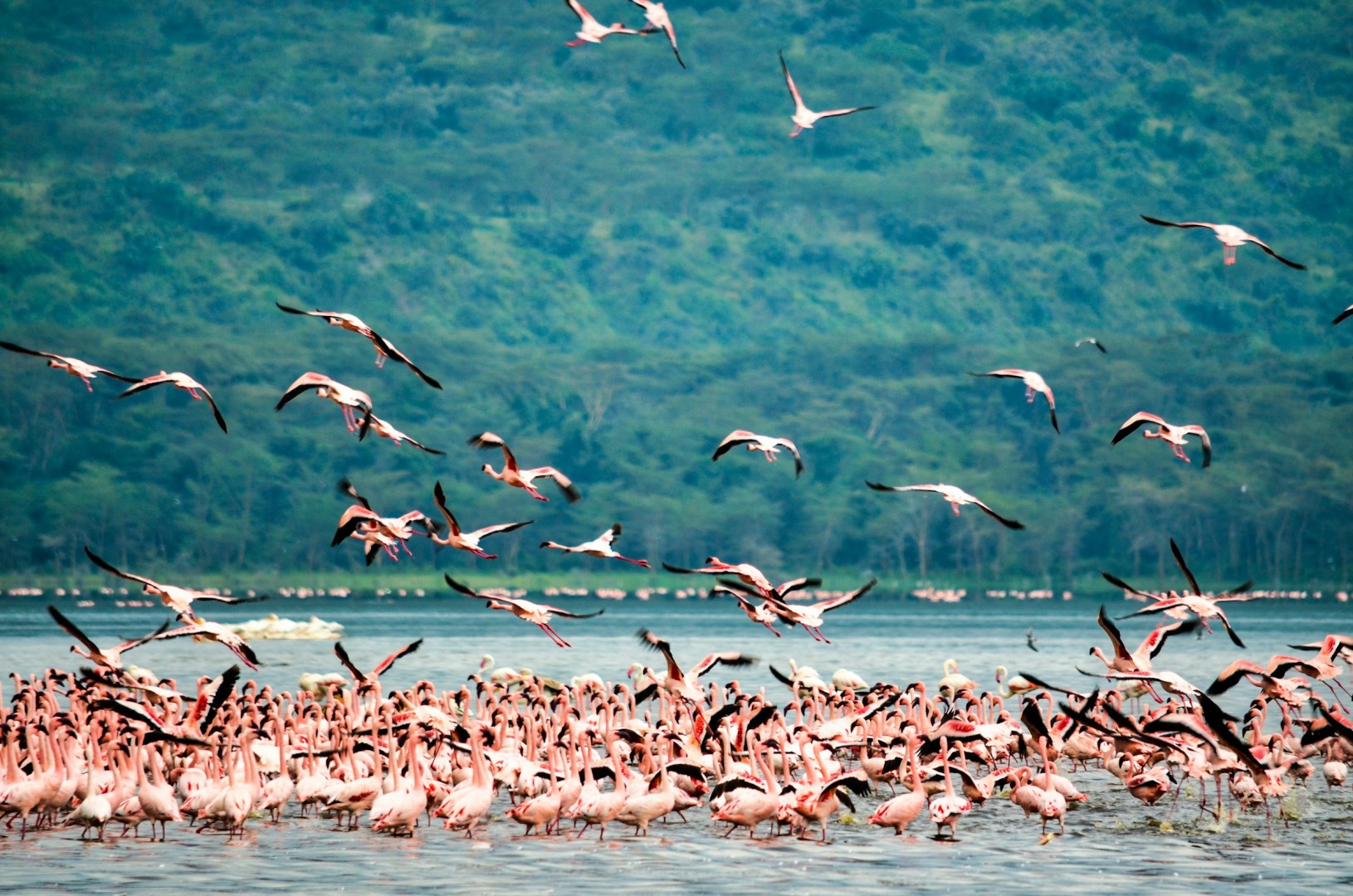
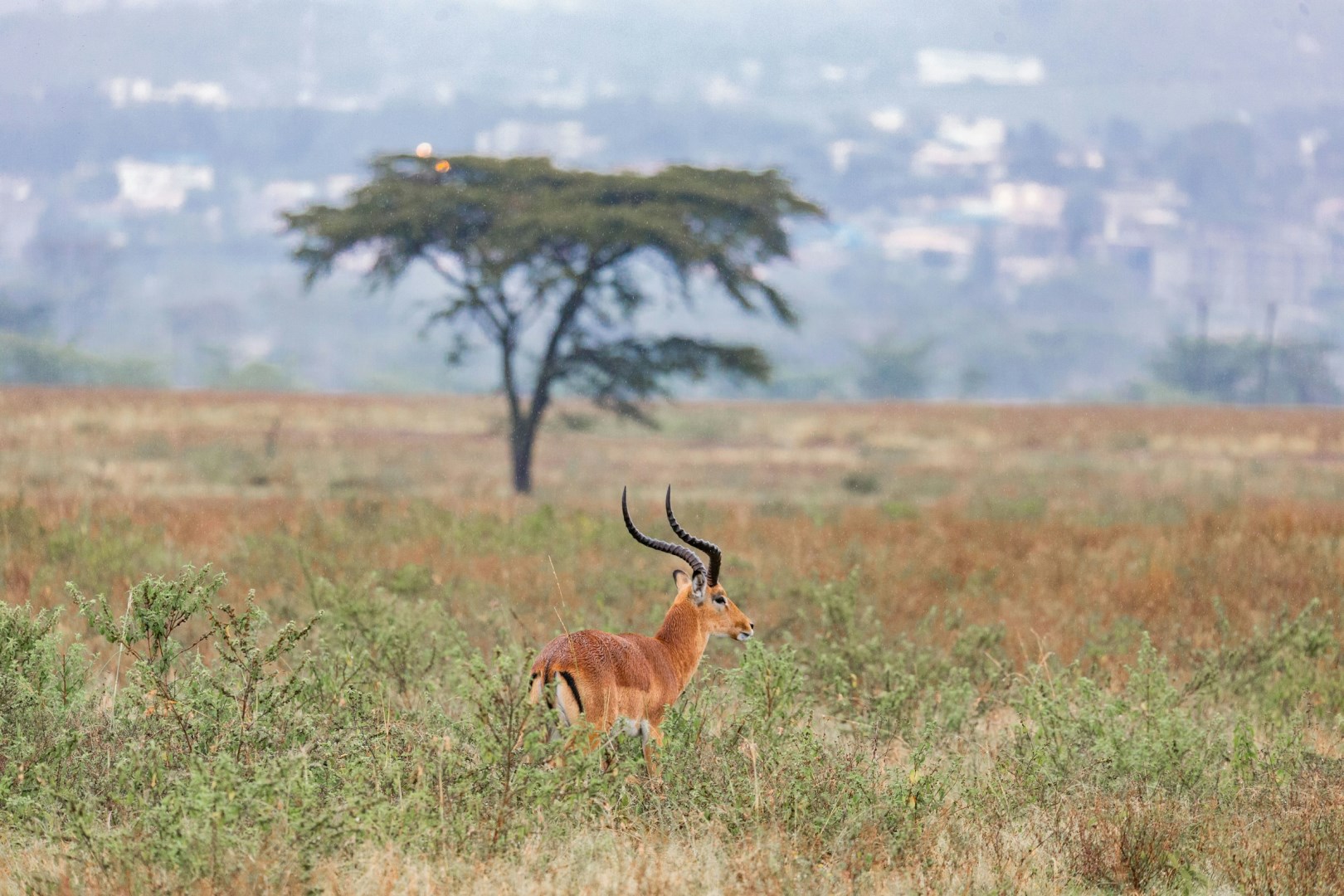
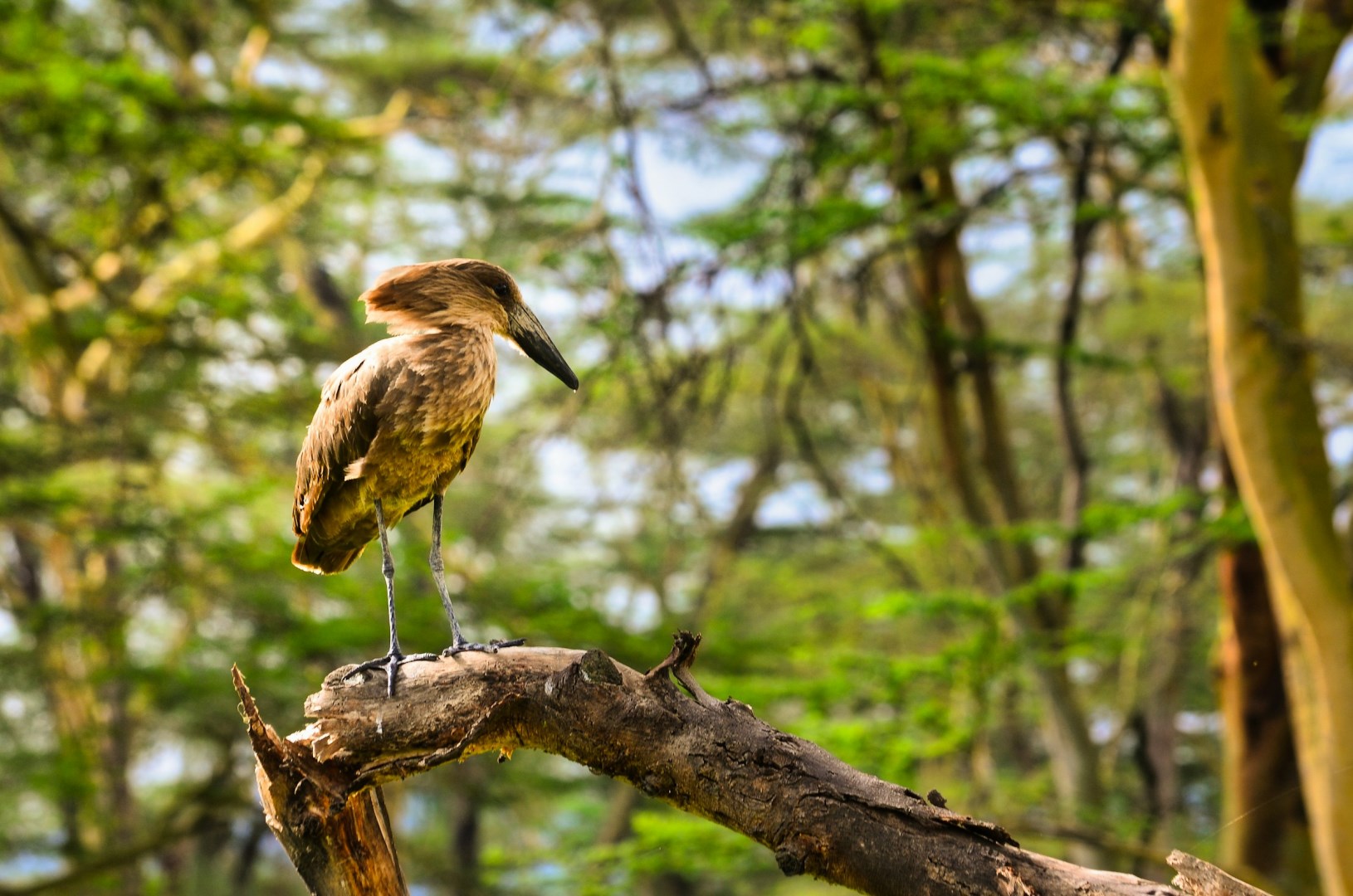
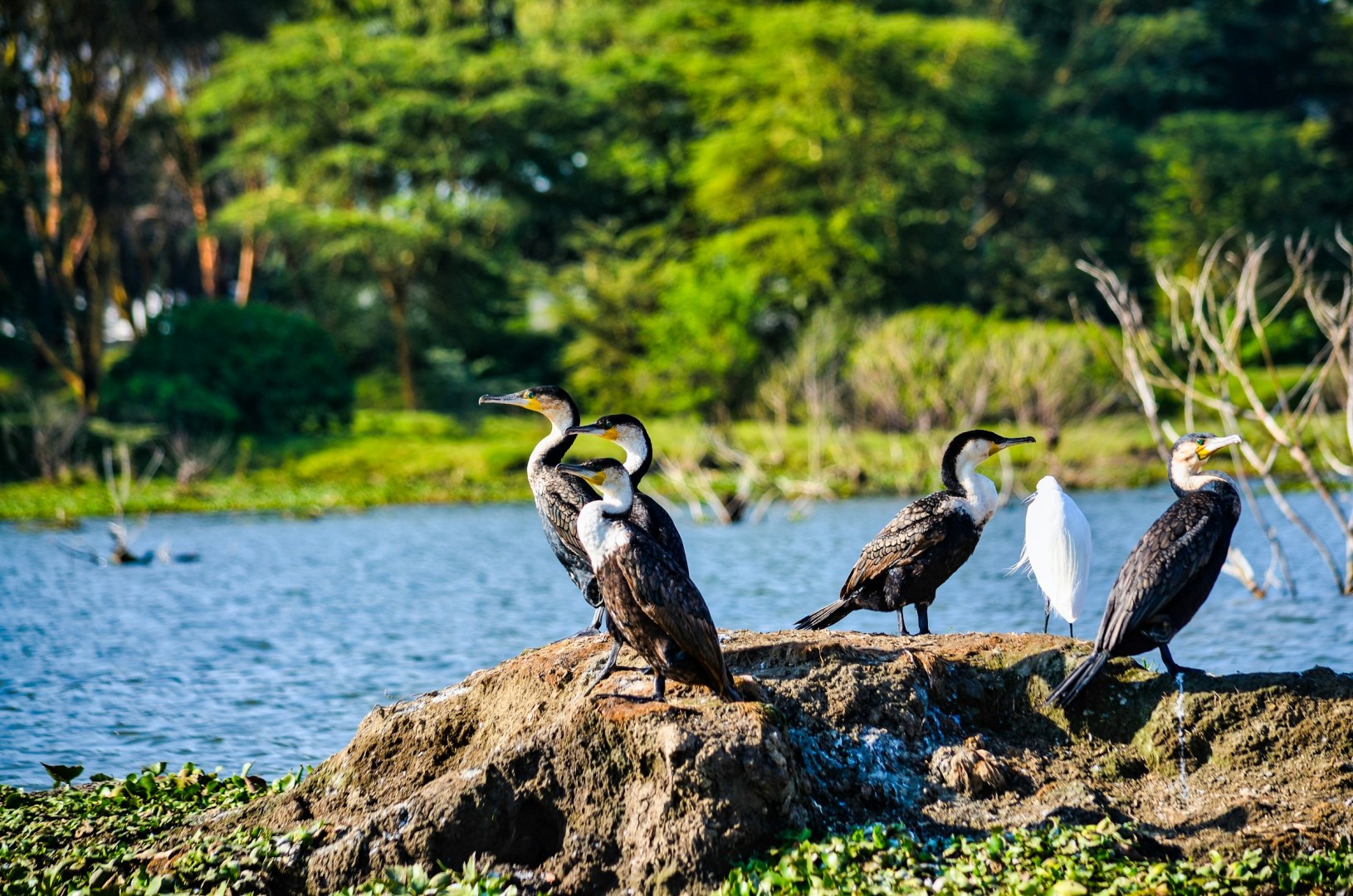
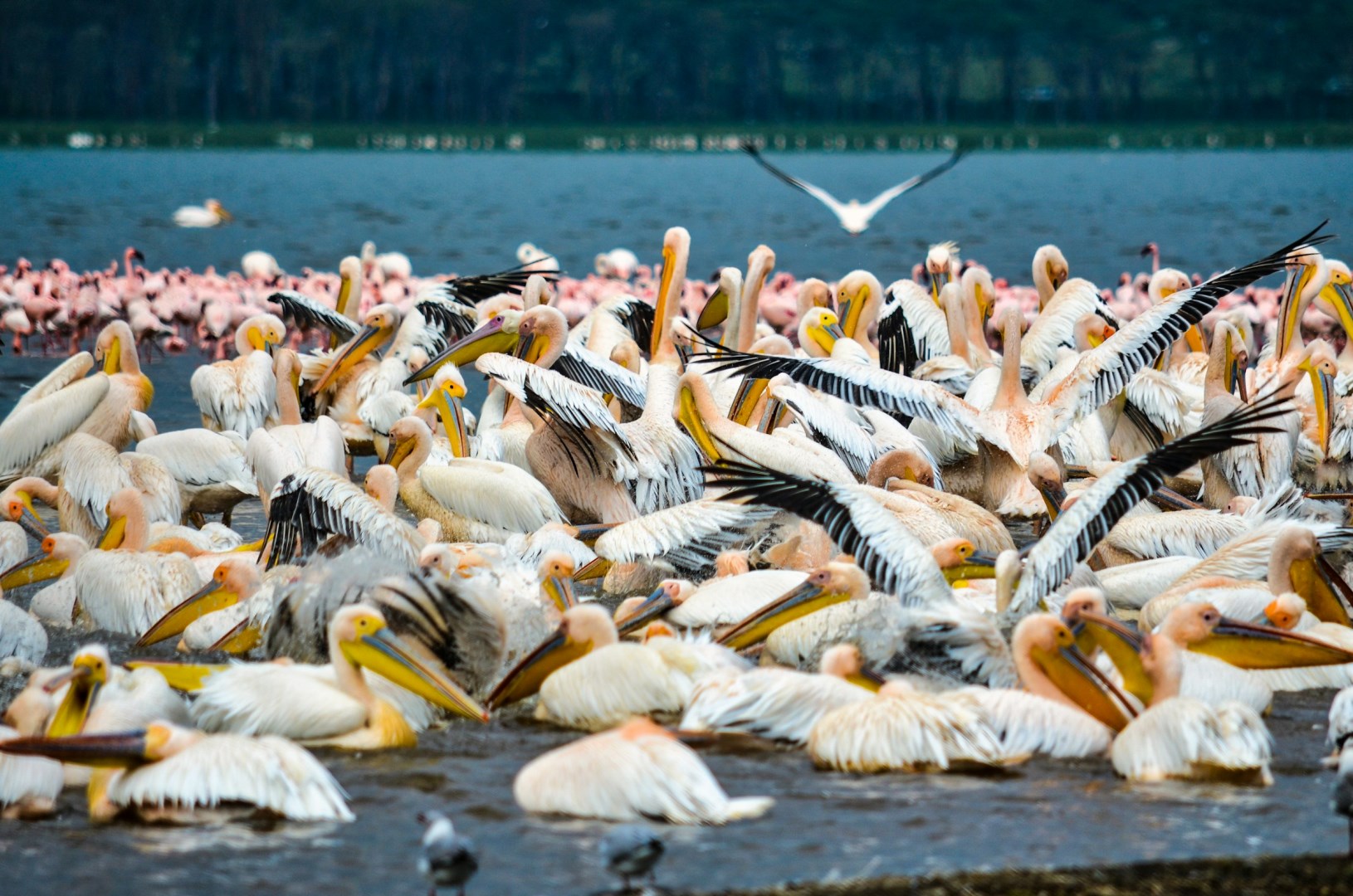
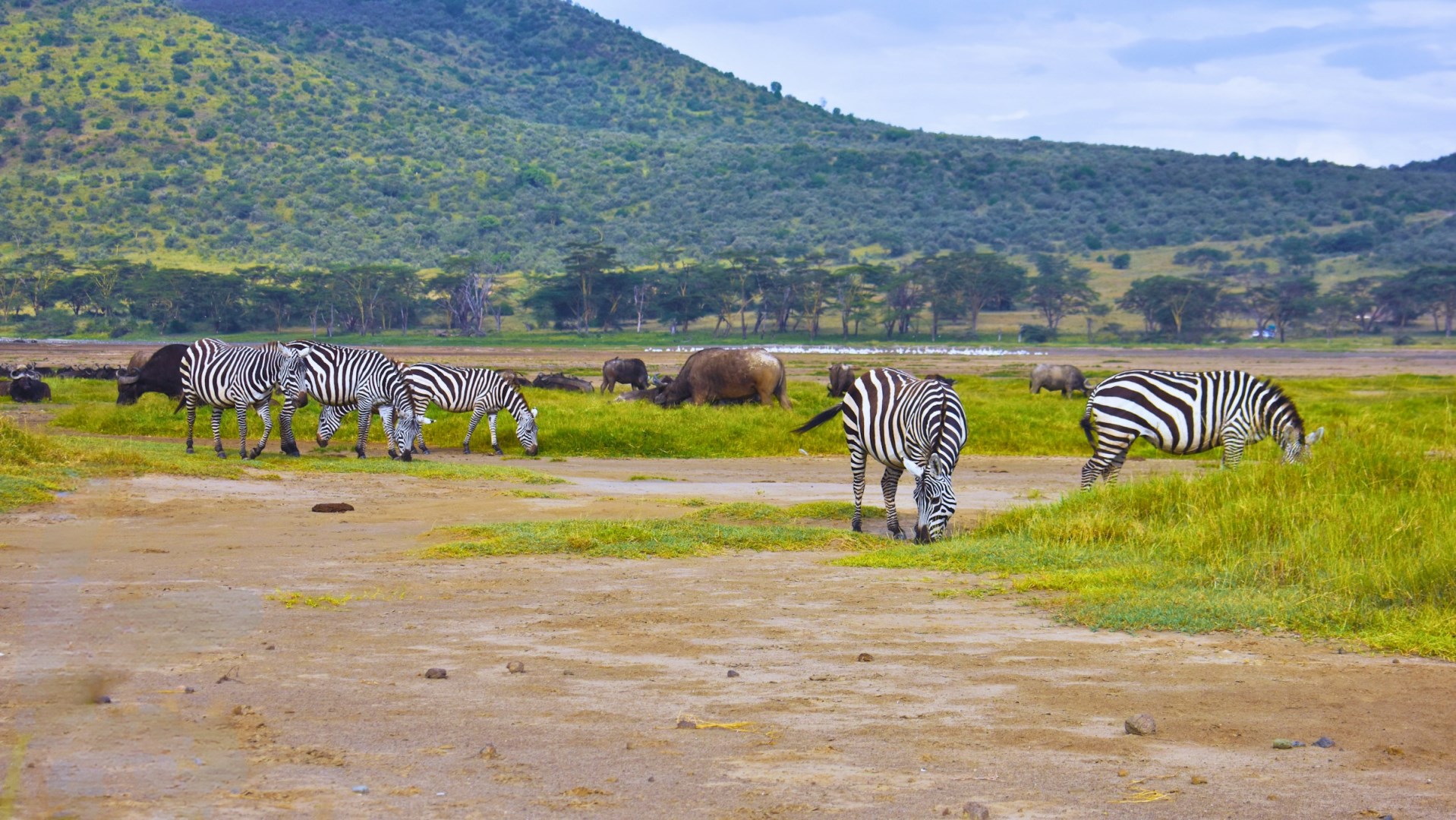
Lake Nakuru National Park is located in the heart of the Great Rift Valley. The Park encompasses the alkaline Lake Nakuru and has earned fame as the greatest bird spectacle in the world. The gathering of hundreds of thousands of greater and lesser pink flamingos. The massive flock of birds color the waters a delicate pink and feed on the abundant algae which thrives in the lake's shallow warm waters.
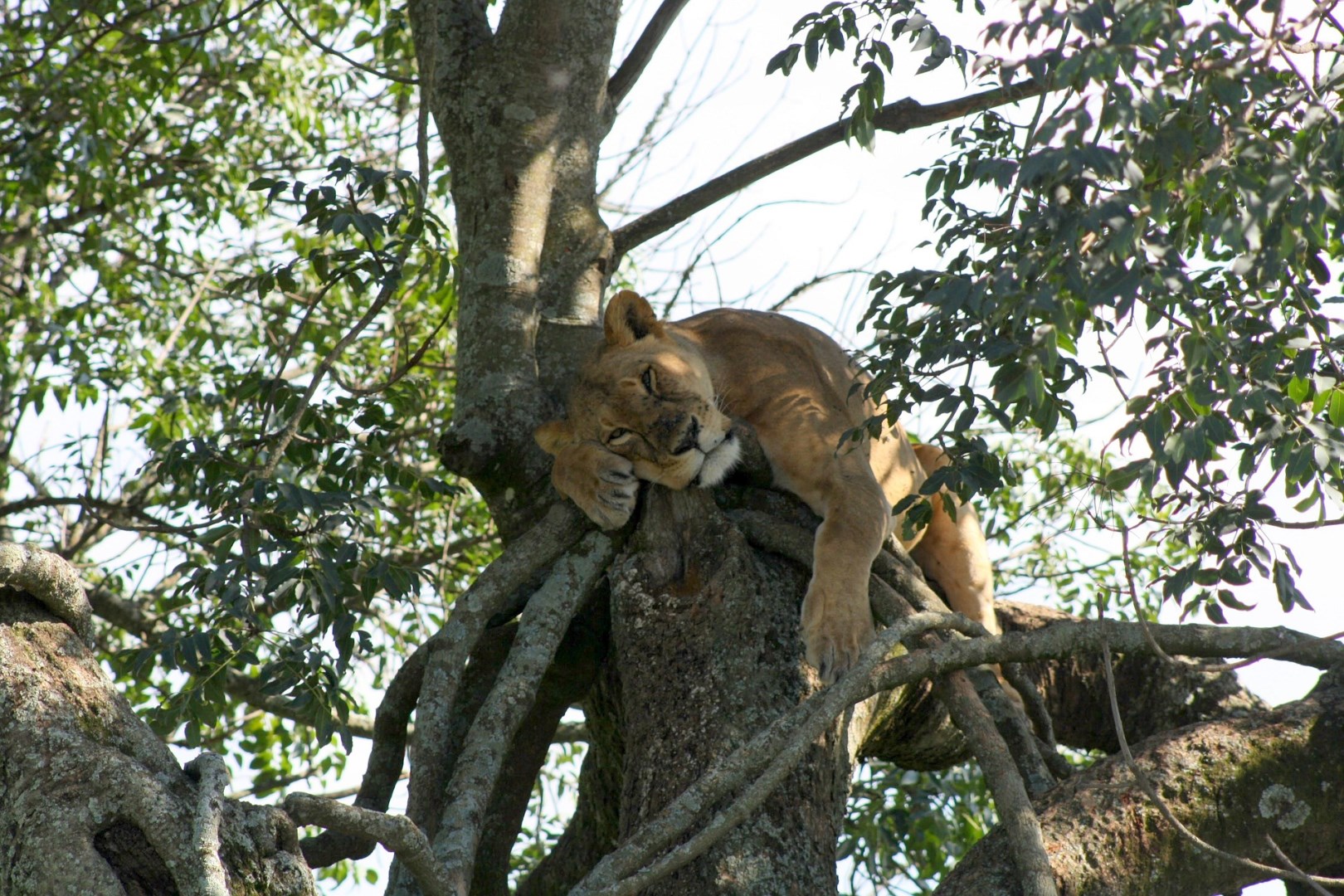
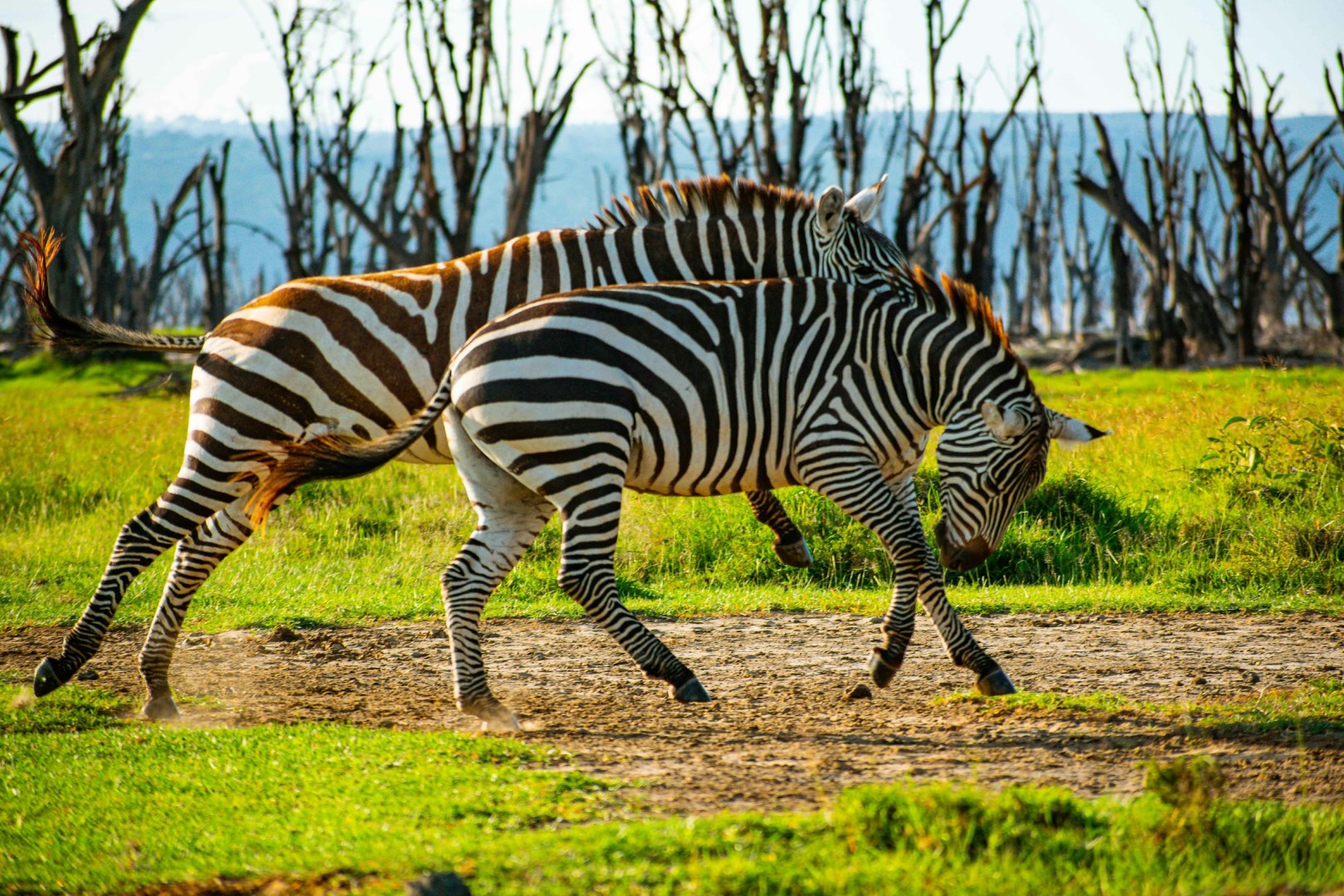
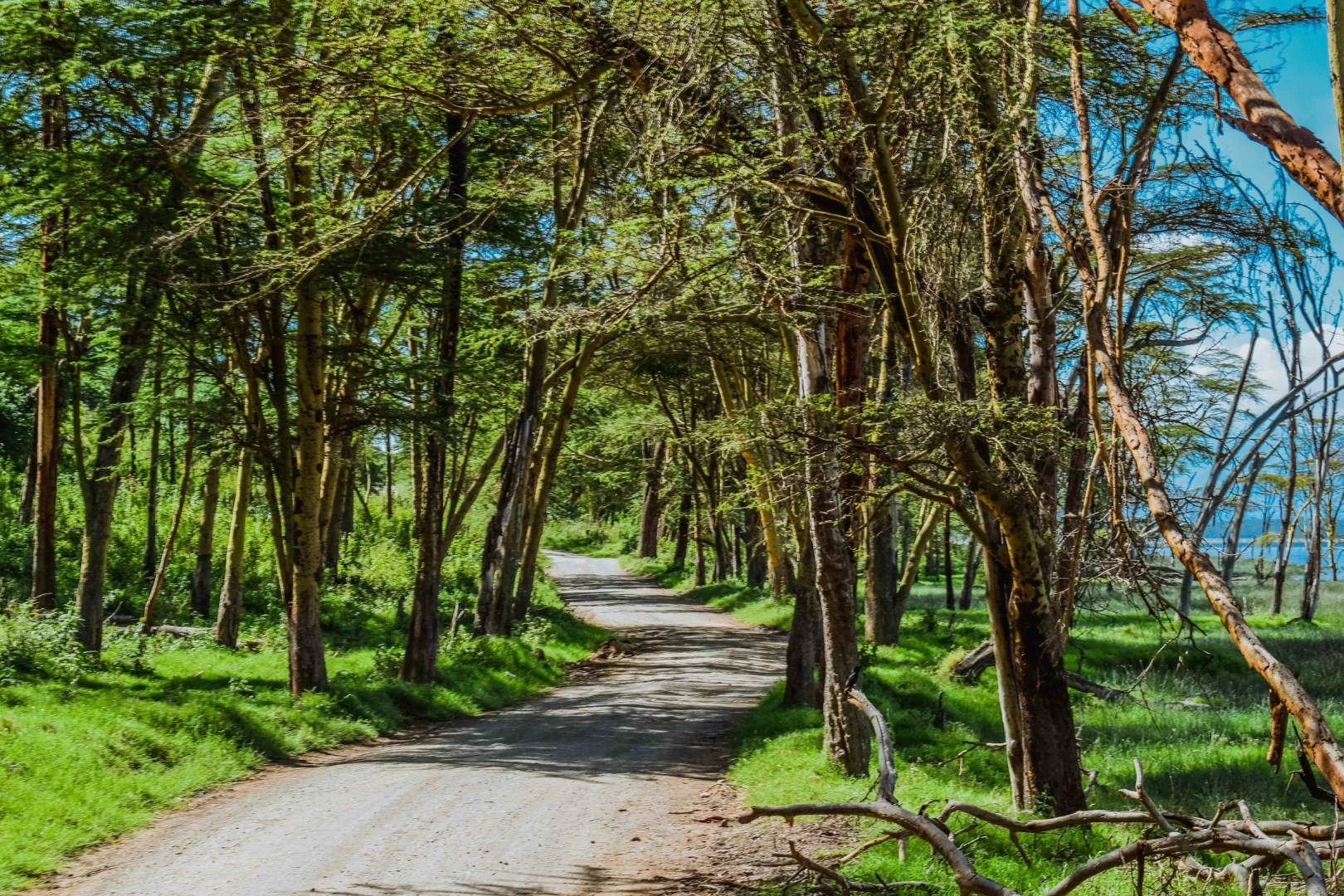
Lake Nakuru is subject to fluctuation in depth and once in every 20 to 30 years it dries up completely, in which case the flamingos and pelican fly over the Managaai crater to the more remote waters of Lake Bogoria. Lake Nakuru National Park covers 78 square miles, most of which is the lake itself. Nakuru has also been declared a black rhino sanctuary and has a number of these endangered animals underguard. Other wildlife found here are leopards, buffalo, Rothschild's giraffes, waterbucks, reedbucks, hippos, baboons, pelicans, and cormorants. The acacia savannah which surrounds the lake is itself beautiful and provides an area particuarly delightful for game viewing.