
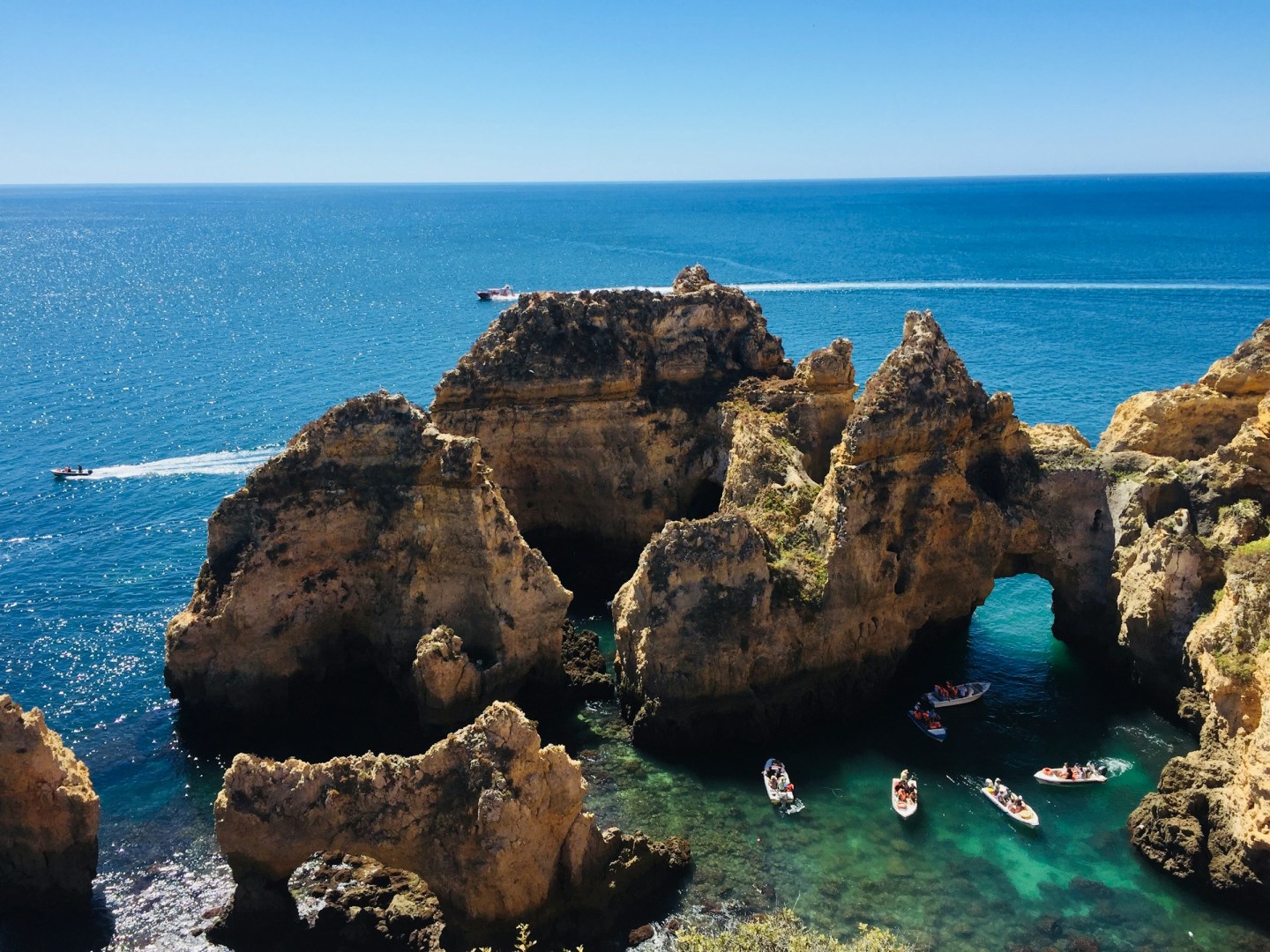
Lagos
Lagos sits on the southern edge of Portugal’s Algarve where a lively old port town meets wide Atlantic skies. Just a short stroll from the heart of town, the coast drops away into a spectacle at Ponta da Piedade, where golden sandstone cliffs rise out of the Atlantic and have been shaped into stacks, natural arches and grottoes over millennia. At the top, the Ponta da Piedade Lighthouse watches over this dramatic shoreline and offers a great backdrop for photos as the sun sets into the ocean.

Cyprus
In Cyprus, travelers are immersed in a culture that draws on Europe, the Middle East, and 9000 years of constant invasion. Crusader castles rub shoulders with ancient vineyards, frescoed monasteries overlook citrus orchards, and sandy, sun-soaked feet tread Roman mosaic floors.
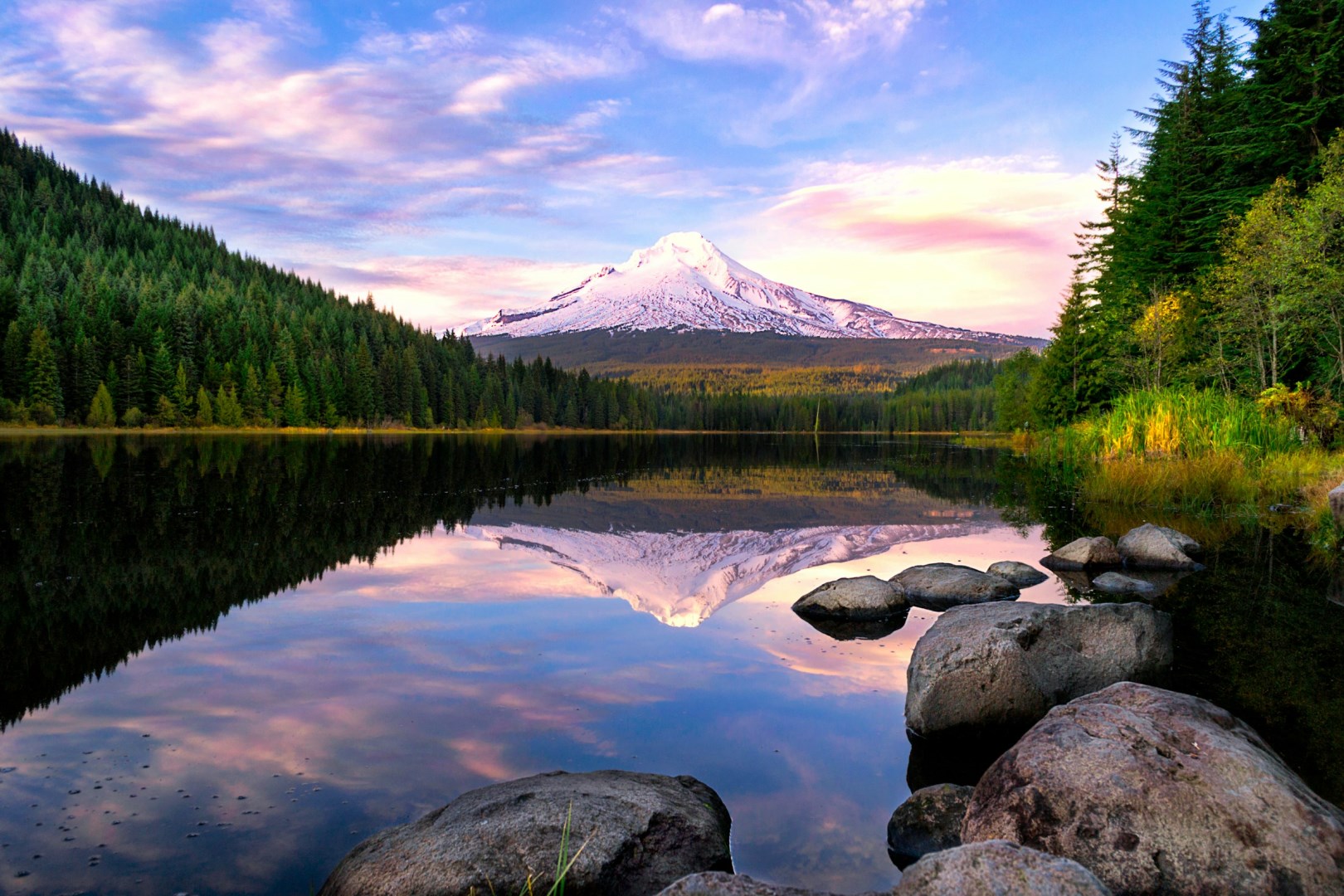
Mt Hood
Nestled in the heart of the Pacific Northwest, Mt. Hood, Oregon, is a stunning natural playground renowned for its diverse outdoor activities and breathtaking landscapes. In winter, Mt. Hood transforms into a skiing and snowboarding paradise at Timberline Lodge, which boasts the longest ski season in North America. The lodge itself is a historic gem, built in the 1930s and featured in the iconic film "The Shining."
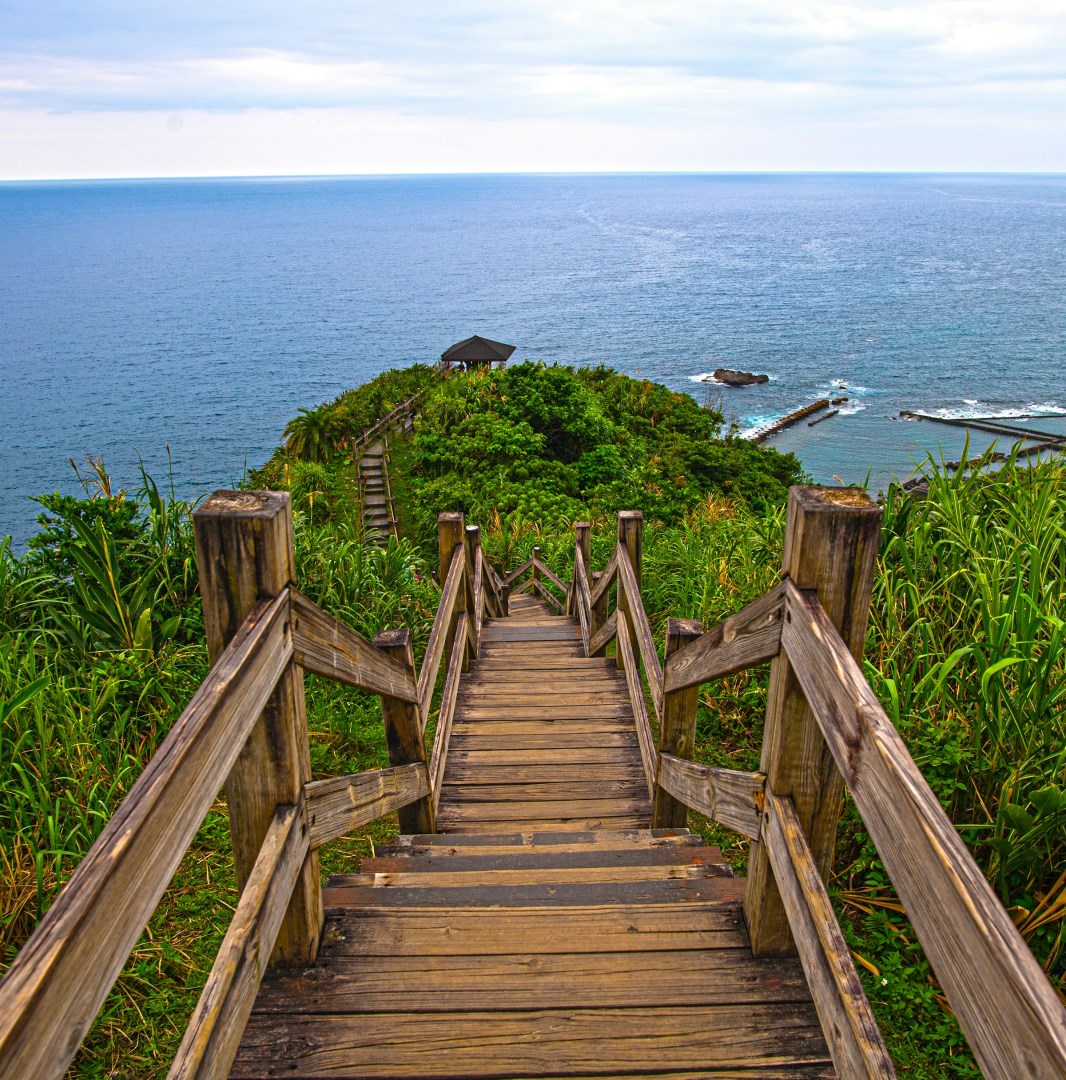
Hualien
Nestled between the Pacific Ocean and the towering Central Mountain Range, Hualien, Taiwan offers an enchanting blend of natural beauty and cultural richness. This coastal city is renowned for its proximity to the stunning Taroko Gorge, a marvel of nature where marble canyons and lush vegetation create a dramatic landscape. Visitors can embark on breathtaking hikes along the Swallow Grotto Trail and the Shakadang Trail, each offering spectacular views of waterfalls and unique rock formations.
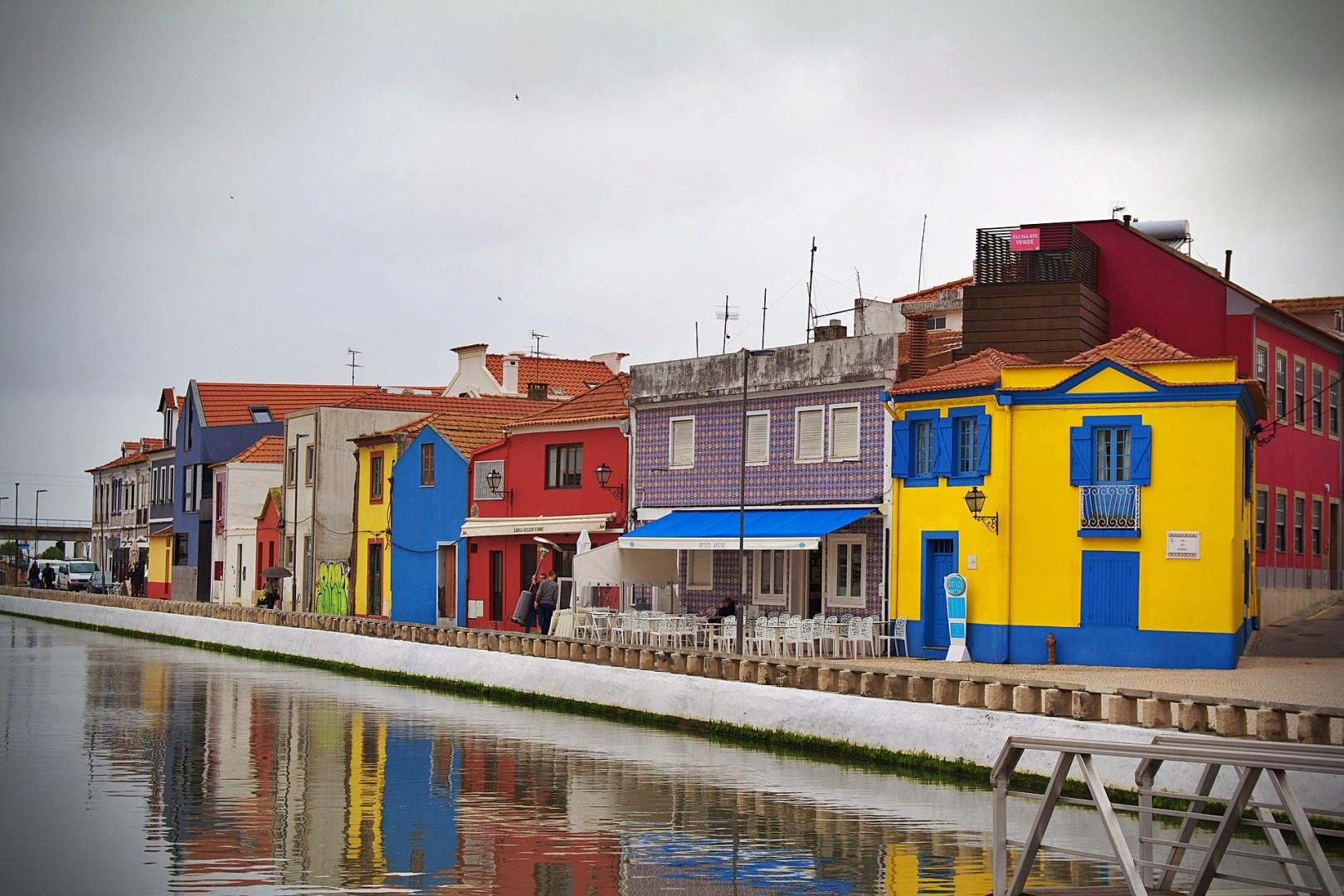
Aveiro
Aveiro, often called the "Venice of Portugal," enchants visitors with its picturesque canals, brightly painted boats called moliceiros, and Art Nouveau architecture. Located on the northern coast of Portugal, Aveiro offers a charming blend of history, culture, and natural beauty. Glide along its tranquil waterways on a moliceiro ride, once used to harvest seaweed but now a peaceful way to admire the city’s colorful façades and iconic architecture. These boats, decorated with vibrant, humorous pa
