South Sandwich Islands
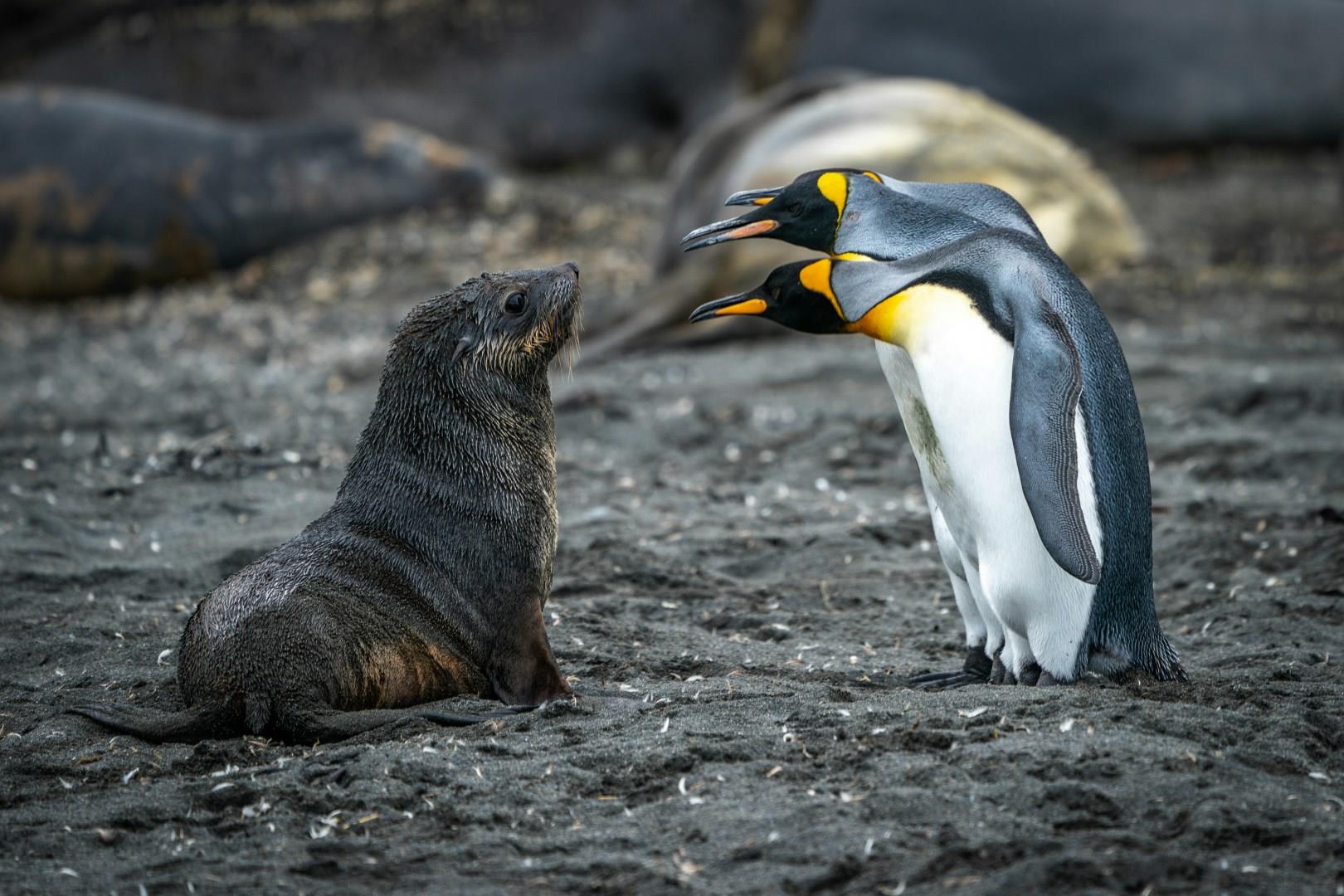
The South Sandwich Islands are among the most remote places on Earth, a chain of volcanic peaks rising from the Southern Ocean, over 1,300 kilometers southeast of South Georgia. With no permanent residents, no ports, and no infrastructure, these islands remain untouched by tourism in the conventional sense. What they offer instead is a rare glimpse into one of the planet’s most extreme and least disturbed environments.
Kuwait City
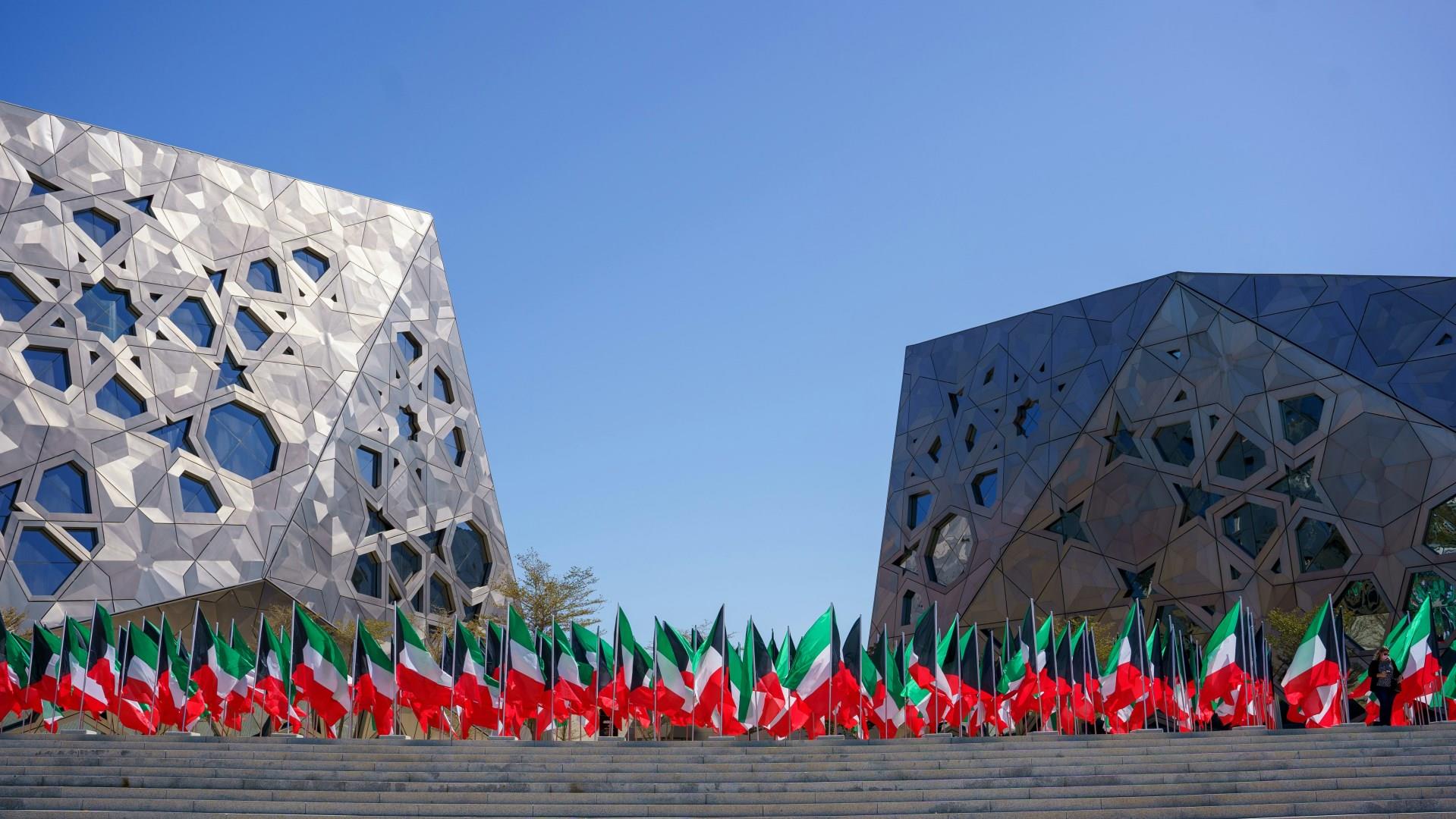
Kuwait City began as a modest fishing village and has evolved into a modern metropolis. The city's history is deeply rooted in its maritime heritage. The Dhow Harbour in Kuwait City offers a captivating glimpse into the nation's rich maritime past. Historically, dhows were essential for trade, fishing, and pearl diving, shaping Kuwait's economic and cultural identity. Today, the harbor remains a vibrant testament to this legacy, housing a variety of traditional wooden ships.
Connemara National Park
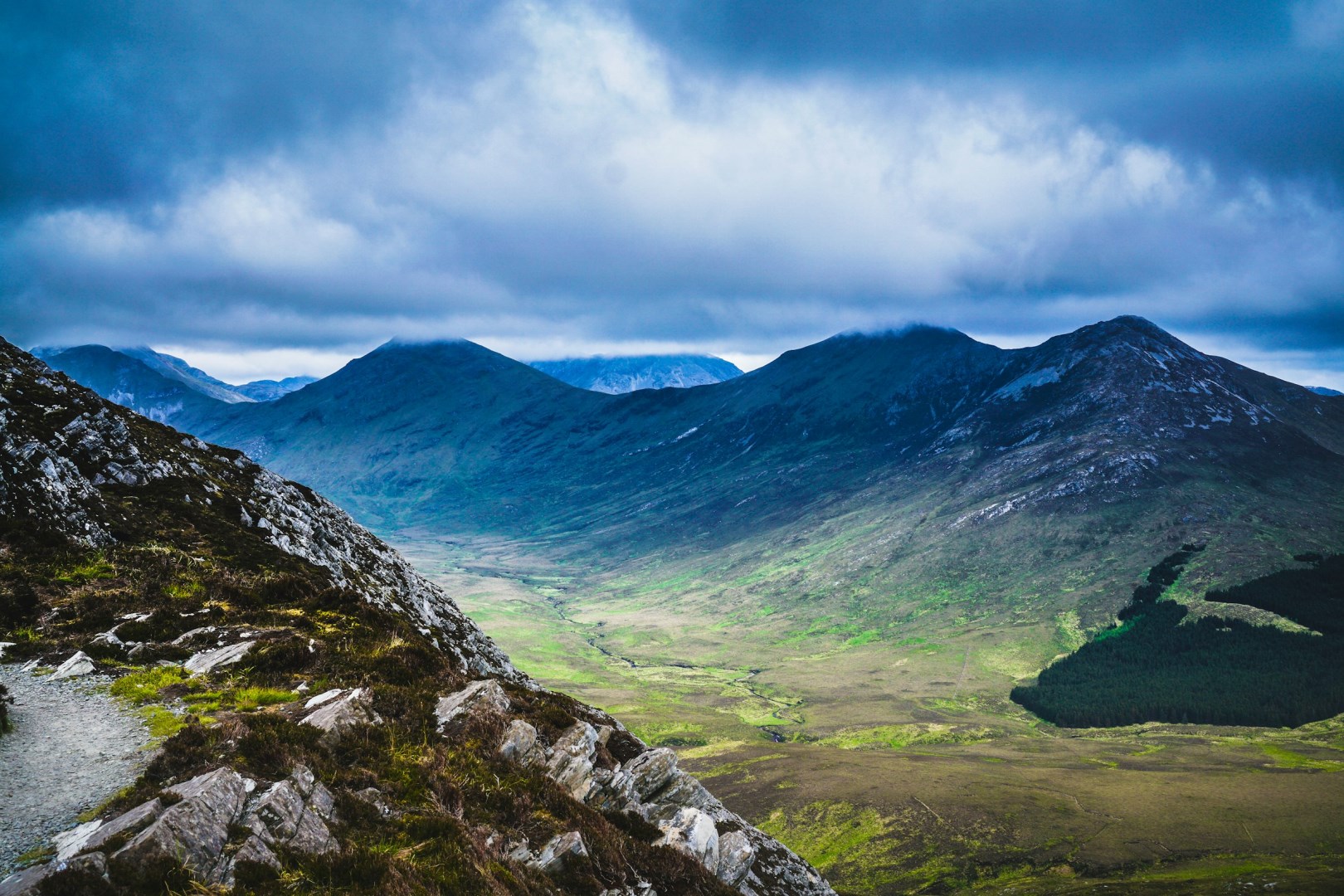
Connemara National Park lies in County Galway in western Ireland, near the village of Letterfrack. The park protects a broad landscape of mountains, western blanket bog, heath, grassland, woodland, and lakes, covering more than 2,000 hectares. Several of its peaks form part of the Twelve Bens range, including Benbaun, the highest mountain in County Galway.
Porto Torres
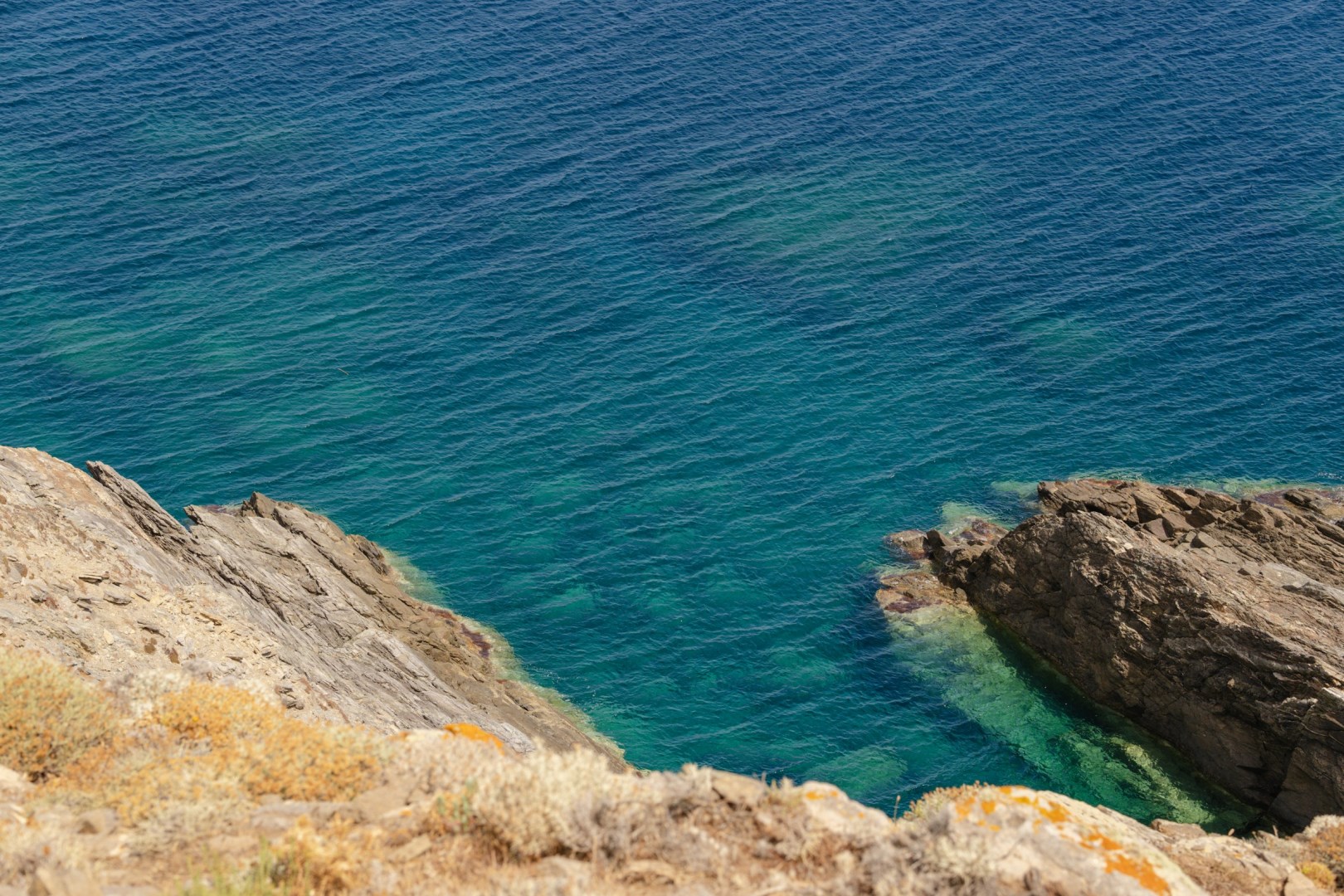
Porto Torres is a city in northern Sardinia, situated on the bay of the Gulf of Asinara. It is home to a number of historical sights: the Basilica of San Gavino, an 11th-century Romanesque church, the largest in Sardinia; the necropolis of Su Crucifissu Mannu, an archaeological site from the Neolithic age; the remains of the Roman bridge on the Rio Mannu; and the ancient megalithic edifices known as nuraghi which have become a symbol of the Sardinian region.
Upolu
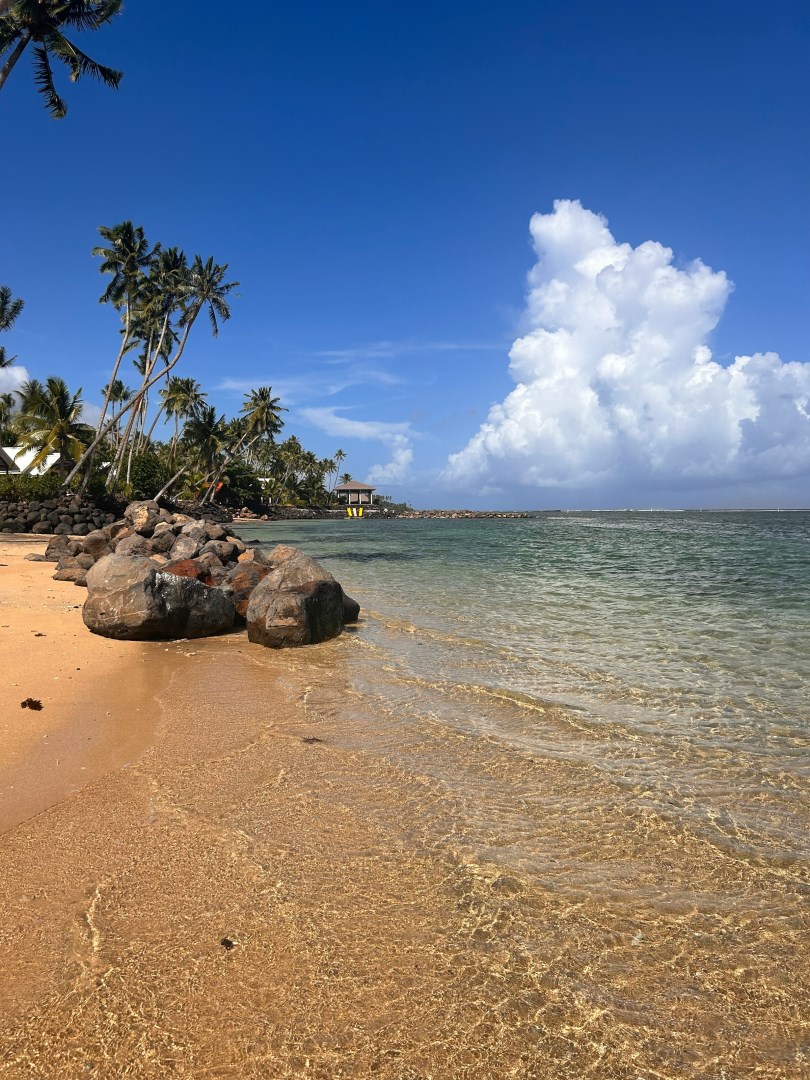
Upolu is the more populated of Samoa’s two main islands and is home to Apia, the country’s capital and principal urban center. The island stretches from volcanic mountains in the interior to a deeply indented coastline of bays, beaches, and coral reefs. Lush vegetation covers much of the landscape, with villages, plantations, and gardens occupying the lower slopes and coastal areas.