

Sihanoukville
Nestled along Cambodia’s picturesque coastline, Sihanoukville offers an inviting retreat with its stunning beaches and vibrant culture. This coastal city, named after King Norodom Sihanouk, is renowned for its pristine white sand beaches and turquoise waters.
Saipan Island
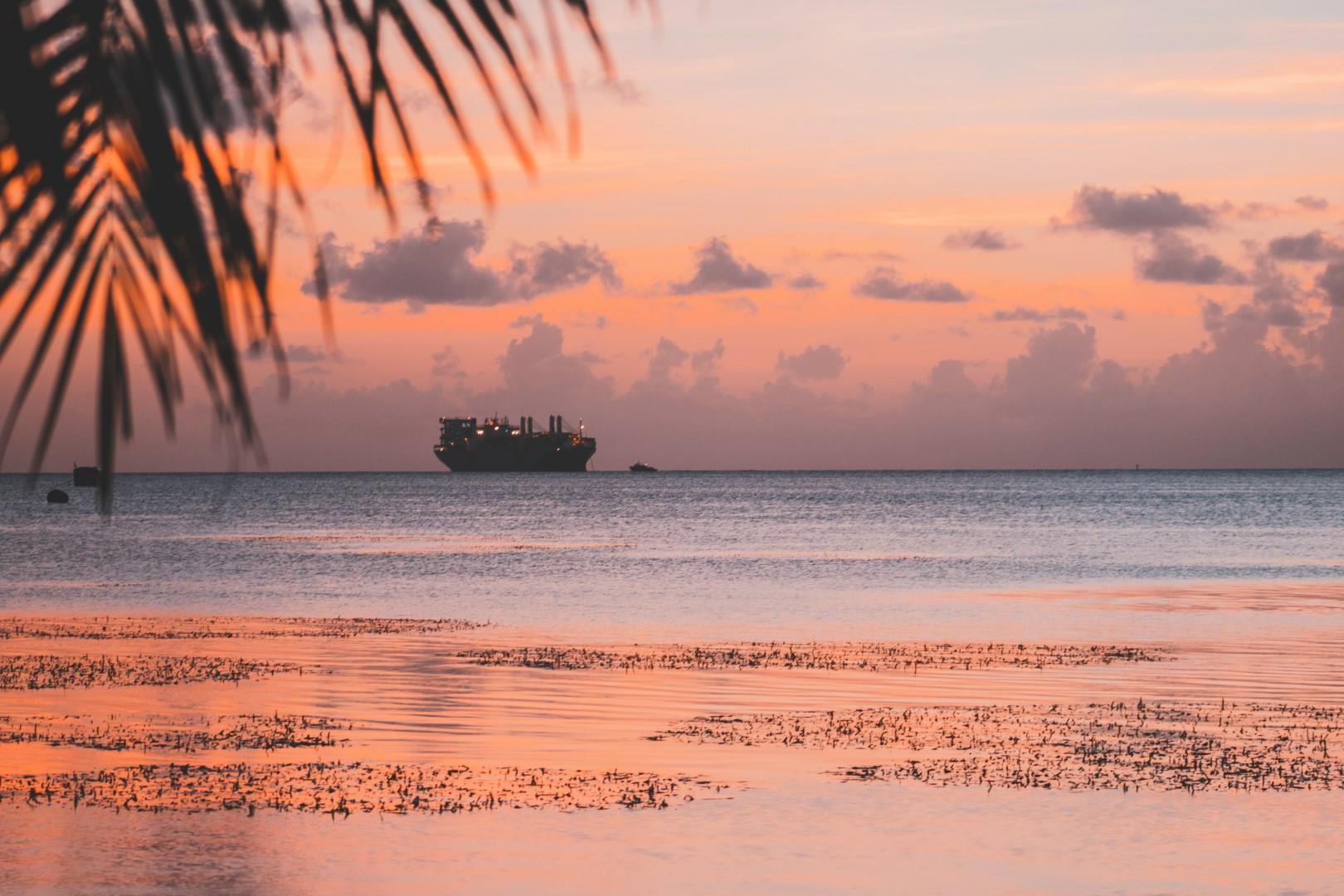
Saipan, the largest of the Northern Mariana Islands, offers a rare combination of deep historical roots, island traditions, and dramatic landscapes. Located in the western Pacific, this U.S. territory was once the site of one of the most pivotal battles in the Pacific during World War II. Visitors today can explore the remains of bunkers, tanks, and hidden caves at sites like Suicide Cliff, Last Command Post, and the American Memorial Park.
Nakhal
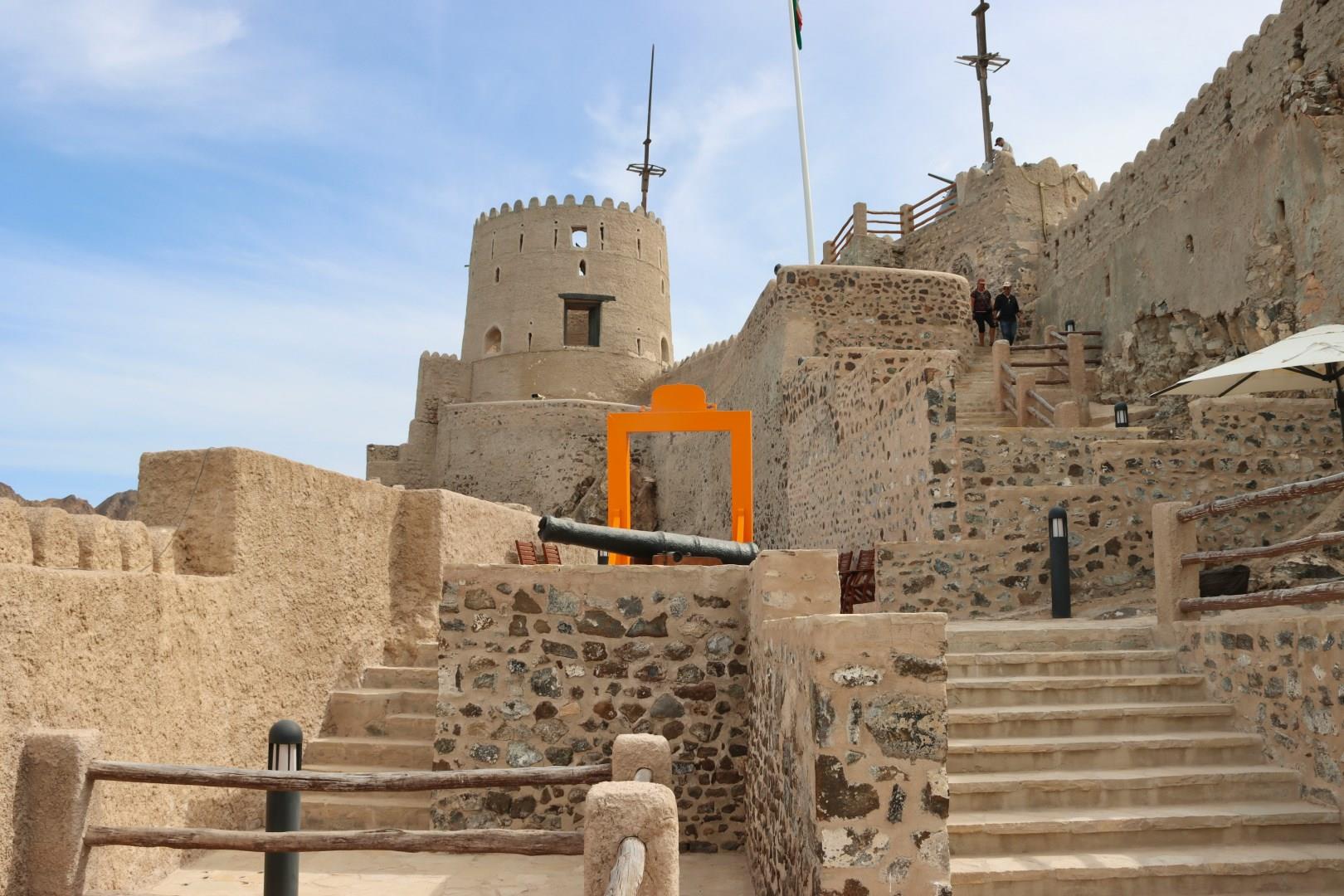
Located in northern Oman, Nakhal is best known for its impressive fort set dramatically against the backdrop of the Hajar Mountains. Originally built centuries ago and later expanded, the fort showcases traditional Omani architecture and offers sweeping views of the surrounding palm groves and rugged landscapes.

Chiang Rai
Chiang Rai, in northern Thailand near the borders with Laos and Myanmar, is a city where history, art, and tranquil landscapes converge. Founded in the 13th century as the first capital of the Lanna Kingdom, it retains a strong sense of heritage while also serving as a hub for contemporary Thai creativity.

Massachusetts
Massachusetts, a state steeped in American history and vibrant culture, offers visitors a rich tapestry of experiences. Begin your journey in Boston, the state capital, where history comes alive along the Freedom Trail. This 2.5-mile route takes you through pivotal sites such as the Massachusetts State House, Paul Revere’s House, and the Old North Church, where the famous signal lanterns were hung during the American Revolution.
