Port Moresby sits by the Coral Sea as Papua New Guinea’s capital and shows visitors a city of contrasts where glittering new buildings rise beside traditional villages built on stilts. One such place is Hanuabada, the original Motuan village, where roofs reach above water’s edge and everyday life still unfolds in Tok Pisin and local tongue.
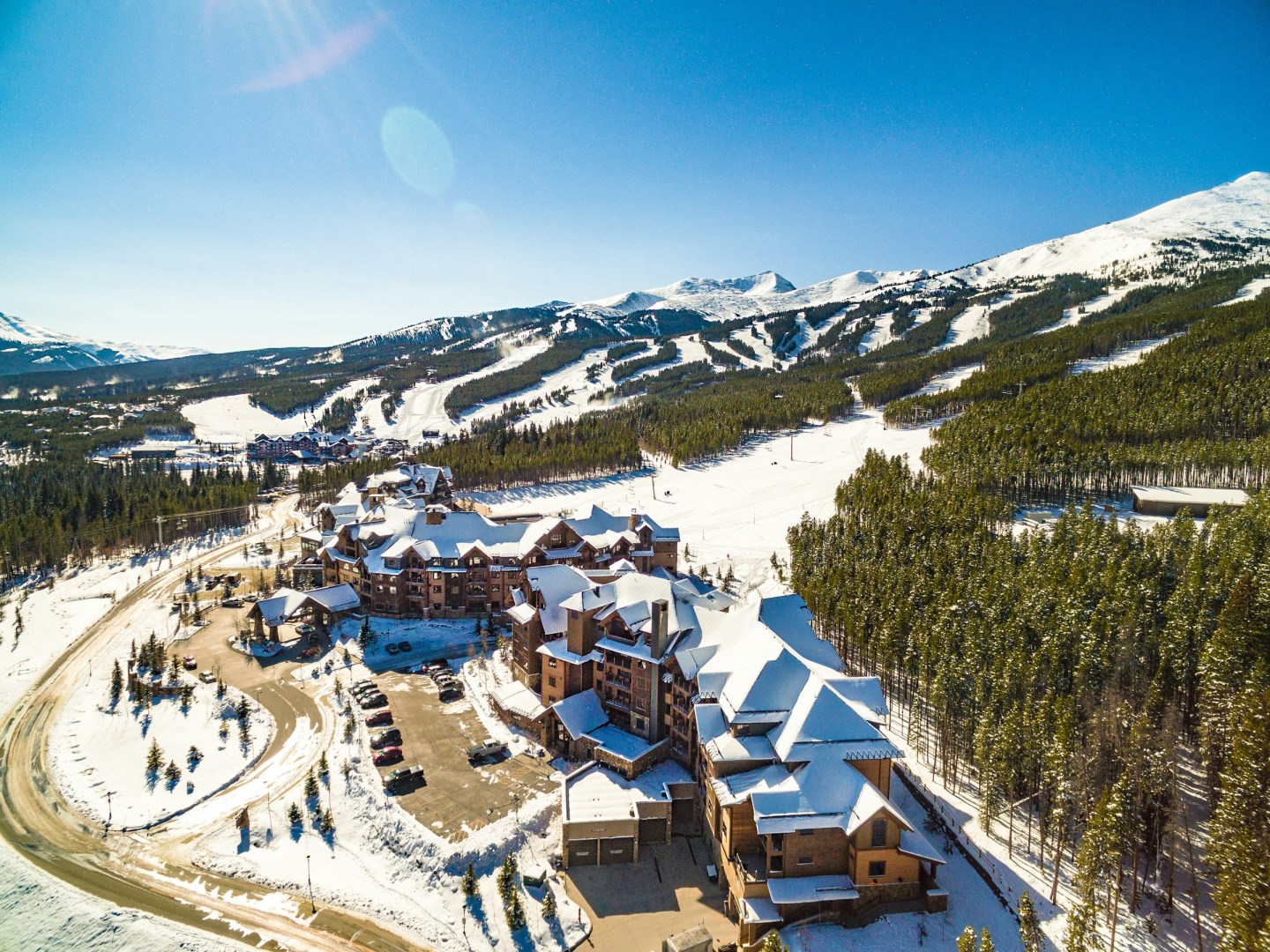
Narvik’s most striking features is its natural setting. The town sits between steep fjords and rugged mountains, making it one of the few places in Norway where visitors can ski with ocean views. Narvikfjellet, the local mountain resort, operates in both winter and summer. During the colder months, it's popular for alpine skiing and northern lights viewing; in summer, the gondola runs for hikers and photographers eager to take in views of the Ofotfjord from the summit.
High in the Kullu Valley of Himachal Pradesh, Manali is where snow-dusted peaks, rushing rivers, and quiet cedar forests come together to create a destination full of experiences. The town sits beside the Beas River at nearly 2,000 meters above sea level, offering a refreshing escape from India’s plains. Legend says the name “Manali” comes from “Manu-Alaya,” meaning the home of sage Manu, who is believed to have repopulated the world after a great flood.
Aguas Calientes, officially called Machupicchu Pueblo, sits in a narrow valley below the ruins of Machu Picchu, shaped almost entirely by geography and access. The town grew around the railway and hot springs that give it its name, becoming a necessary stopping point rather than a destination planned in advance. Its identity is closely tied to movement, with most people arriving on foot or by train and staying briefly before heading uphill.
Ayutthaya, located about 80 kilometers north of Bangkok, Thailand, was the capital of the Ayutthaya Kingdom from the 14th to the 18th century. Its ruins, set among rivers and canals, reveal a once-thriving city that was a hub of trade, politics, and culture, linking Southeast Asia with China, India, and Europe.
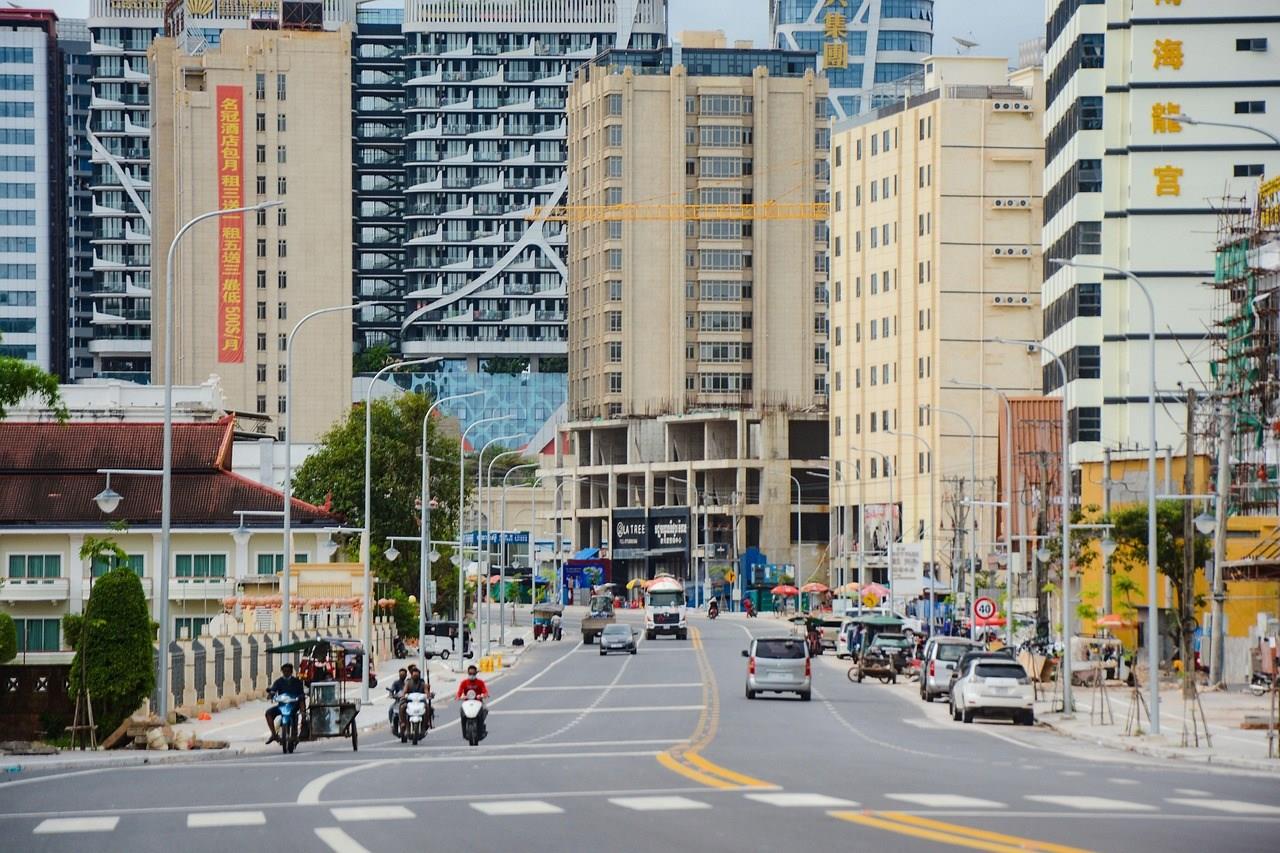
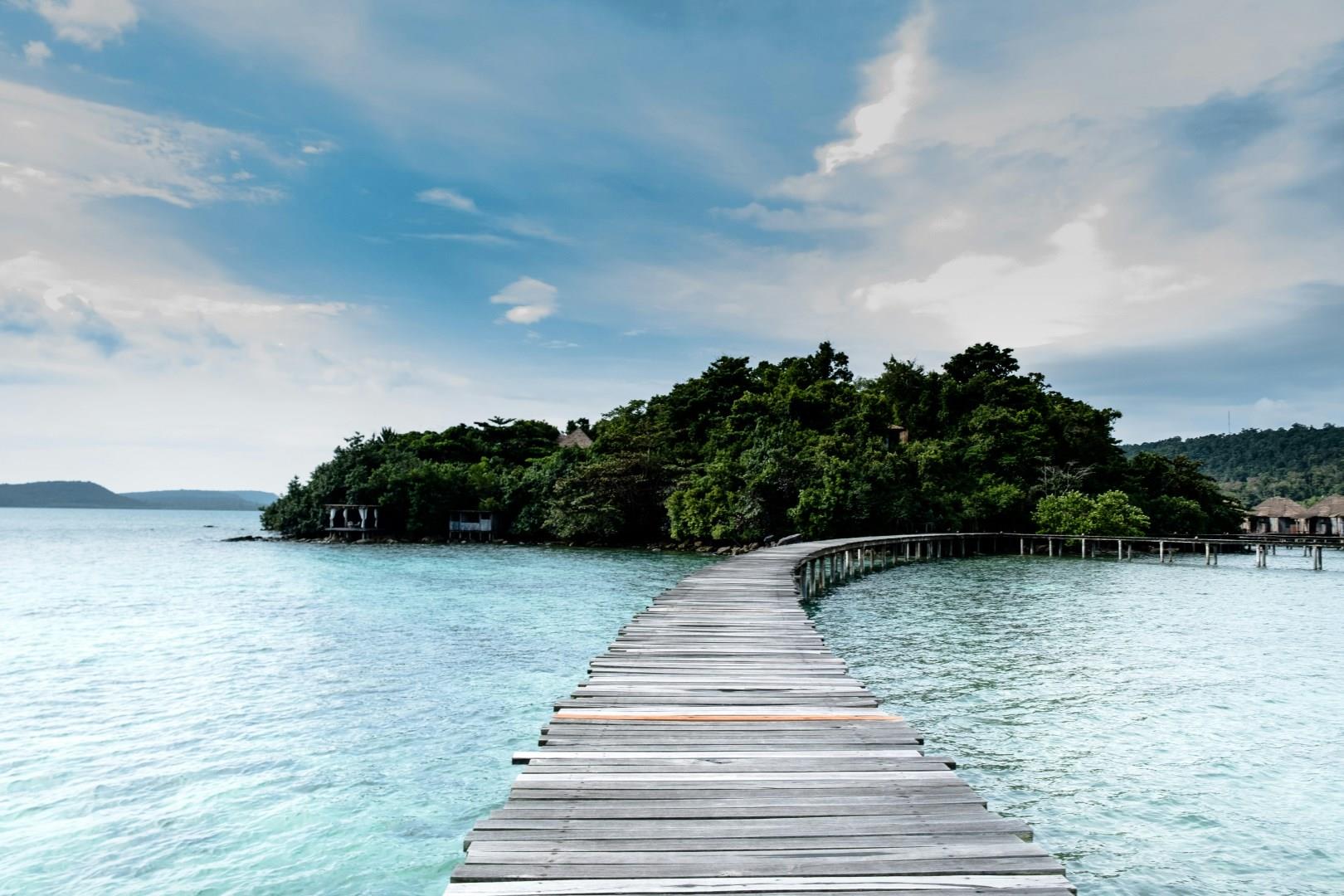
Nestled along Cambodia’s picturesque coastline, Sihanoukville offers an inviting retreat with its stunning beaches and vibrant culture. This coastal city, named after King Norodom Sihanouk, is renowned for its pristine white sand beaches and turquoise waters. The beaches of Otres, Serendipity, and Koh Rong are particularly popular, providing the perfect backdrop for relaxation and water sports. These serene spots are ideal for snorkeling, swimming, or simply lounging under the sun.
Sihanoukville’s charm extends beyond its beaches to its bustling Phsar Leu Market, where visitors can immerse themselves in local culture. This vibrant market offers an array of fresh produce, local handicrafts, and tantalizing street food. It’s a great place to experience the daily life of the locals and taste some of Cambodia’s unique culinary delights.
For a touch of adventure, take a trip to the nearby Koh Rong Samloem or explore the nearby islands, known for their spectacular marine life and unspoiled landscapes. The island offers opportunities for diving, kayaking, and hiking through lush jungle trails. The Ream National Park is another natural wonder worth exploring, featuring mangroves, tropical rainforests, and diverse wildlife.
Fun fact: Sihanoukville is often referred to as "Koh Rong’s Gateway" due to its role as a hub for travelers heading to the nearby islands. The city’s blend of beachside relaxation and vibrant local culture ensures a memorable experience for every visitor.