
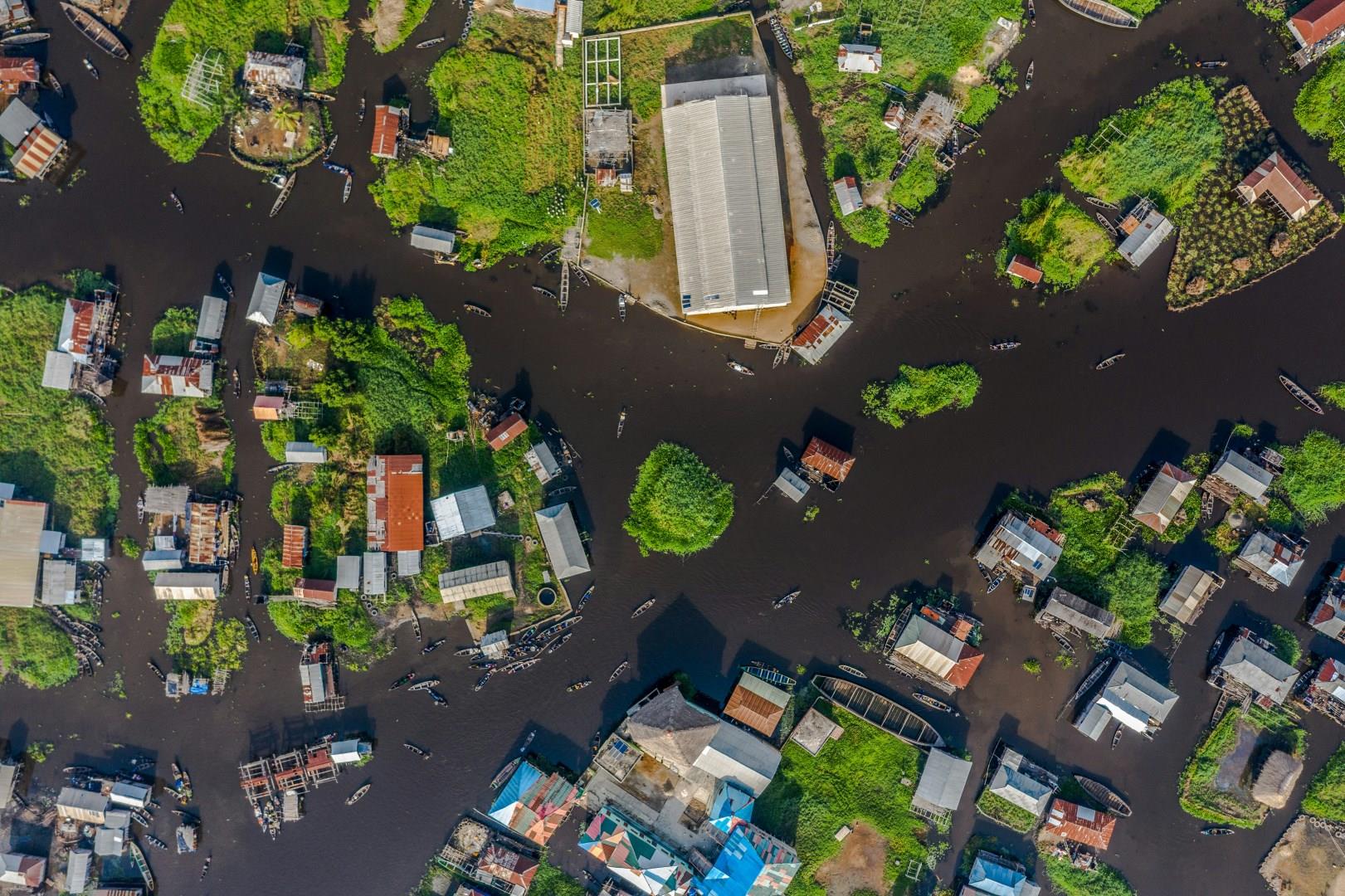
Ganvie
Ganvie, often called the "Venice of Africa," is a lake village located in the heart of Lake Nokoué in southern Benin. What makes Ganvie extraordinary is that the entire village sits on stilts above the water, with wooden homes, floating markets, and schools accessible only by boat. Visitors can glide through narrow canals in pirogues, experiencing firsthand a way of life shaped entirely by water.

Albania
Albania offers travelers a surprising and diverse experience shaped by centuries of influence. Visitors can explore the ancient city of Butrint, a UNESCO World Heritage Site with Greek, Roman, Byzantine, and Venetian ruins set against a lagoon. In Berat and Gjirokastër stone houses stack along steep hillsides, giving visitors the sense of walking through a living museum. These towns offer an authentic window into daily Albanian life.

Whitsunday Island
The Whitsunday Islands sit in the heart of Australia’s Great Barrier Reef, where more than 70 islands rise from wide blue seas and offer an invitation to explore. Whitsunday Island itself is the largest of this group, known internationally for its ribbon of white silica sand stretching over seven kilometers at Whitehaven Beach. This sand feels cool underfoot even in warm sunshine because it’s made of nearly pure silica carried there by ancient ocean currents.
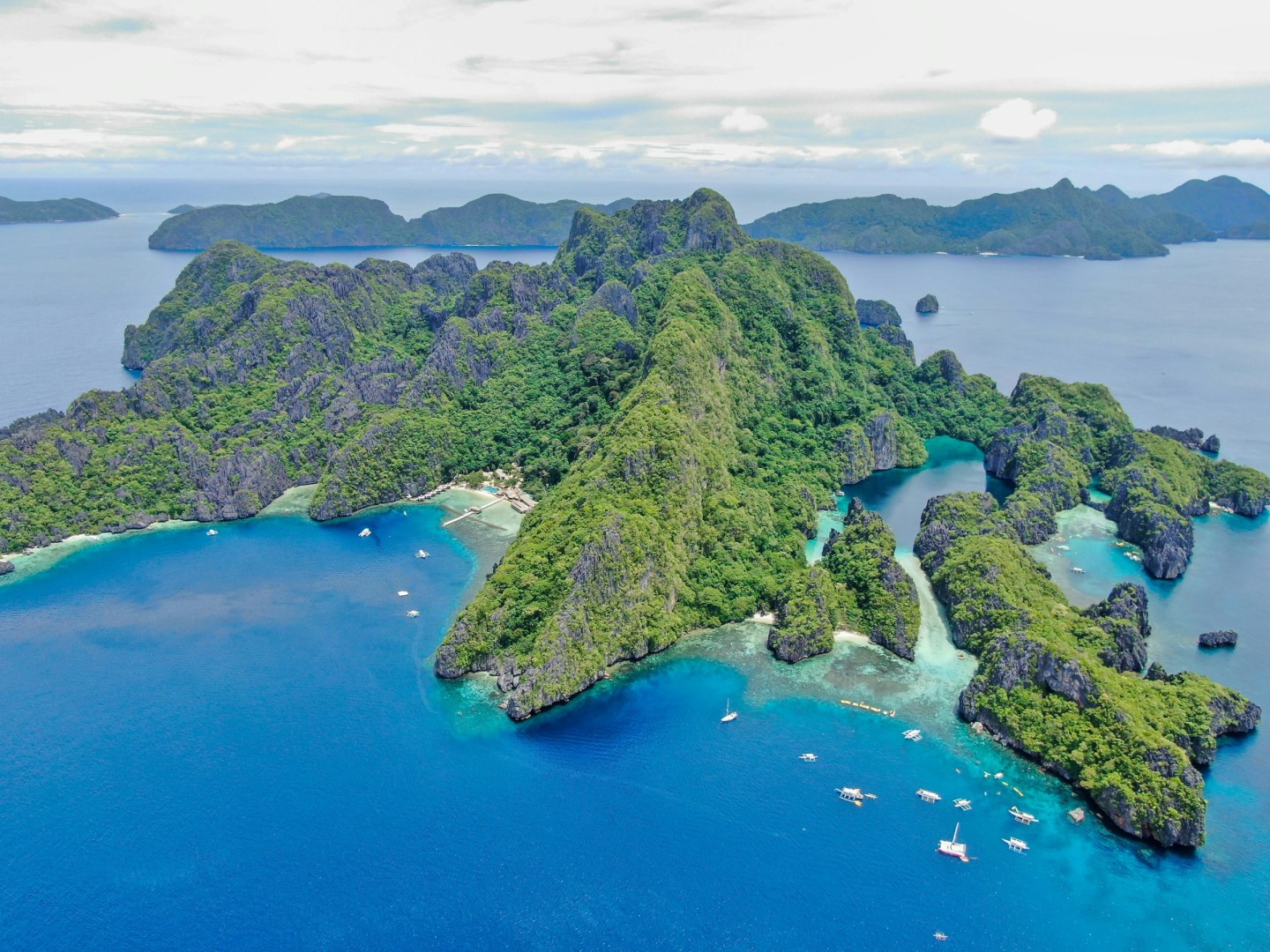
El Nido
El Nido is a coastal municipality in northern Palawan, Philippines, known for its limestone cliffs, turquoise lagoons, forested islands, and sheltered bays. The town sits at the northern end of the Palawan mainland, facing the Bacuit Archipelago, where numerous small islands rise from the sea. Its setting combines a compact seaside town with a large marine landscape that is explored mainly by boat.
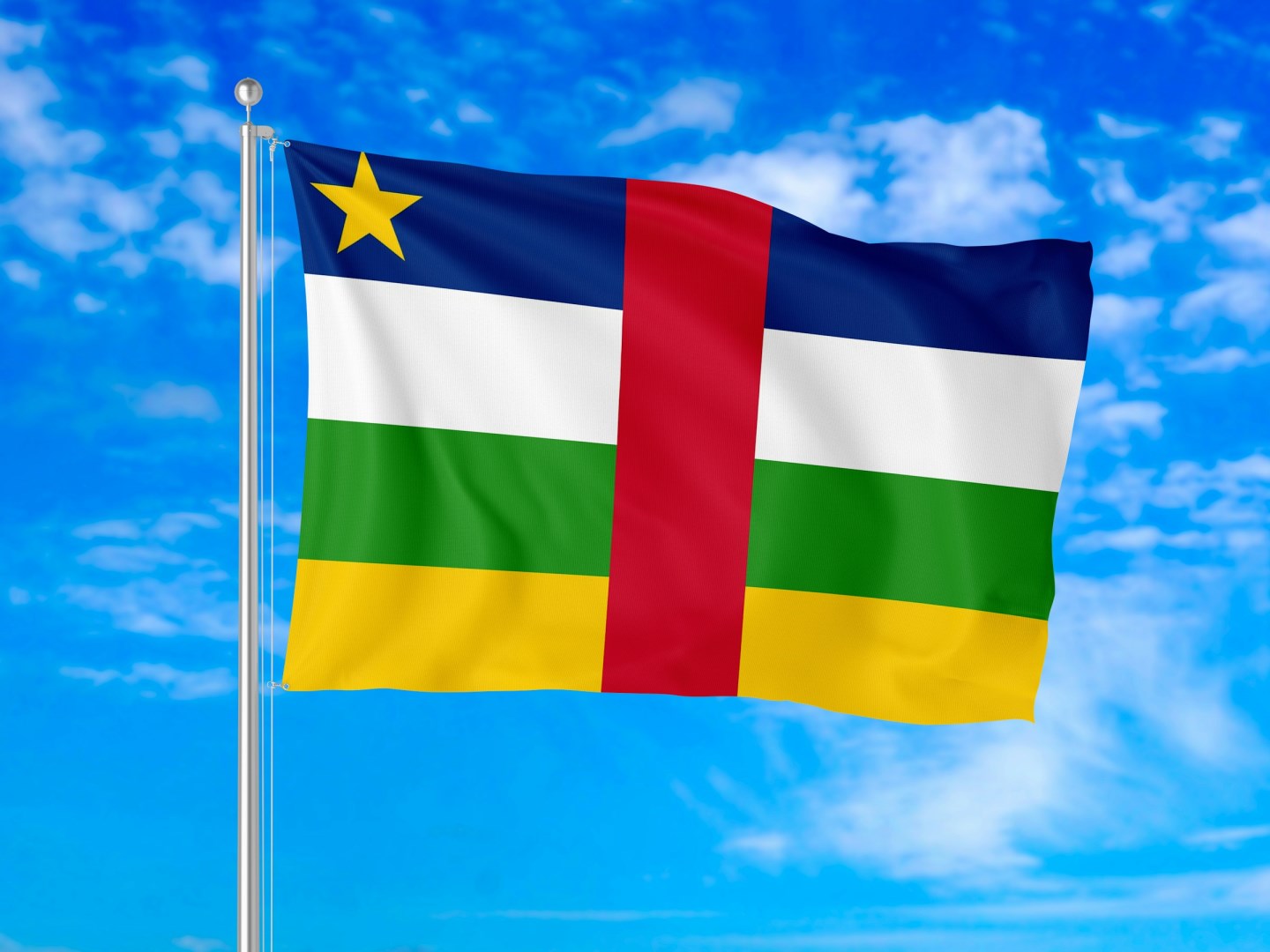
Central African Republic
Central African Republic, republic in central Africa, bordered on the north by Chad, on the east by Sudan, on the south by Zaire and the Republic of the Congo, and on the west by Cameroon. The landlocked nation has an area of 622,436 sq. km (about 240,323 sq. mi). Bangui is the capital and largest city.
