Bhutan
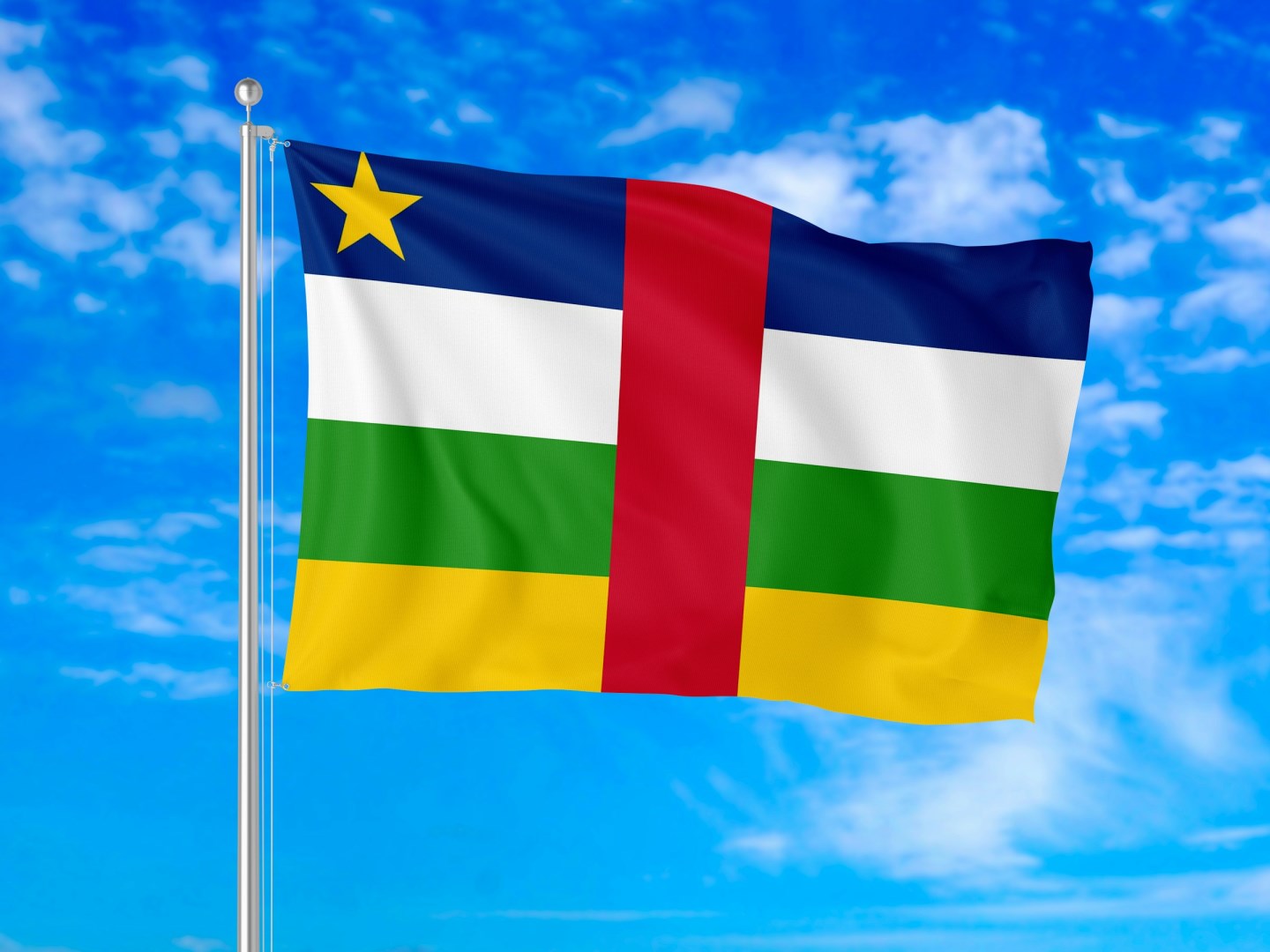
Bhutan, often called the “Land of the Thunder Dragon,” is a Himalayan kingdom known for its dramatic landscapes and deeply rooted traditions. Towering peaks, forested valleys, and winding rivers set the stage for a country that has long prioritized harmony between nature and culture.

Dominica
Dominica, known as the “Nature Island of the Caribbean,” is a haven for eco-tourists and adventure seekers. Nestled between the French islands of Guadeloupe and Martinique, this lush island boasts a remarkable landscape of volcanic mountains, dense rainforests, and stunning waterfalls. Dominica’s most iconic natural wonder is the Boiling Lake, the second-largest hot spring in the world.
Blair Atholl
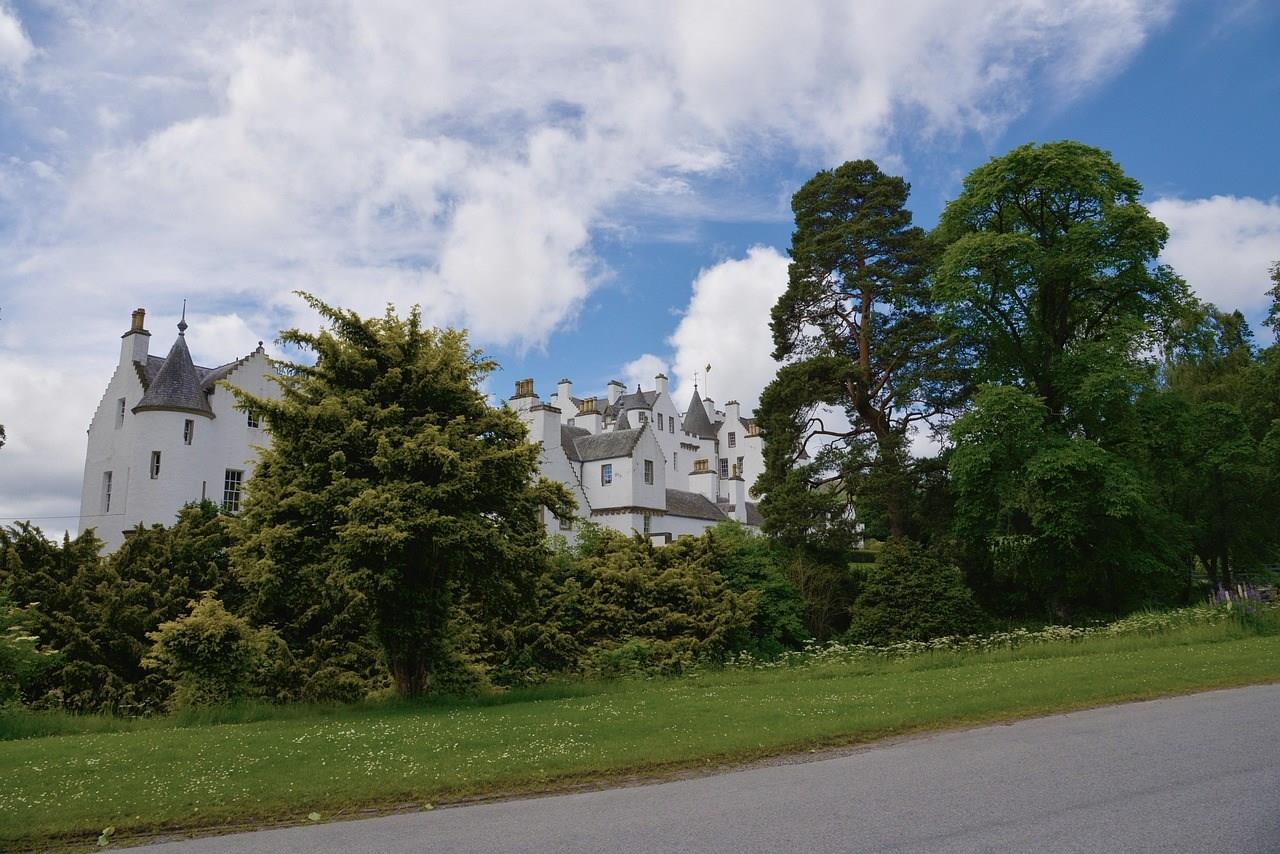
Blair Atholl, a village in the heart of Highland Perthshire, Scotland, is best known as the home of Blair Castle, a striking white-walled fortress that has stood for over seven centuries.
Lusaka
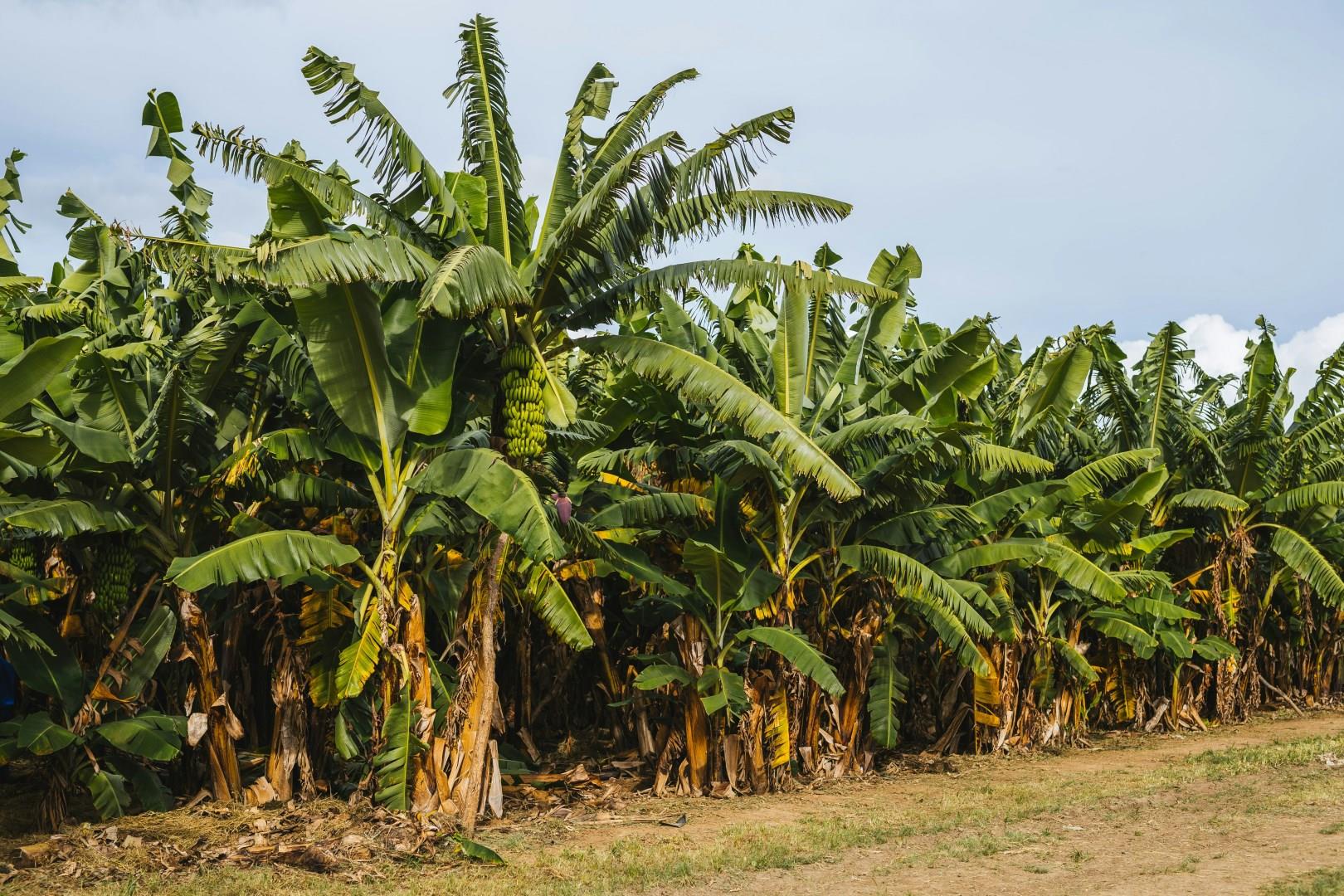
Lusaka, the capital of Zambia, is a city that blends modern energy with authentic African culture. As the country’s largest urban center, it serves as the gateway for travelers exploring Zambia’s natural wonders while also offering its own dynamic experiences.
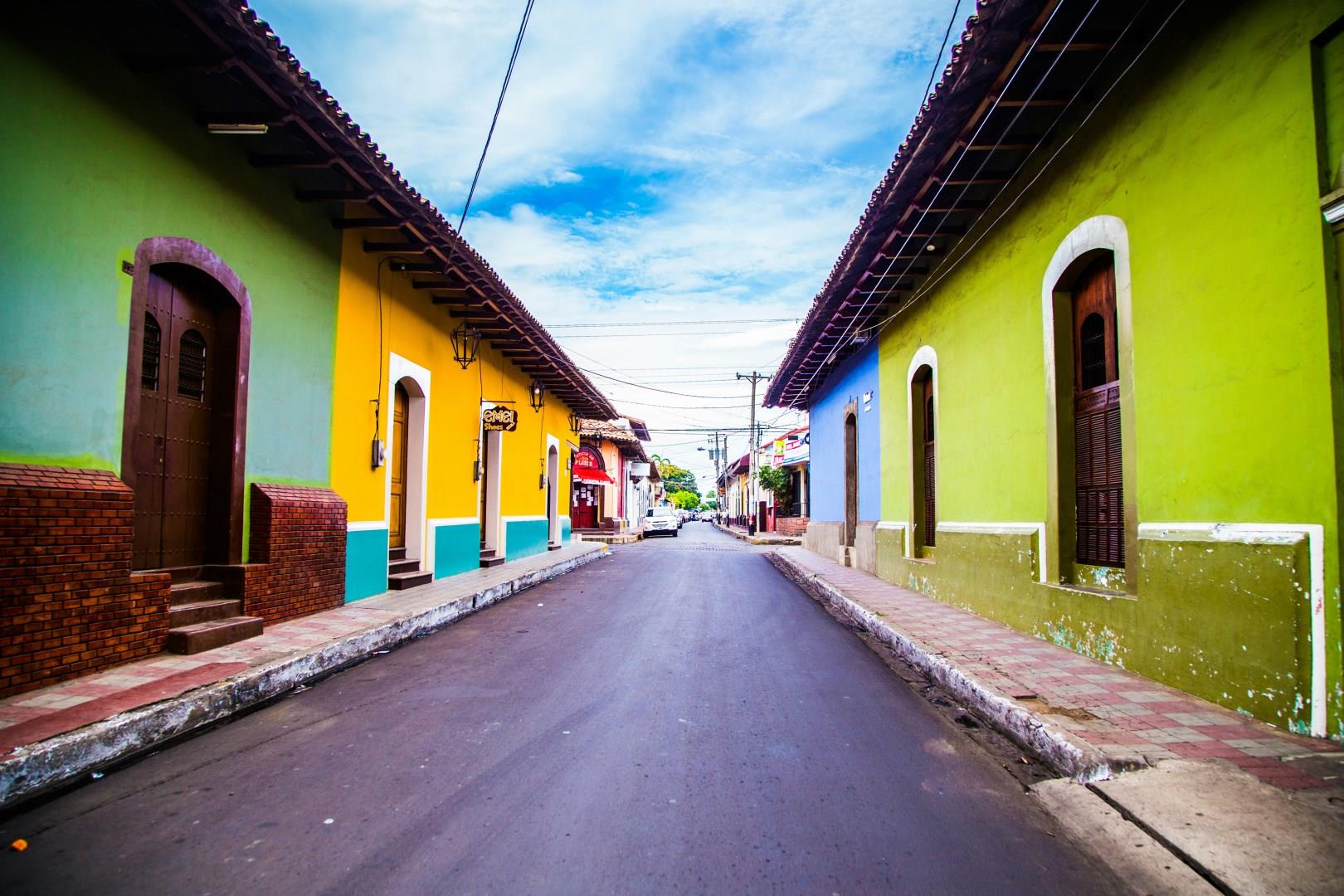
León
León, Nicaragua serves as the country’s capital for more than two centuries and still feels like the intellectual and political heart of Nicaragua. The city is known for its revolutionary past, visible in murals that stretch across building walls, telling stories of resistance, poets, and everyday citizens. The Cathedral of León, the largest in Central America and a UNESCO World Heritage Site, dominates the central square.