
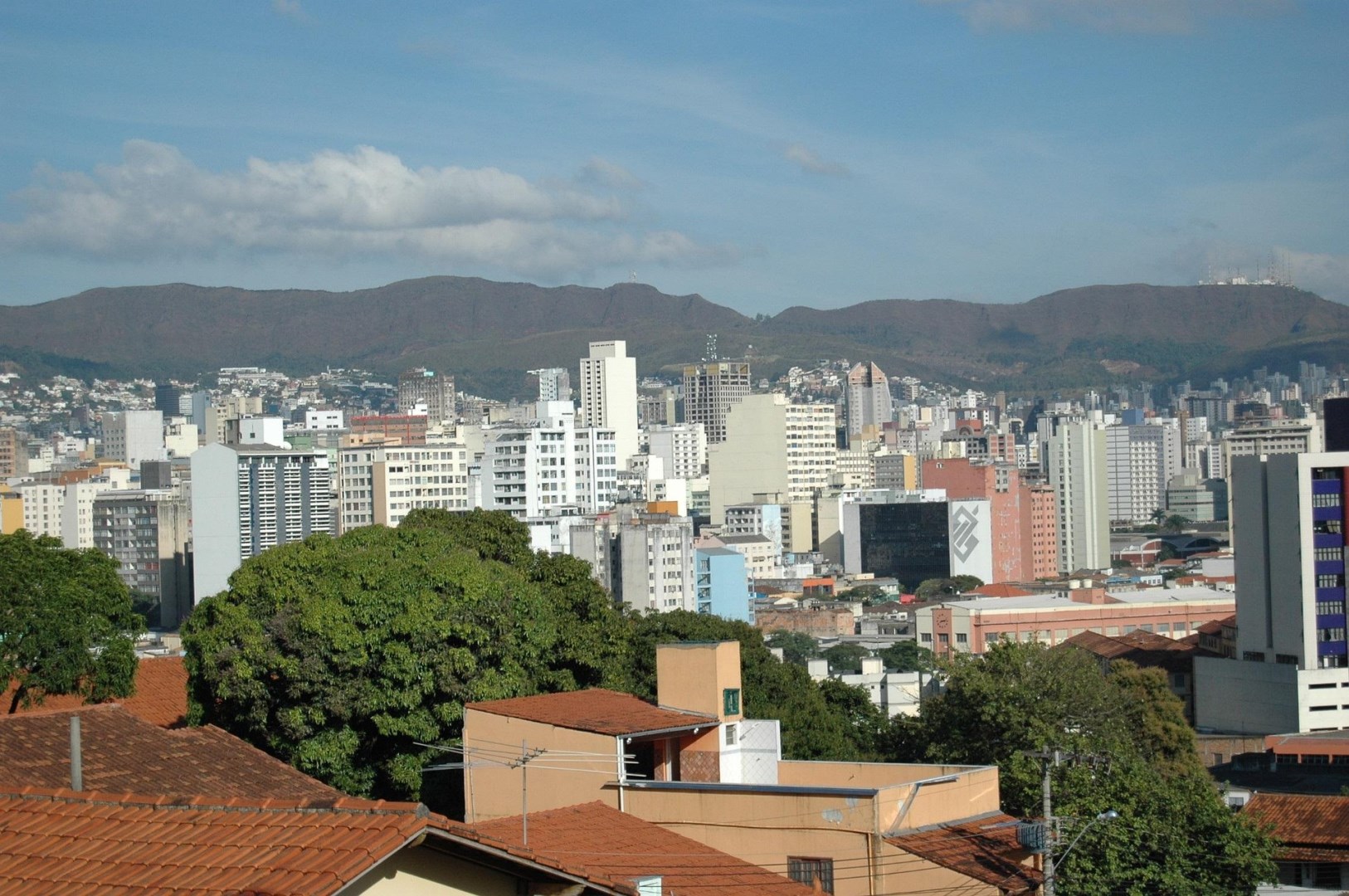
Belo Horizonte
Brazil's third largest city, Belo Horizonte was founded in 1897. Most of Brazil's gems and semi-precious stones are mined in this area and it is where you can find the best bargains, from aquamarines to imperial topaz. It is just 59 miles from Brazil's most historic colonial city, Ouro Preto.
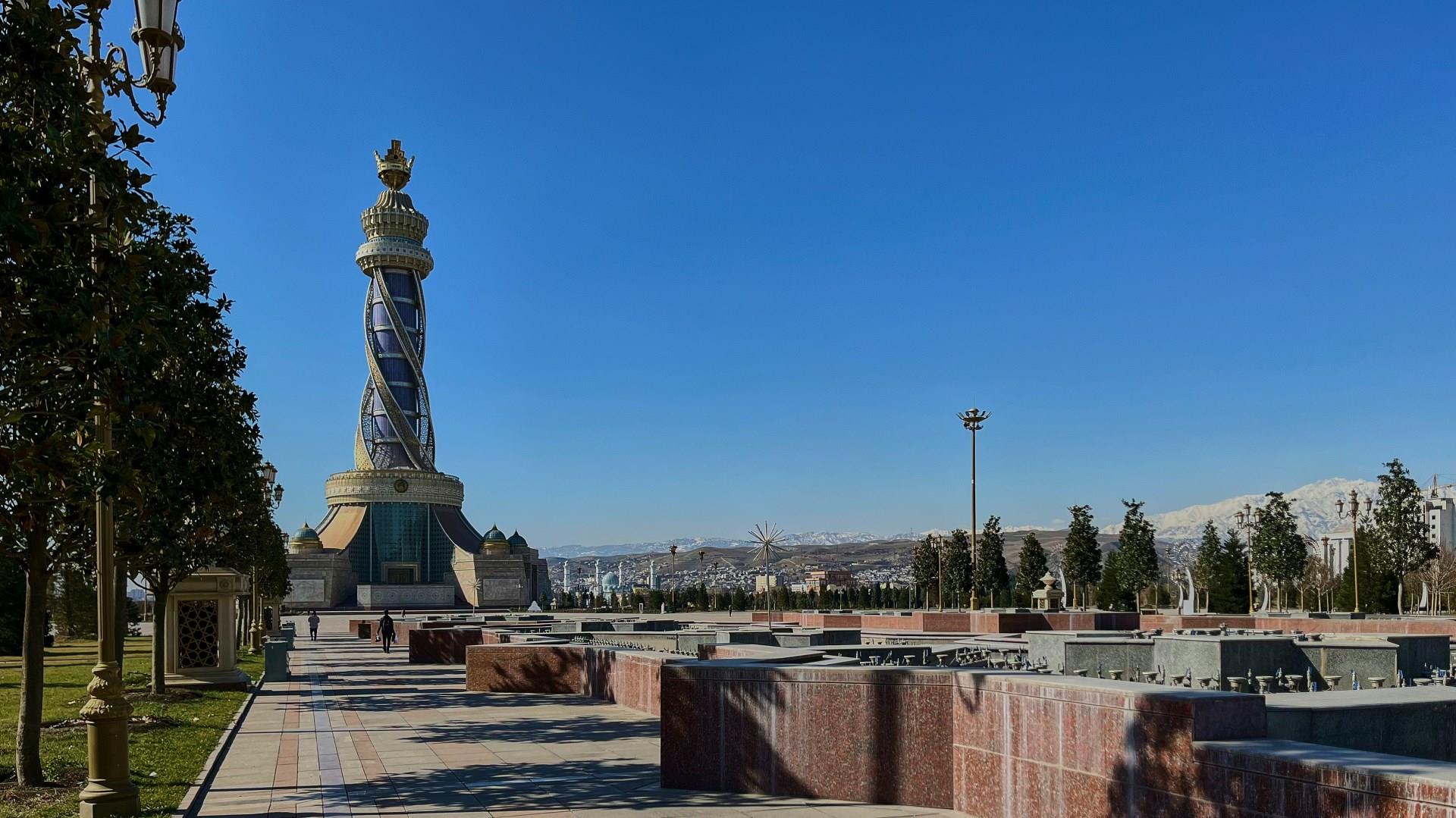
Dushanbe
Dushanbe, the capital of Tajikistan, blends Soviet-era architecture with traditional Central Asian culture. The city is known for landmarks such as the National Library, Rudaki Park, and the striking Flagpole Square, which reflect both civic pride and the country’s heritage
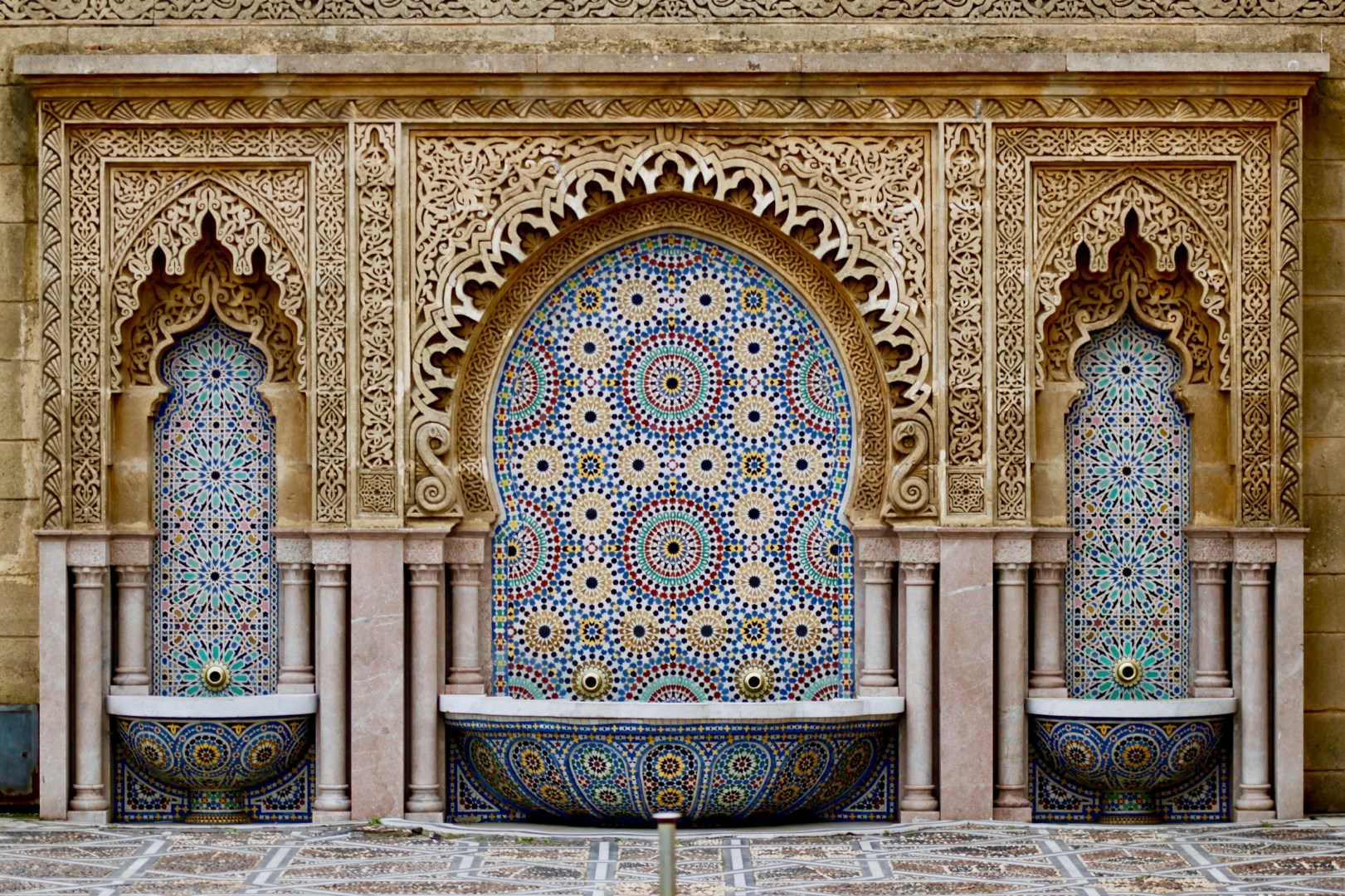
Rabat
Rabat, the capital of the kingdom of Morocco, is located on the edge of the Atlantic Ocean on the left bank of the Bou Regreg Estuary. A city of trees and flowers, Rabat combines peace, beauty and Serenity, and is steeped in history.

Volterra
Nestled in the heart of Tuscany, Volterra offers a captivating journey through time with its well-preserved medieval charm and Etruscan roots. The city's history is evident as you wander through its narrow, winding streets, flanked by ancient walls that date back to the Etruscan period. The Roman Theater, built in the 1st century AD, is a testament to the city's significance in antiquity and provides an evocative glimpse into Volterra’s storied past.

Monument Valley
Monument Valley, a majestic expanse on the Arizona-Utah border, is one of the most iconic landscapes of the American Southwest. Renowned for its towering red sandstone buttes and mesas that rise dramatically from the desert floor, this breathtaking site evokes the spirit of the Old West. Often depicted in classic Western films, the valley is best experienced along the 17-mile scenic drive that winds through Monument Valley Navajo Tribal Park, offering close-up views of famed formations like the
