

Děčín
Děčín, a picturesque city in the Czech Republic, is nestled on the banks of the Elbe River and surrounded by lush landscapes and dramatic rock formations. This charming destination is renowned for its rich history and stunning natural beauty. The centerpiece of Děčín’s architectural heritage is the Děčín Castle, which towers above the city and offers breathtaking views of the Elbe Valley.
Fishguard
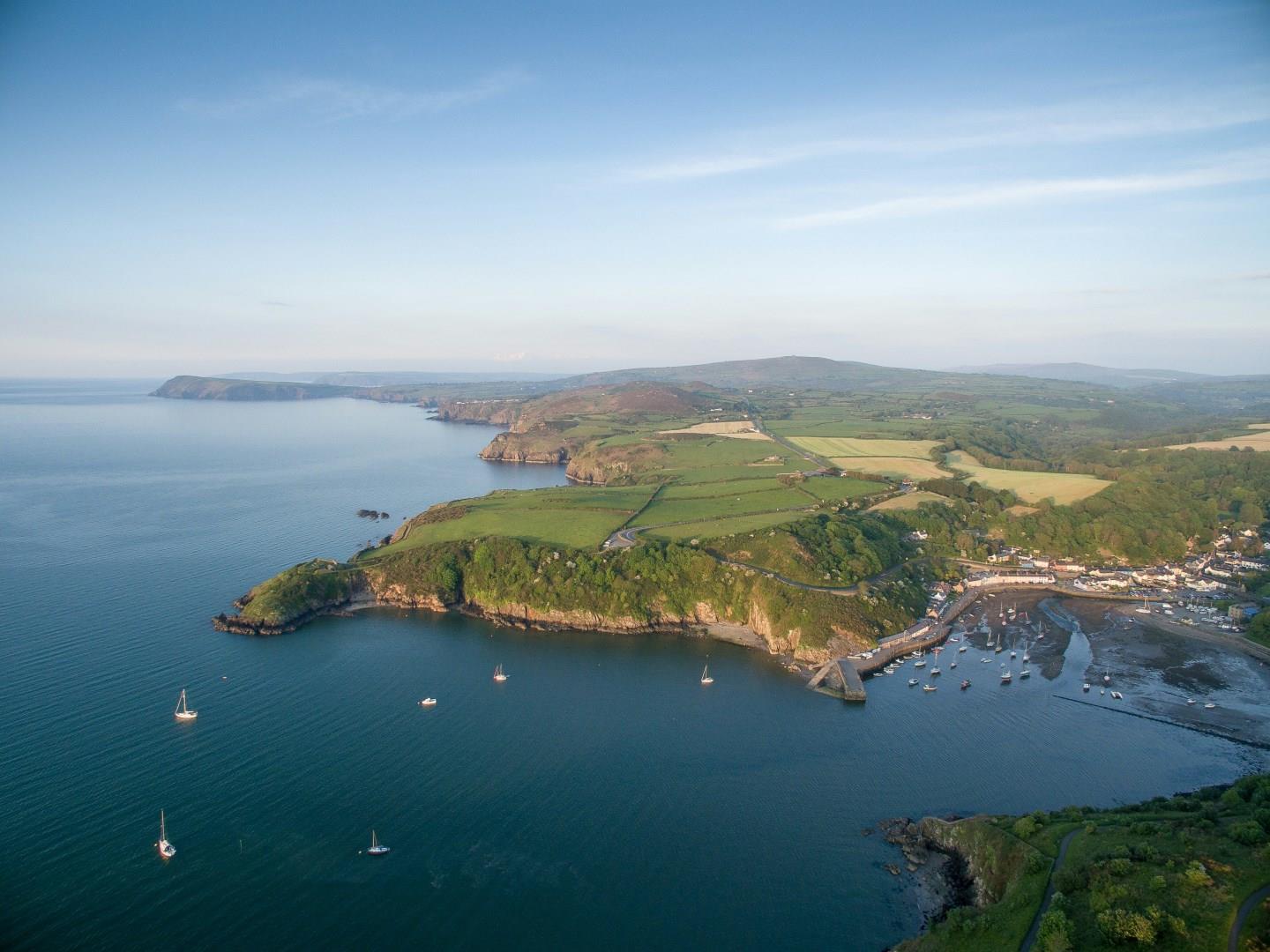
Fishguard, a coastal town in north Pembrokeshire, is divided into two parts: Fishguard and Lower Town. Lower Town is a small harbor nestled at the mouth of the River Gwaun, lined with fishing cottages and boats. It has served as a filming location for several productions, including the 1956 movie *Moby Dick* starring Gregory Peck. Visitors can walk the quayside, explore rock pools at low tide, or take boat trips along the Pembrokeshire Coast.
Scarborough
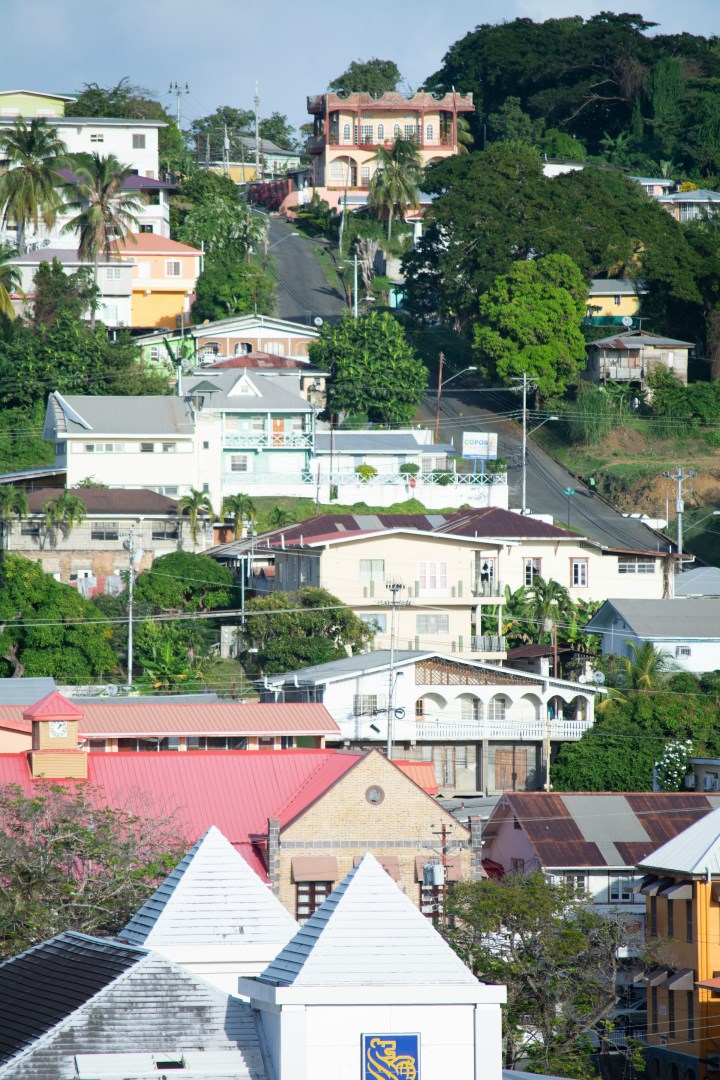
Blanketed from end to end in luxuriant greenery and brightly colored flowers, this enchanted island is scalloped with beautiful beaches. There are sandy coves beside coral reefs, and alabaster cresents below tiny trails, leading to pretty waterfalls or plantation ruins. Best of all is the Main Ridge Rain Forest Trail, where jungle-thick ferns and giant bamboo grasses flourish under a canopy of foliage 60-feet high.

Weissenkirchen
Weissenkirchen is a charming Austrian town on the banks of the Danube. Surrounded by vineyards and wineries, Weissenkirchen is a delightful stop for European river cruises.
Chicago
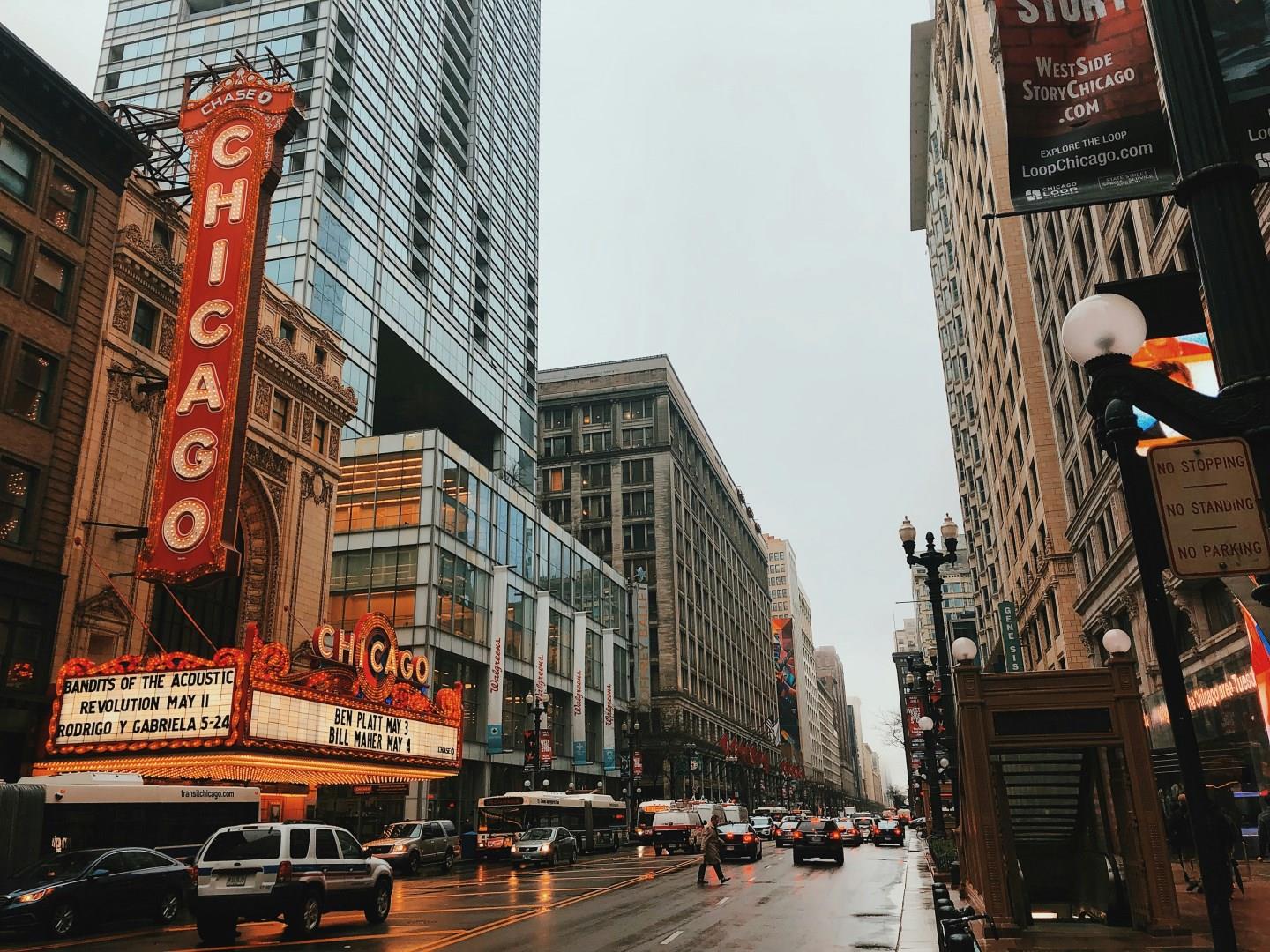
Chicago, Illinois, is a vibrant metropolis that combines architectural marvels, rich cultural offerings, and dynamic neighborhoods. Known as the "Windy City," Chicago is home to some of the most iconic landmarks in the United States. The Millennium Park, with its striking Cloud Gate sculpture, popularly known as "The Bean," is a must-see for visitors.
