
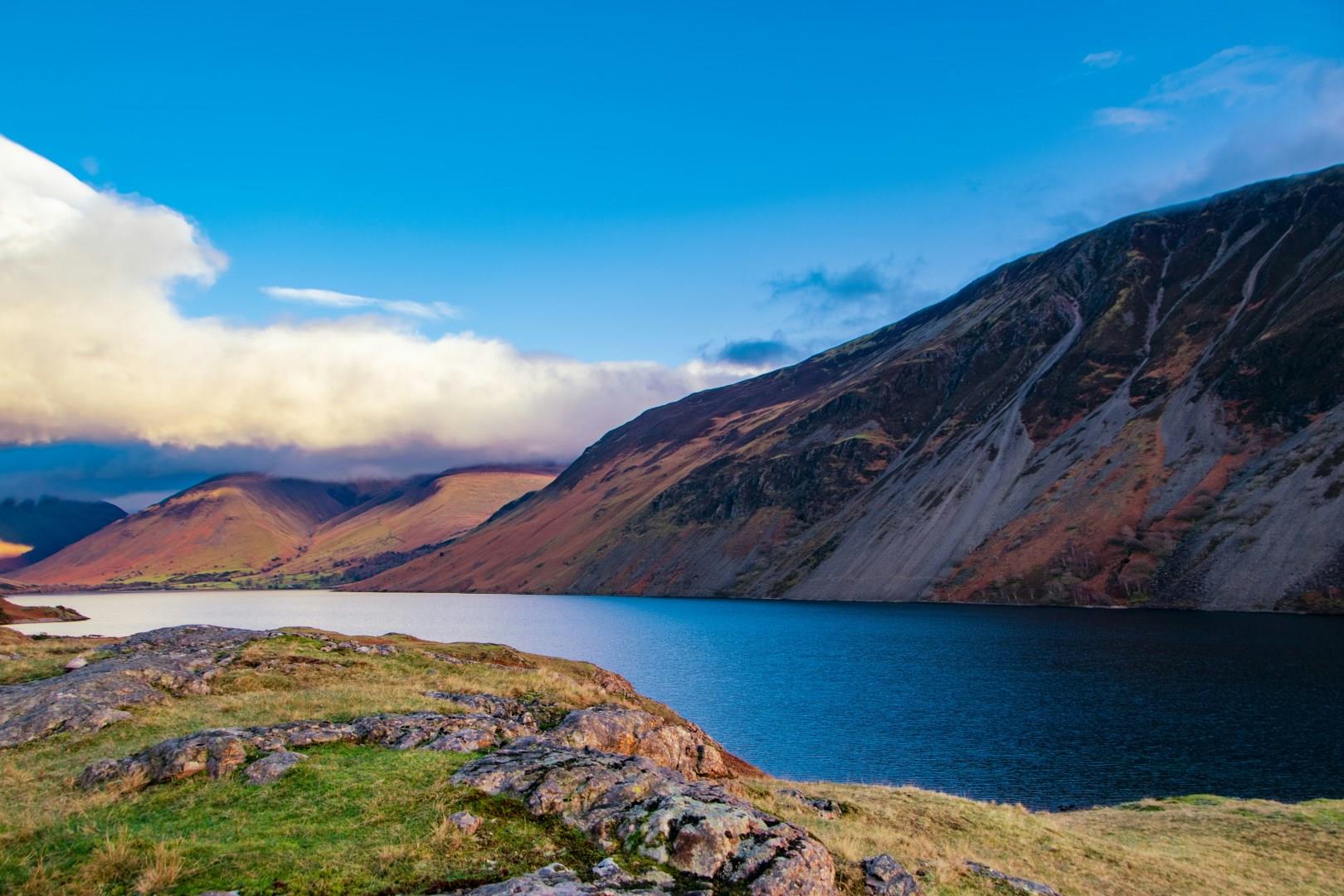
Lake District National Park
Lake District National Park, in northwest England’s Cumbria, is a landscape of lakes, fells, and valleys that has inspired poets, painters, and travelers for centuries. Designated a UNESCO World Heritage Site, the region is famed for its literary connections.

Hovden
Hovden is part of Setesdal, a region recognized for its distinctive Norwegian folk traditions and strong rural identity. Music and dance are especially important, with the Setesdal tradition of playing the hardingfele fiddle and munnharpe jaw harp included on UNESCO's Intangible Cultural Heritage list. The area also has a long connection with metalworking. The Hovden Museum of Iron Production presents a reconstructed iron-smelting facility and explains how local ore was processed using charcoal.

Coffee Axis
Nestled in the heart of the Andean mountains, Colombia's Coffee Region, or “Eje Cafetero,” is a lush tapestry of rolling hills, fertile valleys, and towering wax palms. This UNESCO World Heritage-listed landscape is more than just the epicenter of Colombia's coffee production—it is an invitation to explore a culture steeped in tradition, warmth, and a deep appreciation for the natural world.
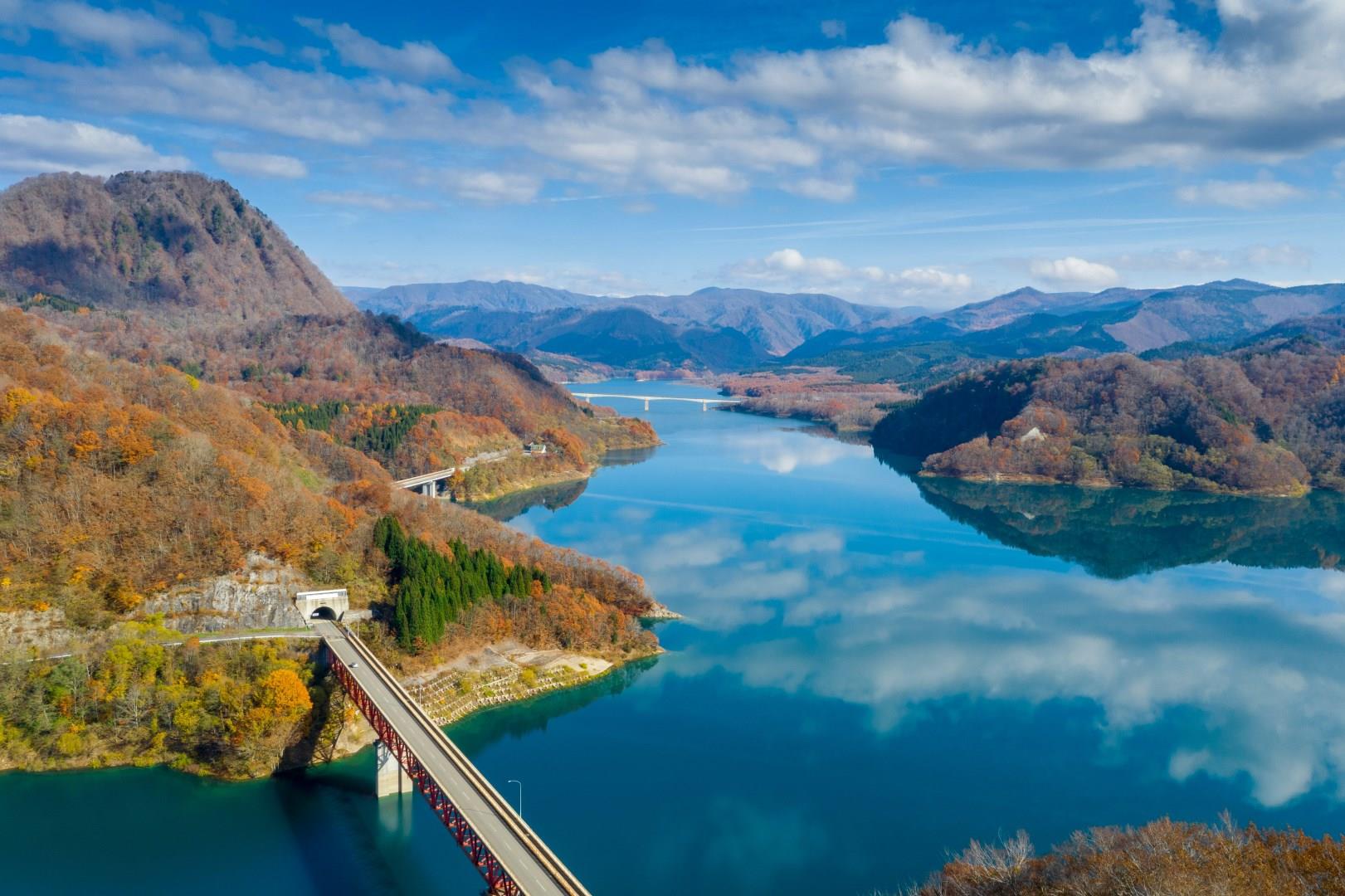
Akita
Akita sits in the northern part of Japan’s Tōhoku region and offers travelers experiences rooted in long-held traditions, lively festivals, and scenic valleys. Its capital city blends seasonal appeal with cultural offerings, from Senshu Park, once the site of Kubota Castle, where cherry blossoms and lotuses draw locals and visitors alike, to the Akita Museum of Art, a striking building designed by famed architect Tadao Ando that displays works including pieces by Tsuguharu Foujita.

Bimini Islands
The Bimini Islands, the westernmost point of the Bahamas, are a tiny chain of islands steeped in history, legend, and natural wonder. Bimini has long been celebrated as the “Gateway to the Bahamas,” blending fishing traditions, maritime lore, and a laid-back island culture.
