

Bornholm
Bornholm, a picturesque Danish island in the Baltic Sea, offers a unique blend of natural beauty and cultural charm. Renowned for its rugged coastline and charming villages, Bornholm is a haven for outdoor enthusiasts. The island's northern coast is particularly famous for its dramatic cliffs and clear waters, perfect for hiking and cycling.
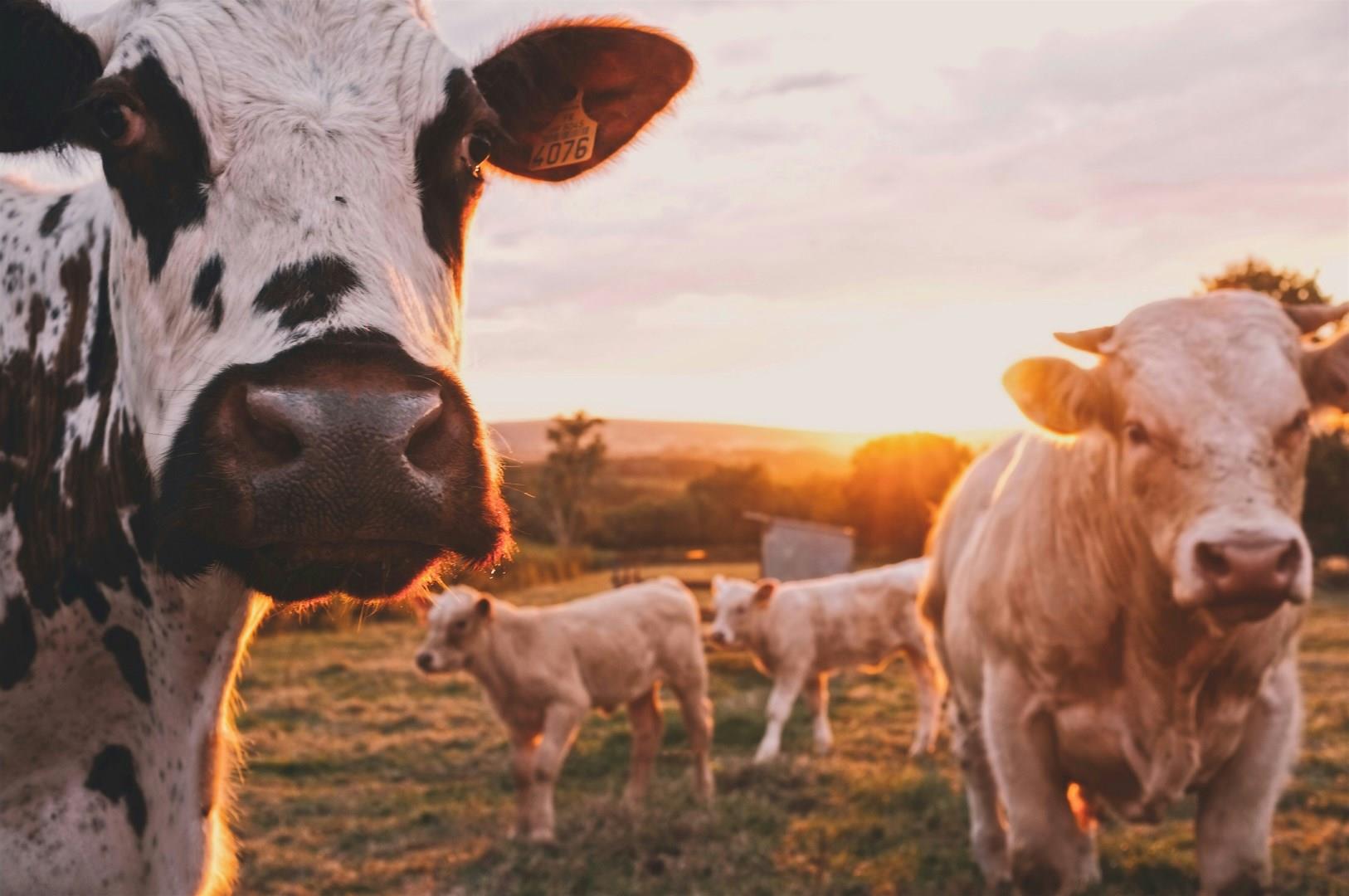
Burgundy
Burgundy, or Bourgogne in French, is a region in eastern France famed for its rolling vineyards, historic towns, and deep cultural heritage.
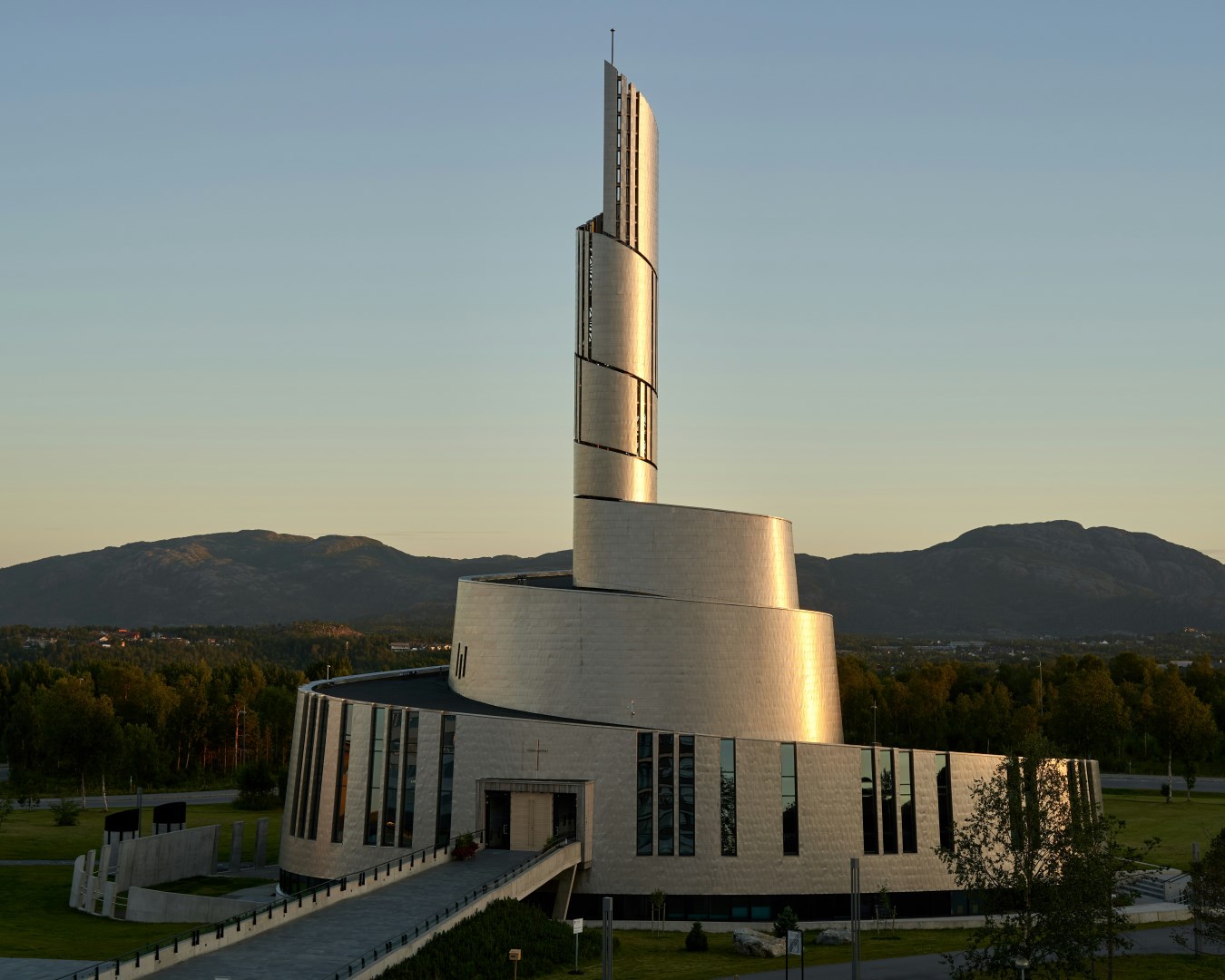
Alta
Alta is a town in northern Norway located at the head of Altafjord in Finnmark County, well above the Arctic Circle. The area is known for its combination of coastal landscapes, birch forests, mountain plateaus, and Arctic climate.
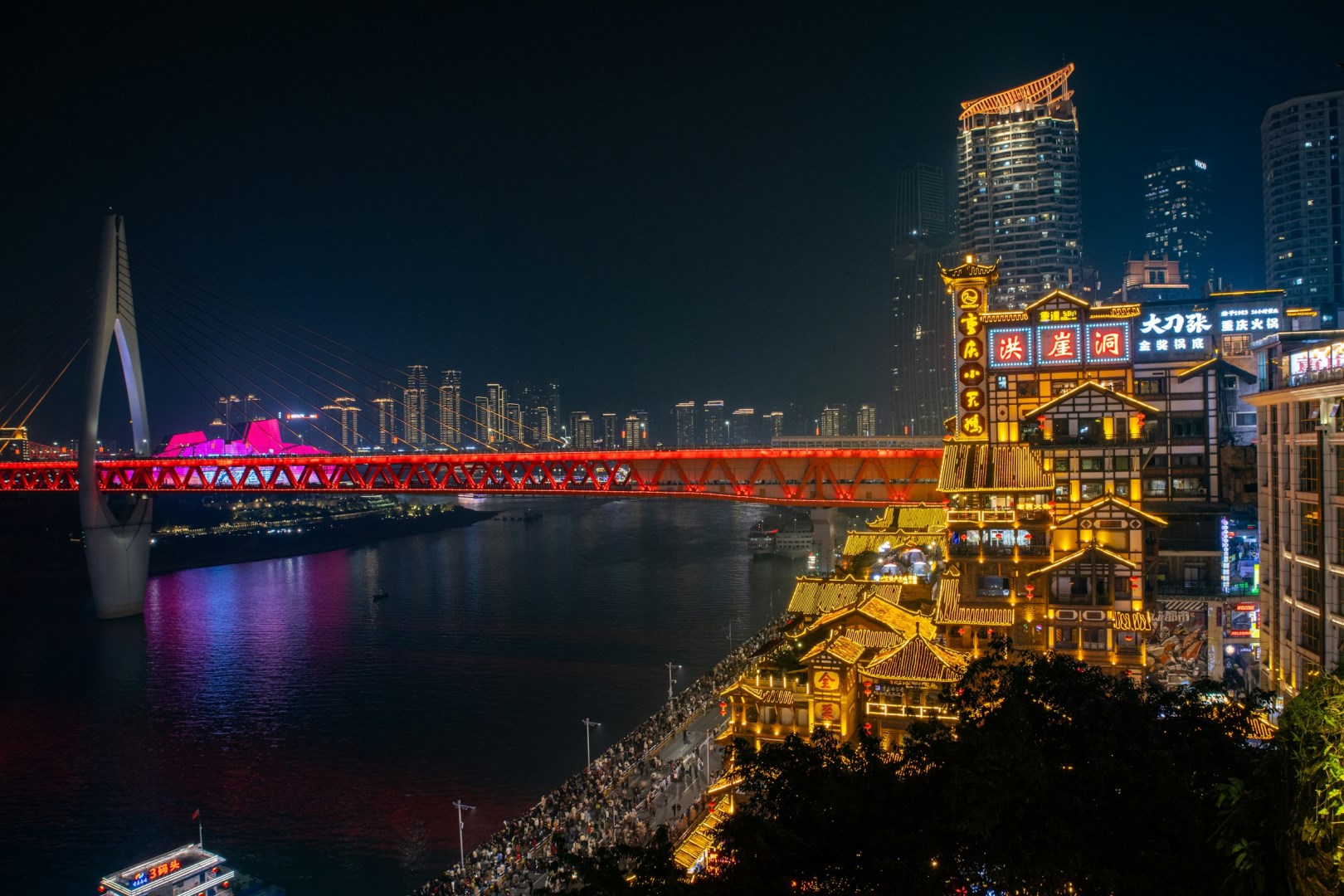
Chongqing
The largest city in Sichuan Province and a port-of-call on the Yangtze River. Located at the heart of where the Jialing and Yangtze Rivers meet, this beautiful combination of ancient and modern will take your breath away.
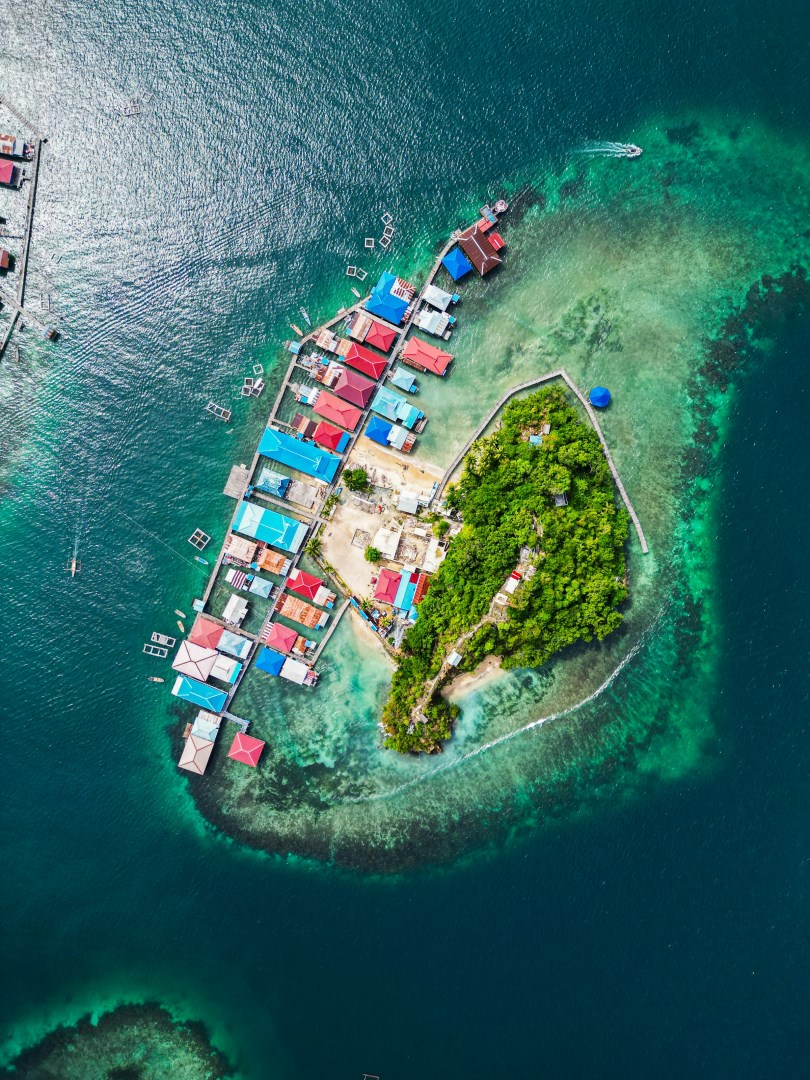
Jayapura
Jayapura is a part of Irian Jaya and shares a landmass with Papua New Guinea and it's peoples culture is very similar to the Papuans. From snow capped mountains to jungles, from swamps to glaciers there is much to explore in this less traveled, diverse region.
