
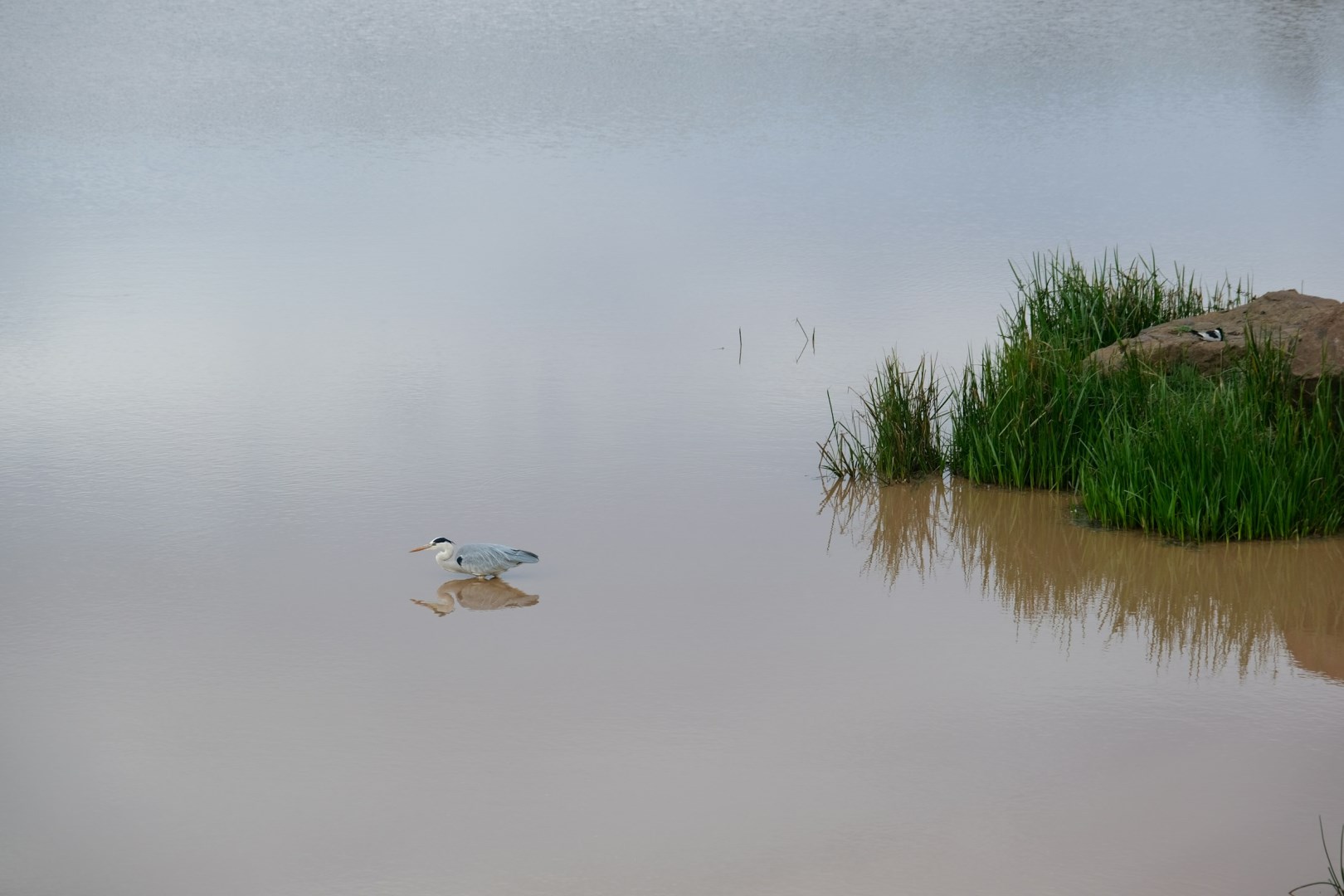
Aberdare National Park
Aberdare National Park is a 311 square mile sanctuary on an isolated volcanic massif which forms part of the eastern wall of the Rift Valley. Part of the larger forest reserve, the Aberdares are covered with a dense rainforest and provide spectacular views over the Rift Valley. Bird life is abundant with more than 200 species.

Seychelles
The Seychelles, an archipelago of 115 islands in the Indian Ocean, is renowned for its turquoise waters, white-sand beaches, and lush tropical landscapes.

Hiroshima
Hiroshima, a city on Japan’s Honshu Island, is a place where history and resilience intertwine to create a destination that is both deeply moving and inspiring. Beyond its historical significance, Hiroshima offers visitors a vibrant cultural scene.

Aalborg
Aalborg is the fourth largest city in Denmark and constitutes a natural center for the North Jutland region. In addition Aalborg is Denmark's largest conference center, outside Copenhagen. Aalborg has many cultural attractions which appeal to a wide variety of tastes; a varied night-life and more than 300 restaurants, bars and clubs.
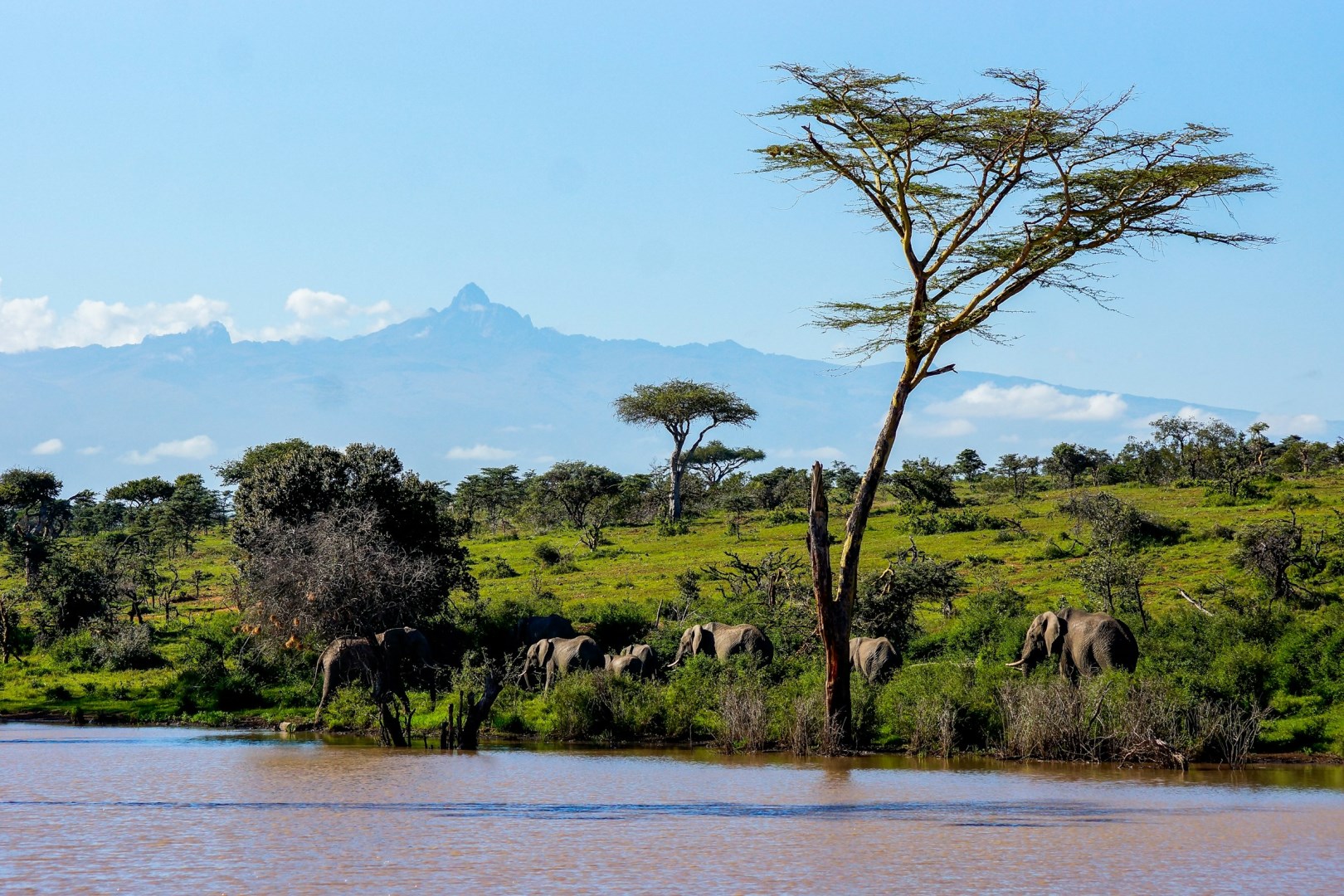
Laikipia Plateau
Laikipia Plateau is a highland region in central Kenya, lying between Mount Kenya and the northern Kenyan lowlands. Its broad grasslands, acacia woodland, rocky valleys, and volcanic soils create a varied landscape shaped by seasonal rainfall and altitude. Rather than being a single protected park, Laikipia is a mosaic of private conservancies, community lands, ranches, and farms.
