

Aalborg
Aalborg is the fourth largest city in Denmark and constitutes a natural center for the North Jutland region. In addition Aalborg is Denmark's largest conference center, outside Copenhagen. Aalborg has many cultural attractions which appeal to a wide variety of tastes; a varied night-life and more than 300 restaurants, bars and clubs.

Interlaken
Nestling cozily beneath the legendary triad of the Eiger, Mönch and Jungfrau mountains, Interlaken, 570 meters above sea level is a wondrous health resort and an international favorite. The superb mountainous scenery and gentle climate are ideal venues for virtually every leisure activity, all year round.

Las Vegas
Las Vegas, Nevada, is an electrifying city where glitz and glamour meet entertainment and excitement. Known as "The Entertainment Capital of the World," Las Vegas offers an unparalleled array of attractions, from its iconic casinos and luxurious hotels to its world-class dining and live shows. The city's entertainment scene is second to none, featuring legendary headliners, cutting-edge performances, and an array of themed attractions.
Mystic
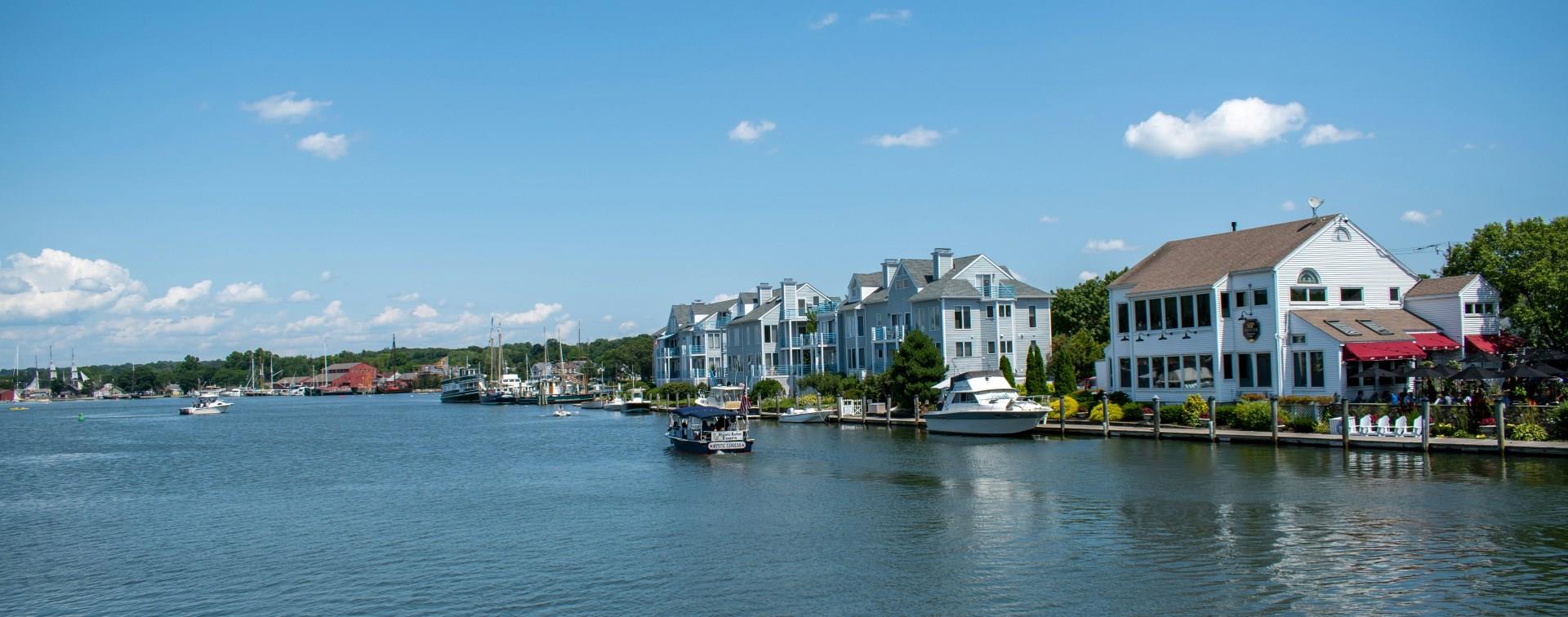
Mystic, Connecticut, is a small town with a big story, one shaped by shipbuilders, sea captains, and centuries of maritime tradition. Once a bustling shipbuilding center during the 18th and 19th centuries, Mystic still carries the soul of a working seaport. Today, visitors can explore its nautical past at the Mystic Seaport Museum, home to America’s last wooden whaleship, the *Charles W. Morgan*.
Great Exuma
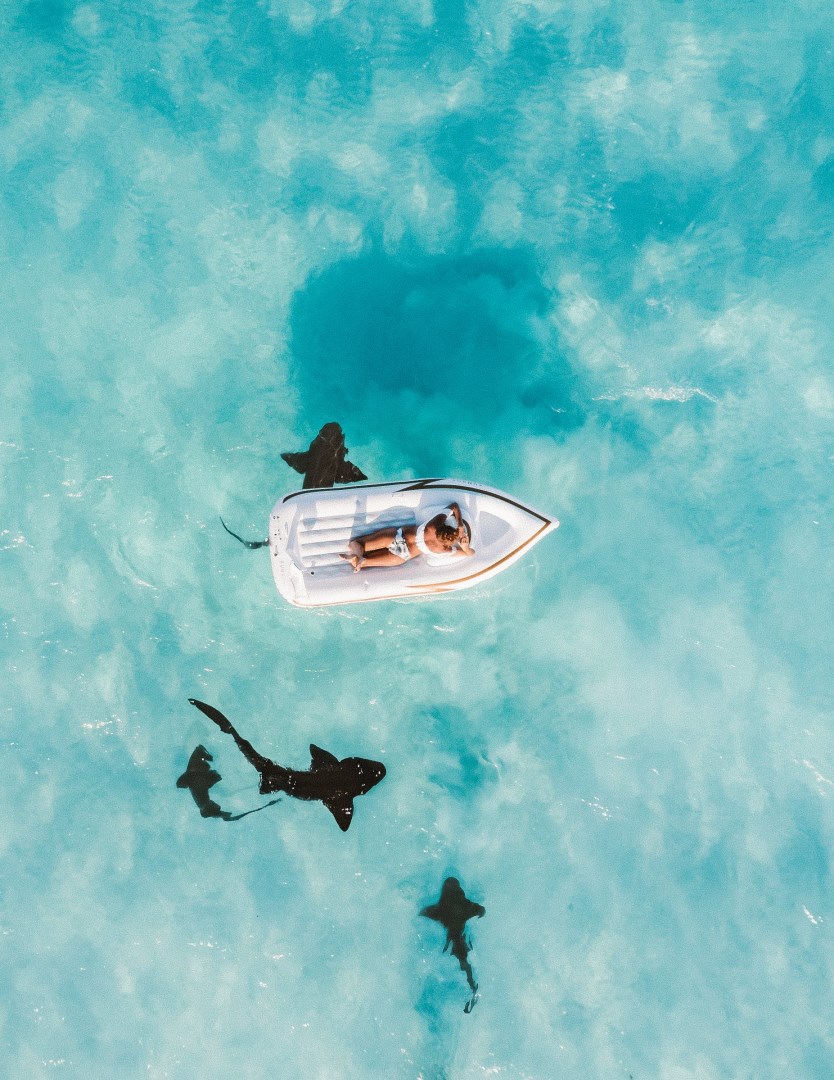
The Exumas are located in the middle of The Bahamas, yet remain mostly undisturbed. A collection of some 365 cays and islands stretching over 120 miles, The Exumas are supported at the far southern tip of the chain by two main islands, Great Exuma and Little Exuma.
