

Bay of Kotor
Enclosed by mountains, the Bay of Kotor is dotted with historic towns, medieval fortifications, and centuries-old churches, making it a must-visit location for travelers looking to explore a unique coastal landscape.
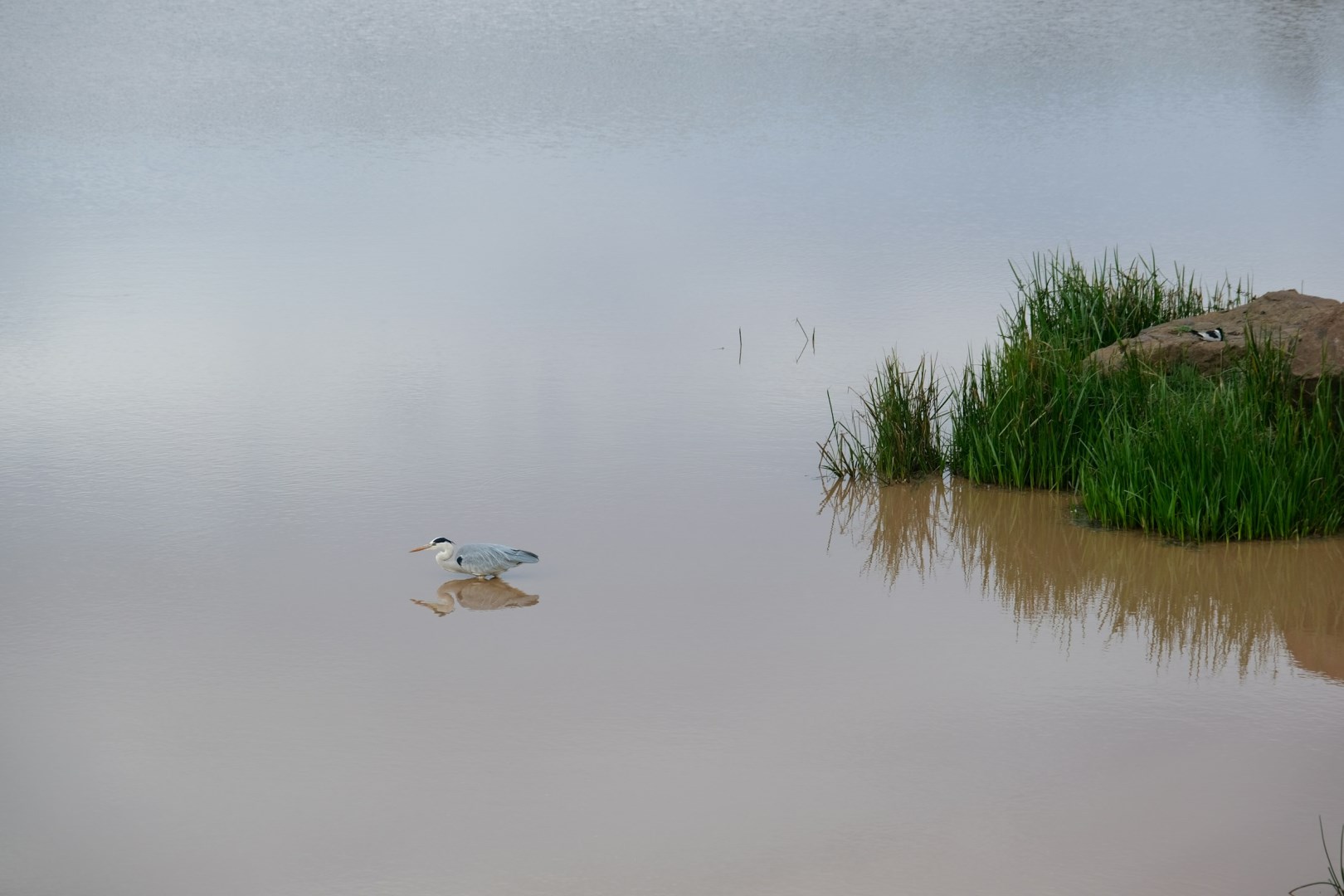
Aberdare National Park
Aberdare National Park is a 311 square mile sanctuary on an isolated volcanic massif which forms part of the eastern wall of the Rift Valley. Part of the larger forest reserve, the Aberdares are covered with a dense rainforest and provide spectacular views over the Rift Valley. Bird life is abundant with more than 200 species.
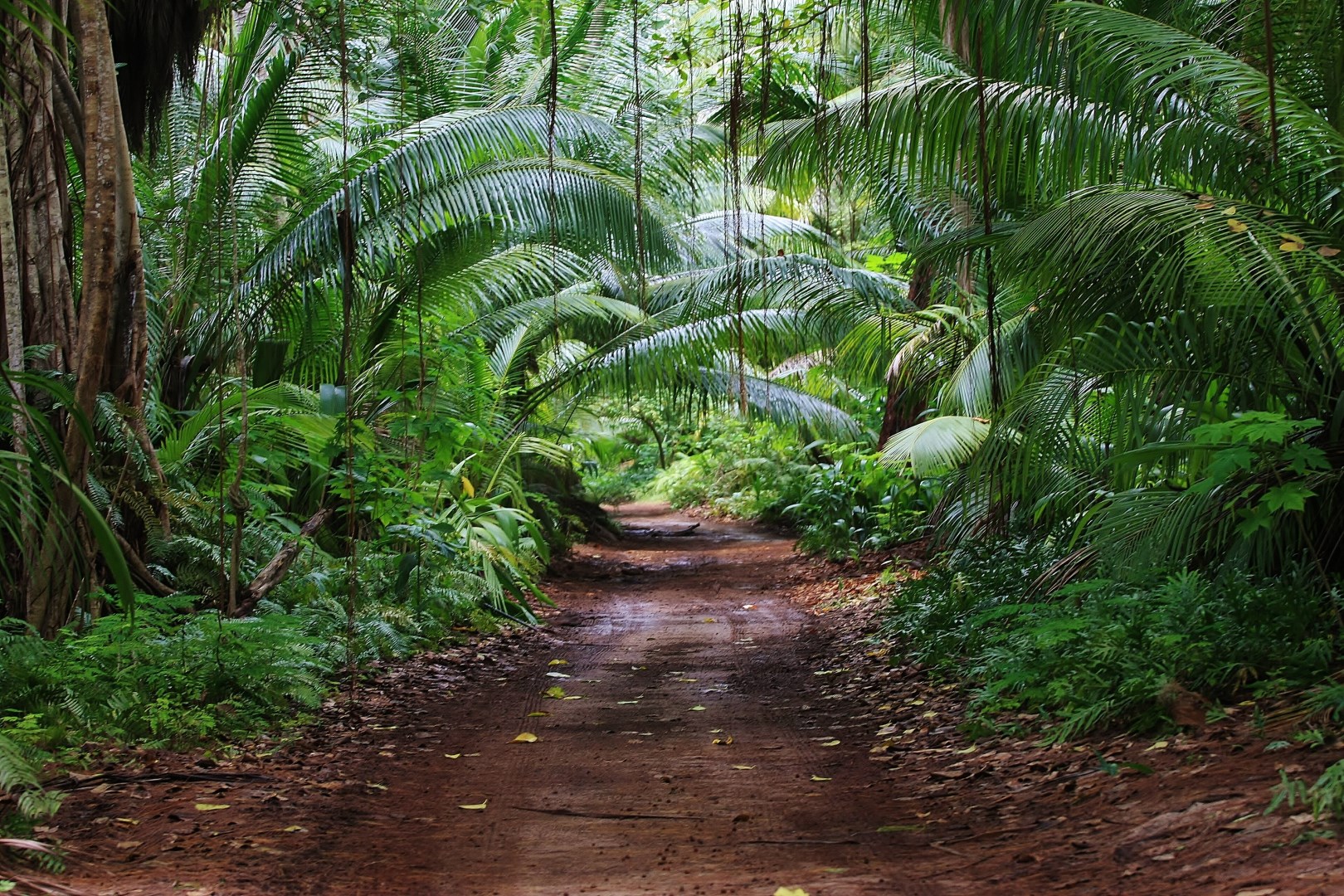
Denis Island
Denis Island, a hidden gem in the Seychelles, promises an exclusive tropical escape with its pristine landscapes and luxury offerings. Located 95 kilometers northeast of Mahé, the island is renowned for its unspoiled beaches and vibrant marine life. As one of the few privately-owned islands in the Seychelles, Denis Island offers a unique opportunity for travelers seeking both tranquility and indulgence.

Caudebec
Set along the Seine, Caudebec-en-Caux is notable for its dramatic Notre-Dame church and Maison des Templier (The Templars' House).

Marco Island
Located off the southwestern coast of Florida, Marco Island is a popular resort destination known for its boat-lined marinas and beautiful beaches, including Residents' Beach and Tigertail Beach. A variety of outdoor activities are at your disposal here, including paddle boarding, water skiing, kayaking, hiking, and golfing.
