
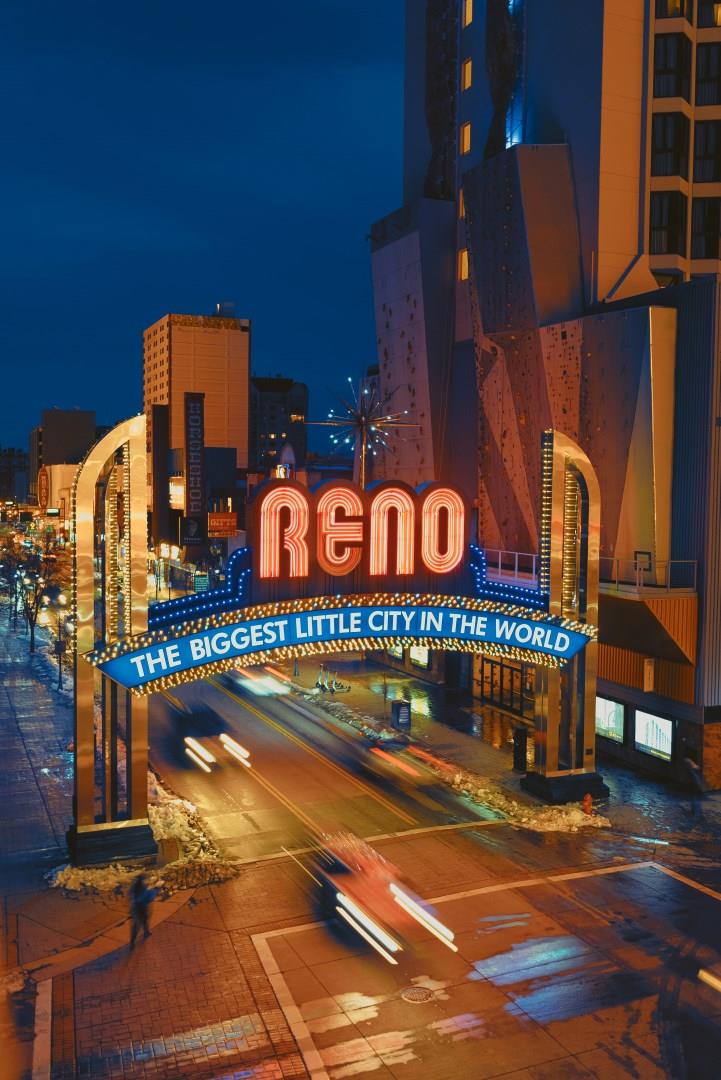
Reno
Reno, Nevada is known as “The Biggest Little City in the World” and has evolved well beyond its casino roots. Today, it’s a city where vintage neon signs share the skyline with vibrant murals and historic train depots sit beside riverside coffee shops. The Truckee River runs through downtown, anchoring the city with a scenic Riverwalk lined with public art, restaurants, and the sounds of rushing water.

Cachi
Cachi is a small mountain town in Argentina’s Salta Province, set in the northern Calchaquí Valleys at more than 2,000 meters above sea level. Its historic center has cobbled streets, raised sidewalks, adobe buildings, and a central square surrounded by traditional architecture. The town sits beneath the peaks of the Nevado de Cachi and among stands of tall cardon cacti, creating a distinctive highland landscape.

Surabaya
A booming city of over 3 million, Surabaya offers many good hotels, shopping centers and entertainment. Its well stocked zoological garden include several species of Indonesian fauna like "orang utan", komodo dragon and a collection of nocturnal animals.
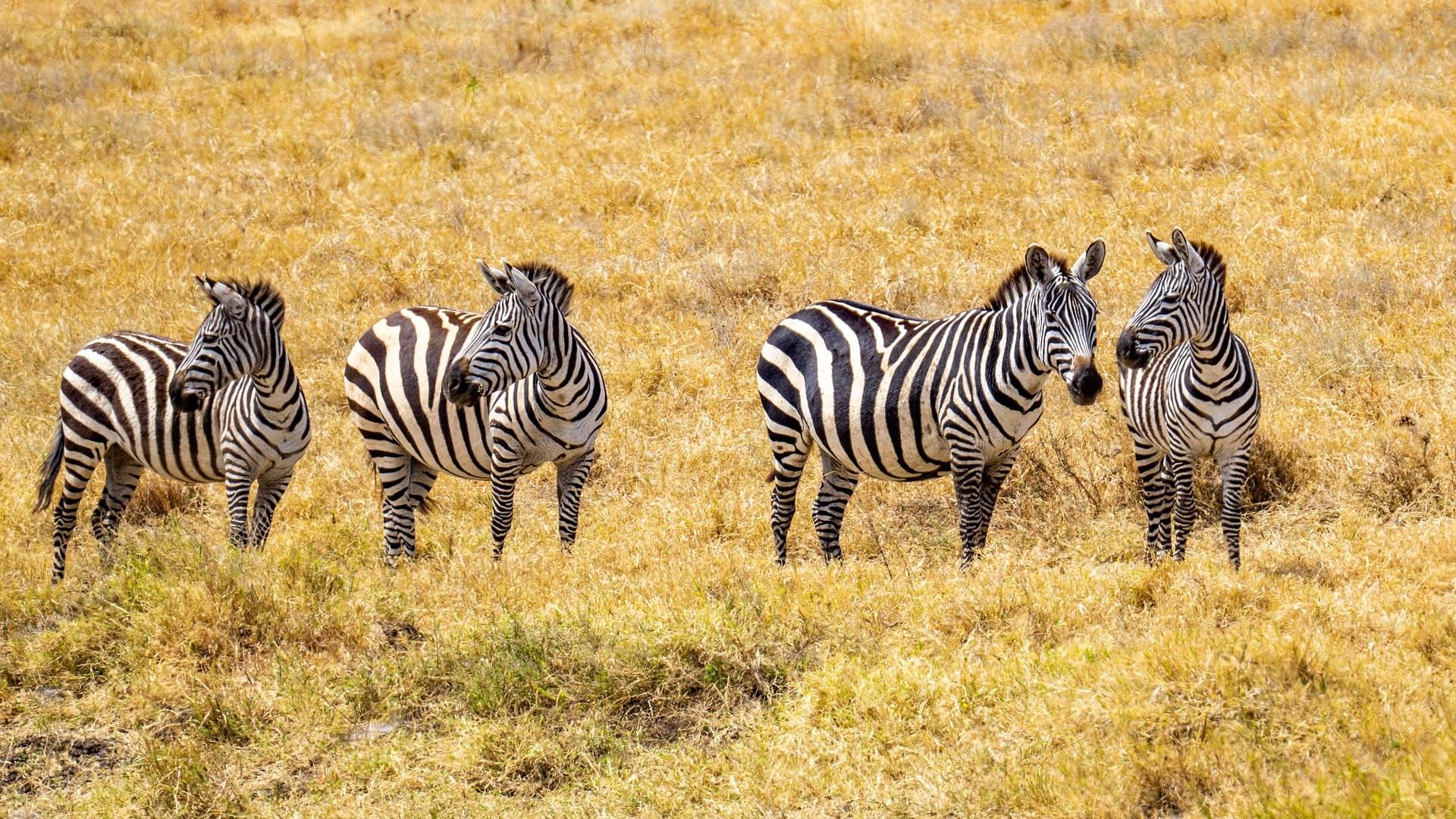
Tanzania
Tanzania, located in East Africa along the Indian Ocean, is a country of extraordinary landscapes and cultural diversity. It is home to Africa’s tallest peak, Mount Kilimanjaro, and vast plains such as the Serengeti, where wildlife roams freely across open savannas.
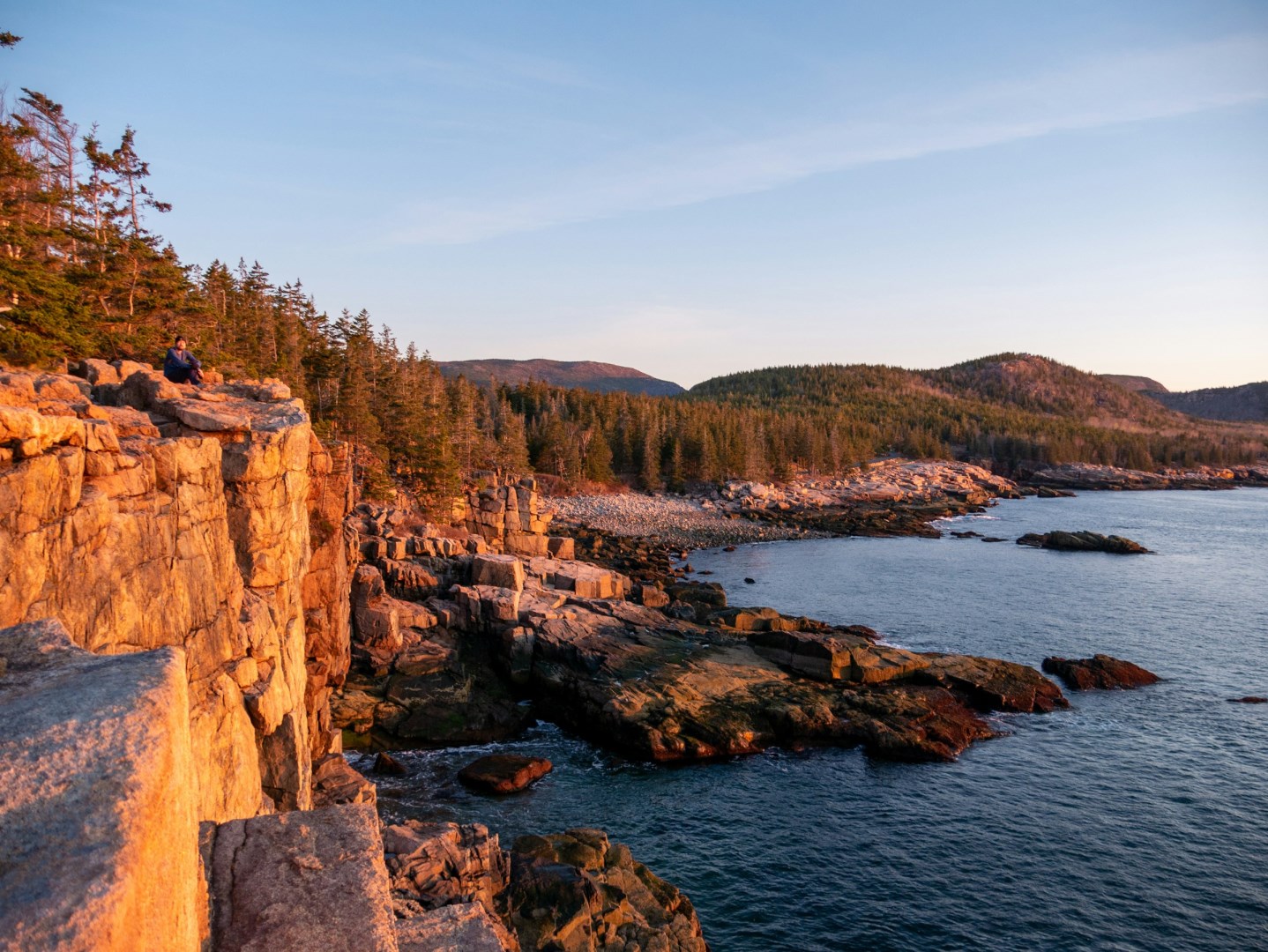
Acadia National Park
Acadia National Park in Maine is home to the highest point on the United States’ East Coast. The bay side town of Bar Harbor, with its restaurants and shops, is a popular gateway to this 47,000-acre national park filled with dramatic, breathtaking scenery.
