

Berne
The superb city of medieval magic is the capital of Switzerland. Explore the magnificent museums filled with art treasures; enjoy the famous Berne Symphony Orchestra or visit the cozy, historical basement pubs, Kellerlokale.
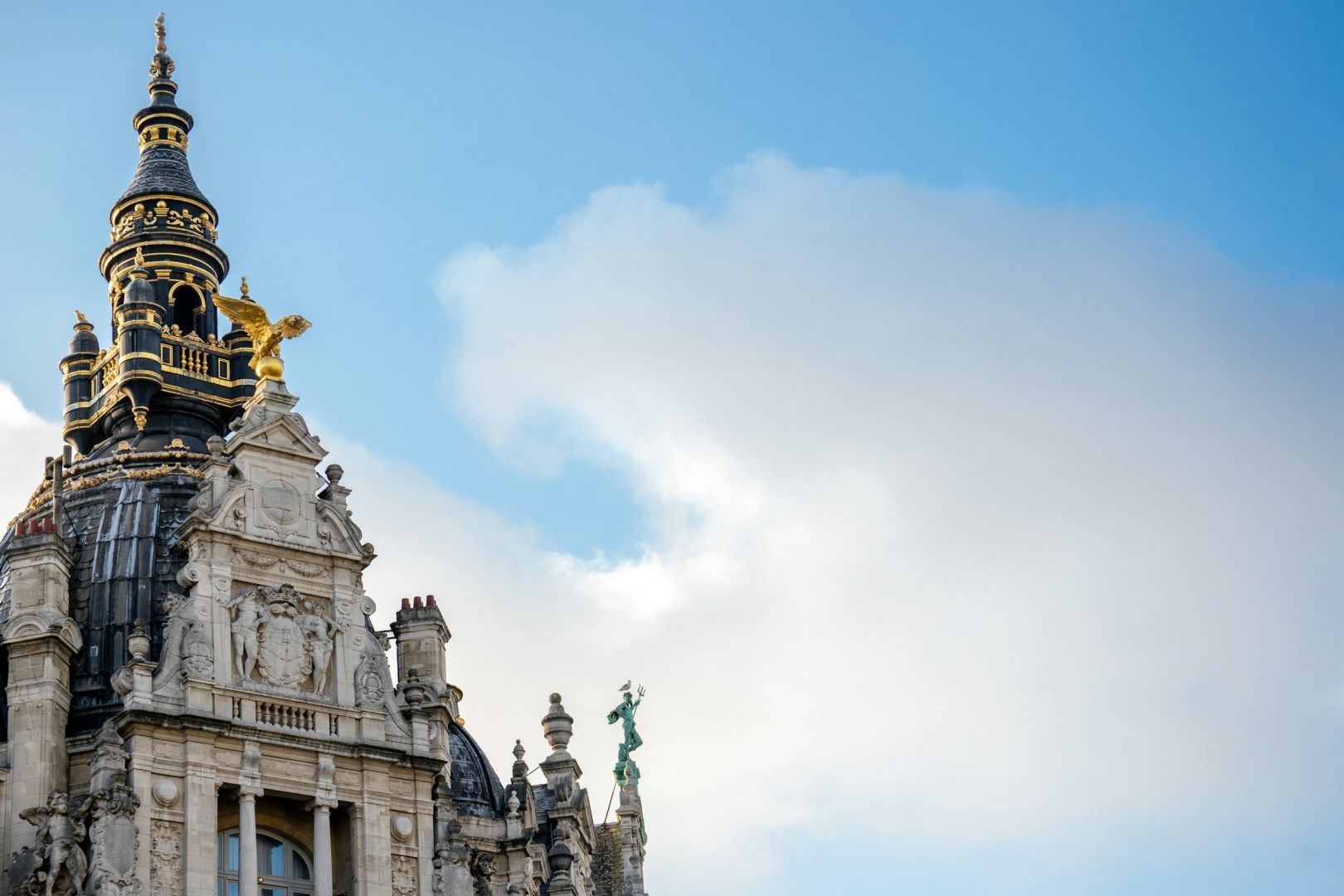
Antwerp
A major port city on the River Scheldt, Antwerp, Belgium, is a cultural, historical, and commercial hub and the country's most populous city. Known as the "diamond capital of the world," Antwerp is renowned for its cut diamonds.
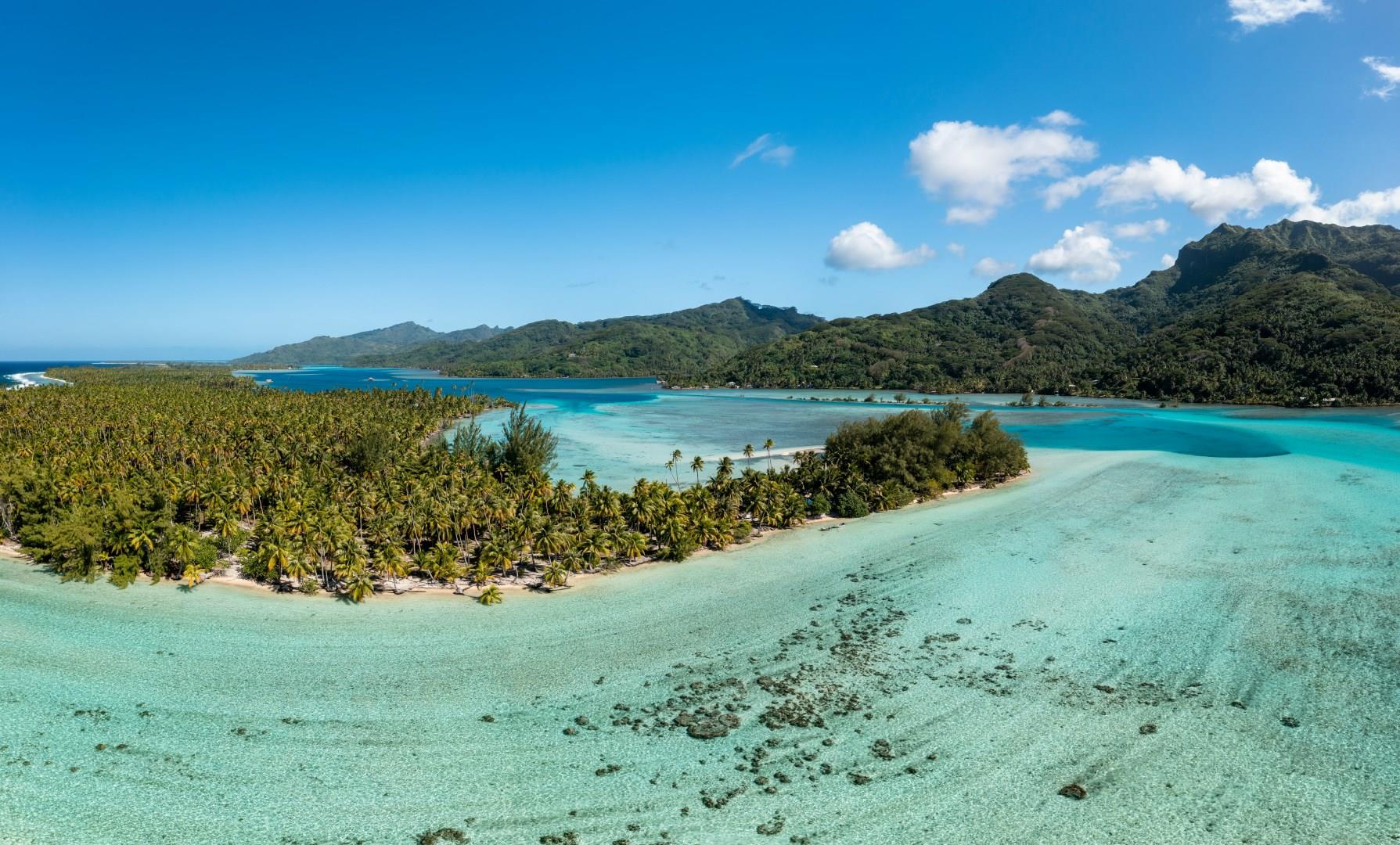
Huahine Island
Huahine Island, a gem in French Polynesia, invites travelers to experience a tranquil paradise infused with cultural richness and natural splendor. Often referred to as the "Garden of Eden," this lush island is renowned for its stunning landscapes and serene ambiance. With its dramatic volcanic peaks, crystal-clear lagoons, and pristine beaches, Huahine offers a perfect escape for those seeking both adventure and relaxation.
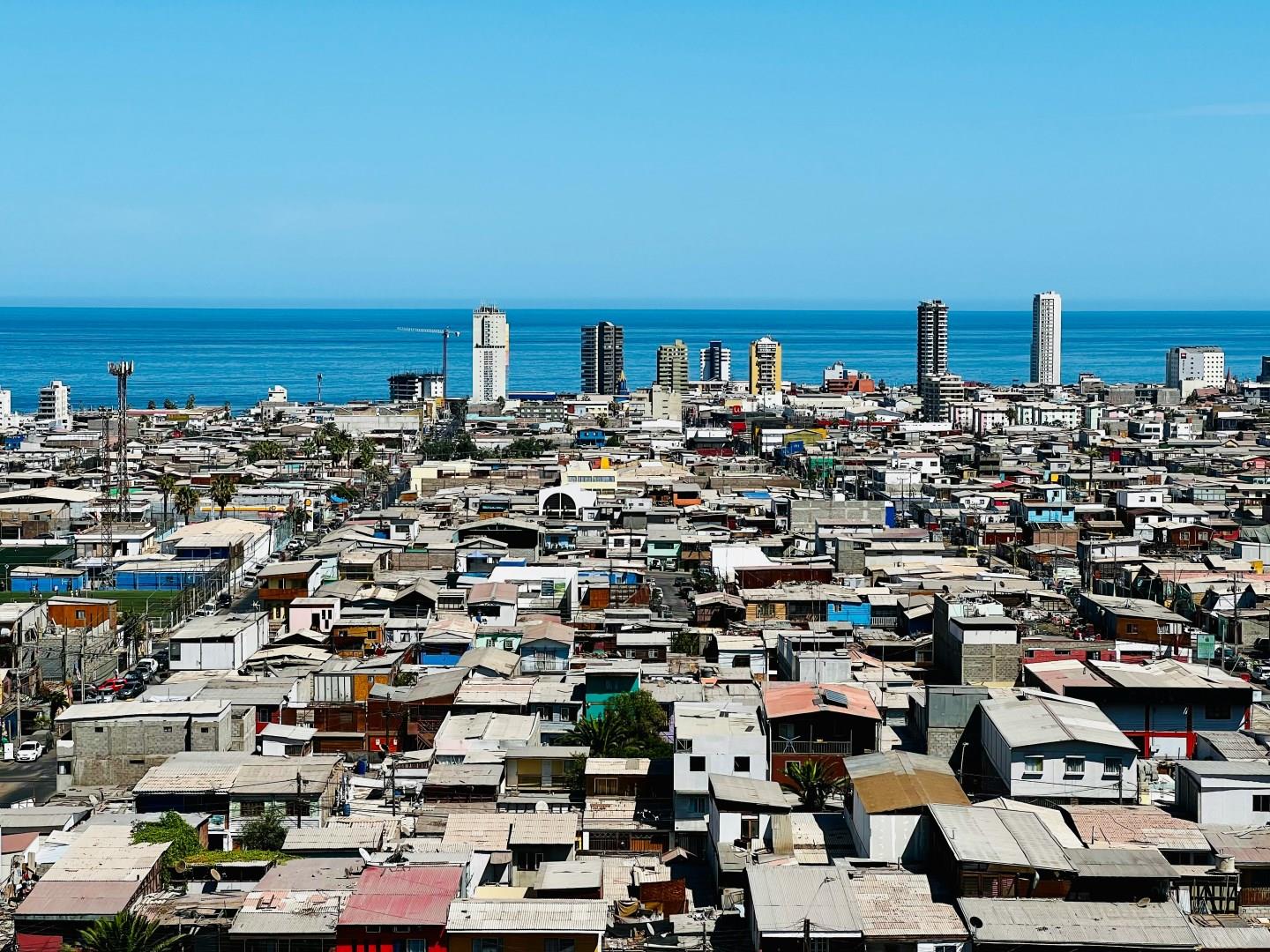
Iquique
Iquique, perched between the Pacific Ocean and the sweeping sand dunes of the Atacama Desert, offers more than just sun and surf. This coastal city in northern Chile is a duty-free port, drawing visitors with its unique blend of high-end shopping, historic districts, and adrenaline-filled adventures. Whether wandering along the palm-lined Baquedano Boulevard or gliding down the towering sand dunes on a sandboard, Iquique surprises at every turn.

Chefchaoeun
Chefchaouen, a picturesque city nestled in the Rif Mountains of northern Morocco, is renowned for its stunning blue-painted streets and buildings. Founded in 1471, Chefchaouen's medina—a maze of narrow, winding streets—is one of its most enchanting features, where every corner reveals a splash of blue, creating a serene and photogenic atmosphere. T
