
Ittoqqortoormiit
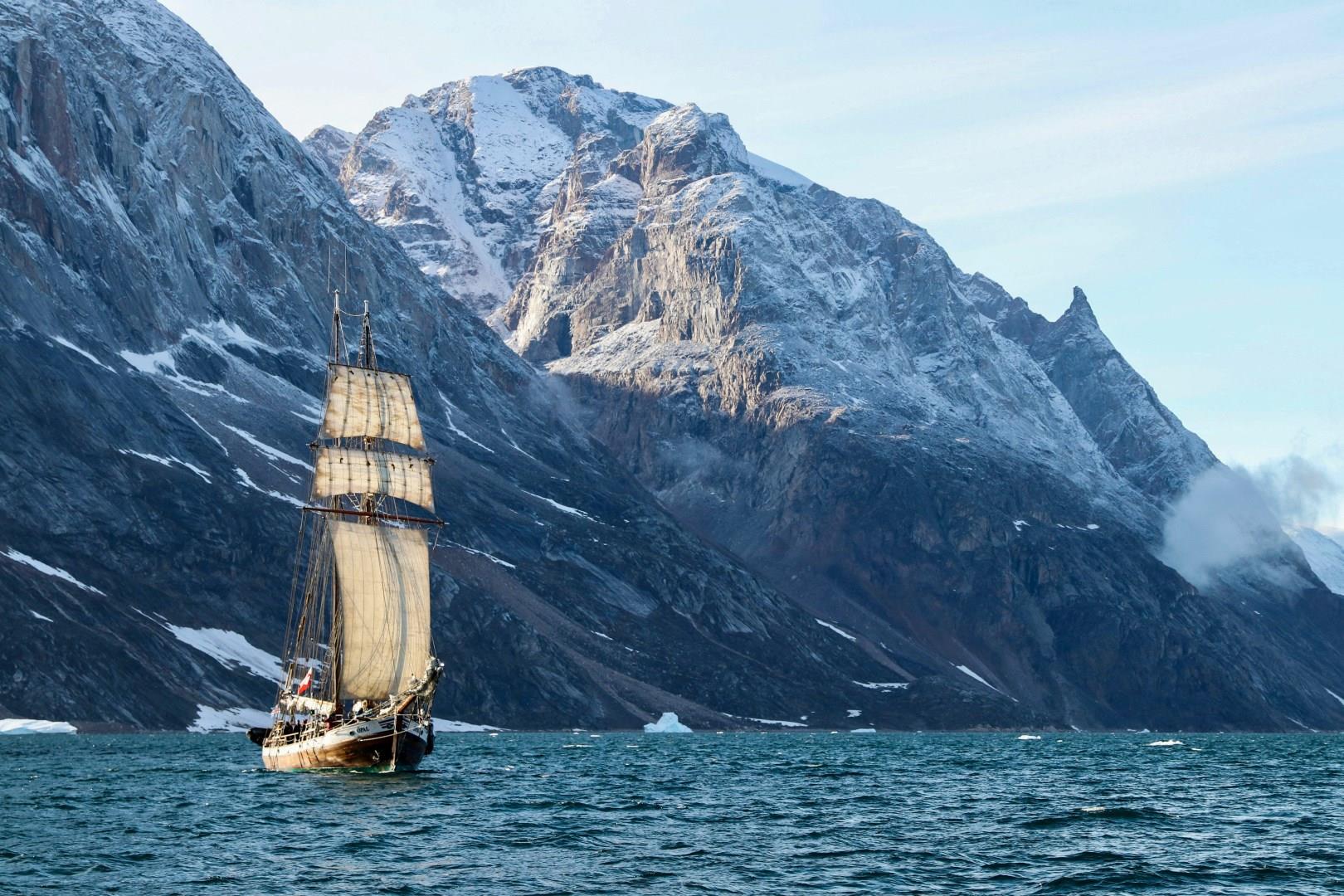
Welcome to Ittoqqortoormiit, where the stark beauty of the Arctic landscape meets a rich Inuit heritage. Located at the edge of the Scoresby Sound fjord system, this remote town offers a rare glimpse into life above the Arctic Circle. With a population of around 350 residents, Ittoqqortoormiit is a haven for those seeking solitude and adventure. Visit the Scoresby Sound to marvel at its spectacular fjords and towering cliffs, a natural wonder that’s a must-see for nature enthusiasts.

Denmark
Denmark is a country shaped by water, wind, and centuries of human ingenuity. In places like Roskilde, visitors can see five original Viking ships at the Viking Ship Museum and even try rowing a replica longboat across the fjord. In Copenhagen, the harbor once used by merchants and sailors now welcomes swimmers, kayakers, and ferries, with historic warehouses repurposed into restaurants and museums.
Mendoza
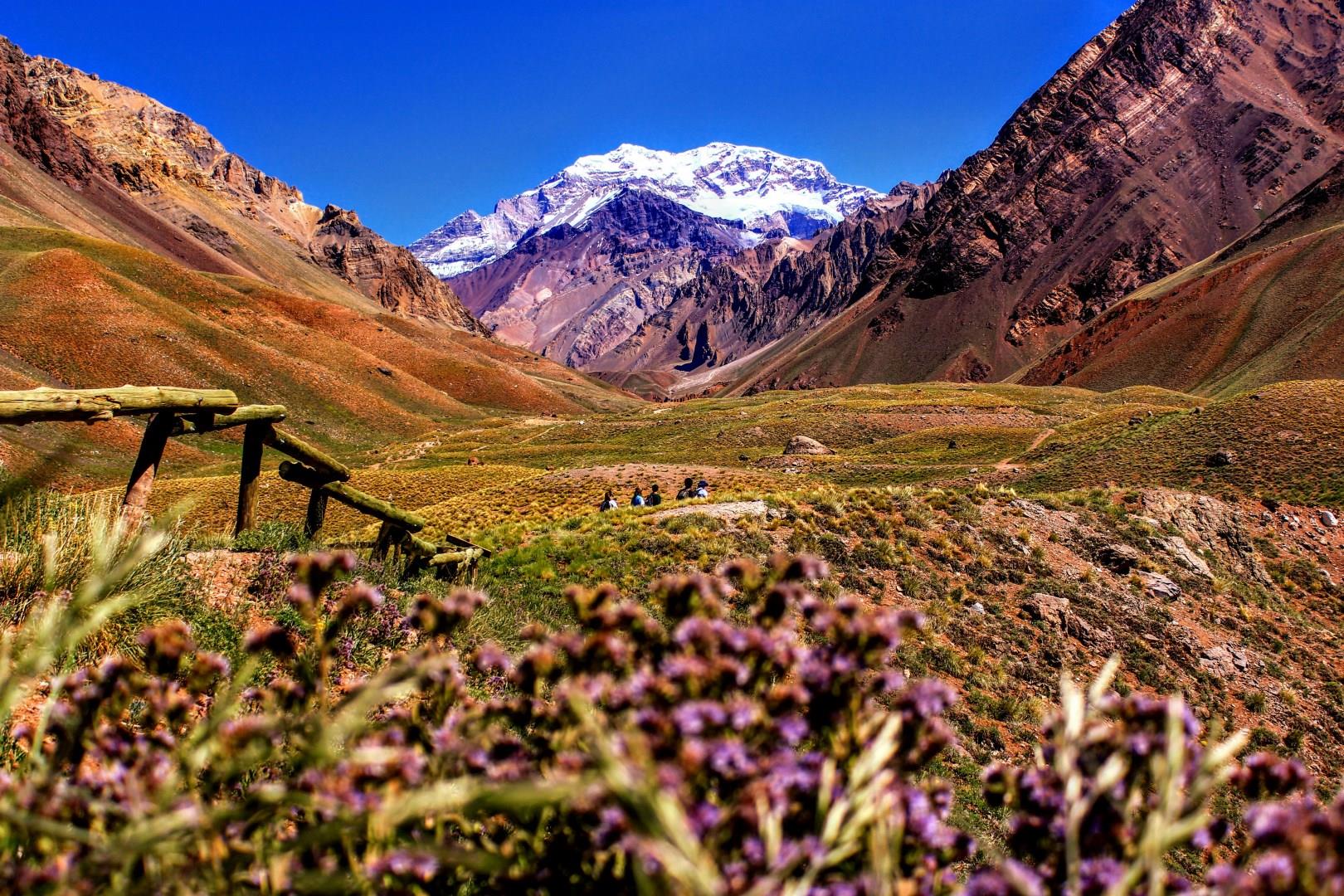
Mendoza sits at the base of the Andes in western Argentina, where sun-drenched plains meet snow-capped peaks.
Huntsville
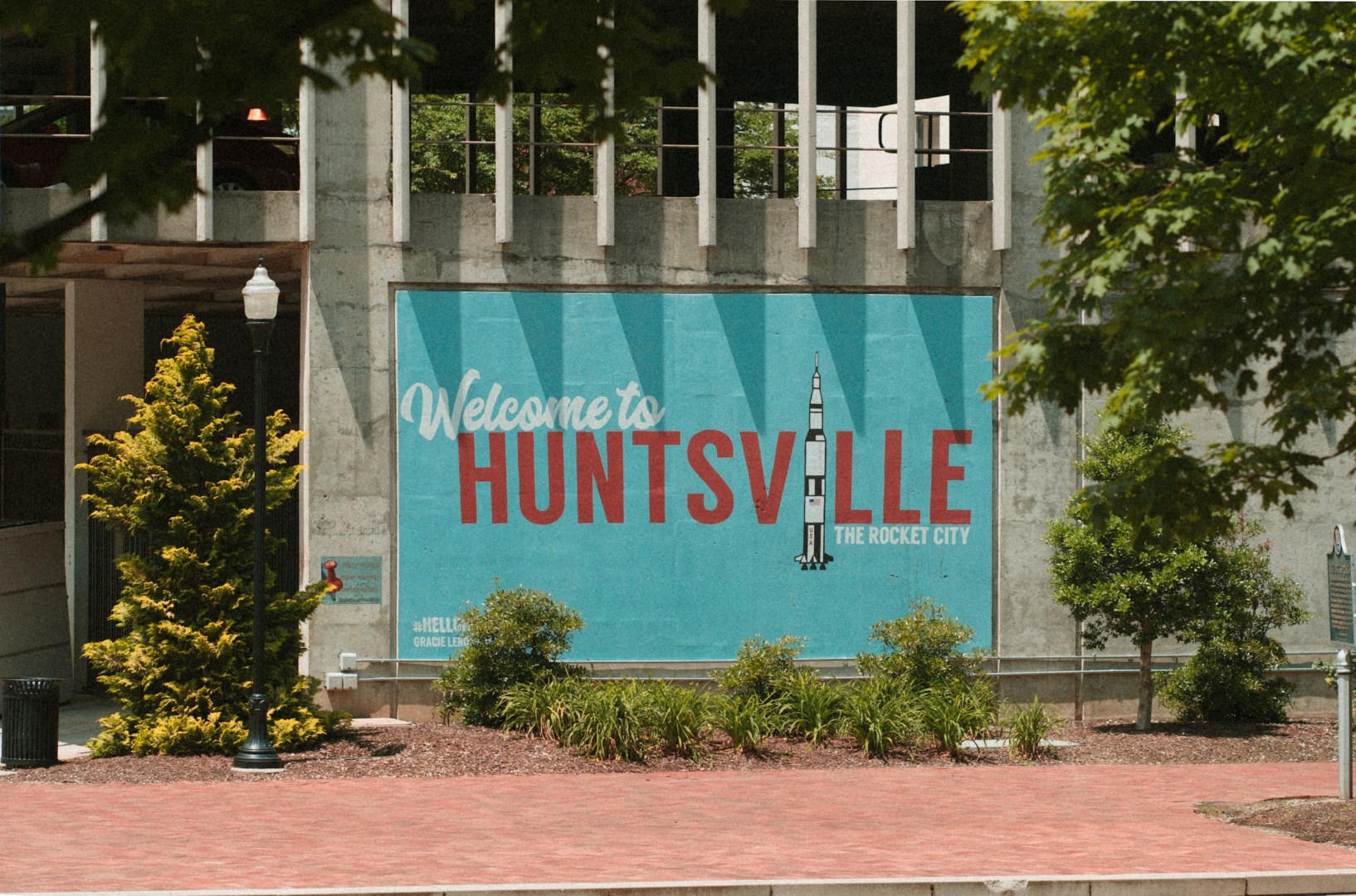
Decatur has some of the South's finest free museums, educational facilities and historical sites. Study a variety of animals, birds and minerals at Cook's Natural Science Museum. The South's largest centerThe earth's largest space museum is only minutes away at the U.S and Rocket Center. History comes alive at the home of Civil War General Joe Wheeler. For fun, visit Point Mallard Park, a 750 acre park featuring America's first wave pool, water slides and putt-putt golf.
Kota Kinabalu (Borneo)
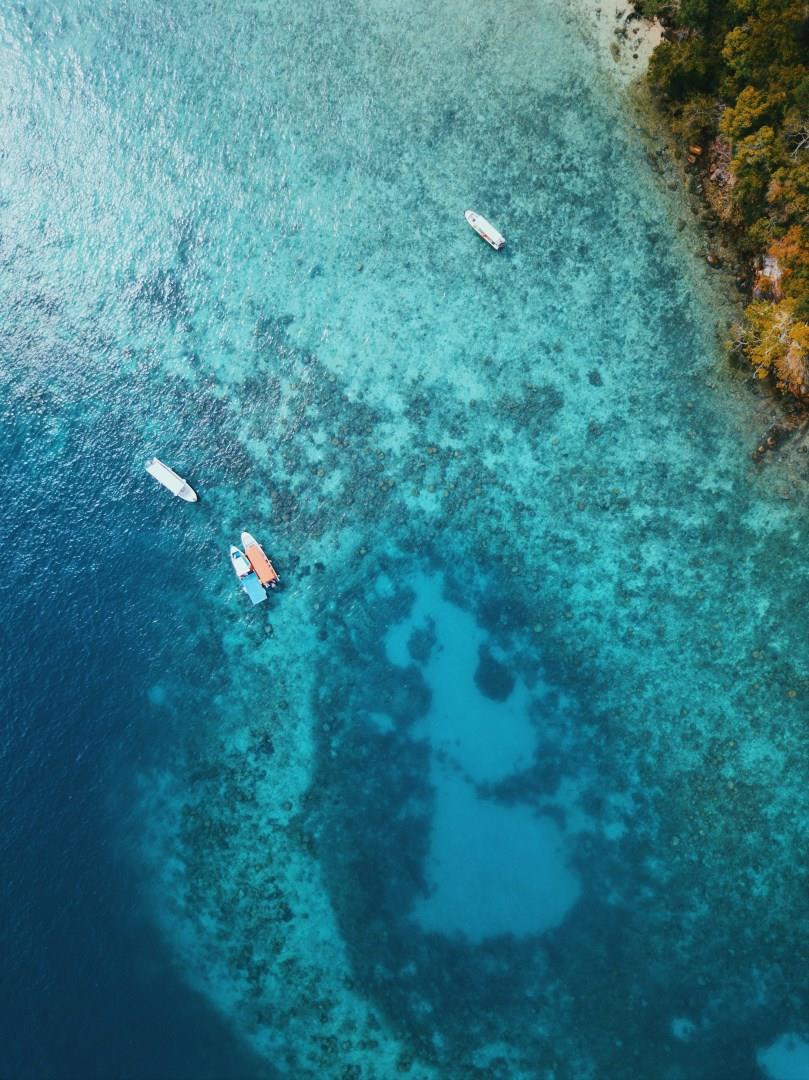
Kota Kinabalu, the capital of Sabah on the island of Borneo, is a vibrant city where modern life meets wild landscapes. Overlooking the South China Sea and backed by lush rainforests and mountains, it serves as both a cultural hub and a gateway to Borneo’s extraordinary biodiversity.
