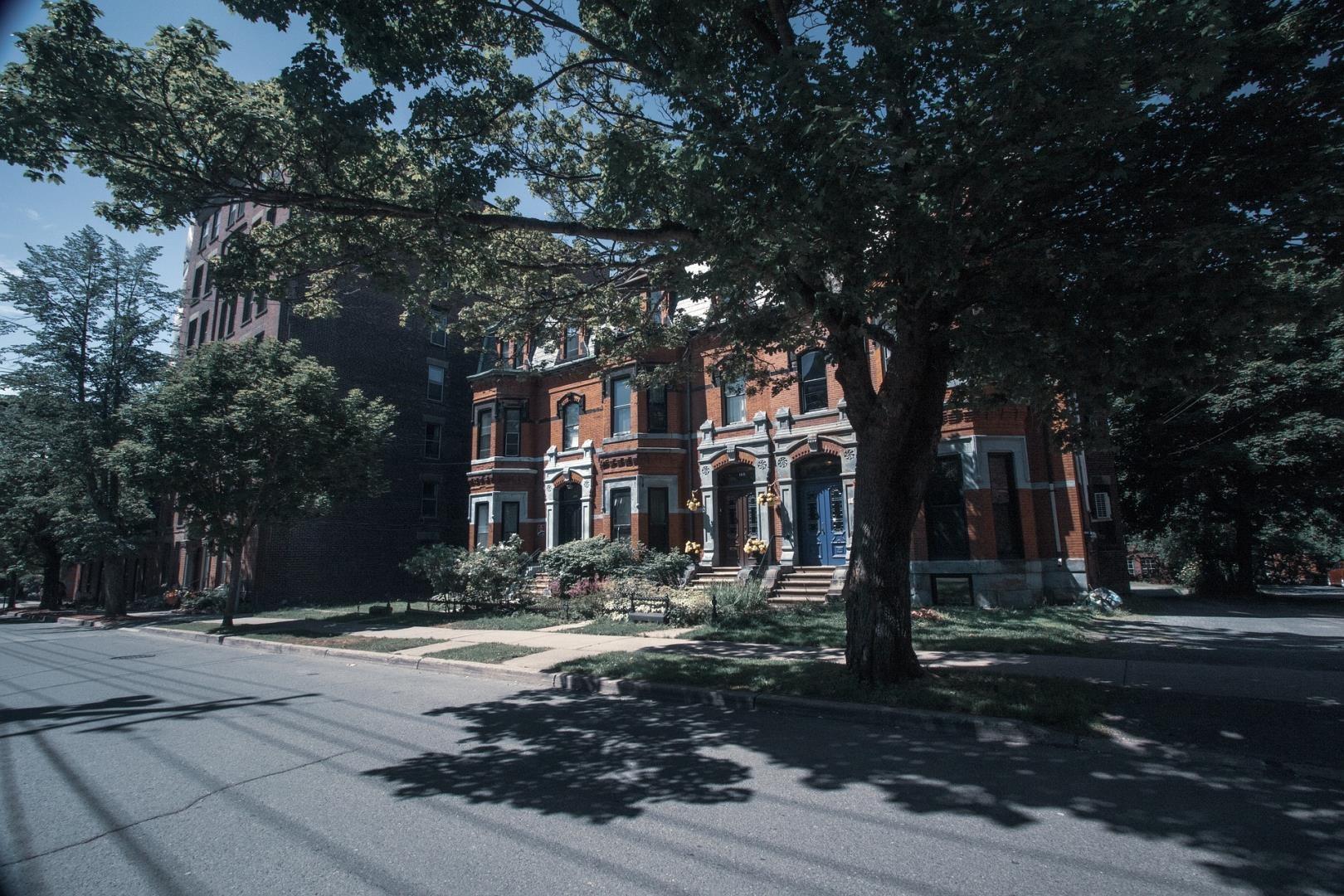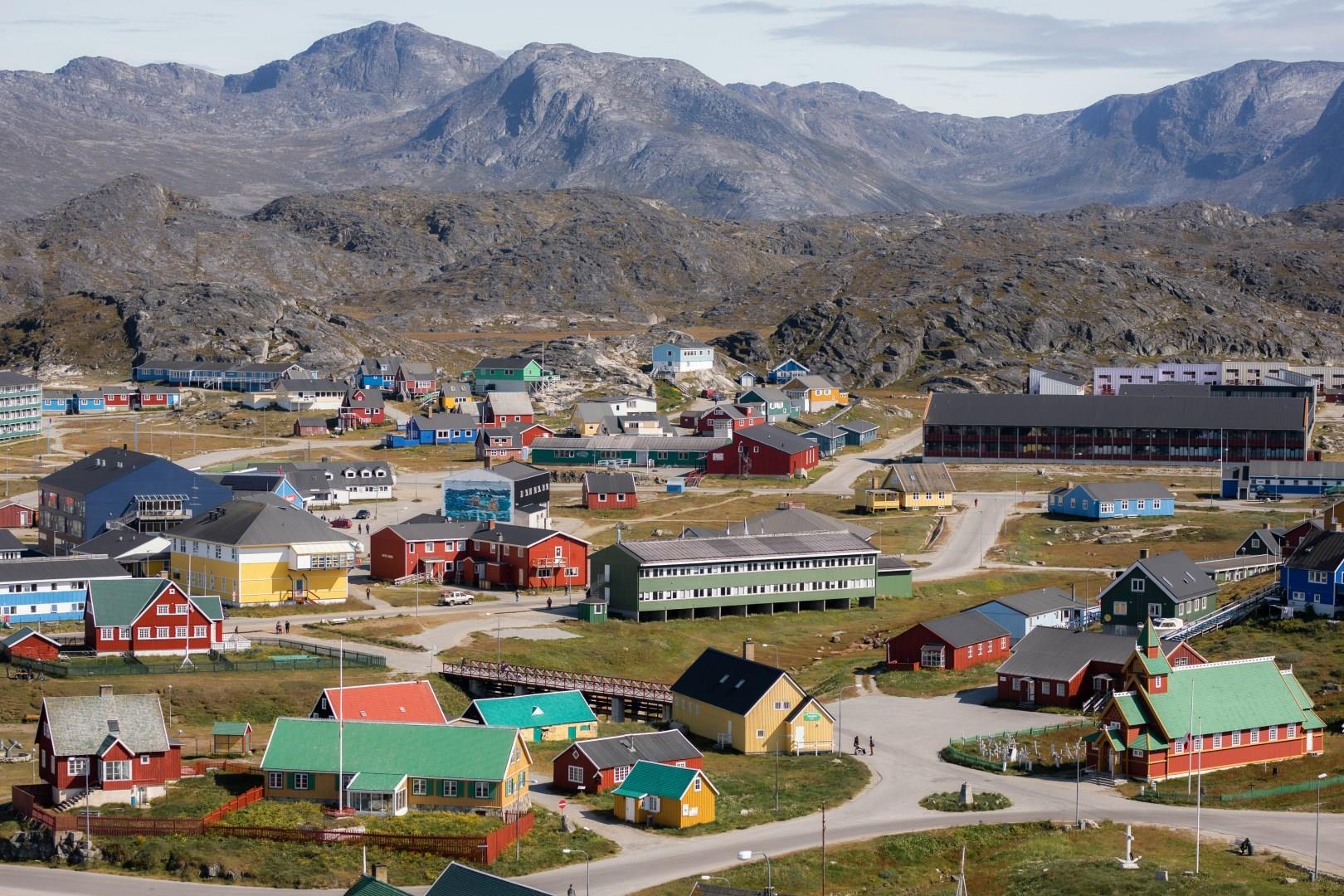
Paamiut
Paamiut lies on Greenland’s southwest coast, where the Labrador Sea meets a rocky, fjord-cut shoreline. Established in the 18th century as a Danish trading post and mission, the town developed around fishing and sealing, activities that continue to shape daily life.
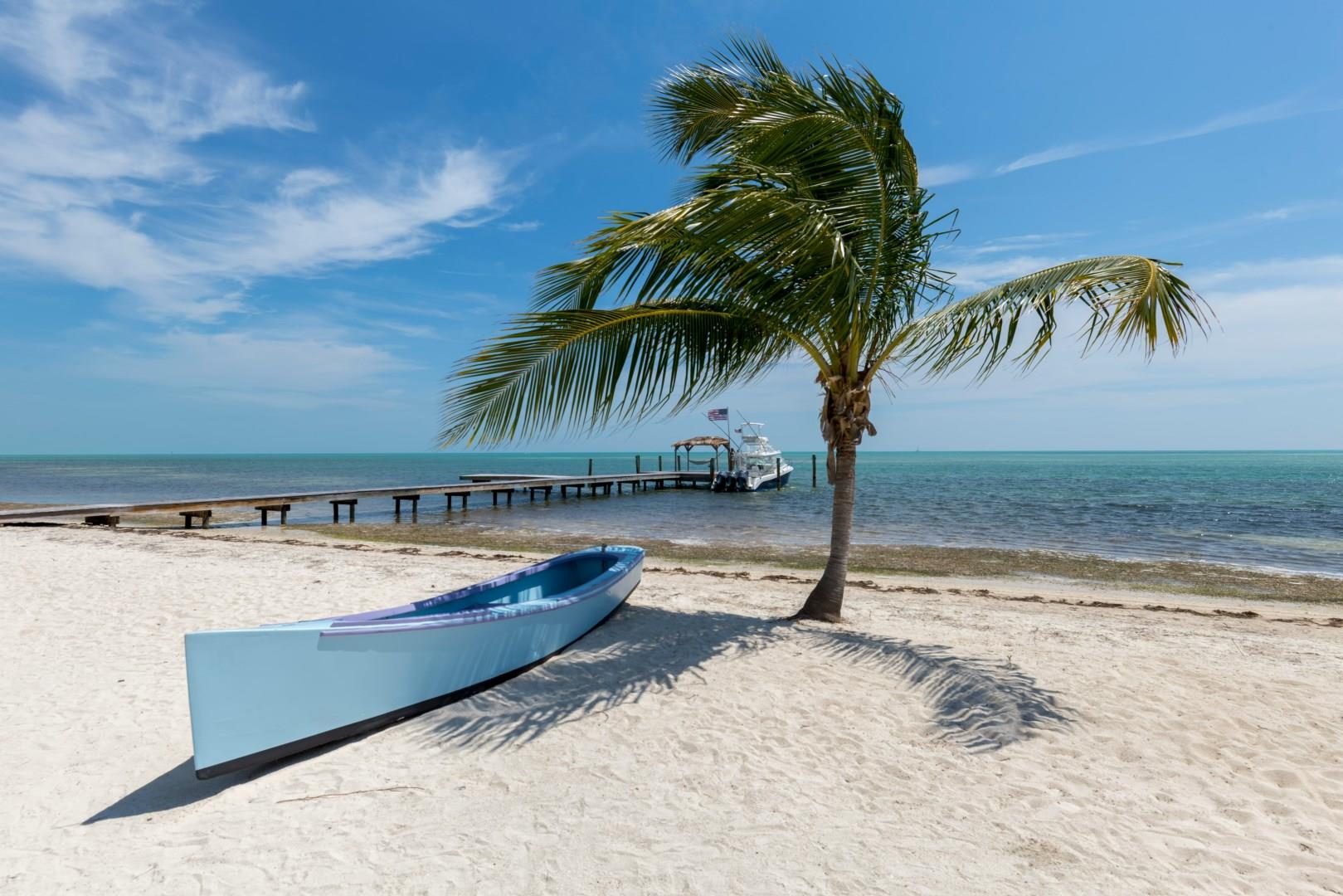
Islamorada
Islamorada, located in the Florida Keys, is a chain of islands often referred to as the “Village of Islands.” Known for its turquoise waters, coral reefs, and vibrant fishing culture, it is a premier destination for anglers, snorkelers, and divers.

Natchez
Natchez is a river city in southwestern Mississippi overlooking the Mississippi River bluffs near the Louisiana border. It is recognized for its large collection of preserved antebellum homes, brick streets, and long connection to river trade.

Prizren
Prizren, nestled in the picturesque valley of the Sharr Mountains in Kosovo, is a city where history and culture converge in a remarkably scenic setting. Known for its well-preserved Ottoman architecture, Prizren offers a rich tapestry of historical sites, including the iconic Sinan Pasha Mosque and the ancient Kaljaja Fortress, which overlooks the city from its commanding hilltop.
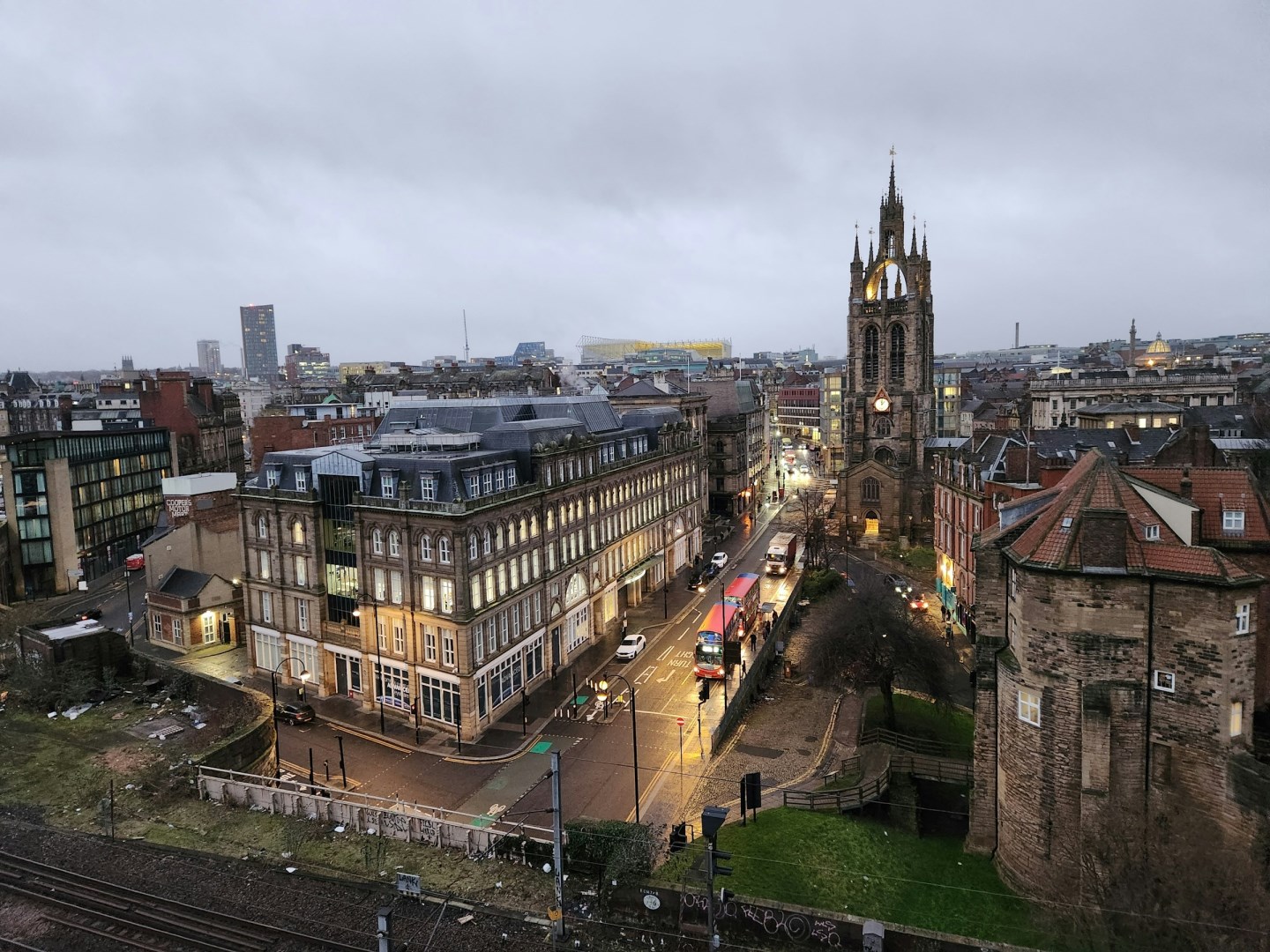
Newcastle
There's nowhere else like it in Britain. Once you reach Newcastle you know you've arrived. By road or rail - all at once everything drops from view except the Tyne Bridge. An impressive sight, the bridge is the symbol of Newcastle the world over.