
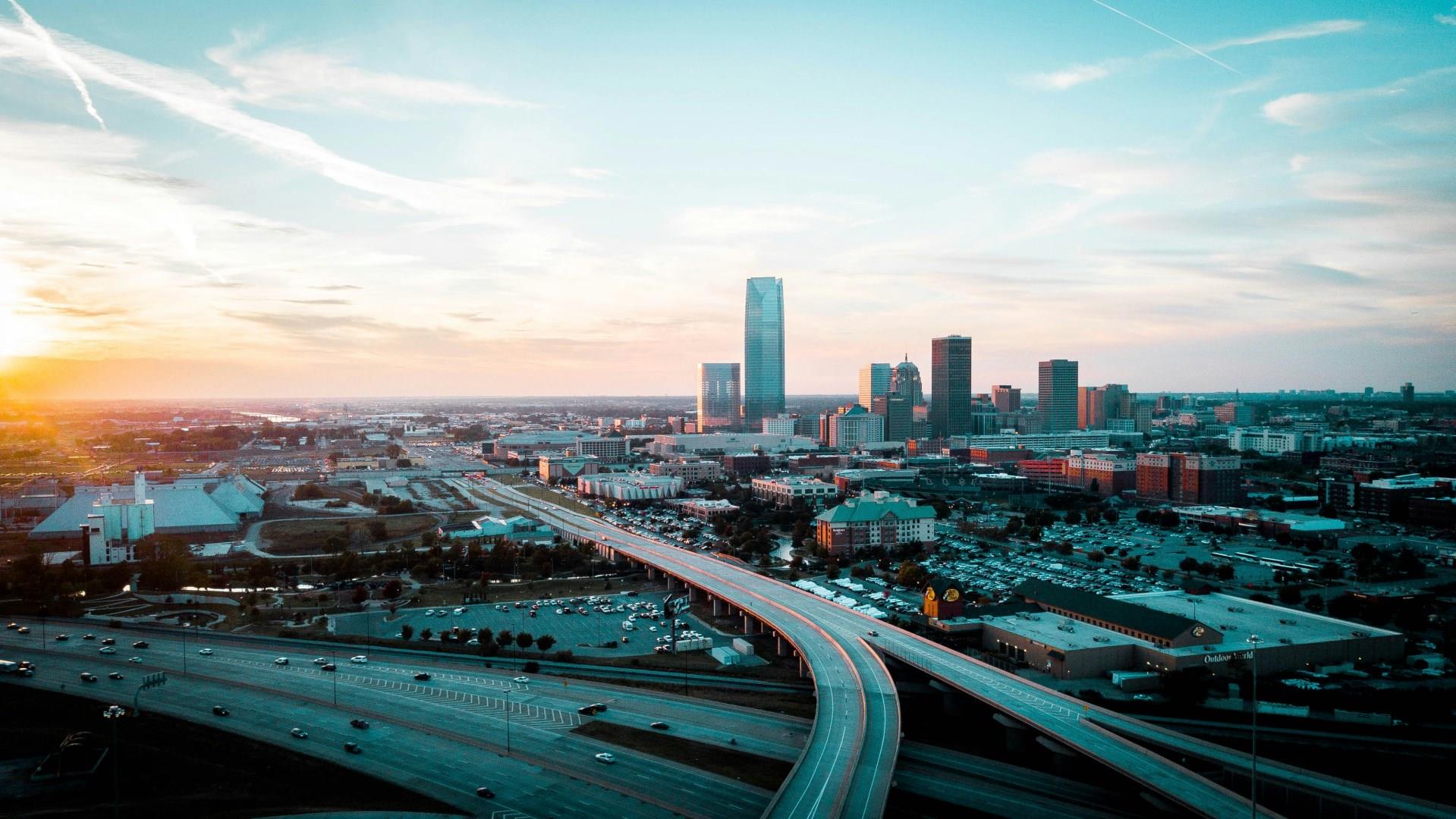
Oklahoma City
Oklahoma City stands at the crossroads of Western tradition and modern energy. It’s a place where cowboy boots walk into sleek coffee shops, and horse shows take place just a few miles from contemporary art galleries. A good starting point is the National Cowboy & Western Heritage Museum, home to one of the largest collections of Western art and artifacts in the world.
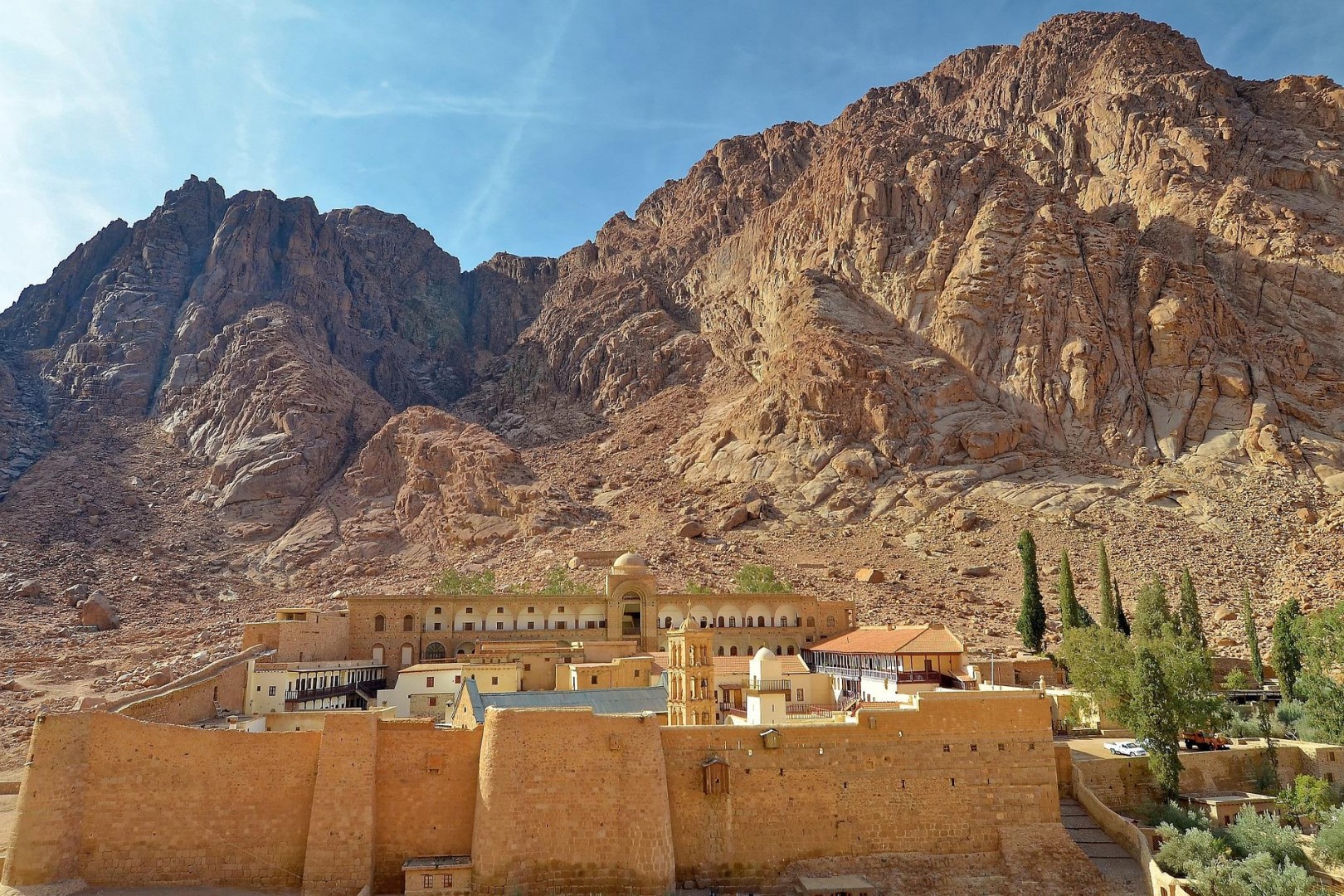
St. Catherine's Monastery
St. Catherine's Monastery, nestled at the foot of Mount Sinai in Egypt, is a beacon of historical and spiritual significance. Founded in the 6th century by Emperor Justinian, this ancient monastery is one of the world's oldest continuously operating Christian monasteries and is a UNESCO World Heritage Site.
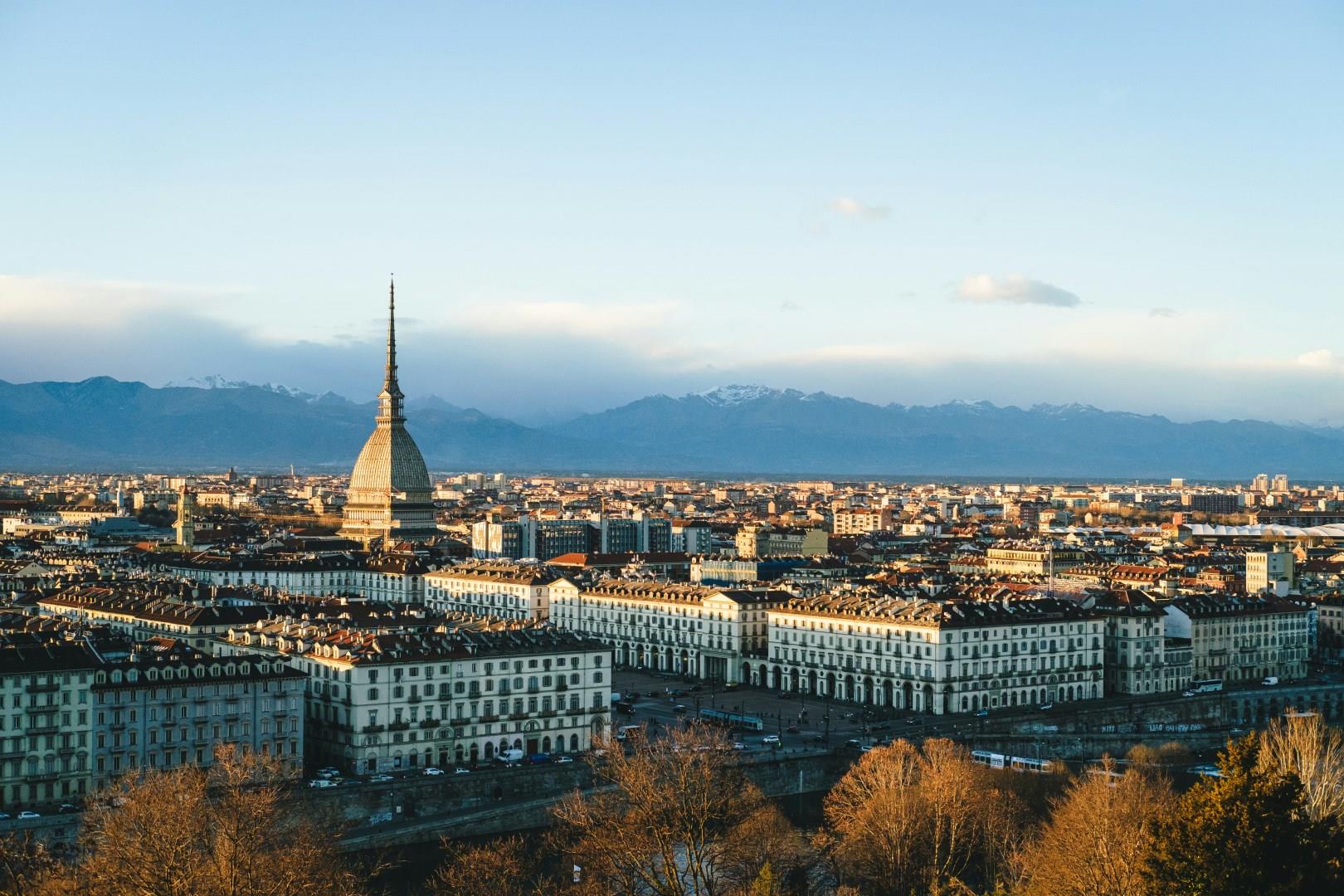
Turín
Turin carries a regal atmosphere reflected in its palaces, wide boulevards, and arcaded streets. Its history as a political and cultural powerhouse is still evident today, while its role as the birthplace of Fiat underscores its influence on modern industry.
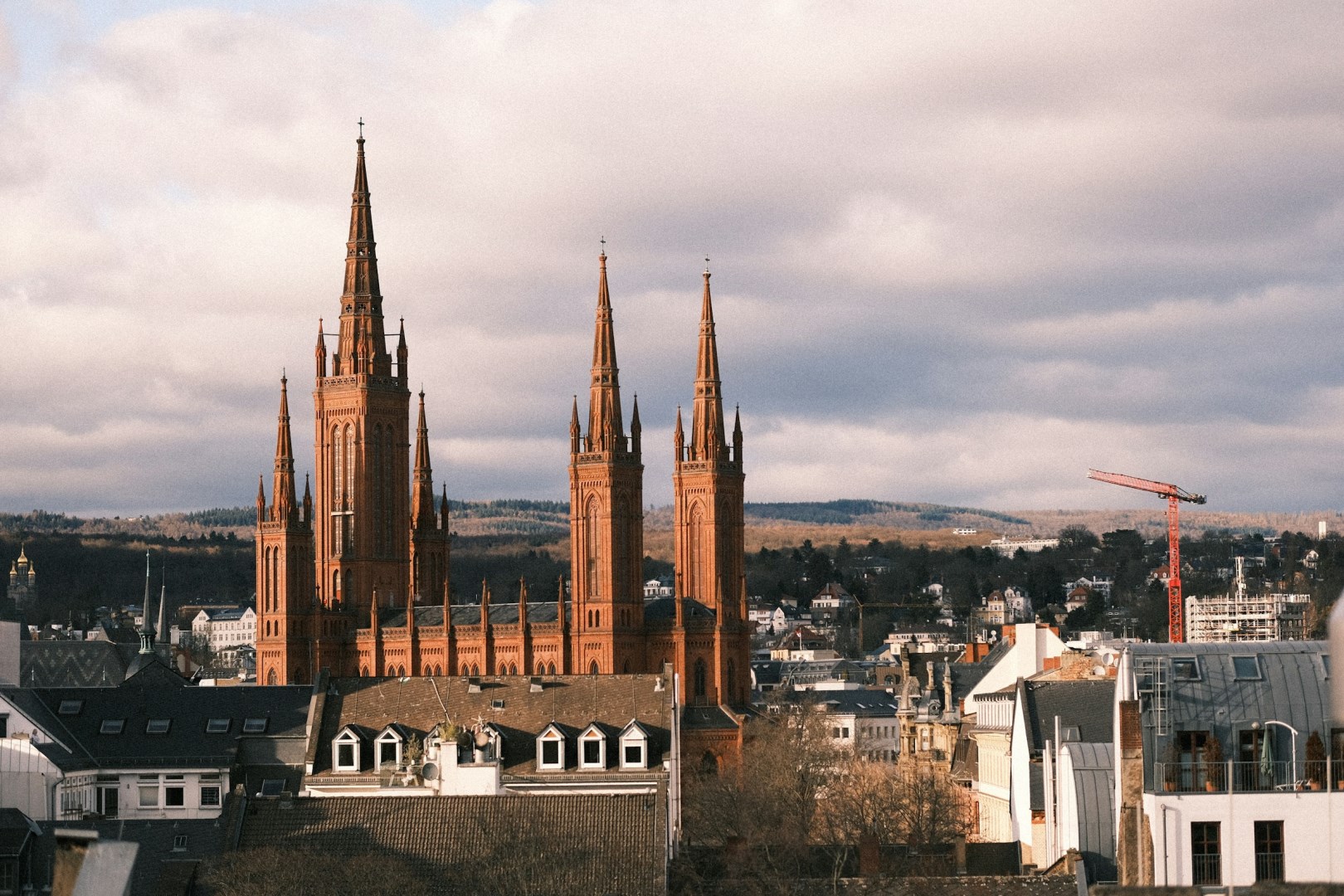
Wiesbaden
Wiesbaden is located in west central Germany at the southern foot of the Taunus Mountains, on the Rhine River, near Frankfurt. It is popular for its 26 hot mineral springs and mild climate and tourism is vital to the local economy. Wiesbaden is a cultural center; places of interest are the former royal and ducal residences; the Kurhaus with its casino and its concert halls; the Colonnade, remnants of a Roman wall known as the Heidenmauer ("heathens' wall"); and the Hessian State Theater.
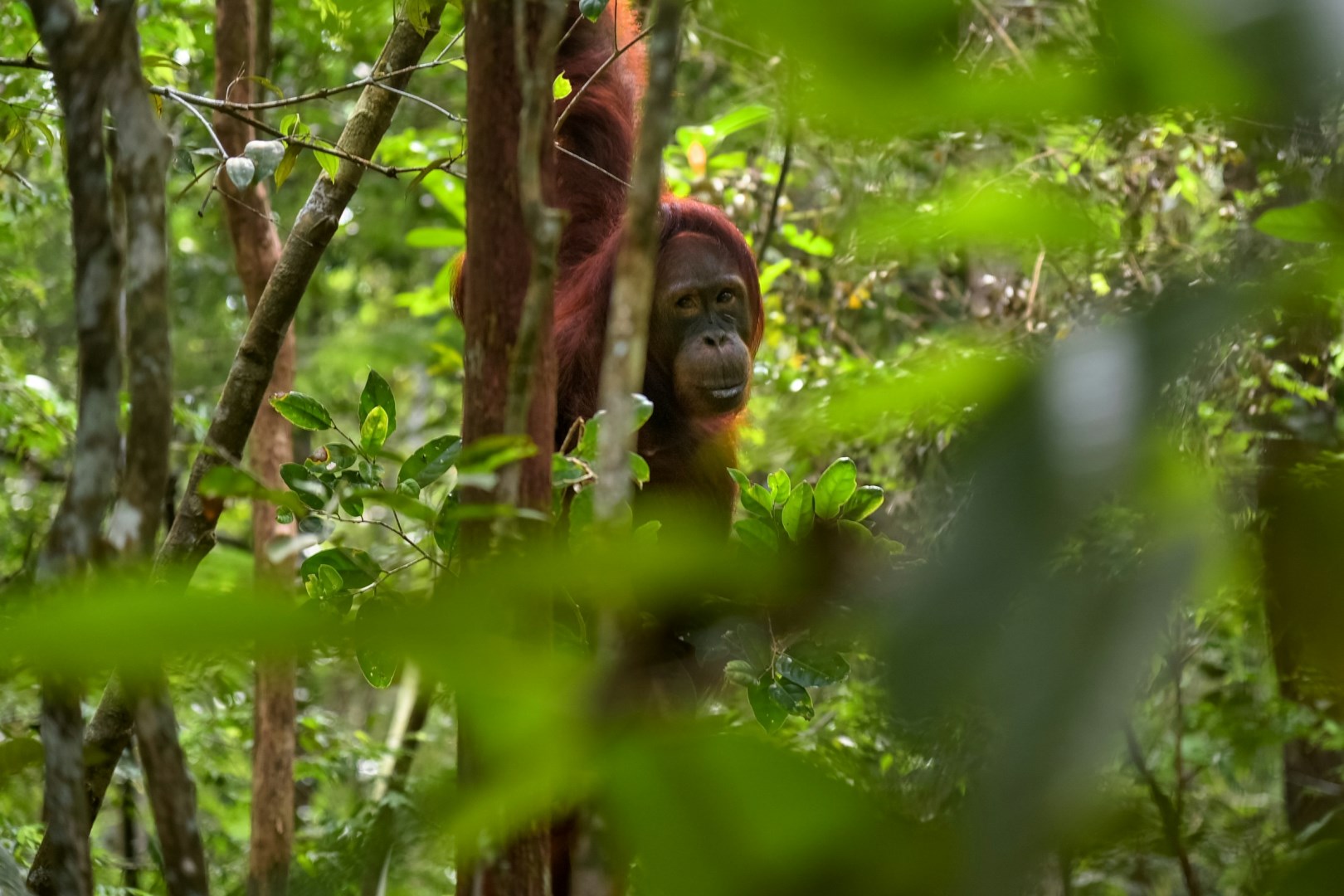
Kumai
Kumai is an Indonesian port city, at the southern end of the island of Borneo. Its main tourist draws include the Patih Mamband waterfall, a popular area for diving and fishing; several white sand beaches; and the Tanjung Puting National Park, best known for its wildlife. It is also home to Camp Leakey, a research center focusing mainly on orangutans, gibbons, and the proboscis (or long-nosed)monkeys endemic to the island.
