Dominica, known as the “Nature Island of the Caribbean,” is a haven for eco-tourists and adventure seekers. Nestled between the French islands of Guadeloupe and Martinique, this lush island boasts a remarkable landscape of volcanic mountains, dense rainforests, and stunning waterfalls. Dominica’s most iconic natural wonder is the Boiling Lake, the second-largest hot spring in the world.
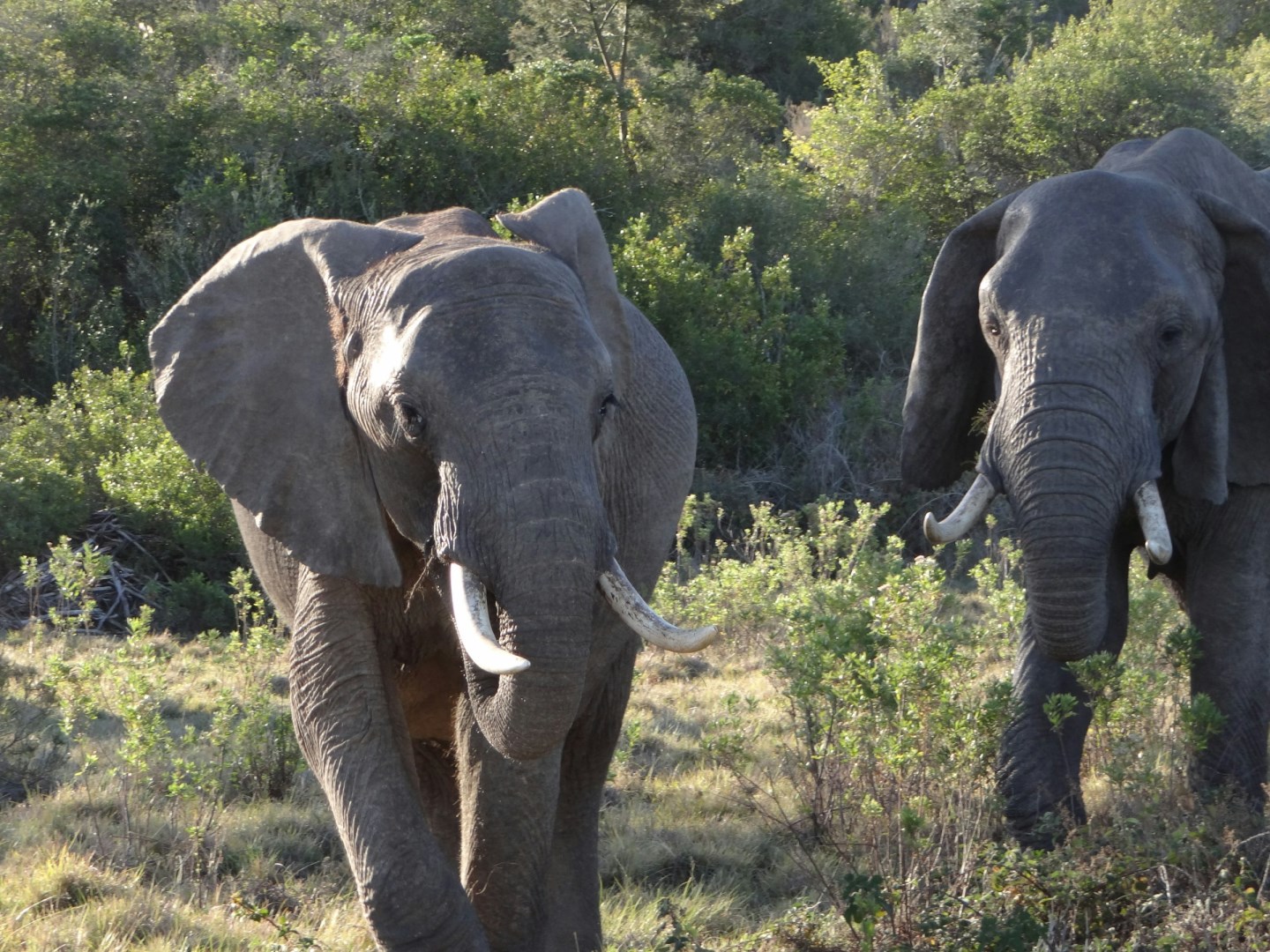
Plettenberg Bay is the jewel of The Garden Route. It's more than a village, less than a town. Plettenberg Bay is tranquil and charming, hospitable and rather special. Originally christened "Bahia Formosa" (beautiful bay) by early Portuguese explorers, Plettenberg Bay can now be accessed by first class national roads, by sea or by scheduled air flights.
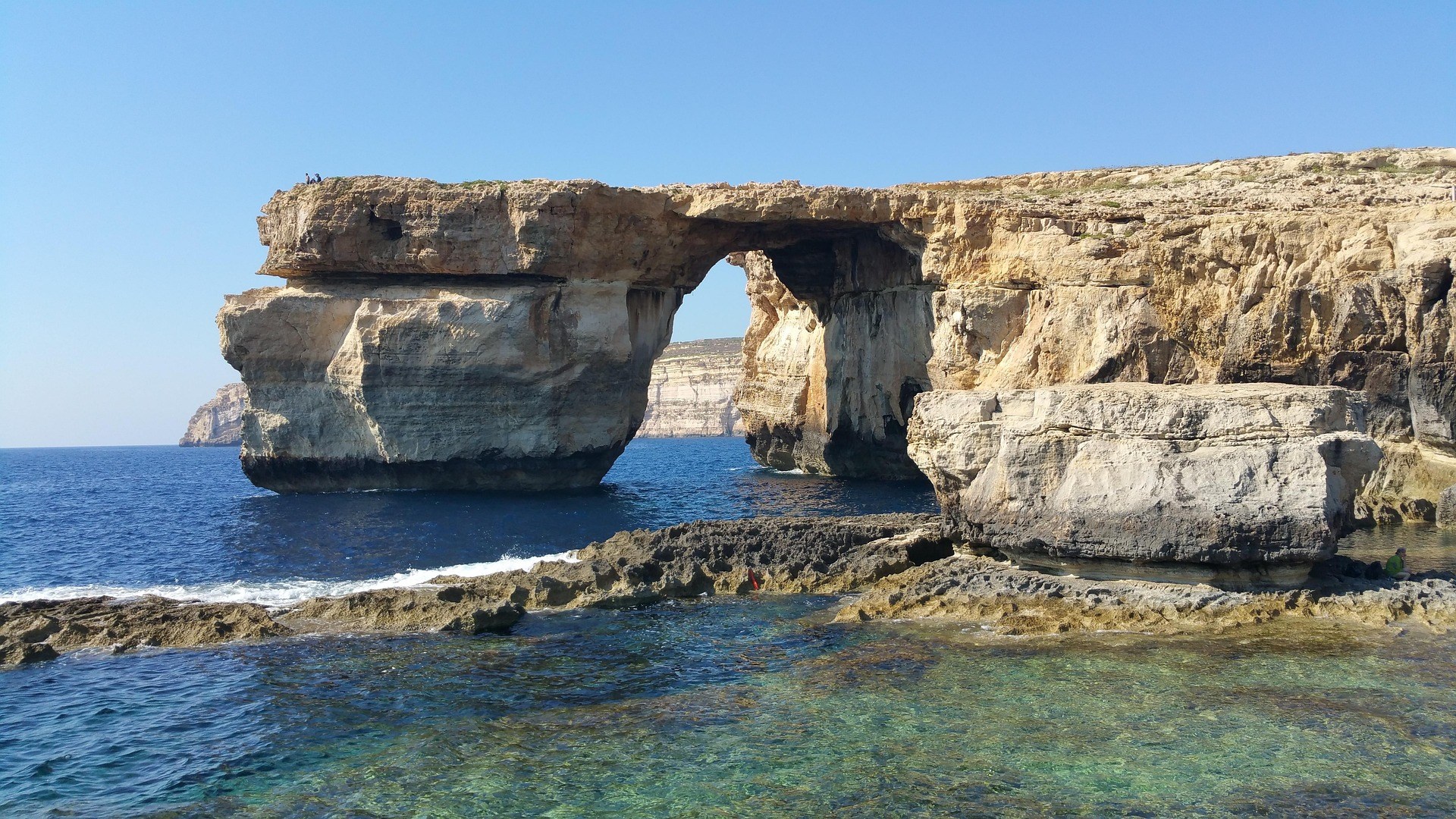
Gozo, the smaller sister island of Malta, offers a tranquil contrast to the busier main island, blending rich history, rugged landscapes, and a slower pace of life. Known for its rolling hills, picturesque villages, and dramatic coastline, Gozo has preserved much of its rural charm, allowing visitors to step back into centuries of Mediterranean culture and tradition.
The Caribbean is a region of vibrant cultures, sunlit shores, and a rich blend of traditions shaped by centuries of history. Scattered across turquoise waters, its islands each offer a unique personality, some bustling with colorful markets and lively music, others known for tranquil beaches and unspoiled nature.

Regina, Saskatchewan’s capital, is a city with deep roots and wide-open skies. Originally established as a key stop on the Canadian Pacific Railway, Regina quickly grew into a political and cultural hub. Today, visitors can explore its past at the Royal Saskatchewan Museum, which features life-sized dinosaur exhibits and an extensive First Nations gallery.
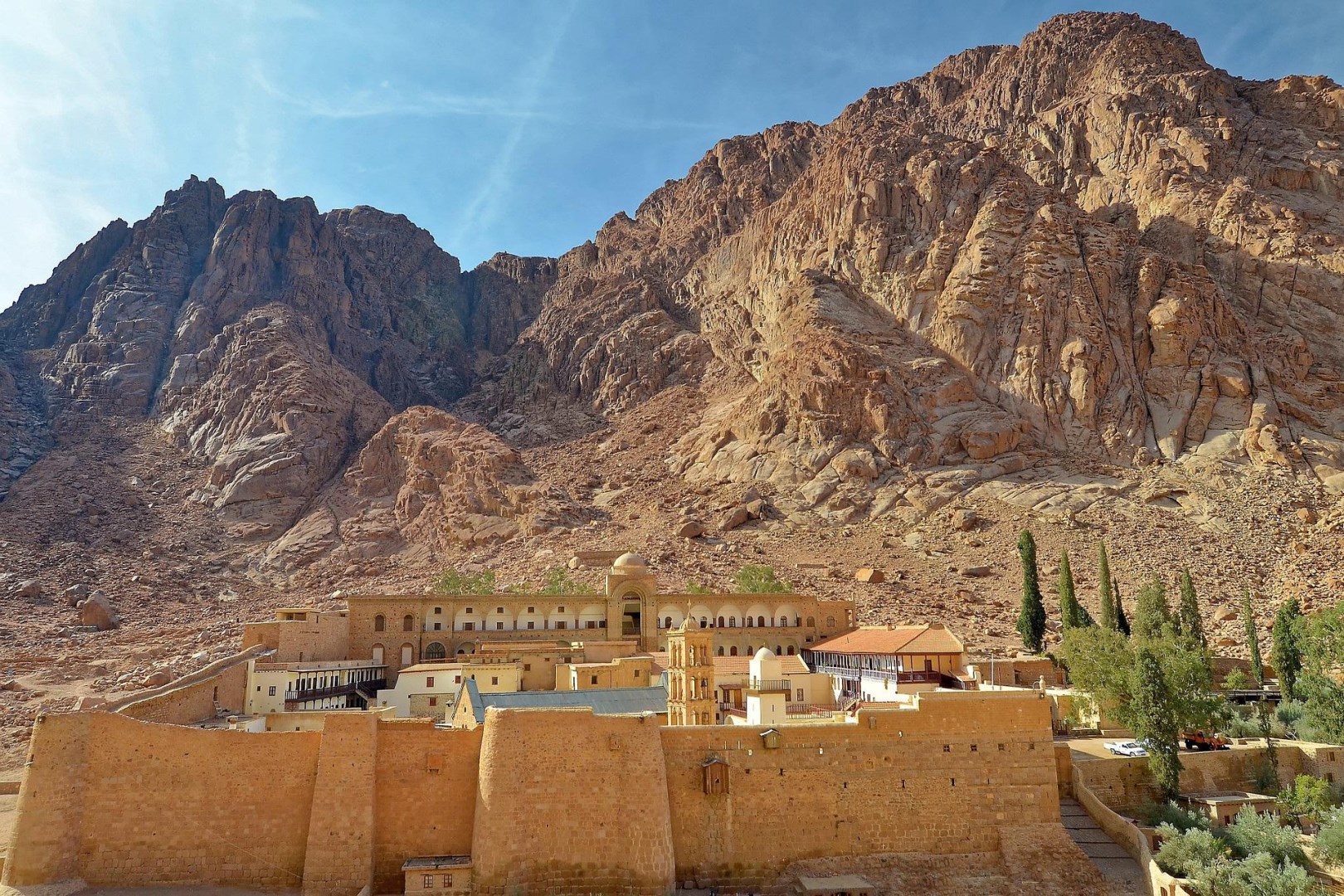
Photo Credit: Photo by Raimond Klavins on Unsplash
St. Catherine's Monastery, nestled at the foot of Mount Sinai in Egypt, is a beacon of historical and spiritual significance. Founded in the 6th century by Emperor Justinian, this ancient monastery is one of the world's oldest continuously operating Christian monasteries and is a UNESCO World Heritage Site. It houses a remarkable collection of early Christian manuscripts and icons, including the famous Codex Sinaiticus, one of the earliest complete manuscripts of the Bible. Visitors can explore its well-preserved Byzantine architecture, including the stunning Church of the Transfiguration, which holds a rich history in its walls.
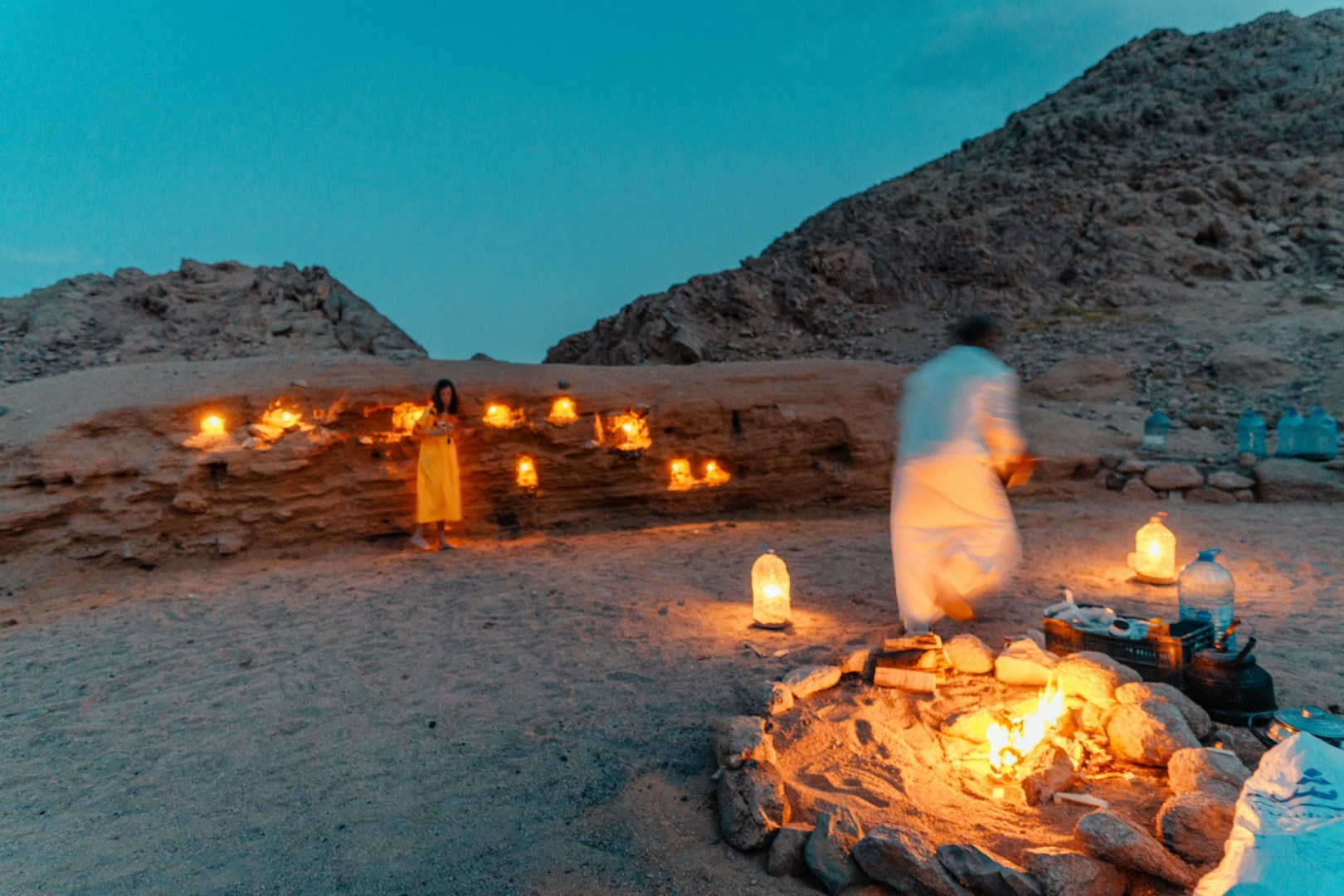
The monastery’s location adds to its allure, surrounded by the rugged, dramatic landscapes of the Sinai Peninsula. The ascent of Mount Sinai, traditionally associated with the biblical account of Moses receiving the Ten Commandments, offers breathtaking views and a profound sense of connection to ancient spiritual traditions. The trek is particularly rewarding at sunrise or sunset, when the desert's colors transform into an awe-inspiring display of nature's palette.
Beyond its religious and historical treasures, the monastery's collection of ancient icons and manuscripts is a treasure trove for scholars and art enthusiasts alike. The Icon Gallery features works of art that span over a millennium, reflecting the rich cultural and religious tapestry of the region.
For the best experience, visit during the cooler months from October to April. This period offers a more comfortable climate for hiking and exploring, and allows you to fully appreciate the serene and spiritual ambiance of this historical sanctuary.
Fun Fact: The monastery’s library, which houses one of the world's oldest surviving Christian manuscripts, is considered one of the most important libraries of early Christian texts and is renowned for its collection of over 3,300 manuscripts