

Colón
Colón is a Caribbean port city on Panama’s northern coast, positioned near the Atlantic entrance to the Panama Canal. Its waterfront setting, tropical climate, and access to the canal, Caribbean beaches, and surrounding rainforest give it a distinctive role within Panama’s geography. The city is closely connected to the canal’s commercial activity and serves as an important gateway to destinations in Colón Province.

Chefchaoeun
Chefchaouen, a picturesque city nestled in the Rif Mountains of northern Morocco, is renowned for its stunning blue-painted streets and buildings. Founded in 1471, Chefchaouen's medina—a maze of narrow, winding streets—is one of its most enchanting features, where every corner reveals a splash of blue, creating a serene and photogenic atmosphere. T

Oaxaca
Oaxaca, nestled in the heart of southern Mexico, is a city where ancient traditions and vibrant culture thrive. Renowned for its rich history and indigenous heritage, Oaxaca offers a unique blend of pre-Columbian, colonial, and modern influences. The city's historic center, a UNESCO World Heritage site, is a testament to its past, featuring stunning colonial architecture such as the Santo Domingo de Guzmán Church, a masterpiece of Baroque art.
Washington
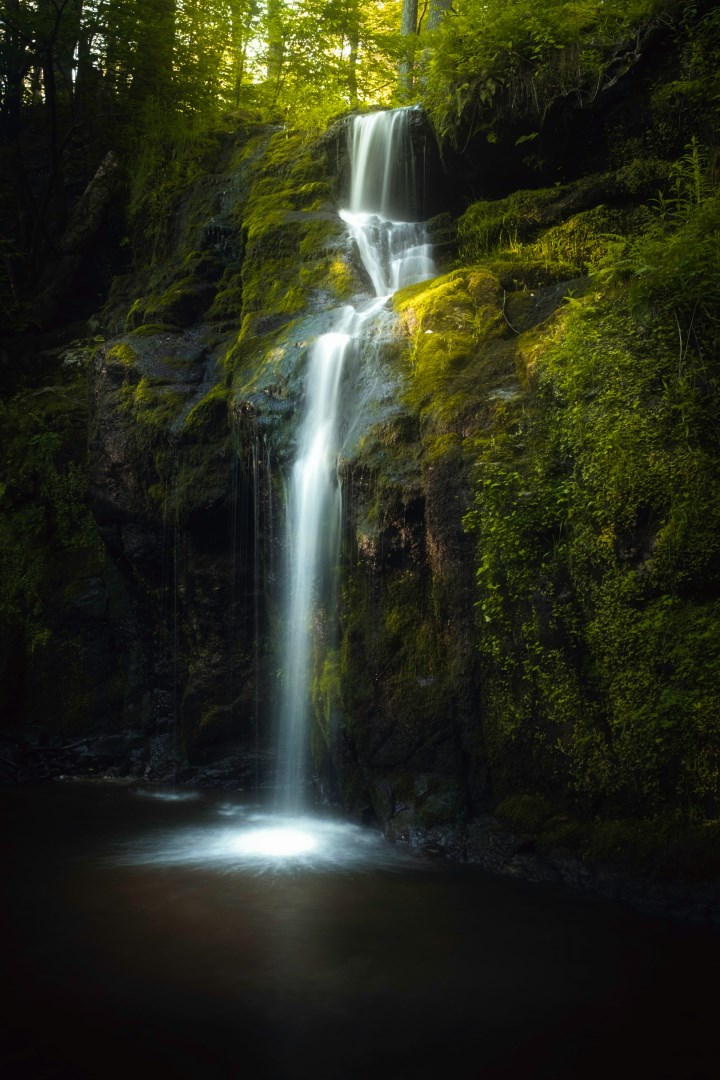
Washington is a small town in Litchfield County, Connecticut, set among wooded hills, lakes, and rural valleys in the northwestern part of the state. Its landscape includes farmland, stone walls, forest roads, and several reservoirs and ponds, with the Shepaug River flowing through the surrounding countryside.

London
London is among the world's most visited cities, with countless attractions and a history stretching back two millennia. Visitors will discover historic iconic structures like Westminster Abbey, Big Ben, and Tower Bridge, as well as recent marvels such as London Eye, a giant observation wheel that offers breathtaking views of the whole city.
