
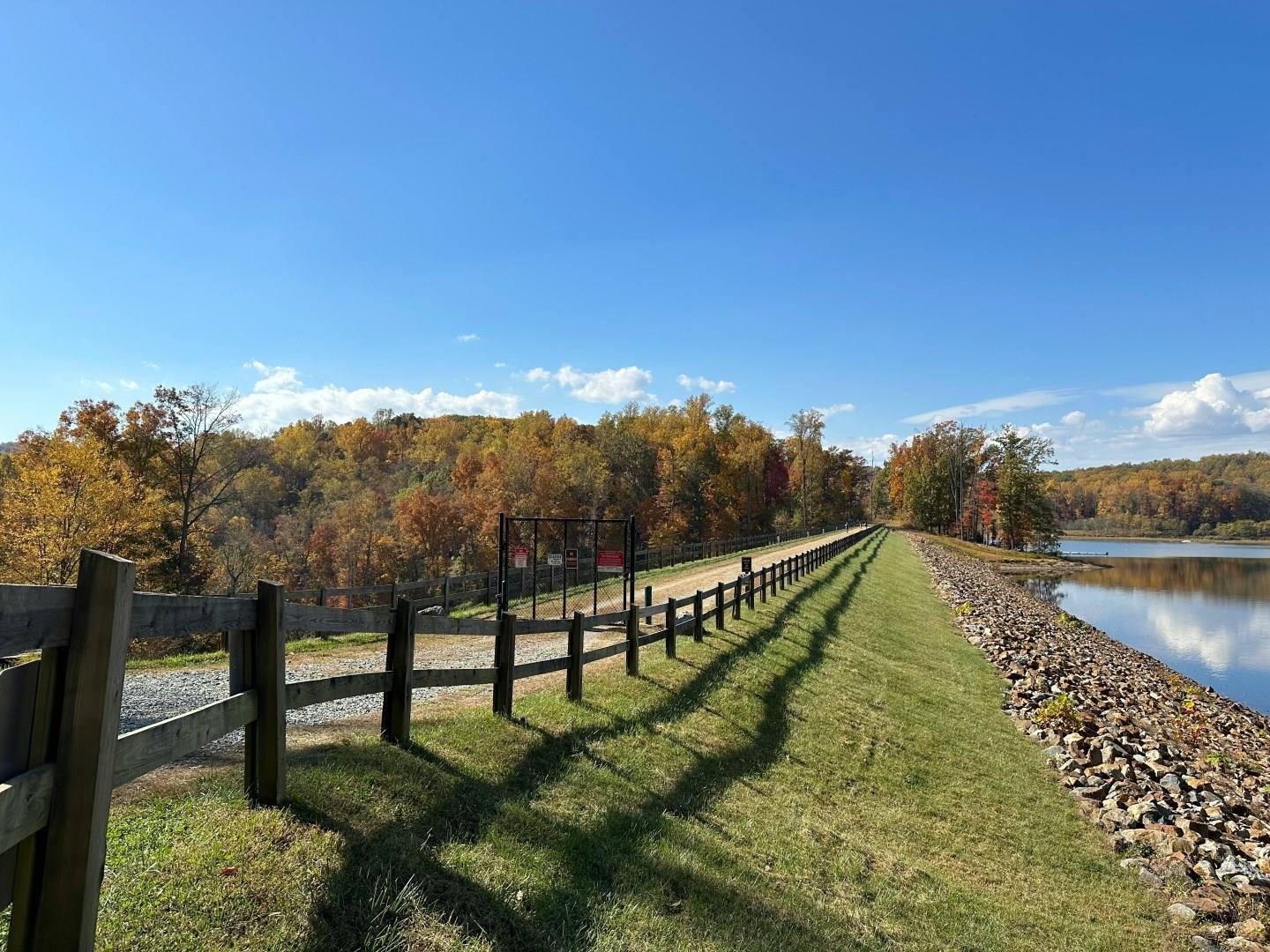
Charlottesville
Charlottesville, Virginia is a small city with deep roots and a lively sense of place. It's home to the University of Virginia, founded by Thomas Jefferson in 1819 and now recognized as a UNESCO World Heritage Site alongside Jefferson’s Monticello estate. Both sites are working institutions where architecture, education, and ongoing dialogue shape how visitors experience the past.

Belfast
Belfast, the vibrant capital of Northern Ireland, is a city steeped in rich history and brimming with cultural charm. Known for its role in the Industrial Revolution, it was once a major shipbuilding hub, most famously the birthplace of the RMS Titanic. Today, visitors can explore the Titanic Quarter, where the Titanic Belfast museum stands as a modern architectural marvel, offering a fascinating and interactive journey through the ship's history.
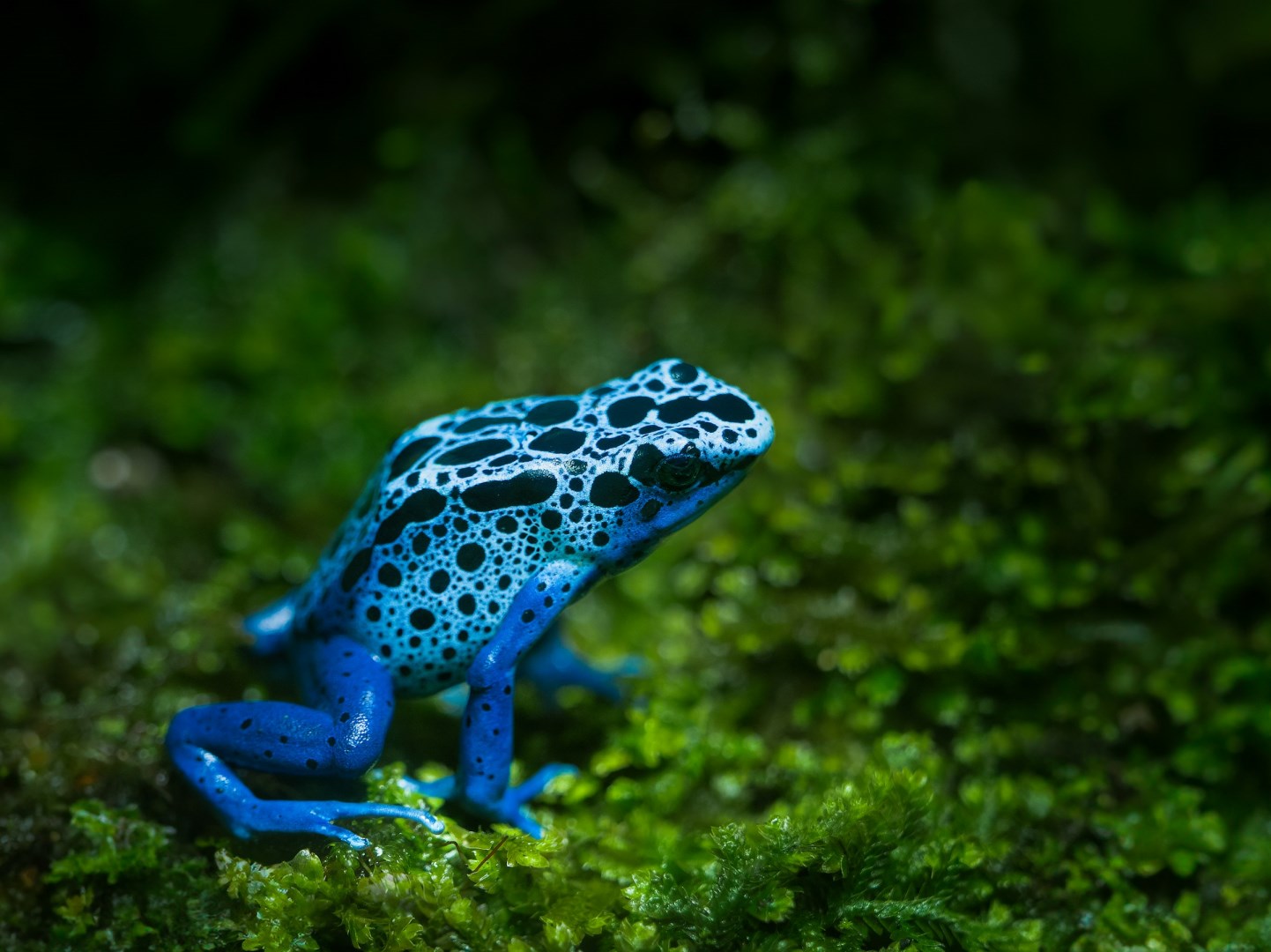
Suriname
Suriname’s forests cover more than nine‑tenths of the country and house an astounding array of wildlife. The Central Suriname Nature Reserve, one of the largest rainforest sanctuaries on Earth, shelters jaguars, giant river otters, and hundreds of bird species. Nearer the capital, Brownsberg Nature Park offers forest trails and waterfalls amid 1,450 plant and 350 bird species, just a short drive from Paramaribo.
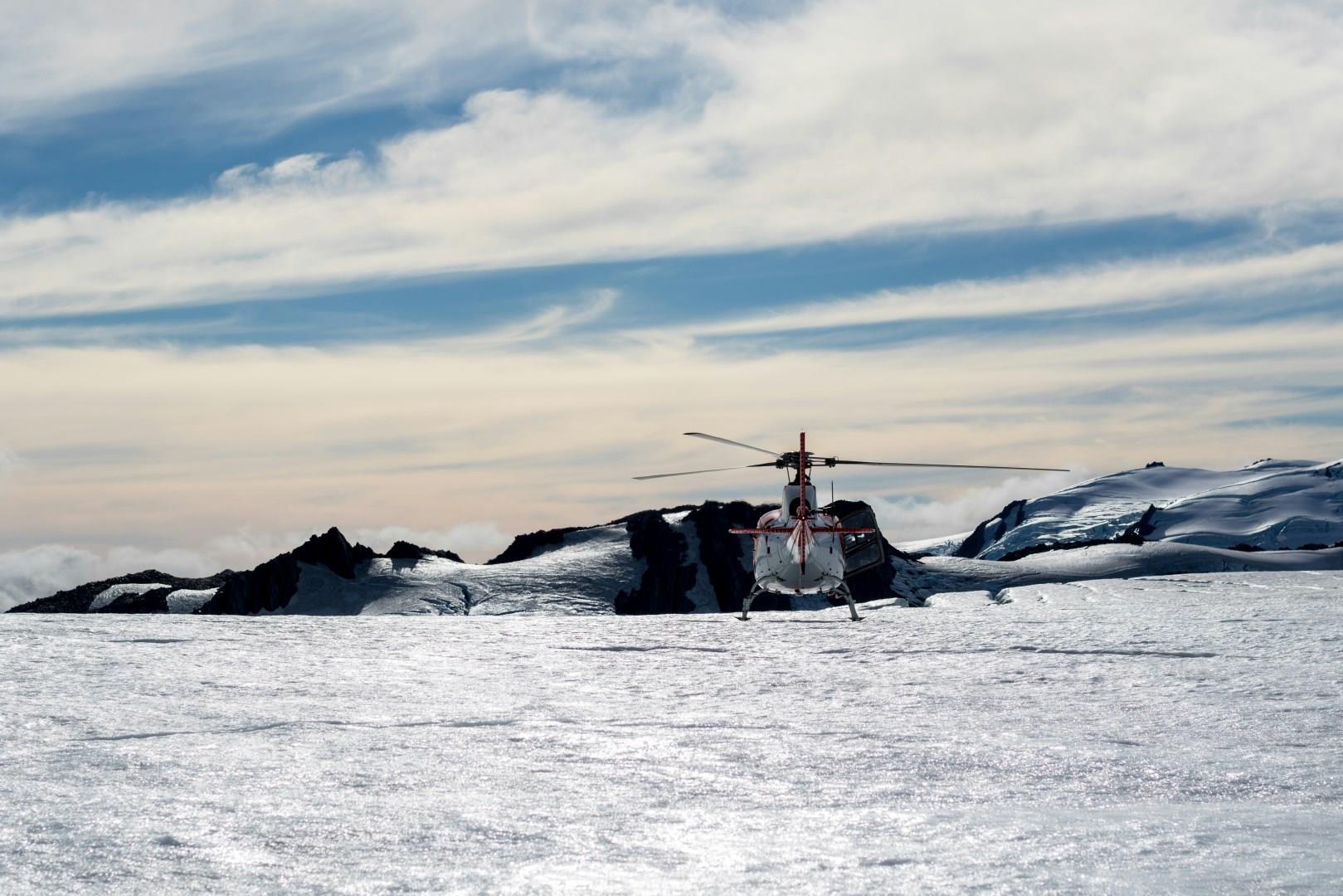
Fox Glacier
Fox Glacier, on New Zealand’s South Island, is one of the country’s most remarkable natural wonders, where icy landscapes meet lush rainforest. Named after Sir William Fox, a 19th-century Prime Minister of New Zealand, the glacier stretches from the high peaks of the Southern Alps down into temperate rainforest.

Anguilla
Anguilla is a level coral atoll with abundant breath-taking beaches. The name comes from the Spanish word for eel, named apparently because of the island's long, narrow profile. The main town, The Valley, is found almost in the middle of the island. Most hotels and restaurants are found on the western point of the island.
