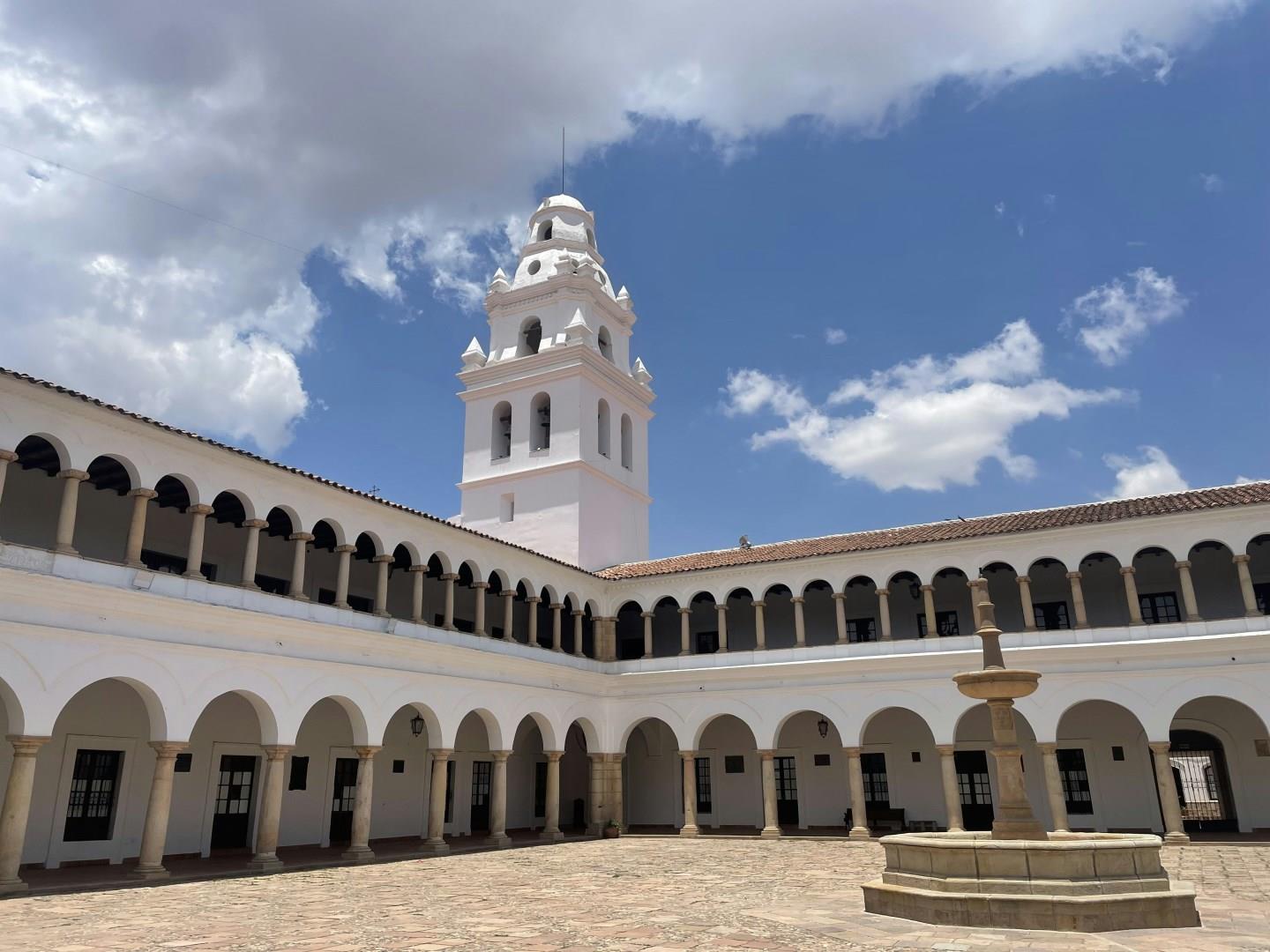
Sucre
Sucre, Bolivia’s constitutional capital, is a city steeped in history and colonial charm. Founded in the 16th century by the Spanish, it played a pivotal role in South America’s independence movements, earning its place as the birthplace of the Bolivian Republic.
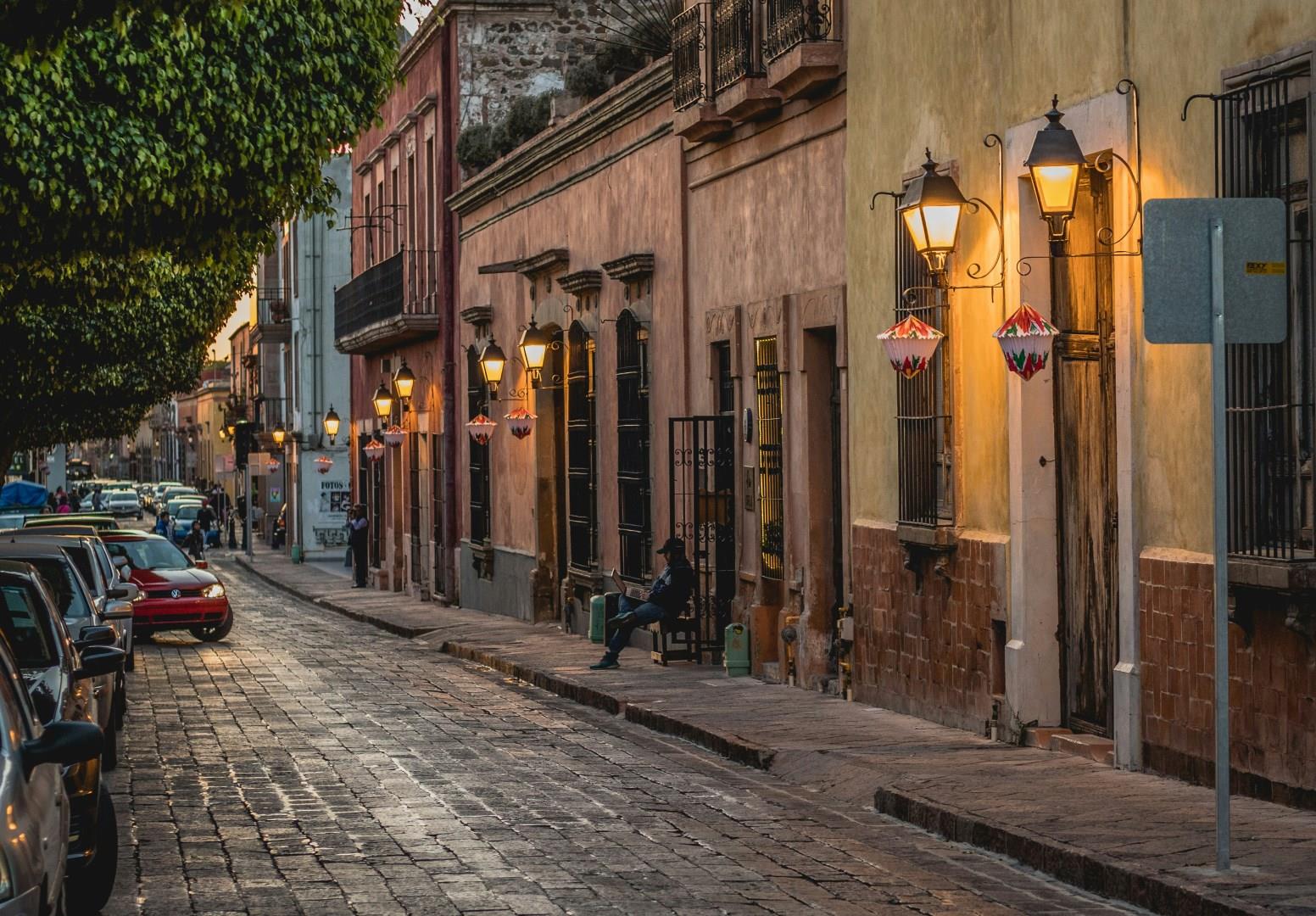
Querétaro
Querétaro, located in the heart of central Mexico, is a city where centuries of history are still visible in daily life. Its historic center, a UNESCO World Heritage Site, features narrow streets, elegant plazas, and baroque churches that reflect its colonial past. One of the city’s most iconic landmarks is the massive aqueduct, built in the 18th century with 74 stone arches stretching nearly a mile across the landscape.
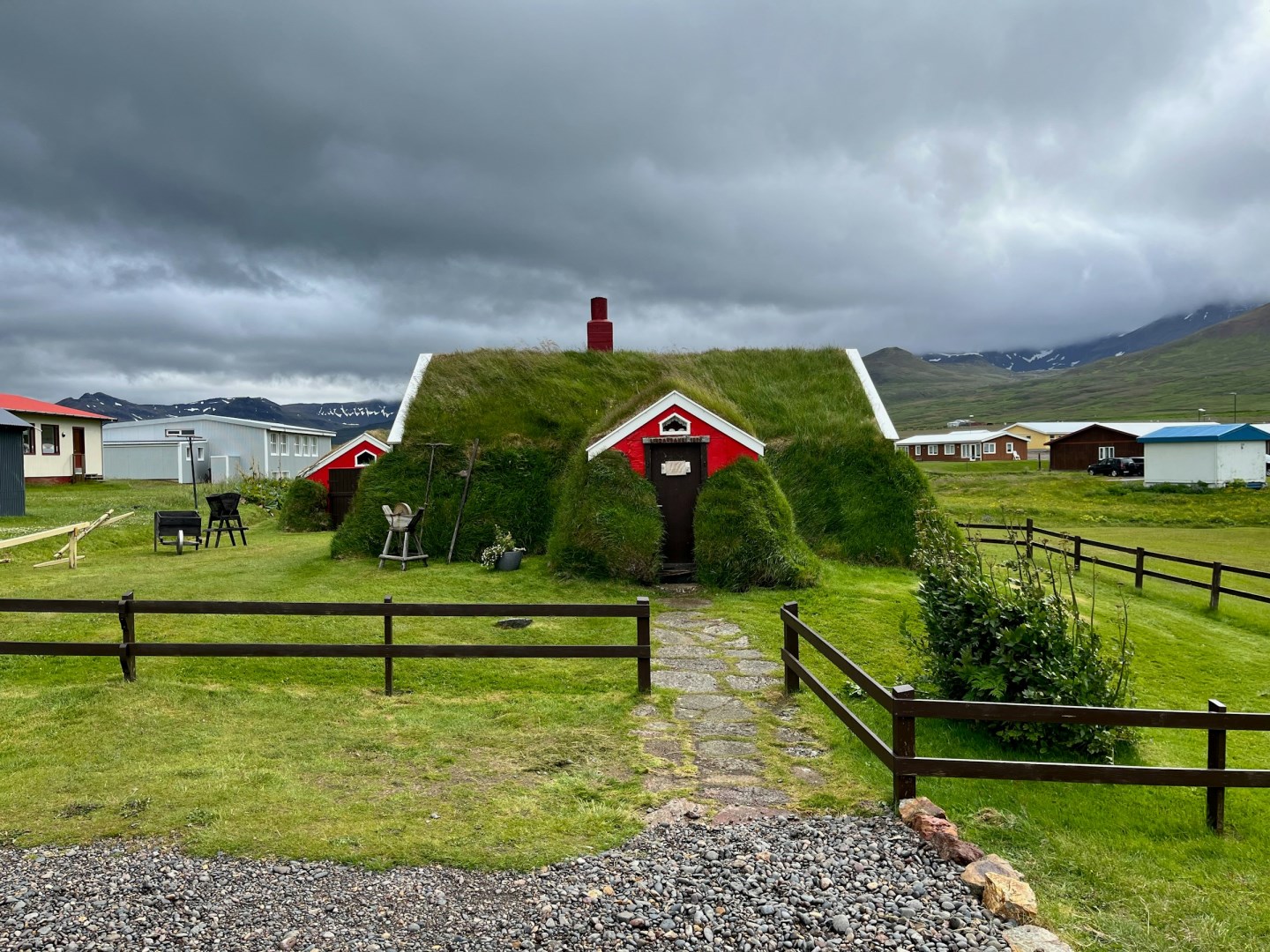
Bakkagerði
Bakkagerði is a small village in Borgarfjörður Eystri on Iceland’s remote east coast, surrounded by steep mountains, narrow valleys, and the North Atlantic. The village serves as the main settlement and service center for the fjord, with a small harbor and colorful houses scattered beneath the surrounding peaks. Its isolated location gives Bakkagerði a strong connection to the landscape and to traditional rural life.
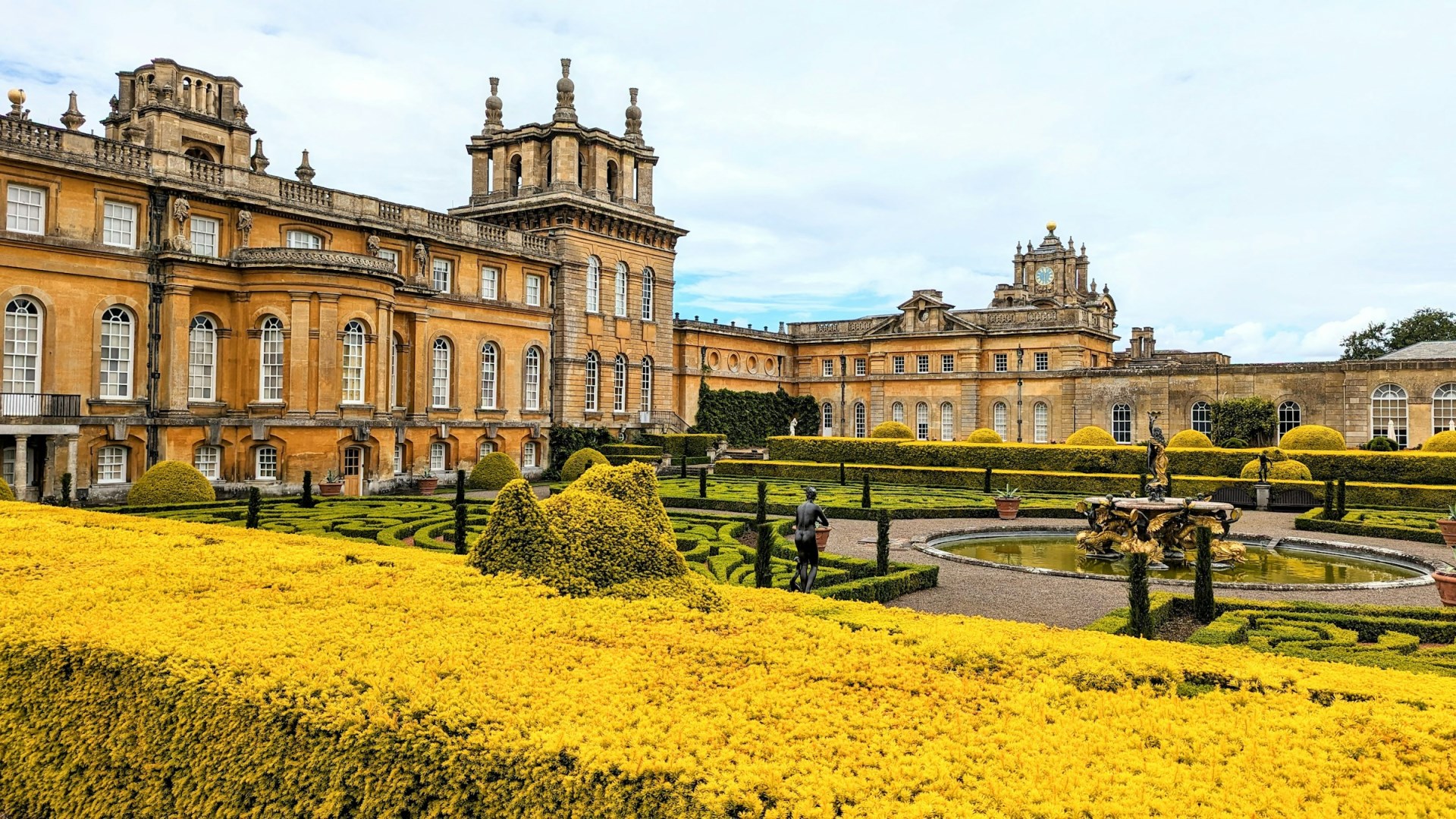
Woodstock
Woodstock is a historic market town in Oxfordshire, located beside the grounds of Blenheim Palace and surrounded by the countryside of the Cotswolds. Its compact centre is lined with honey-coloured stone buildings, independent shops, galleries, cafés, and traditional pubs. The town’s Market Place and Town Hall form a natural focal point, while streets such as Park Street and Oxford Street reveal a mixture of Georgian and older architecture.

South Dakota
South Dakota, known for its striking contrasts, from sacred Indigenous landmarks to dramatic prairie landscapes, offers travelers a rare chance to experience stories etched in both stone and living tradition. Mount Rushmore may be the most photographed site, but just 17 miles away, the Crazy Horse Memorial tells a deeper story. In the west, the Black Hills are full of geological surprises and sacred sites. Custer State Park offers scenic drives where herds of bison often stop traffic.