
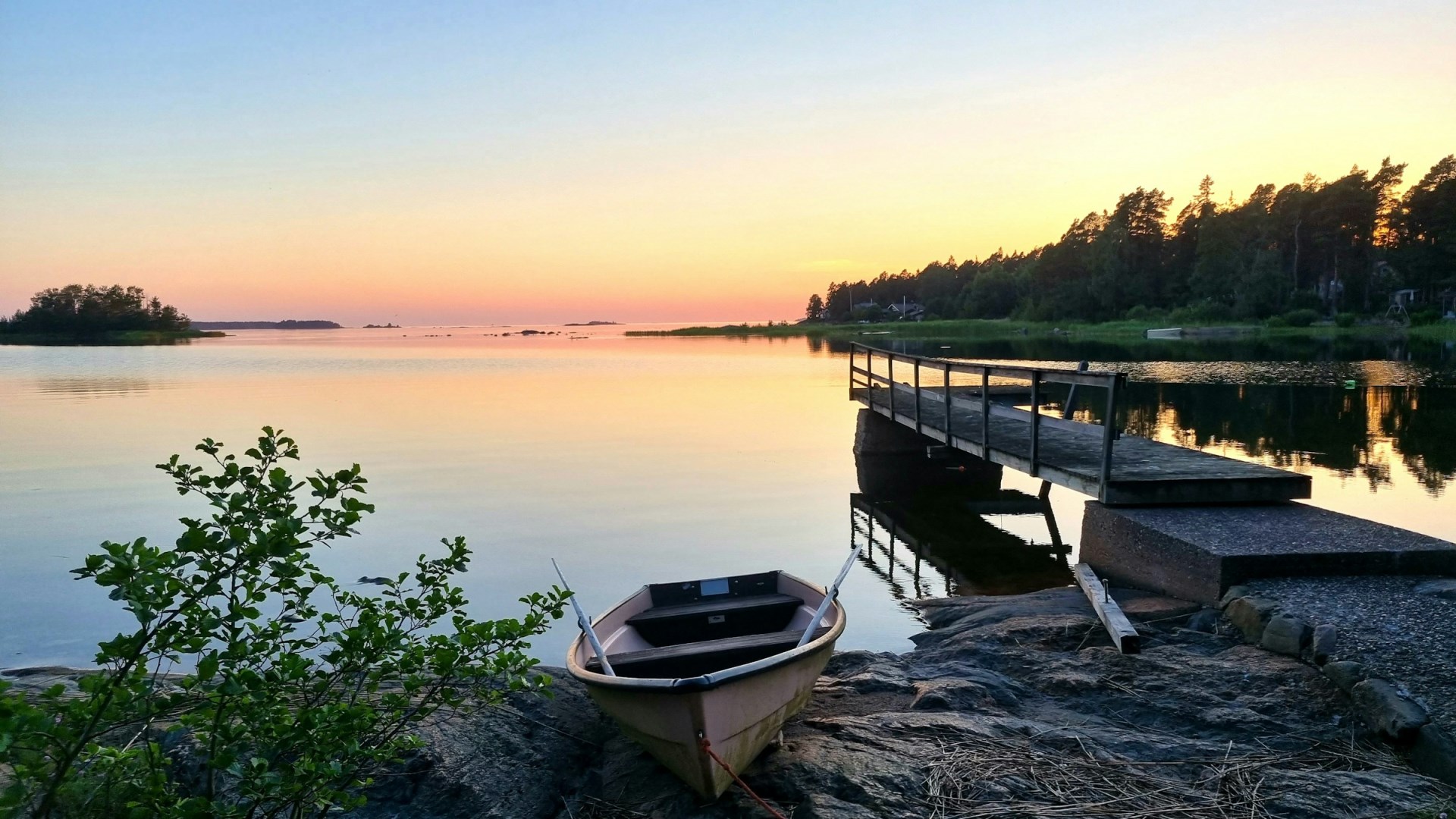
Rauma
Rauma is a historic coastal town in western Finland, located on the Gulf of Bothnia and known for its well-preserved wooden Old Rauma district. Narrow lanes, colorful timber houses, small courtyards, and irregular street patterns give the historic center a distinctive appearance. Outside the old town, Rauma remains an important port and industrial center, while the surrounding coast contains islands, rocky shores, and forested landscapes.
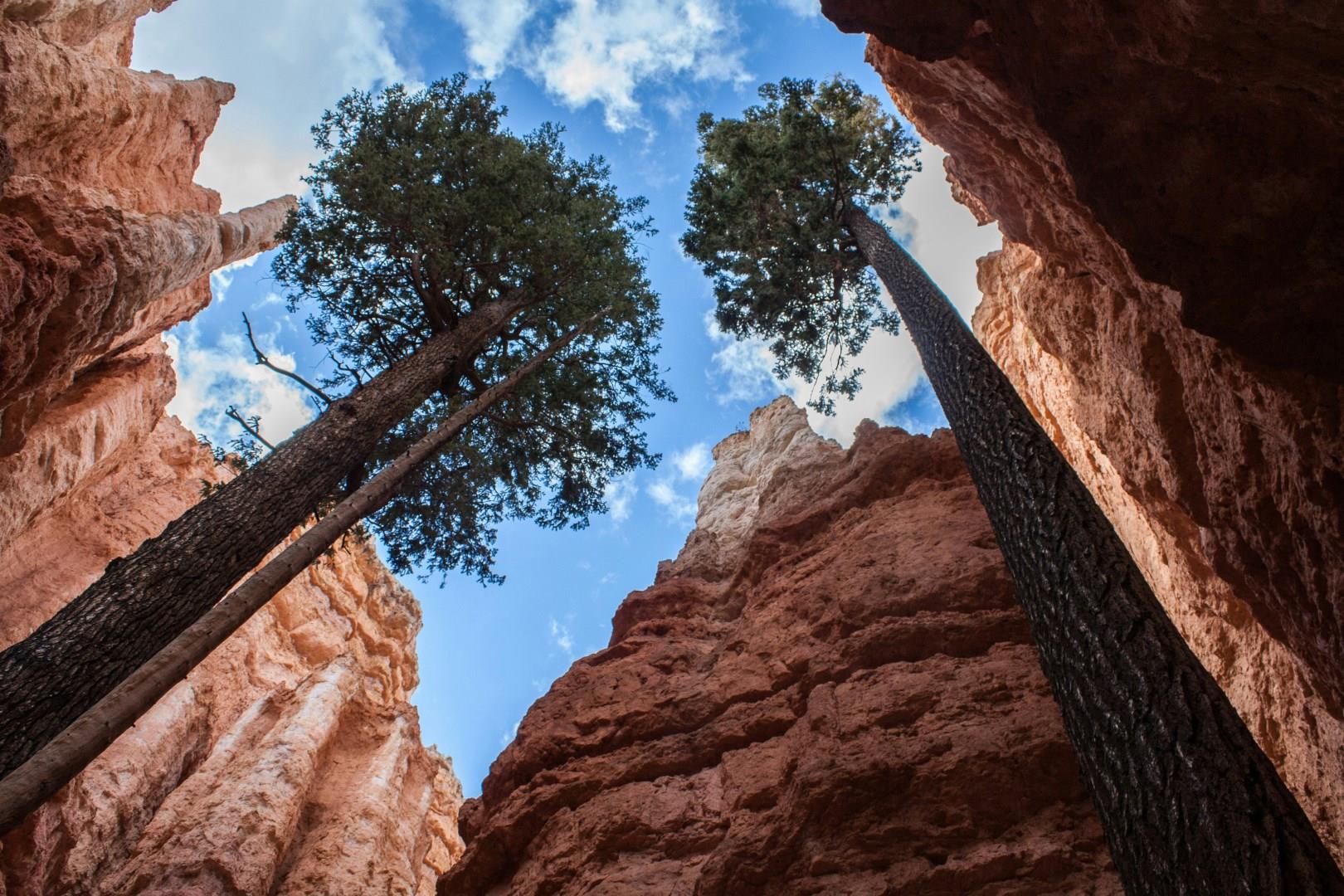
Bryce Canyon
Bryce Canyon, tucked into the high plateaus of southern Utah, offers one of the most unusual landscapes in the American Southwest. It’s not actually a canyon but a series of natural amphitheaters carved into the edge of the Paunsaugunt Plateau. What makes Bryce unique is its dense collection of hoodoos which are tall, thin spires of rock formed over millions of years by frost-wedging and erosion.

Rhinebeck
Rhinebeck is a village in Dutchess County in the Hudson Valley, set among rolling farmland, wooded hills, and communities along the eastern side of the Hudson River. Its compact center is known for historic buildings, independent shops, restaurants, galleries, and the long-established Beekman Arms. The surrounding town extends toward the river through rural landscapes and the hamlet of Rhinecliff, where rail service connects the area with destinations along the Hudson.
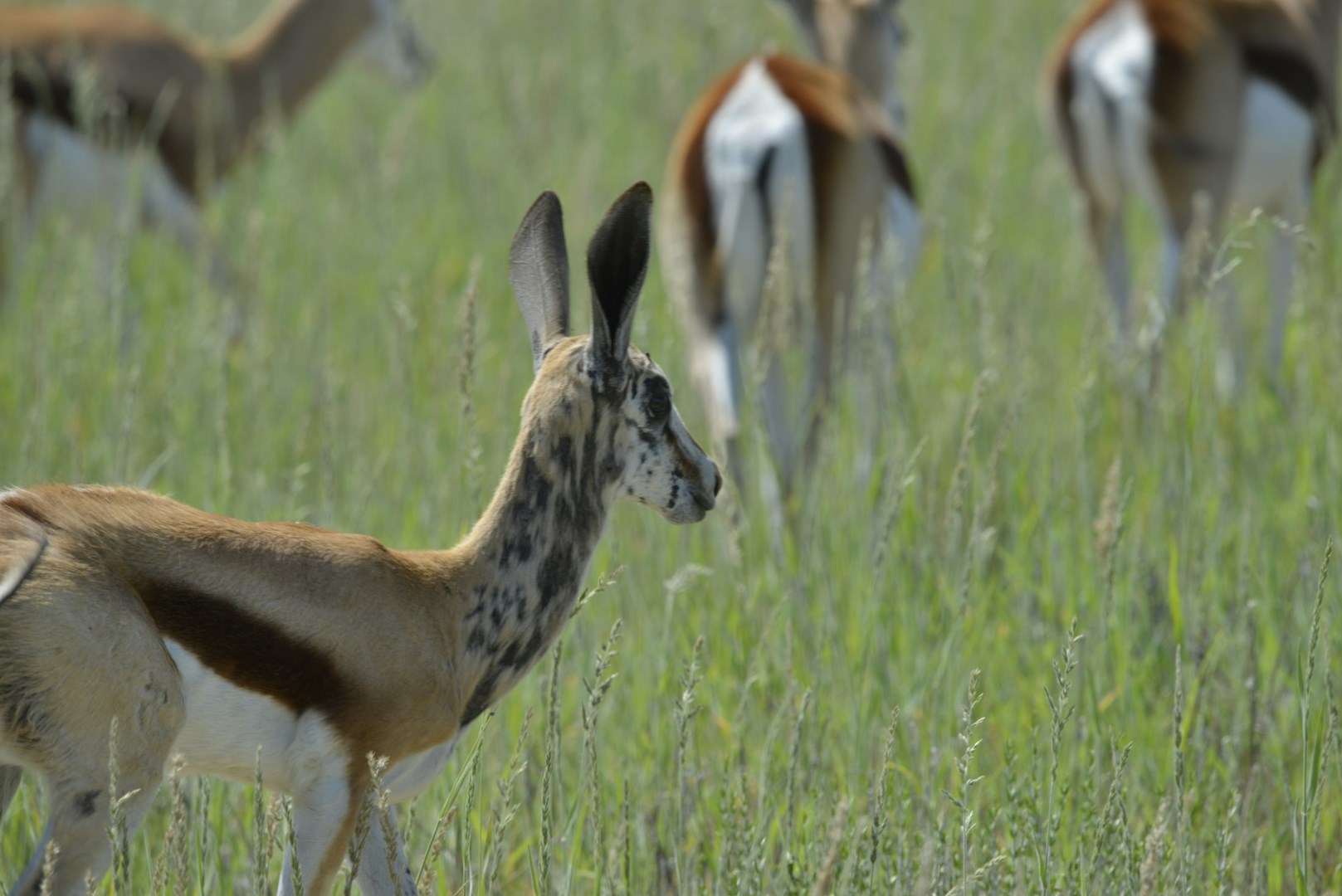
Kgalagadi Transfrontier Park
Kgalagadi Transfrontier Park is a large protected area spanning the border between South Africa and Botswana in the southern Kalahari. It combines red sand dunes, dry riverbeds, grass-covered plains, and scattered camel thorn trees across a semi-arid landscape. The park is managed cooperatively by the two countries, allowing wildlife to move across the international boundary without fences.

Ilok
Ilok, the easternmost town in Croatia on the Danube River, may be small but it has a lot to offer. A well-preserved Franciscan monastery and a 15th century castle make it a popular day trip for domestic as well as foreign tourists. Its wine-making tradition is even older; some say the region's viniculture dates back as early as 280 AD.
