Monastir
Monastir, a coastal gem in Tunisia, offers a perfect blend of history, culture, and sun-soaked relaxation. Overlooking the azure waters of the Mediterranean Sea, the city is famous for its majestic Ribat, a well-preserved Islamic fortress dating back to 796 AD. This imposing structure, used historically to defend against Byzantine and European invaders, offers visitors panoramic views of the coastline and the city below.

Colon
Northwest of Panama City lies the capital city of Colón, a gateway to the Panama Canal.
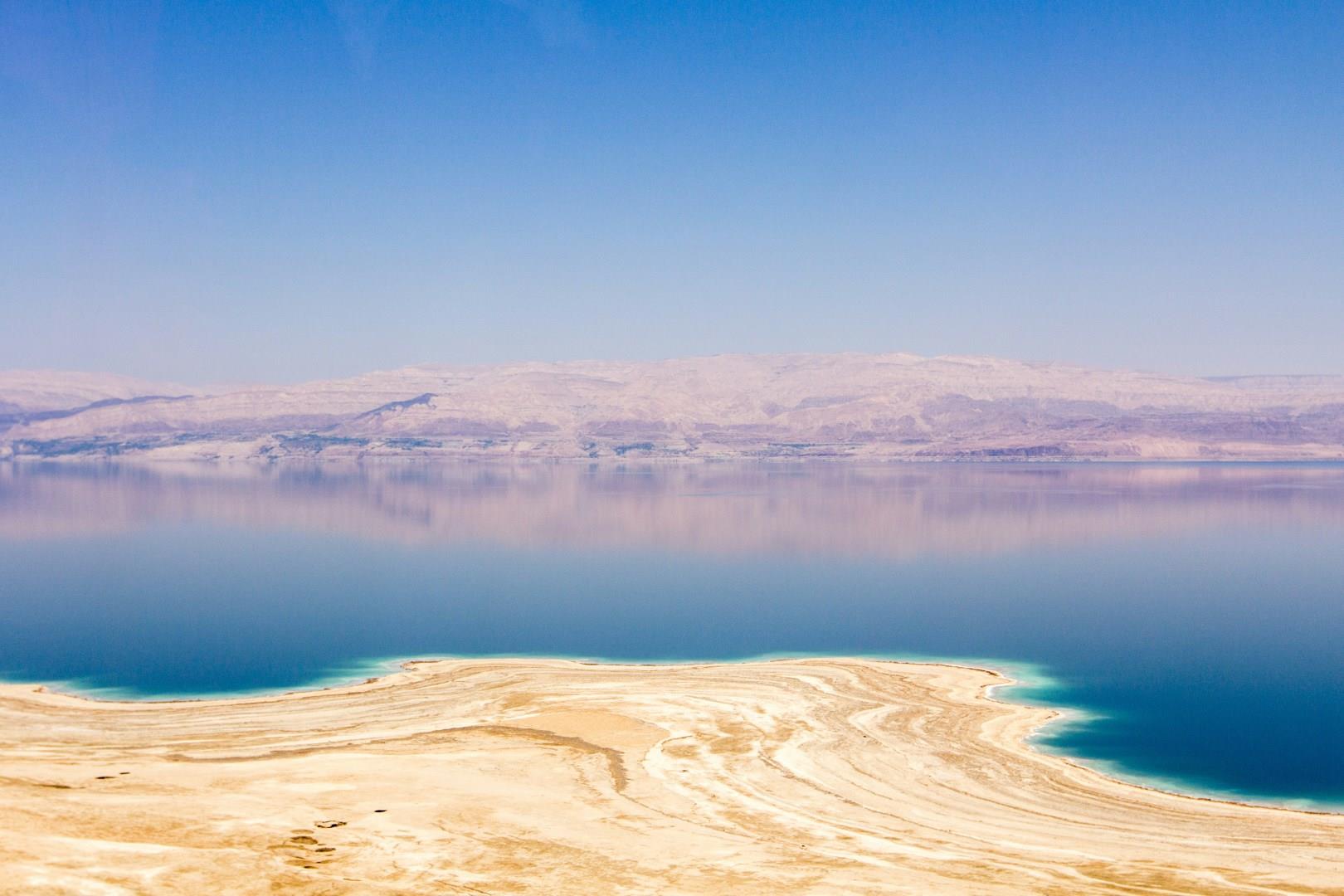
Dead Sea
The Dead Sea lies at the lowest point on Earth, around 430 meters below sea level, and features water with nearly ten times the salinity of the ocean. That level of salinity makes floating on its surface effortless. Visitors can lie back without effort, with views opening across barren hills and reflective water. This shoreline also hosts a mix of minerals collected over millennia and known for their soothing effect on skin and joints.
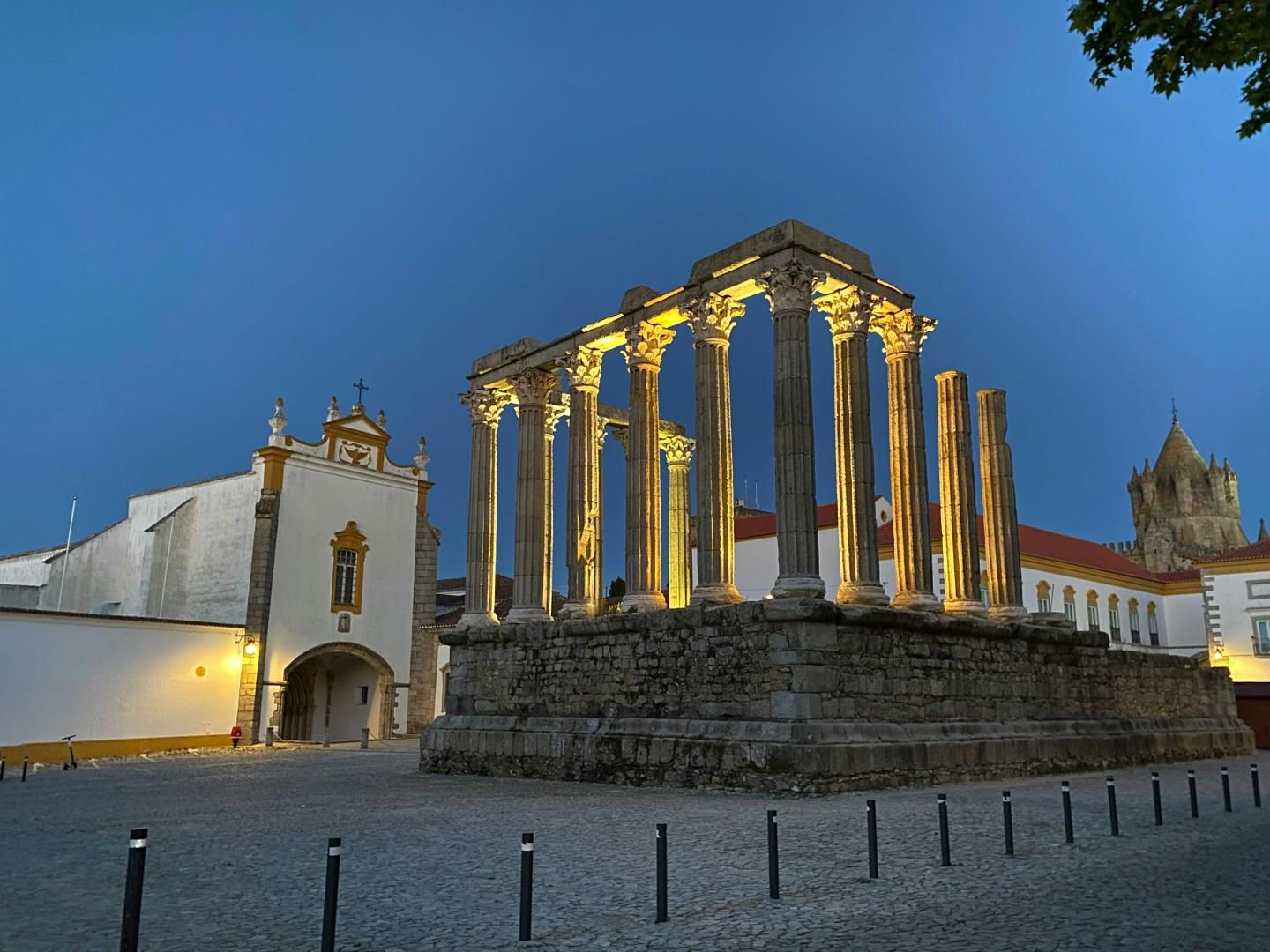
Evora
Évora, in Portugal’s Alentejo region, feels like stepping into a story that spans more than two thousand years. Its Historic Centre was named a UNESCO World Heritage Site for good reason with its ancient walls, homes with wrought-iron balconies, and narrow streets quietly preserve traces of Roman, Moorish, and medieval life. Beyond architecture and monuments, Évora reveals lesser-known treasures that reward exploration.

Martinique
Martinique, often called the "Island of Flowers", is a French Caribbean gem where striking landscapes and rich heritage meet. At its northern heart stands Mount Pelée, a powerful volcano that looms above lush rainforest valleys and waterfalls.