

Bamberg
Bamberg, located in northern Bavaria, stands out for its remarkably preserved medieval layout, which earned it a spot on the UNESCO World Heritage list. Built on seven hills and often compared to Rome for that reason, the city’s architecture reflects over a thousand years of uninterrupted development. Bamberg is well known for its beer, and not just in the usual Bavarian sense. The city has more breweries per capita than any other town in Germany, and it’s the birthplace of rauchbier.
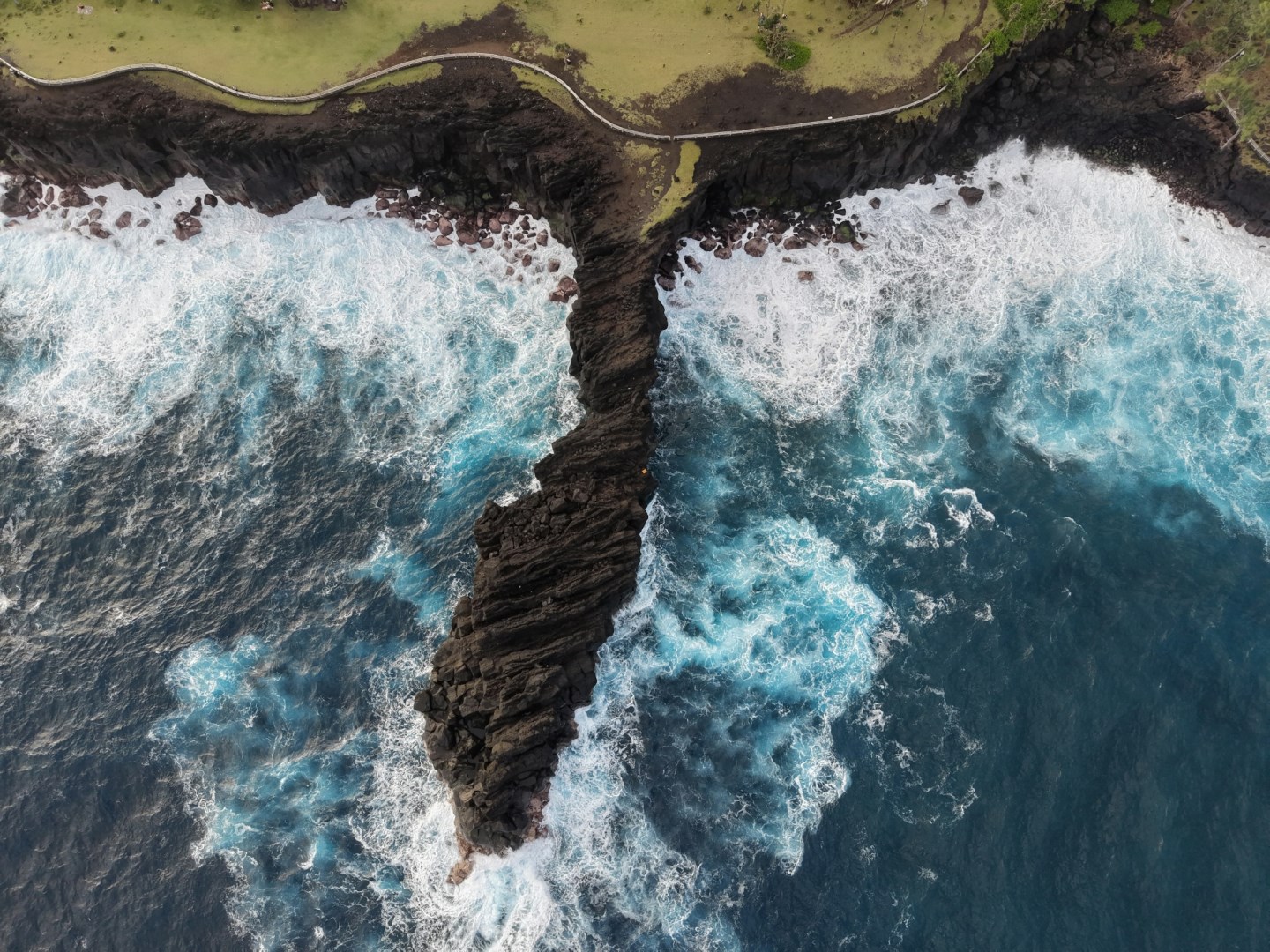
Saint Philippe
Saint-Philippe is a commune on the southeastern coast of Réunion, a French island in the southwestern Indian Ocean. Situated between Saint-Joseph and Sainte-Rose, it lies along the lower slopes of Piton de la Fournaise, one of the world’s most active volcanoes.
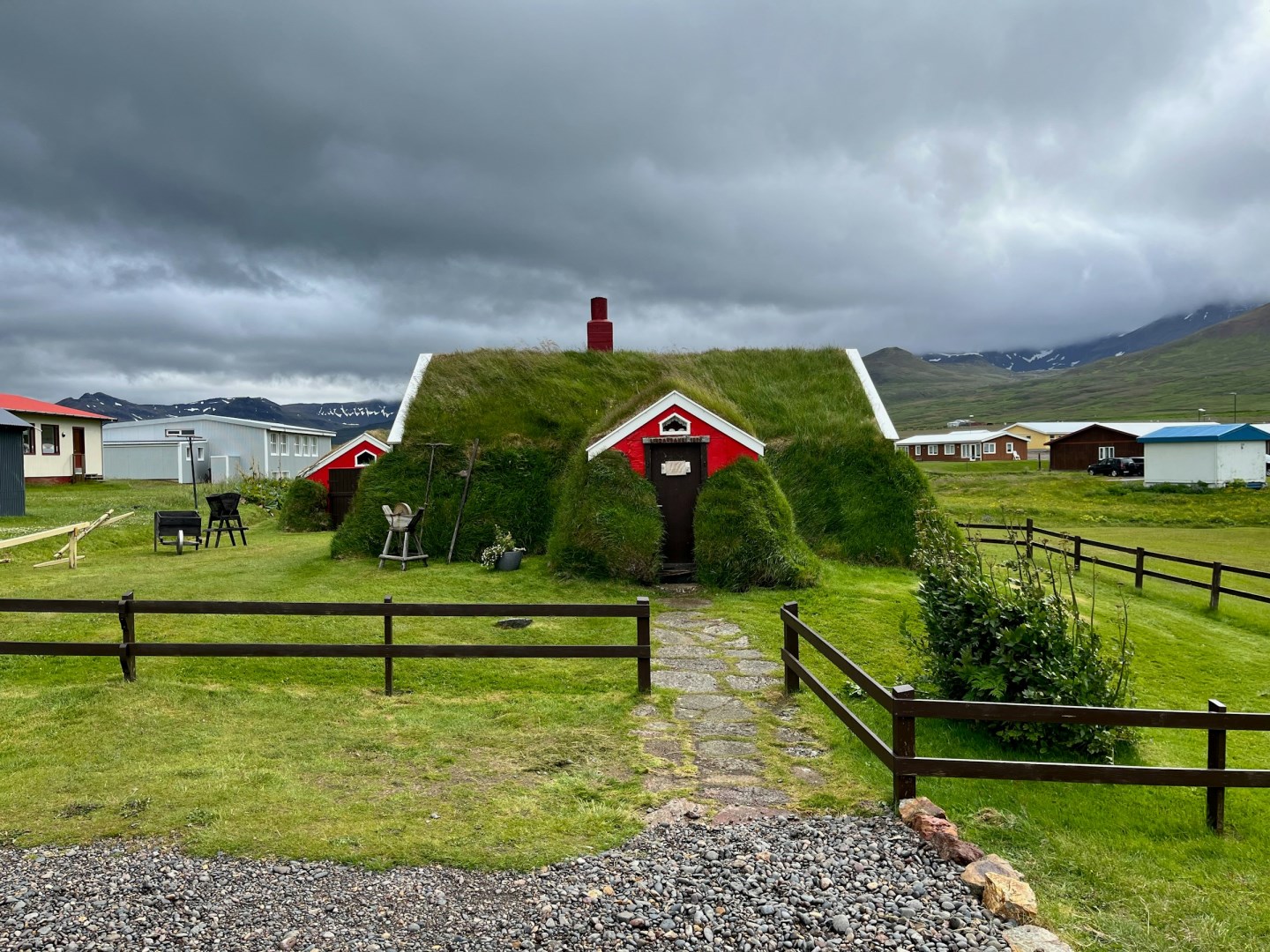
Bakkagerði
Bakkagerði is a small village in Borgarfjörður Eystri on Iceland’s remote east coast, surrounded by steep mountains, narrow valleys, and the North Atlantic. The village serves as the main settlement and service center for the fjord, with a small harbor and colorful houses scattered beneath the surrounding peaks. Its isolated location gives Bakkagerði a strong connection to the landscape and to traditional rural life.
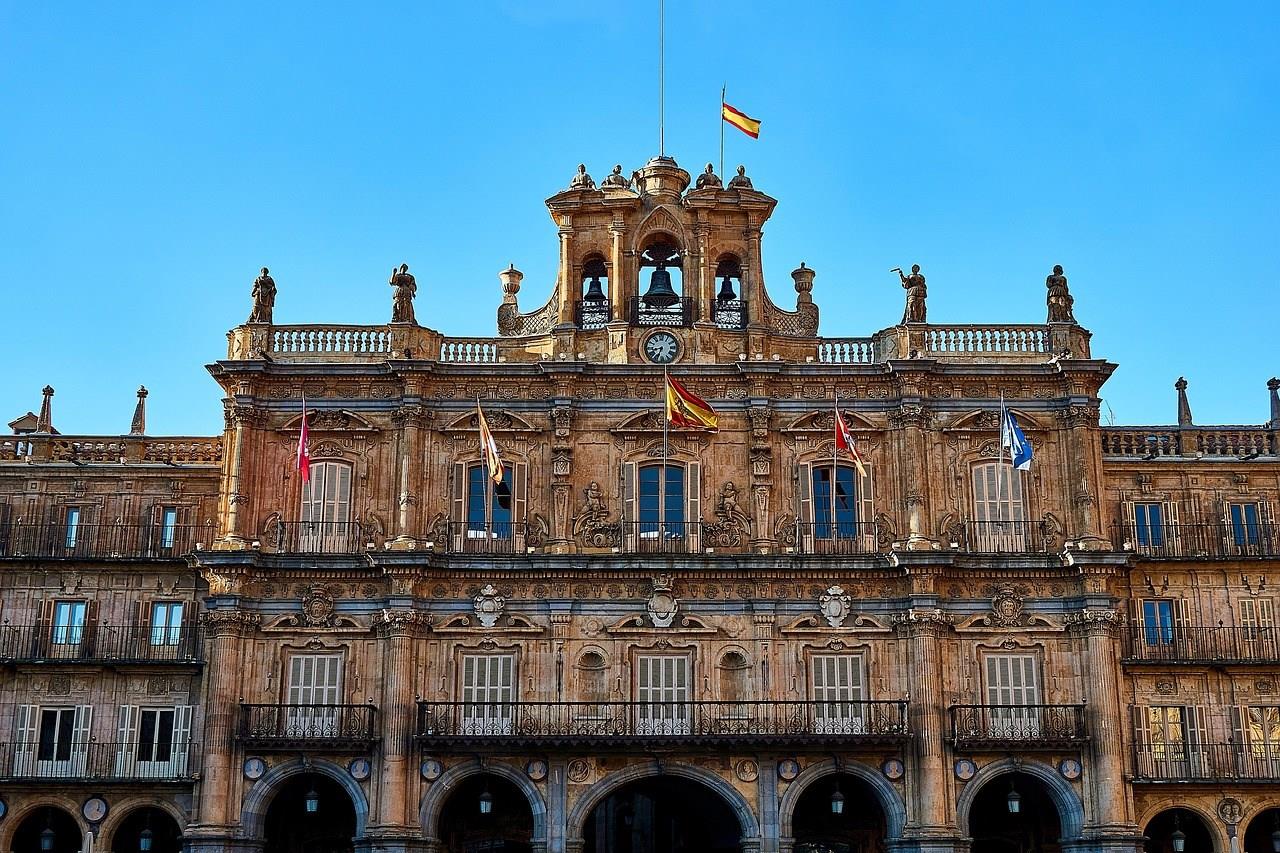
Salamanca
Salamanca, often called the “Golden City” for the warm glow of its sandstone buildings, is a place where centuries of stories are etched into every wall. Visit its historic center to wander through cobbled streets lined with architectural marvels. The University of Salamanca, founded in 1218, is one of the oldest in Europe and still buzzes with student life.
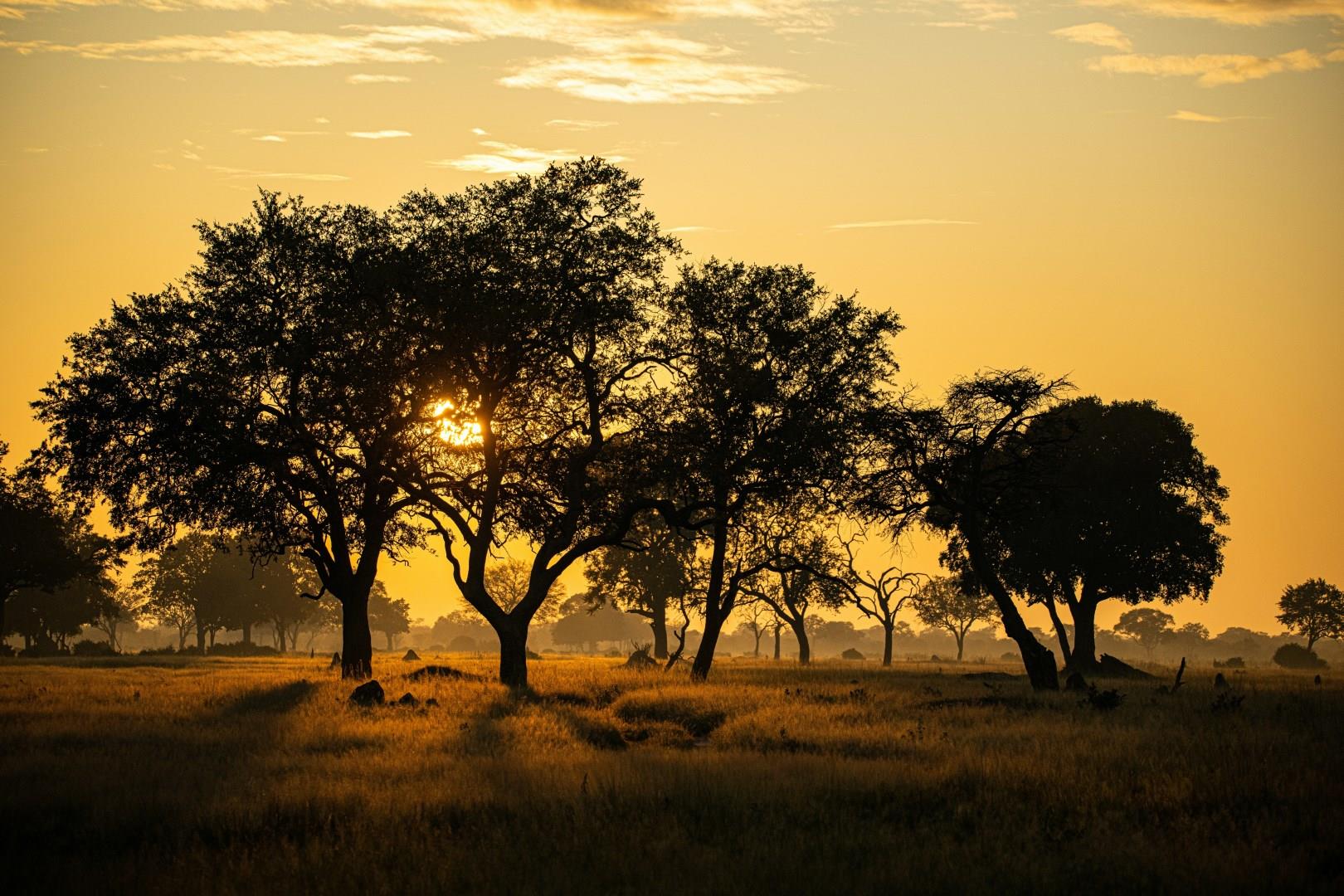
Hwange National Park
Hwange National Park, located in western Zimbabwe, is the country’s largest protected area and one of Africa’s premier wildlife reserves. Covering more than 14,600 square kilometers, it is renowned for its extraordinary diversity of animals and habitats.
