Rothenburg
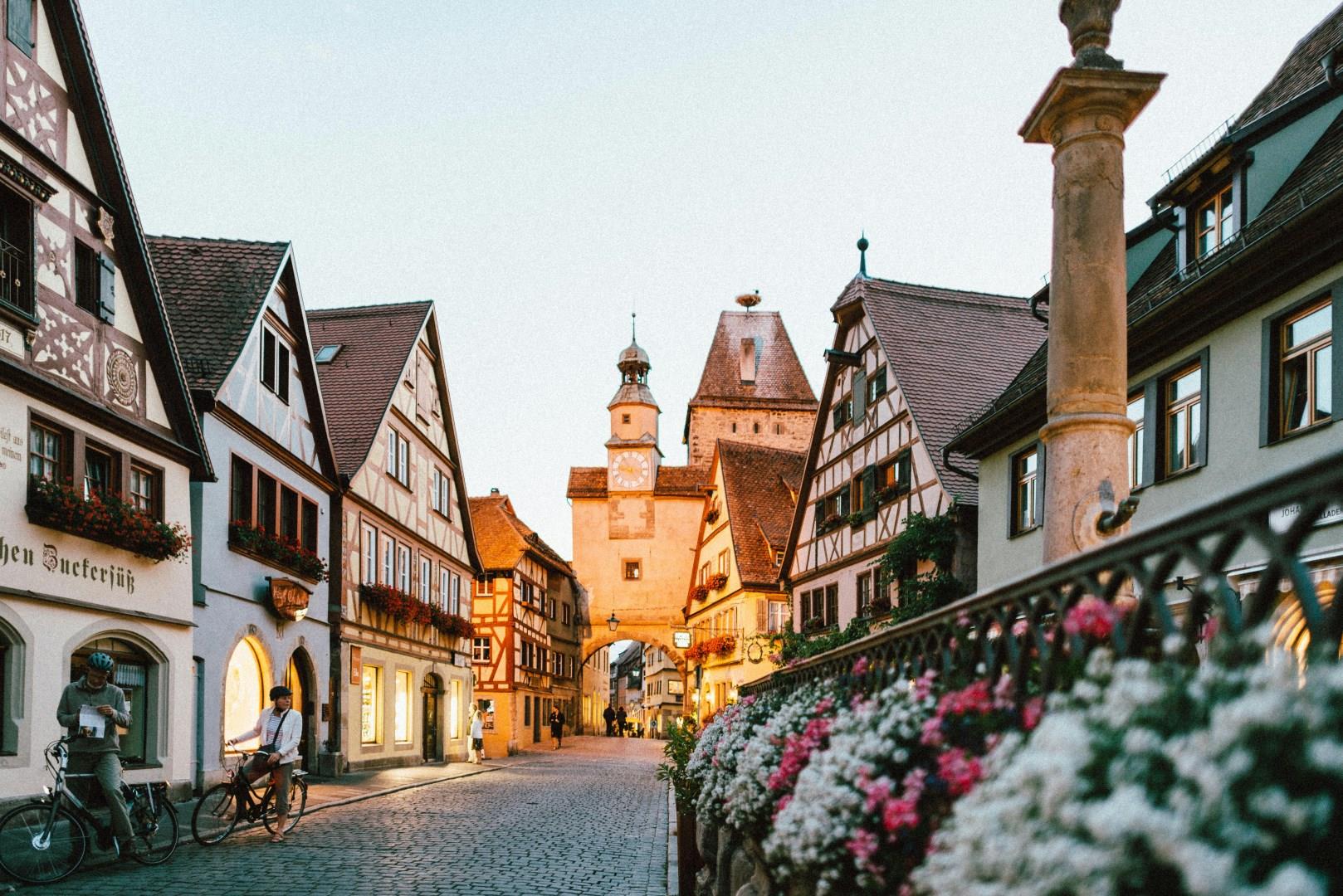
Rothenburg ob der Tauber rises above the Tauber River in Bavaria, where its medieval town center has stood largely unchanged for centuries, making it one of Germany’s most vivid windows into the past. This old walled city stretches along cobblestone streets where half-timbered houses, ancient towers, and narrow alleys invite visitors to wander and imagine life in the Middle Ages.

Nelson
Nelson sits along the West Arm of Kootenay Lake in southeastern British Columbia, embraced by the rugged peaks of the Selkirk Mountains and threaded with over 350 heritage buildings that tell the story of its silver-rush beginnings. A short trip outside town leads to spots like the Salmo–Troup Rail Trail, a wide, gentle path that follows an old rail line for kilometers through forest and alongside rivers.
Pondicherry
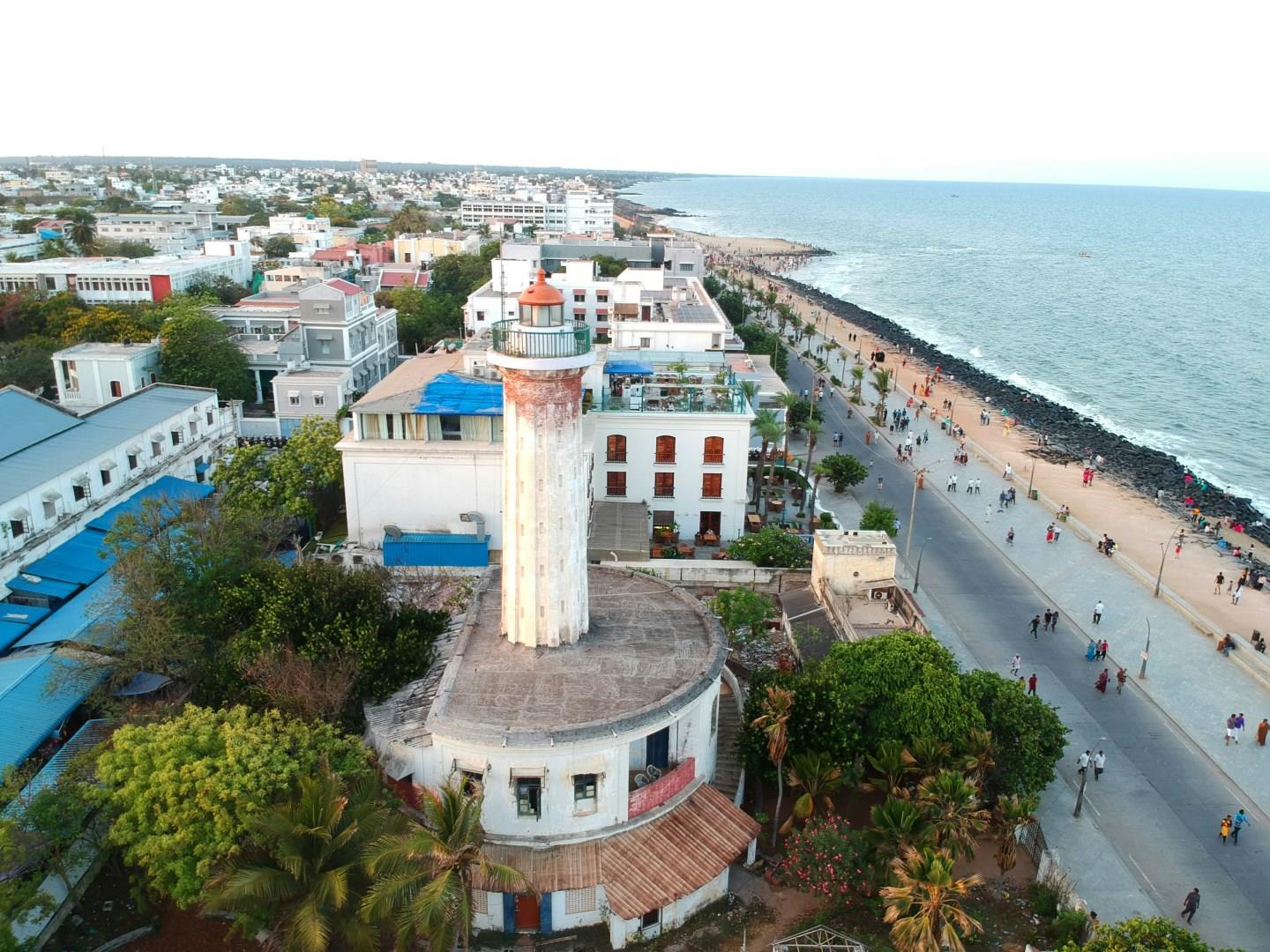
Pondicherry is a coastal town in southern India that still carries traces of its French colonial past. The French Quarter, or White Town, is filled with mustard-yellow buildings, iron-laced balconies, and streets with French names. Visitors can explore this area on foot or by bicycle, stopping at spots like the 18th-century Eglise de Notre Dame des Anges, built in Greco-Roman style, or the French Consulate, which continues to operate from a colonial-era building.
Bartlett
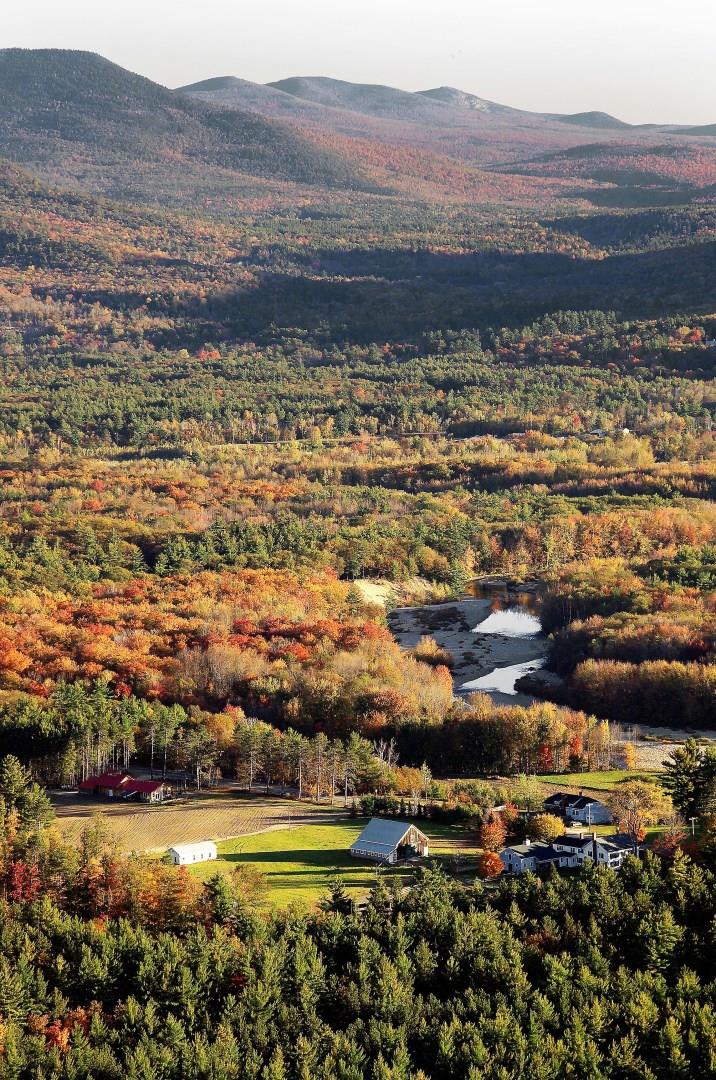
Bartlett, New Hampshire is a small White Mountains town with a deep connection to outdoor adventure and quiet mountain charm. Founded in the late 18th century, Bartlett began as a logging and railroad hub, and remnants of that past still echo through its historic buildings and covered bridges. The Bartlett Roundhouse, a relic from the town’s railway days, now serves as a museum and reminder of how trains once connected this remote region to the rest of New England.
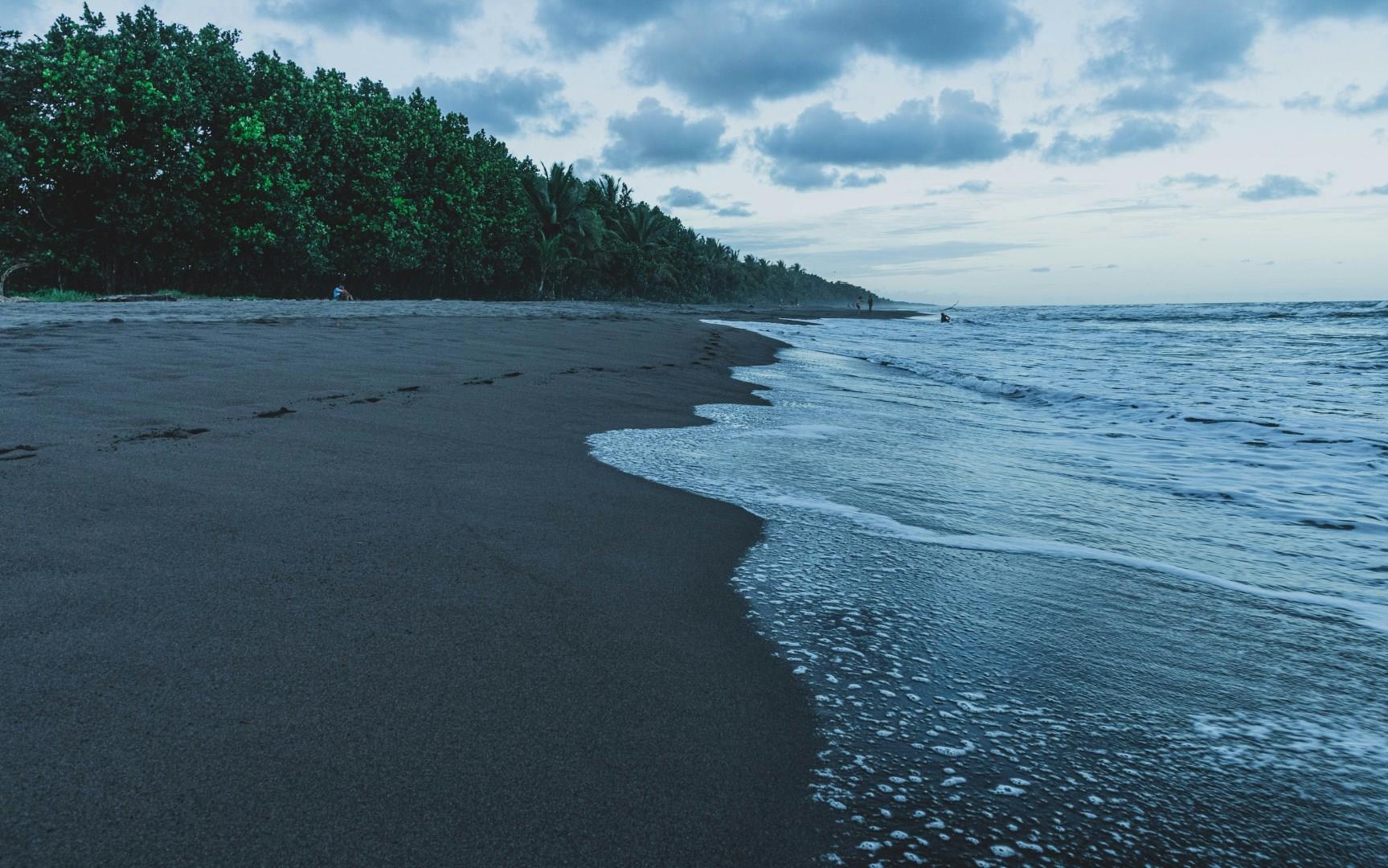
Tortuguero
Tortuguero, located on Costa Rica’s remote northern Caribbean coast, is a destination unlike any other in the country. Accessible only by boat or small aircraft, this coastal village sits between the Caribbean Sea and a network of freshwater canals. Its name, meaning "place of turtles," comes from the thousands of sea turtles that arrive annually to lay their eggs on its beaches, including green, leatherback, and hawksbill turtles.