
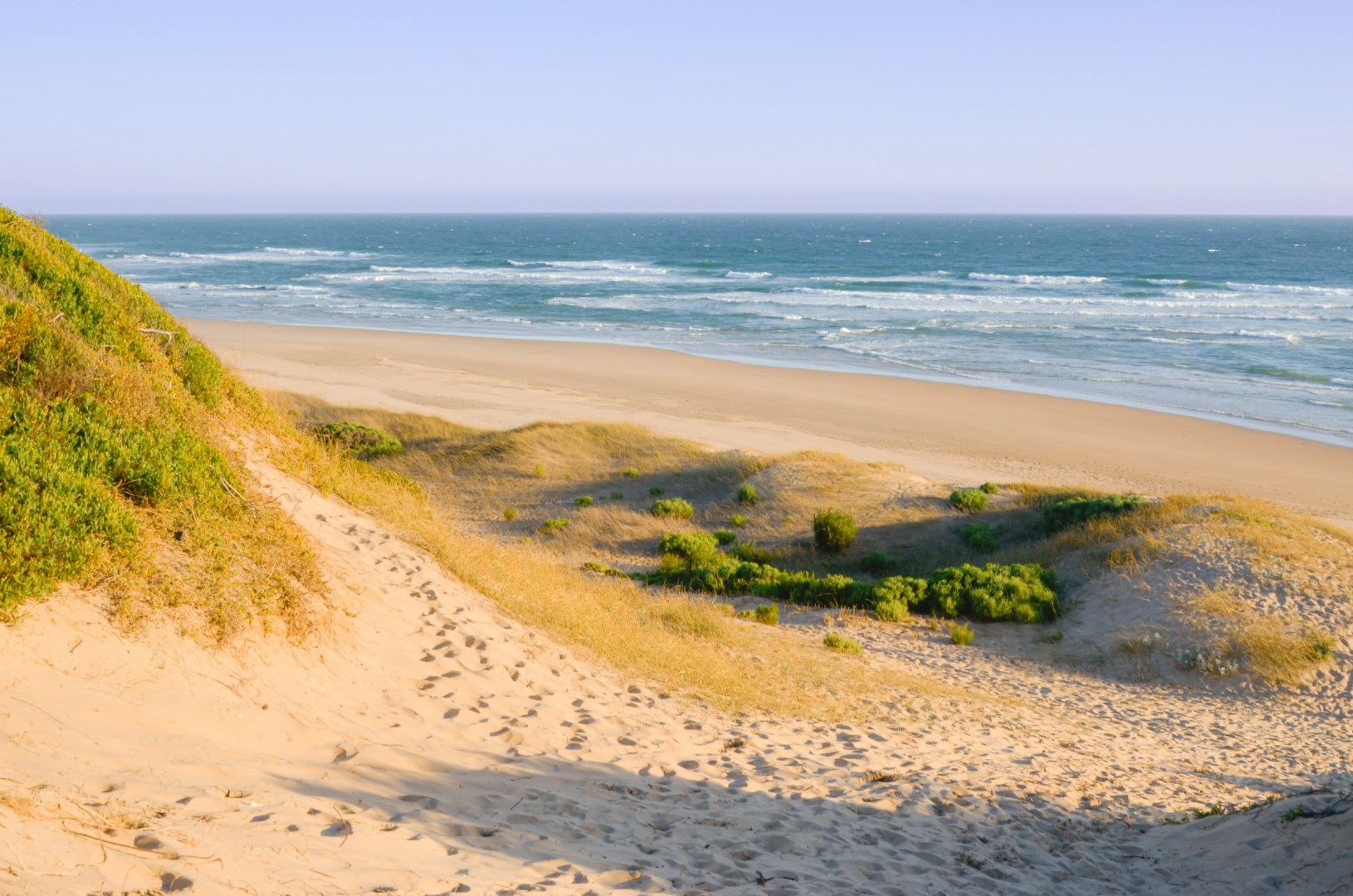
Wilderness
A seaside resort a few miles east of George. Known for its wonderful beaches backed by northward cliffs giving the area a sense of peace and tranquility.
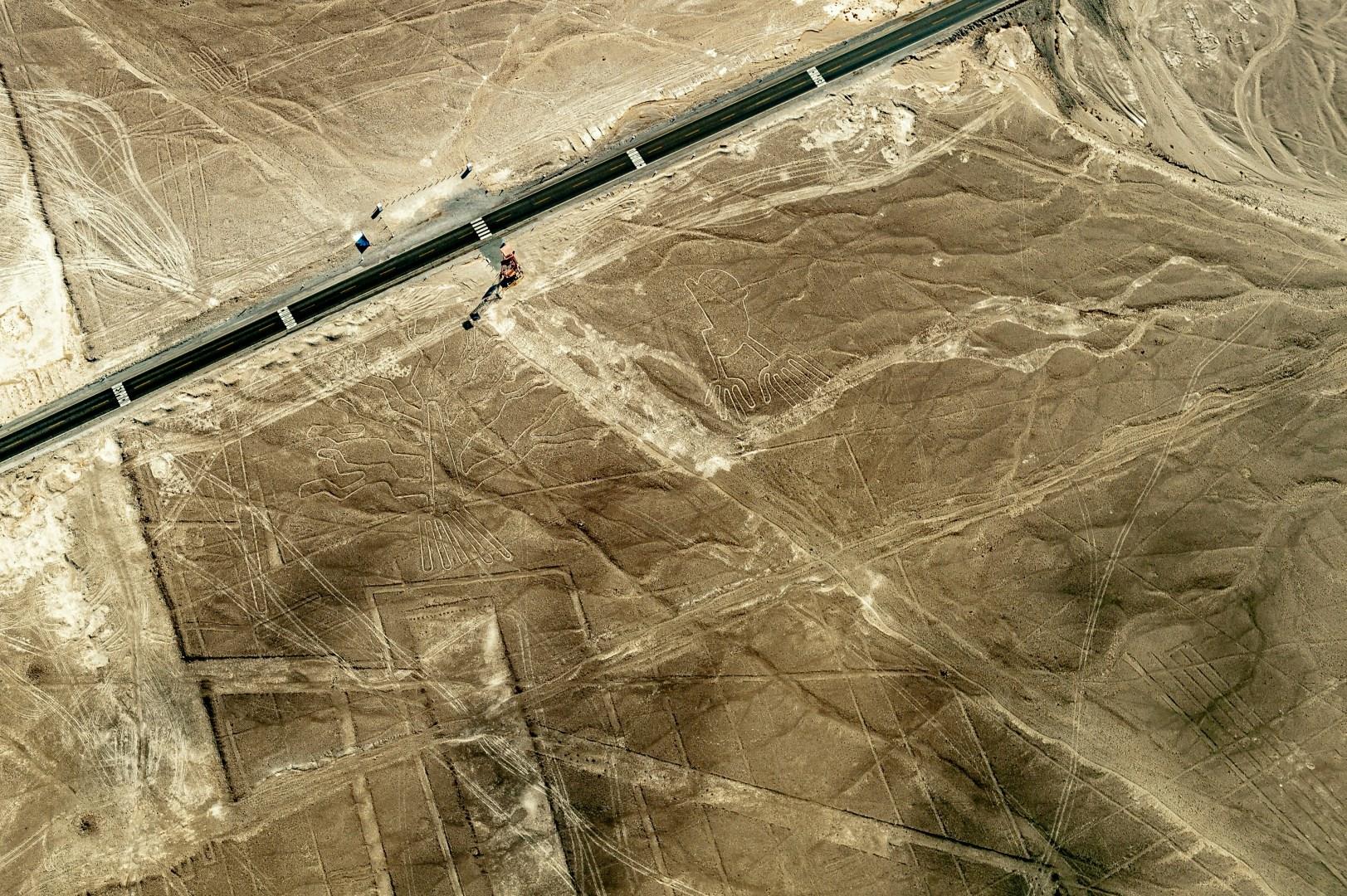
Nazca
In the southern deserts of Peru, Nazca invites visitors to look beyond the horizon. This small city is world-famous for the mysterious Nazca Lines, enormous geoglyphs etched into the desert floor more than 1,500 years ago. From the air, shapes like hummingbirds, monkeys, and even a stylized astronaut come into view, some stretching over 300 meters. Their exact purpose remains a mystery, fueling decades of theories.
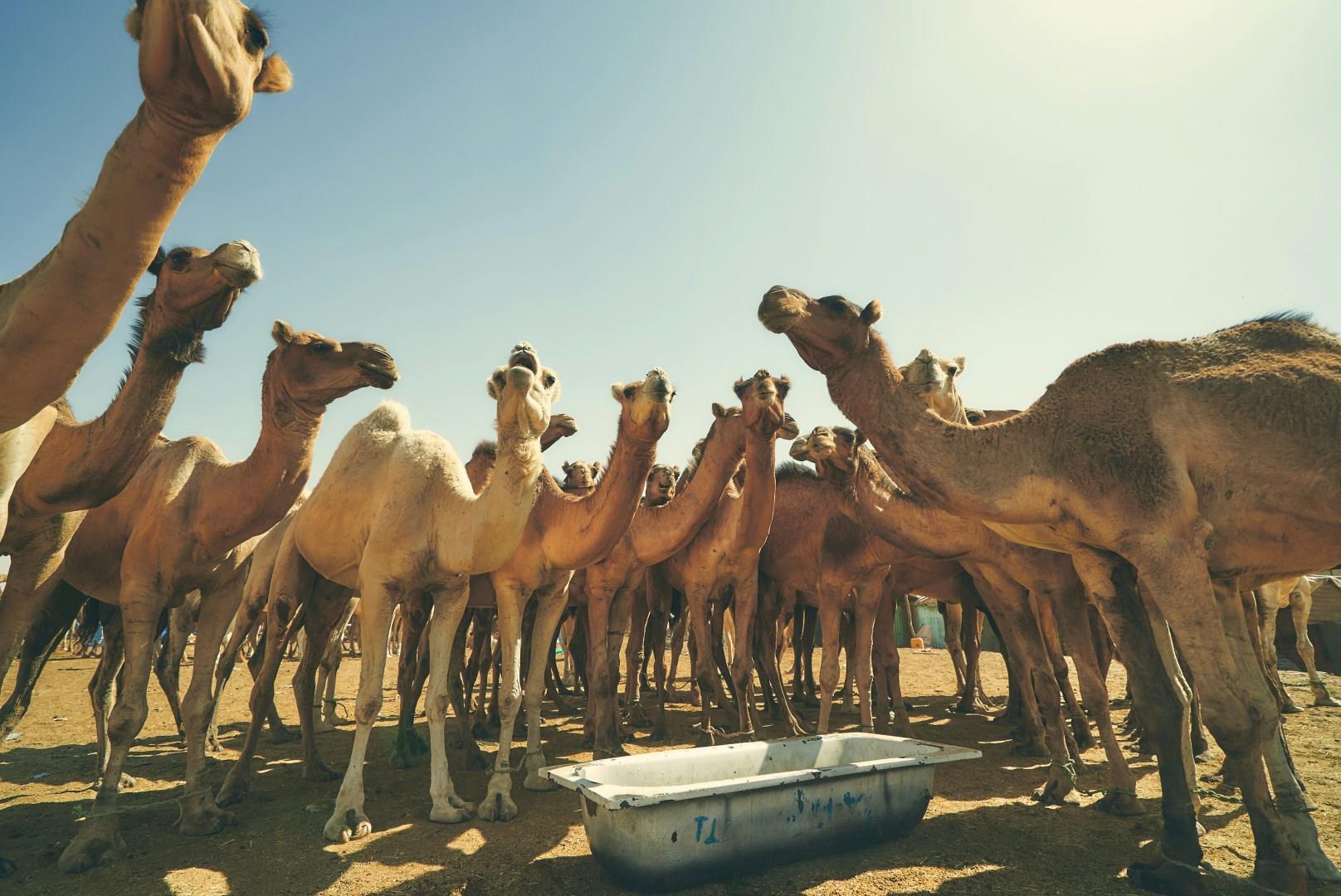
Nouakchott
Nouakchott, the capital of Mauritania, is a city that blends the desert’s quiet rhythms with the daily life of a growing urban center. Its coastal setting, unique cultural traditions, and access to the desert make Nouakchott both an introduction to Mauritania and a gateway to exploring the country further.
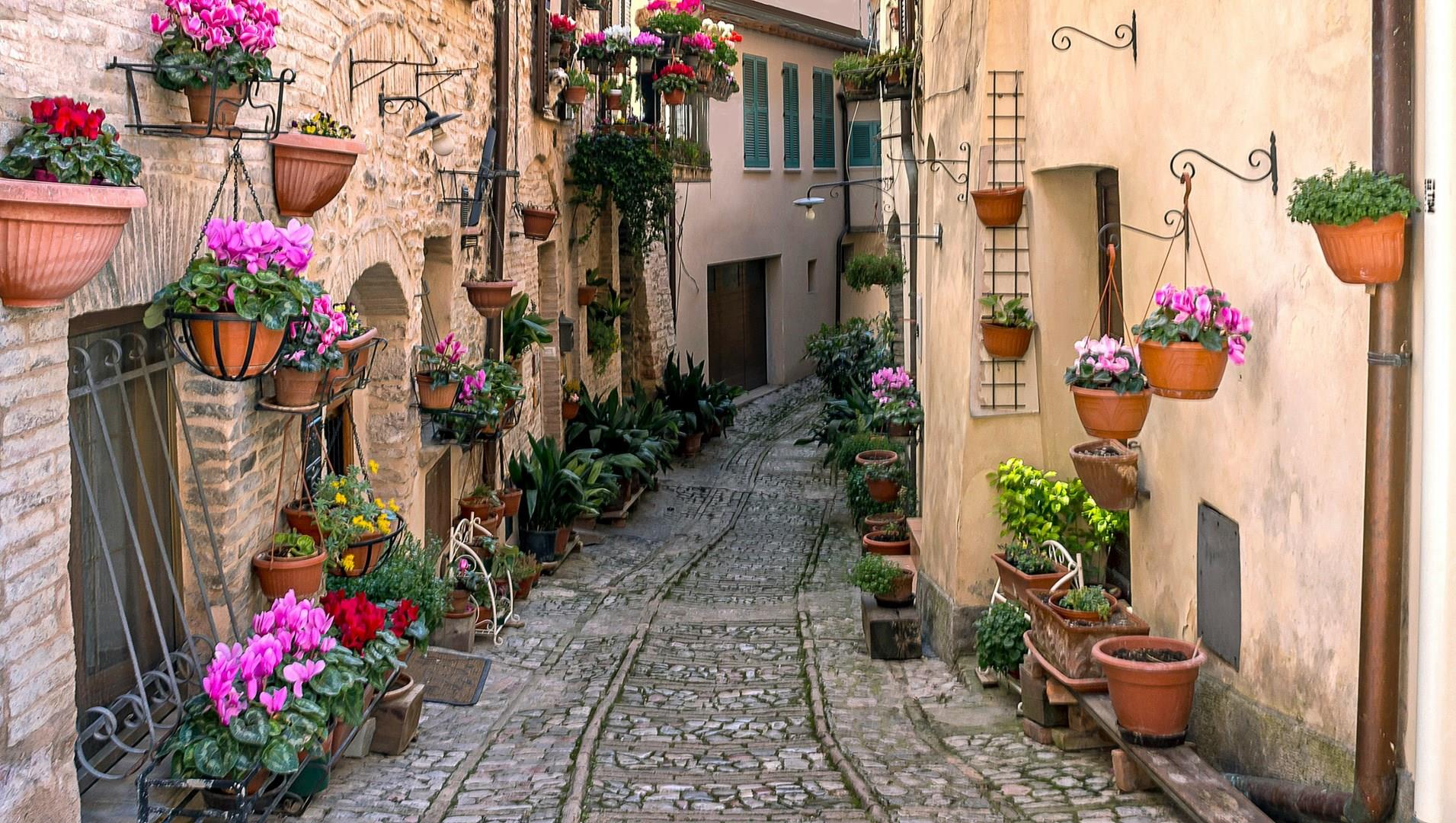
Spello
Spello sits high on the slopes of Mount Subasio in the heart of Umbria, where visitors step into a place shaped by centuries of history. Each year, Spello’s streets become a living canvas during the Infiorate di Spello, a long-standing celebration tied to Corpus Christi. Residents work through the night before the feast to lay flower petals along the town’s main thoroughfares, creating patterns and images that stretch for over a mile.
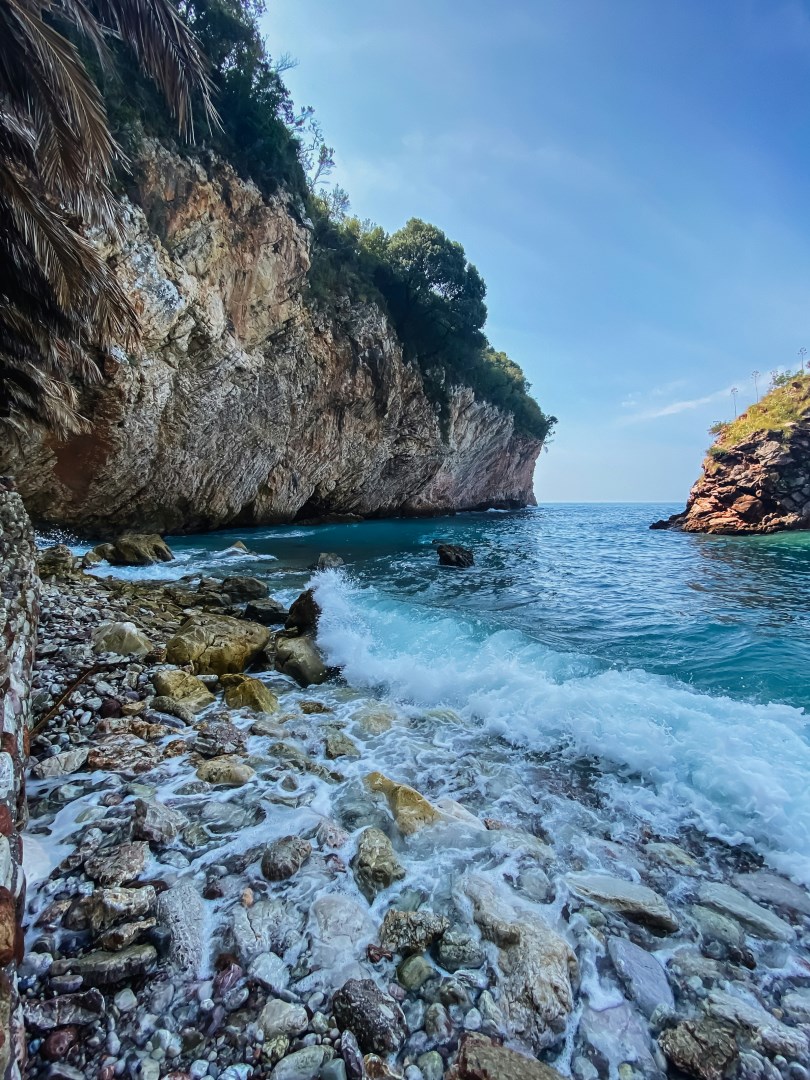
Adriatic Sea
The Adriatic Sea, a stunning crescent-shaped expanse of turquoise water between the Italian Peninsula and the Balkan Peninsula, offers a captivating destination for travelers seeking both natural beauty and rich history. Stretching from the Gulf of Trieste in the north to the Gulf of Kotor in the south, this Mediterranean gem is renowned for its crystal-clear waters, charming coastal towns, and diverse marine life. The pristine beaches of Croatia's Dalmatian Coast and Montenegro's Bay of Kotor p
