

Belize City
A frequent stop for Caribbean cruises, this Central American destination will delight you with local flea markets, museums, and delicious eats.
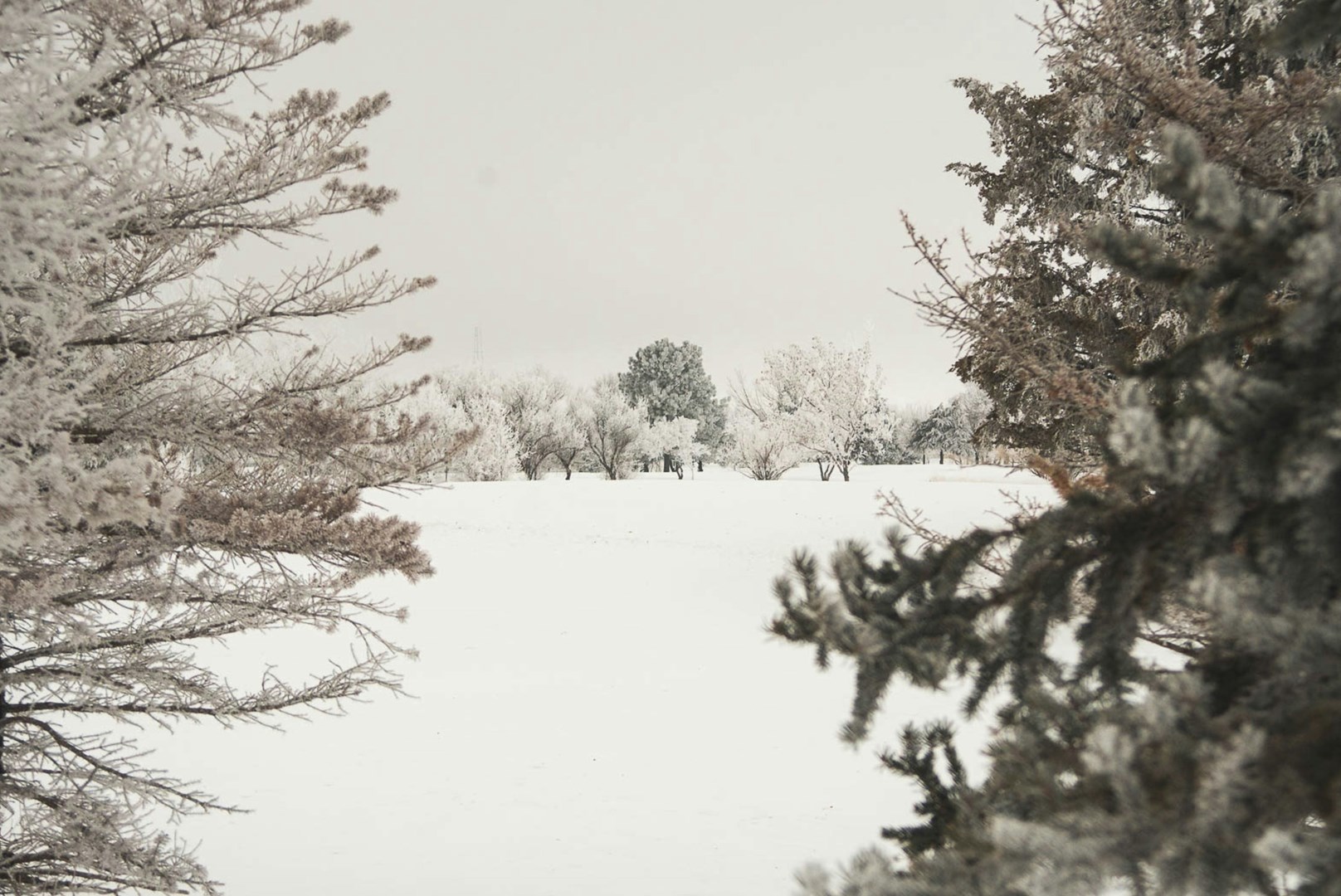
Aberdeen
Aberdeen is a city in northeastern South Dakota, United States, situated on the northern Great Plains near the James River. As the county seat of Brown County, it serves as a regional center for agriculture, education, healthcare, and commerce.

Nunavut
Nunavut comprises a major portion of Northern Canada, and most of the Canadian Arctic Archipelago. Its vast territory makes it the fifth-largest country subdivision in the world, as well as the largest in North America.
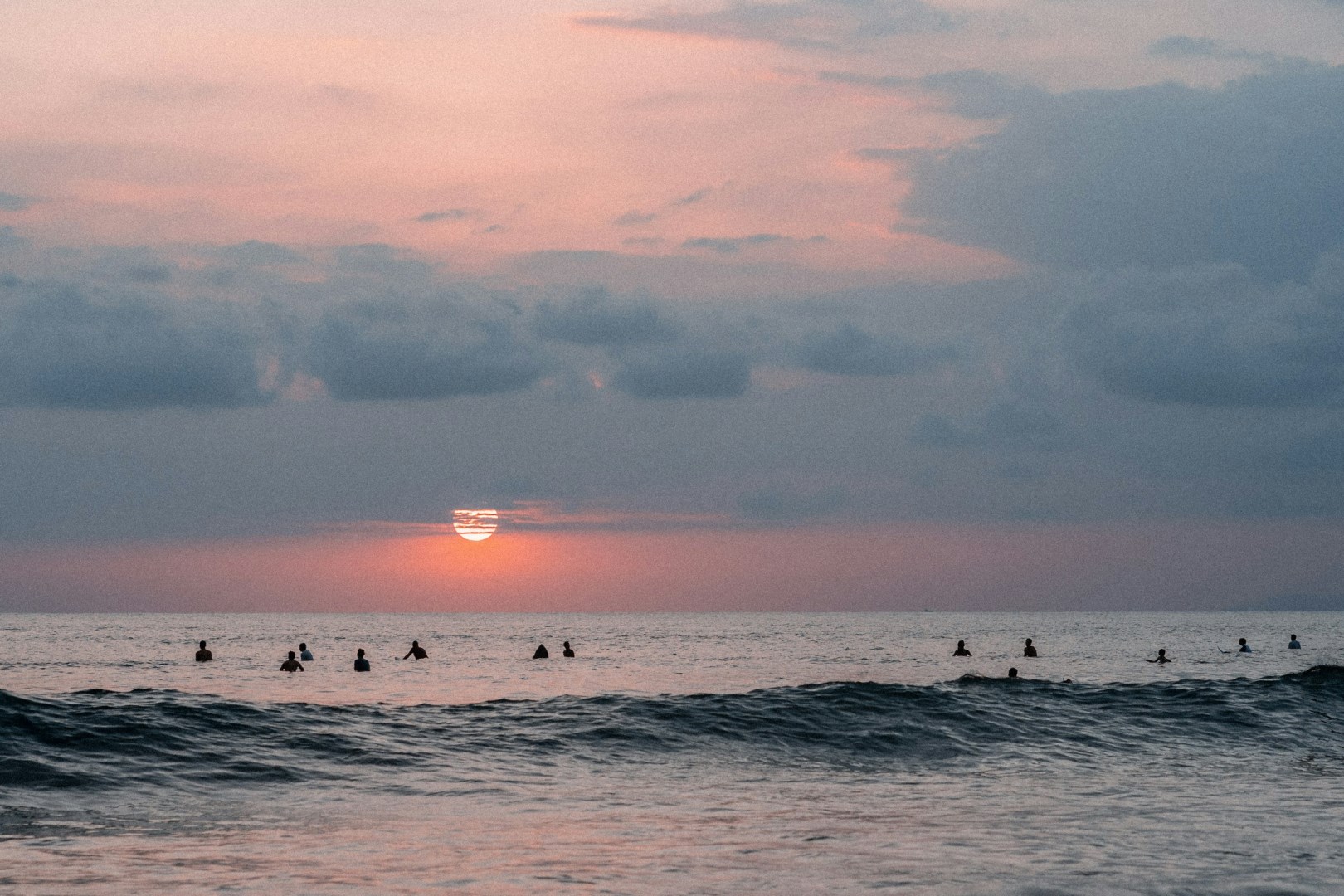
Jaco Beach
A popular resort area with a white sandy bay, Jaco is a quiet place. Approximately a one hour and 45 minute drive from San Jose.
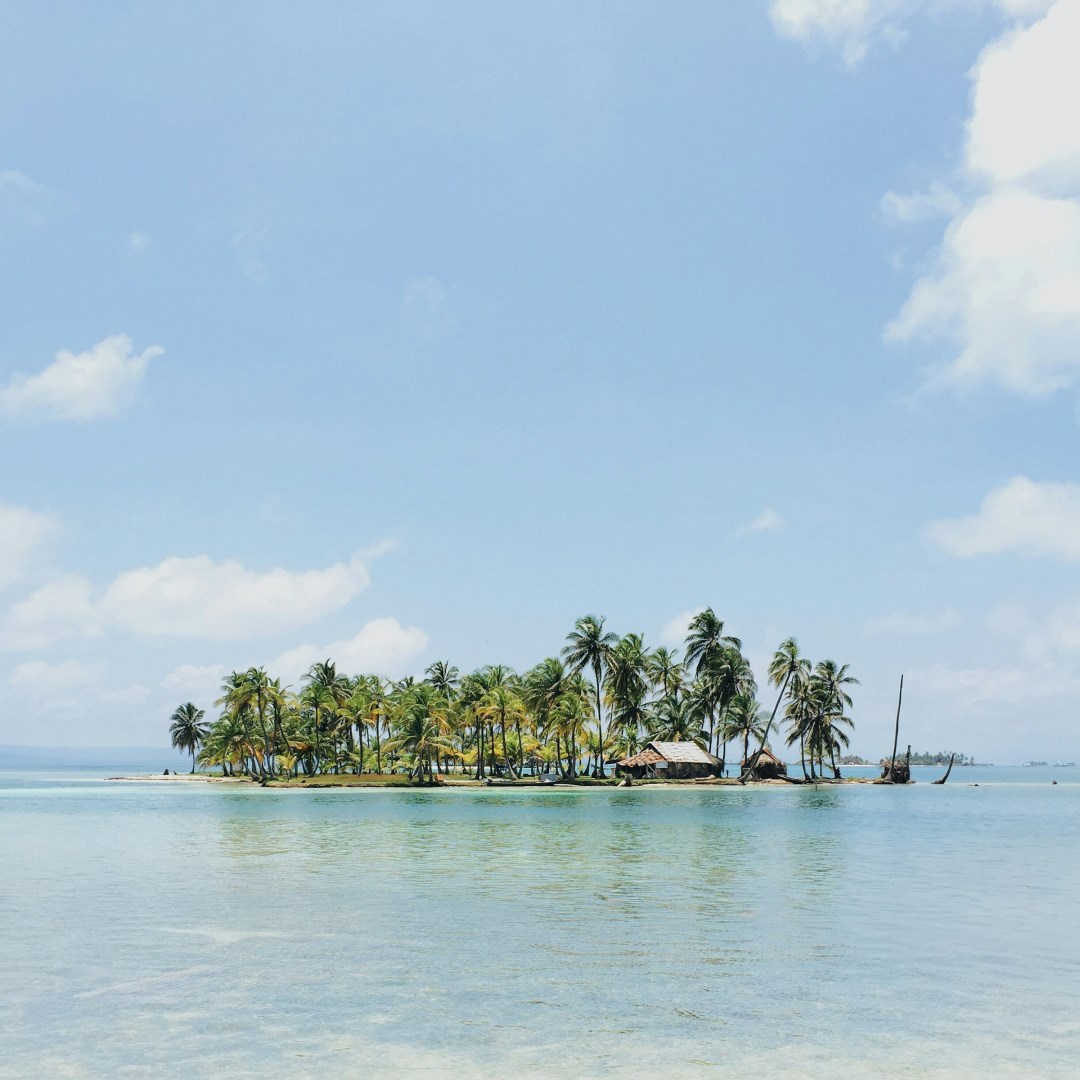
Kuna Yala
Kuna Yala, officially known as Guna Yala, is an Indigenous comarca along Panama's Caribbean coast, extending from the province of Colón toward the border with Colombia. Its best-known feature is the Guna Yala archipelago, made up of hundreds of small islands and islets surrounded by coral reefs and clear Caribbean waters. Many islands are low and covered with coconut palms, while others are uninhabited.


