
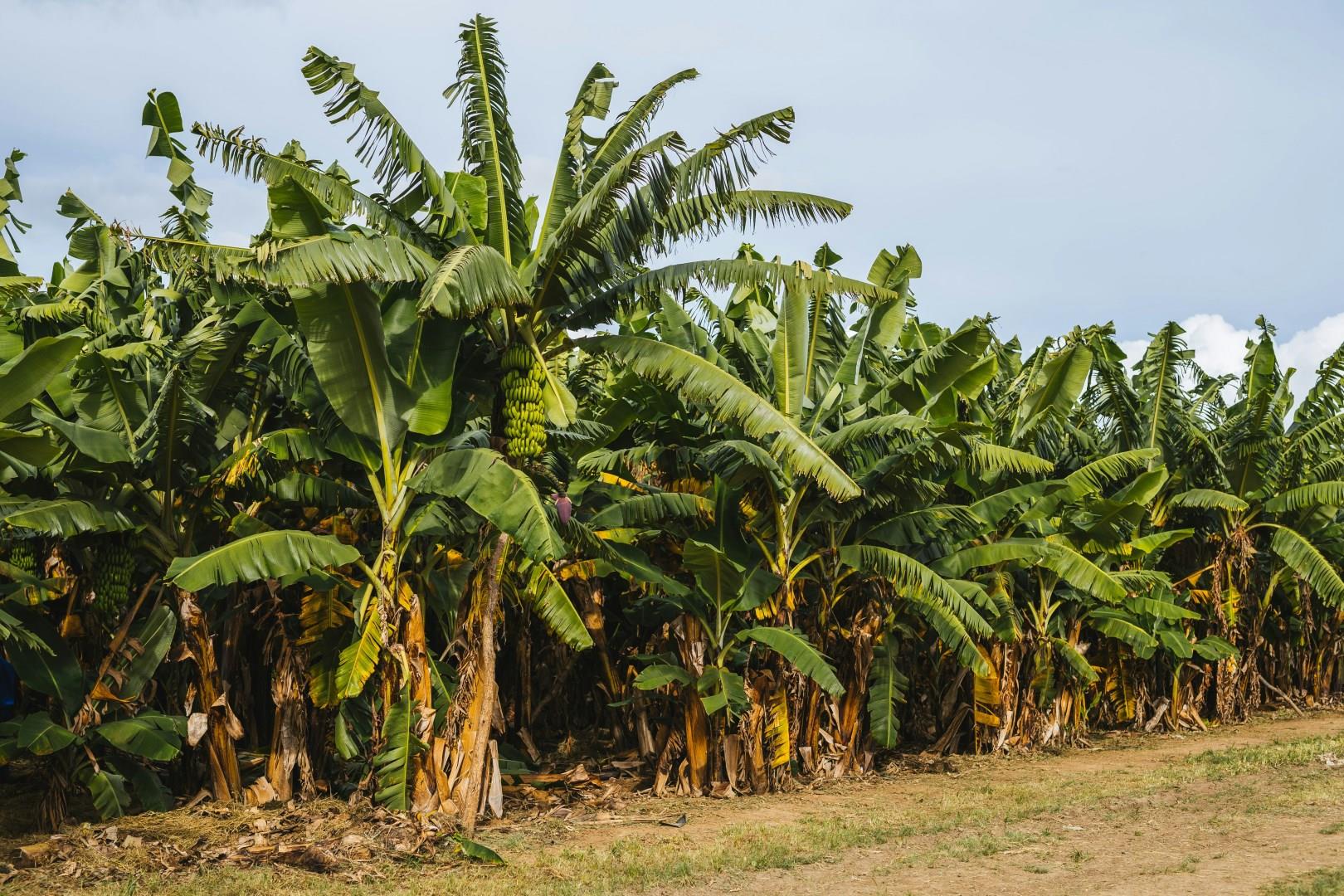
Lusaka
Lusaka, the capital of Zambia, is a city that blends modern energy with authentic African culture. As the country’s largest urban center, it serves as the gateway for travelers exploring Zambia’s natural wonders while also offering its own dynamic experiences.
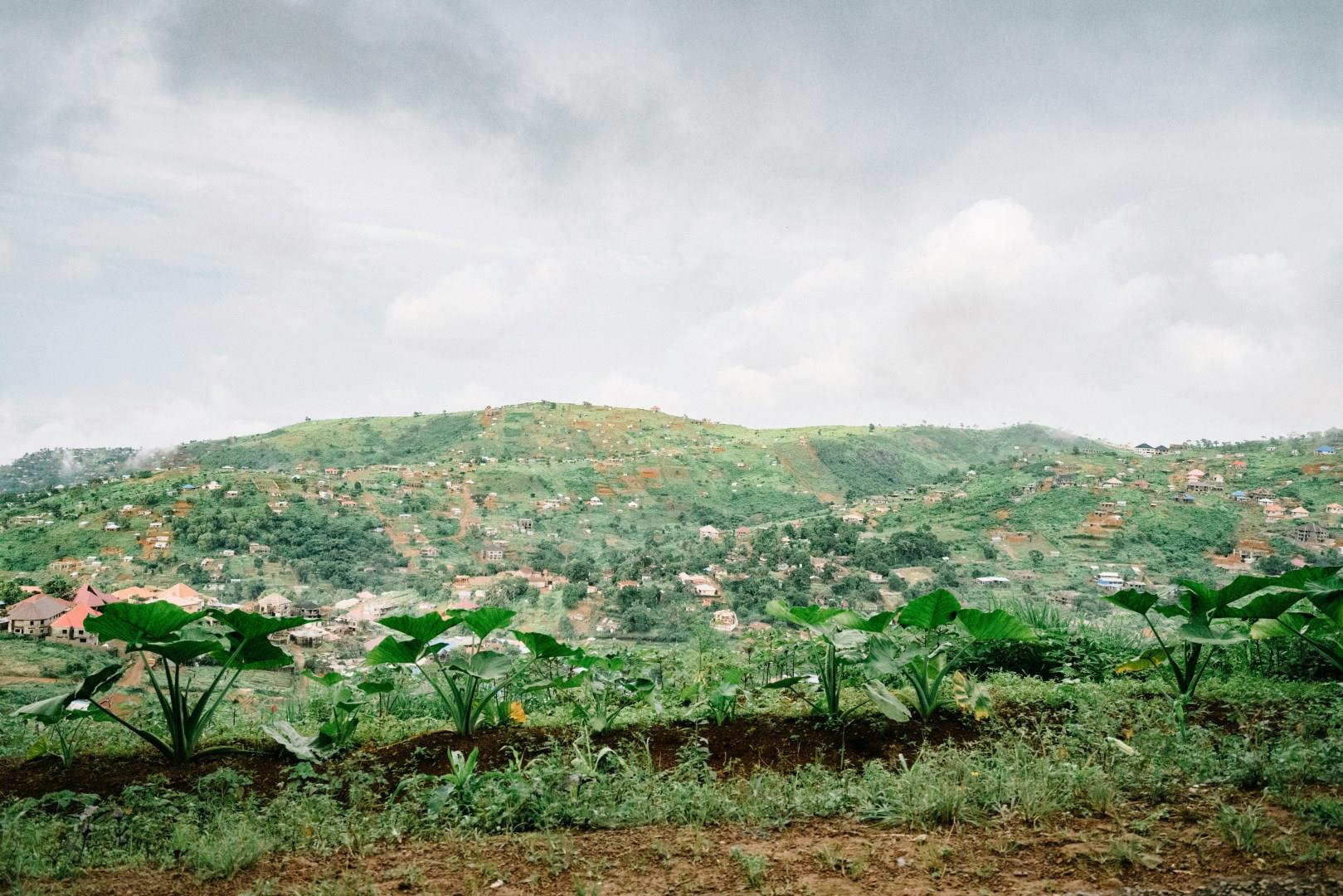
Freetown
Freetown, the capital of Sierra Leone, is a city where history and daily life intertwine along the shores of the Atlantic. Founded in 1792 as a settlement for freed slaves from Britain and the Americas, it remains a place of cultural depth and resilience.

Zanzibar
Zanzibar Island, off the coast of Tanzania, is a captivating destination where history and natural beauty converge. The island’s Stone Town, a UNESCO World Heritage Site, is a maze of narrow alleys, vibrant markets, and historical buildings. Wander through the bustling Darajani Market, where local spices, textiles, and crafts create a sensory feast.
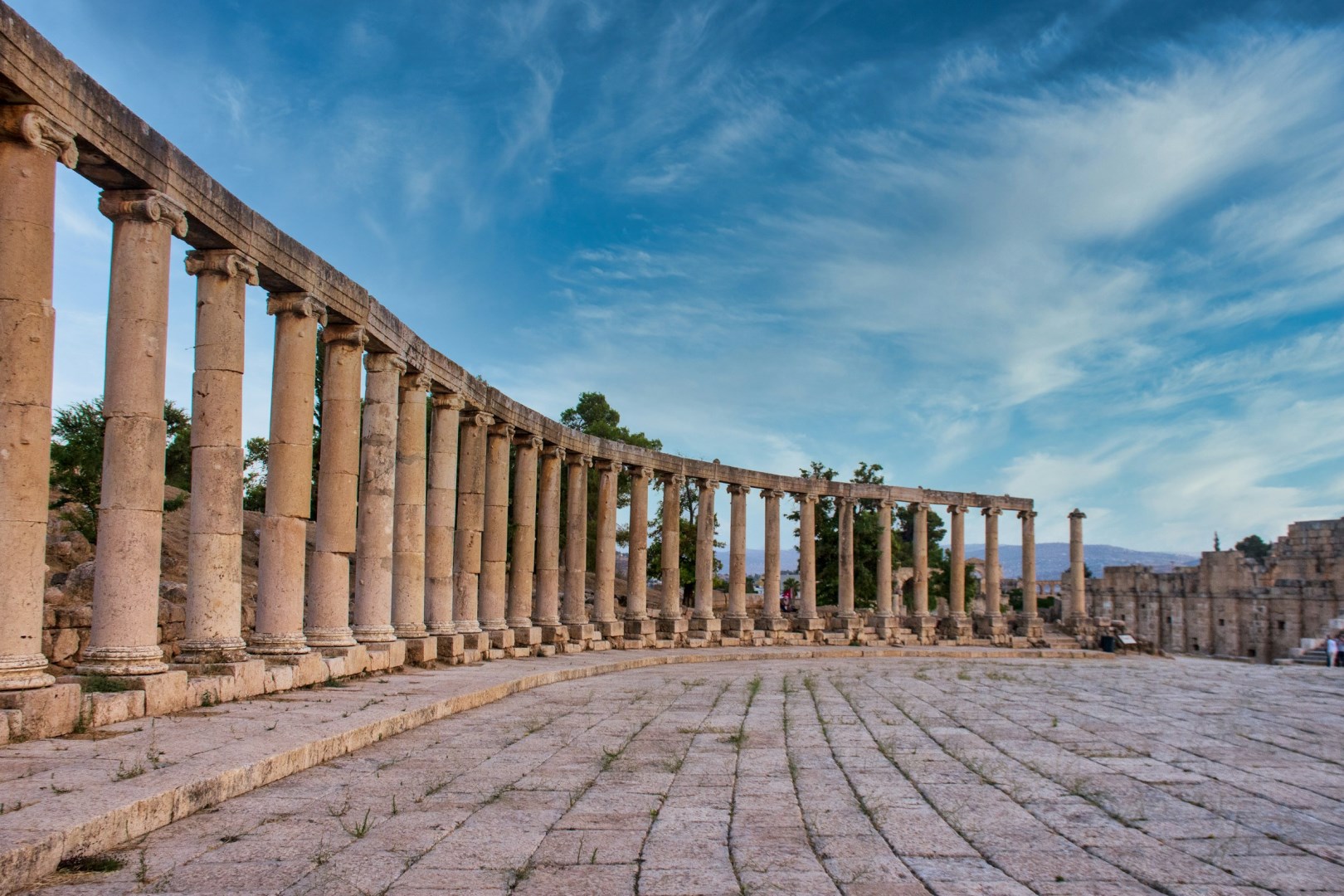
Jerash
Jerash is reached by a short drive (29 miles, 47km) north of Amman and is an ancient Graeco-Roman city, once known as Gerasa. It has been dubbed the 'Pompeii of the East', because of its extraordinary state of preservation. Jerash is a vast city, which flourished in the centuries immediately preceding and following the Christian era.

Kos
Kos, an enchanting island in Greece’s Dodecanese archipelago, is a gem steeped in both history and natural beauty. Known as the birthplace of Hippocrates, the father of modern medicine, Kos is home to the ancient Asclepeion, a healing temple where Hippocrates taught his students. Visitors can wander through the well-preserved ruins and enjoy sweeping views over the island and the Aegean Sea.
