
Chattanooga
Located in southeast Tennessee, it is the home of the TVA and was the site of two famous Civil War battles: Chattanooga and Chicamauga
Faro
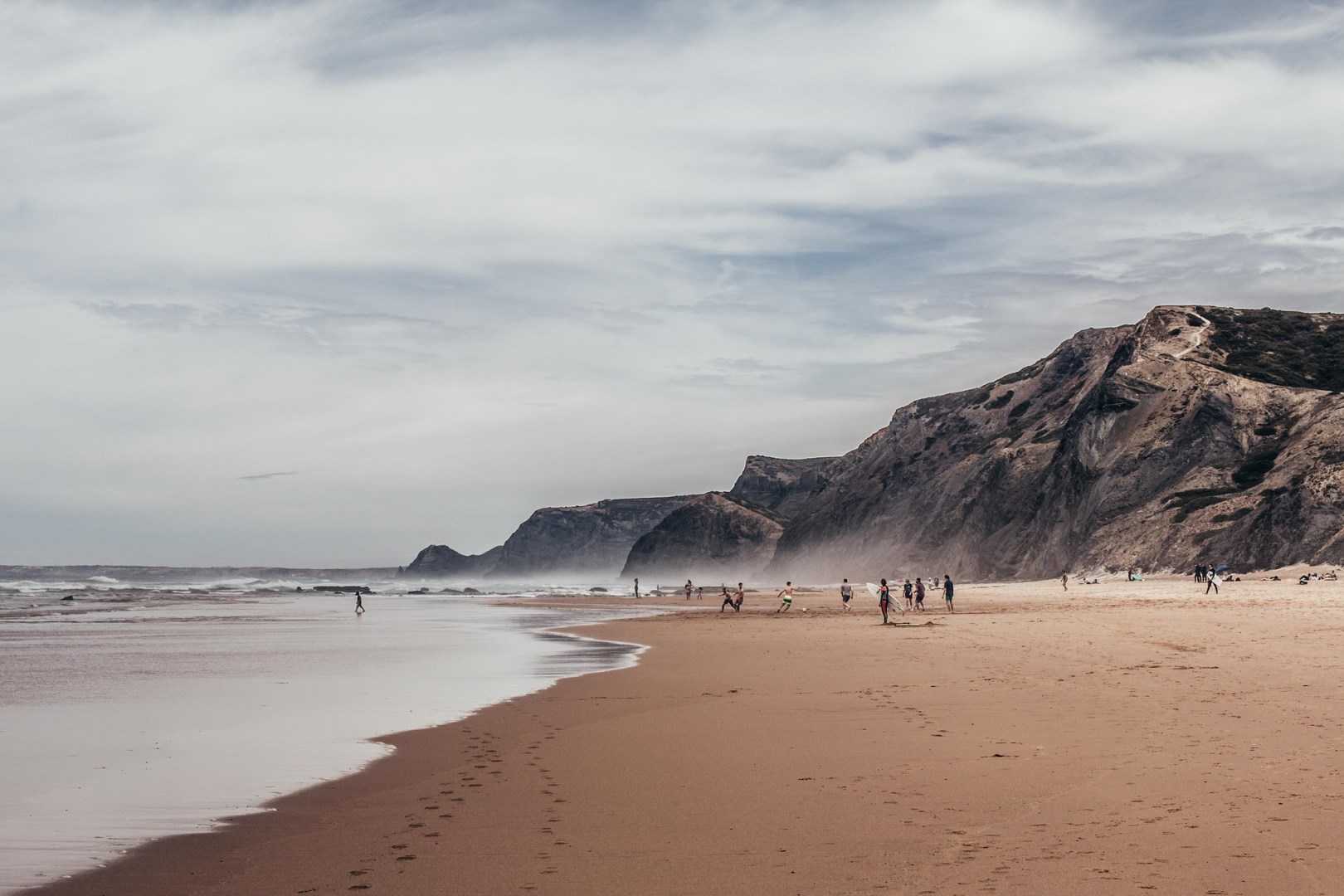
This is the most Moorish part of Portugal, the rich plain south of the Serra do Caldeirao, scalloped by the beaches and headlands of the Algarve. It is where, in early spring, blossoming almond trees carpet the still-brown hillsides with drifts of snow-like flowers, and the plain white facades of little houses are topped by intricately pierced chimneys that look like ice-cream cones.

Astoria
Astoria, Oregon is the state's oldest city. Located on the Columbia River near the Pacific Ocean, Astoria is rich in history, including fishing, canning and the Lewis and Clark Expedition.

St. Martin
St. Martin is a unique Caribbean island that blends two distinct cultures within a single destination. The northern side, Saint-Martin, is an overseas collectivity of France, while the southern side, Sint Maarten, is part of the Kingdom of the Netherlands.
Nouakchott
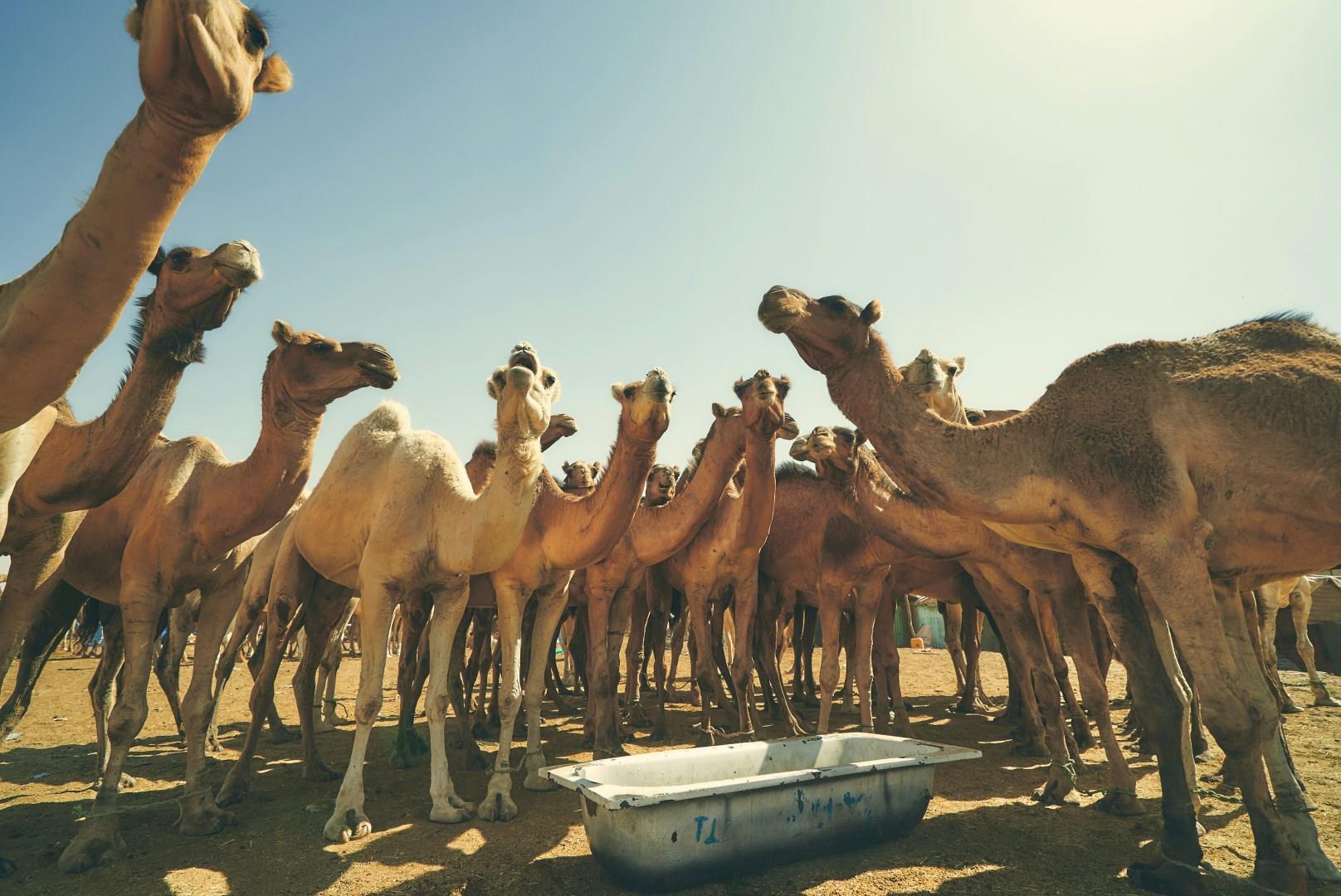
Nouakchott, the capital of Mauritania, is a city that blends the desert’s quiet rhythms with the daily life of a growing urban center. Its coastal setting, unique cultural traditions, and access to the desert make Nouakchott both an introduction to Mauritania and a gateway to exploring the country further.