Madang
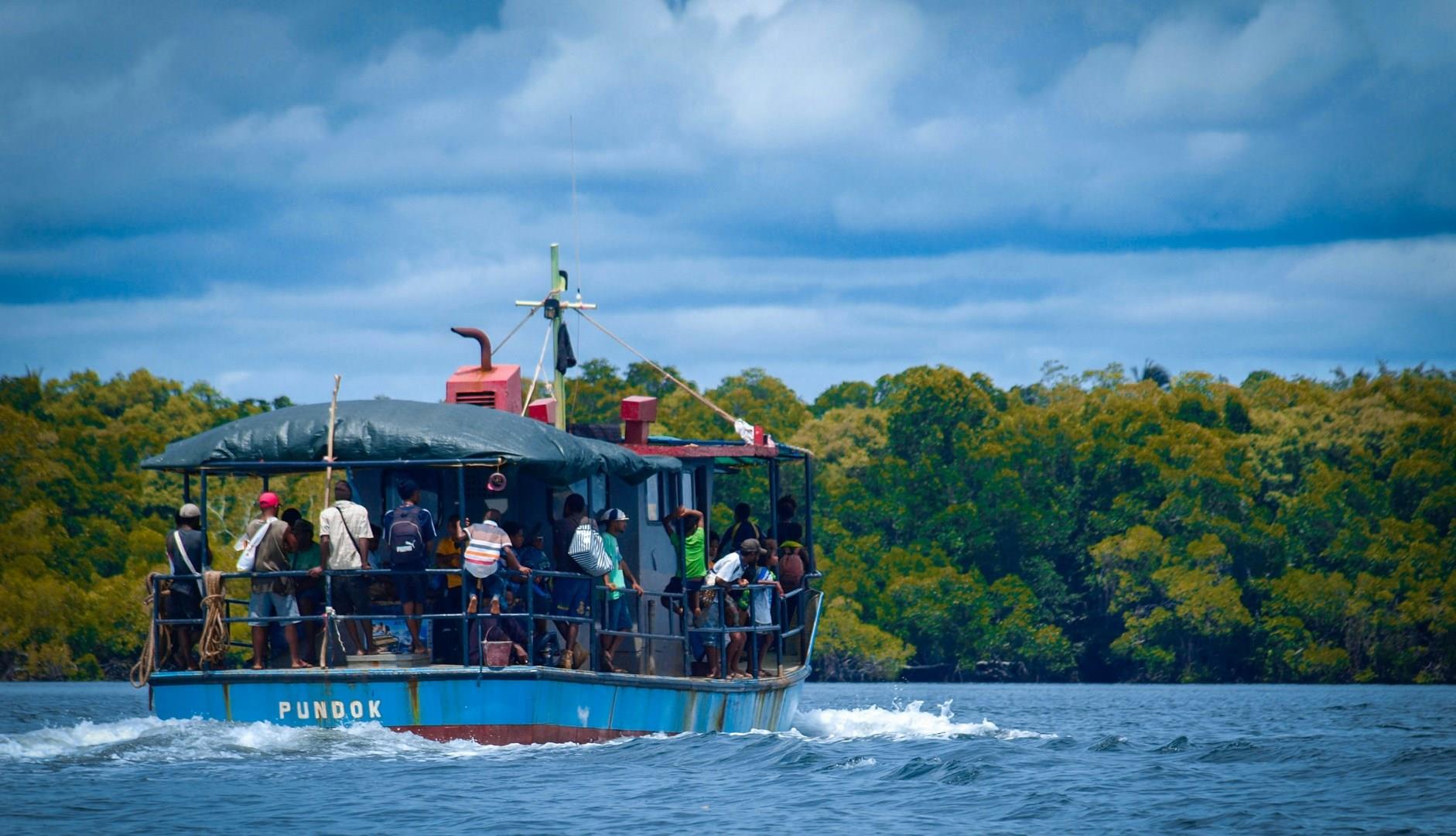
Madang, perched on the edge of Astrolabe Bay, feels like a well-kept secret of Papua New Guinea that’s framed by lush jungles and dotted with volcanic isles. Every June, Madang pulses with energy at the annual Madang Festival. Villages from across the province gather for ceremonies where dancers don feathered costumes, shells, and body paint. The beat of kundu drums rises through the air and stories woven in movement.
Cousin Island
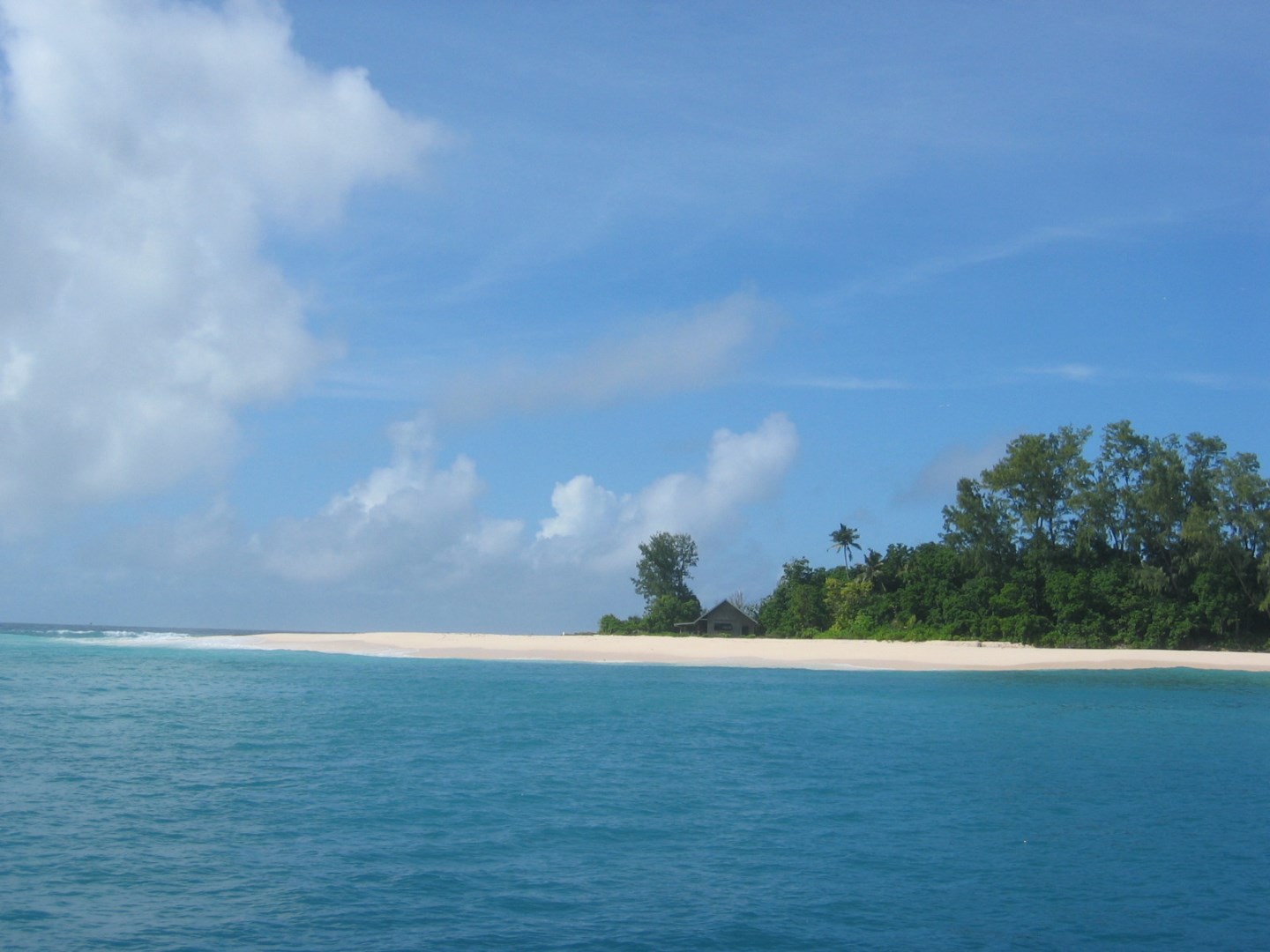
Cousin Atoll, a gem in the Seychelles, is renowned for its unspoiled natural beauty and thriving ecosystems. Located approximately 7 kilometers southwest of Praslin Island, this small, crescent-shaped atoll offers a pristine escape into nature. Its white sandy beaches, crystal-clear waters, and vibrant coral reefs make it an ideal destination for eco-tourists and nature enthusiasts

Warnemunde
Warnemunde (or Warnemünde) is a port city in Germany and a frequent stop on many Northern European cruises. Across the Baltic Sea from Denmark's capital, Copenhagen, this charming seaside city has a number of delightful attractions, including the Warnemünde Lighthouse, a variety of local shops along the marina, and surfing lessons on the beach.

Adelaide
Situated on the coast of South Australia, Adelaide shines as one of Australia’s cultural centers and boasts extraordinary natural beauty throughout.

Stromboli
Stromboli is a small volcanic island in the Tyrrhenian Sea, just off the north coast of Sicily. Referred to by some as the "Lighthouse of the Mediterranean," Stromboli is in a constant state of mild volcanic activity, so don't venture out on a hike without an experienced guide.