Fátima, a small town in central Portugal, has become one of the most significant pilgrimage sites in the world, drawing millions of visitors annually. The Sanctuary of Fátima, a sprawling complex of religious buildings and monuments, stands at the heart of the town. Pilgrims from all over the globe come to light candles, attend mass, and walk the sacred paths in reverence.
This southern Mexican state borders Guatemala. Its mountainous highlands and dense rainforest are dotted with several Mayan archaeological sites and Spanish colonial towns.
Donegal, a picturesque town nestled in the northwest of Ireland, offers a perfect blend of rich history, rugged landscapes, and a warm Irish welcome. Known for its dramatic coastline along the Wild Atlantic Way, Donegal is a haven for nature lovers, history buffs, and those seeking an authentic slice of Irish life. The town's centerpiece, Donegal Castle, built by the O'Donnell clan in the 15th century, provides a fascinating glimpse into the region's Gaelic heritage.
From grand castles to resplendent cathedrals, Tallinn’s Old Town neighborhood, a UNESCO World Heritage Site, is the perfect place to begin exploring. Enter through Viru Väravad, or Viru Gate, the former fortress whose remaining two towers beckon you into the heart of the city.
Zimbabwe, located in the heart of Southern Africa, is a country defined by dramatic landscapes and a rich cultural heritage. The country’s diverse geography includes sweeping savannas, lush national parks, and striking mountain ranges.
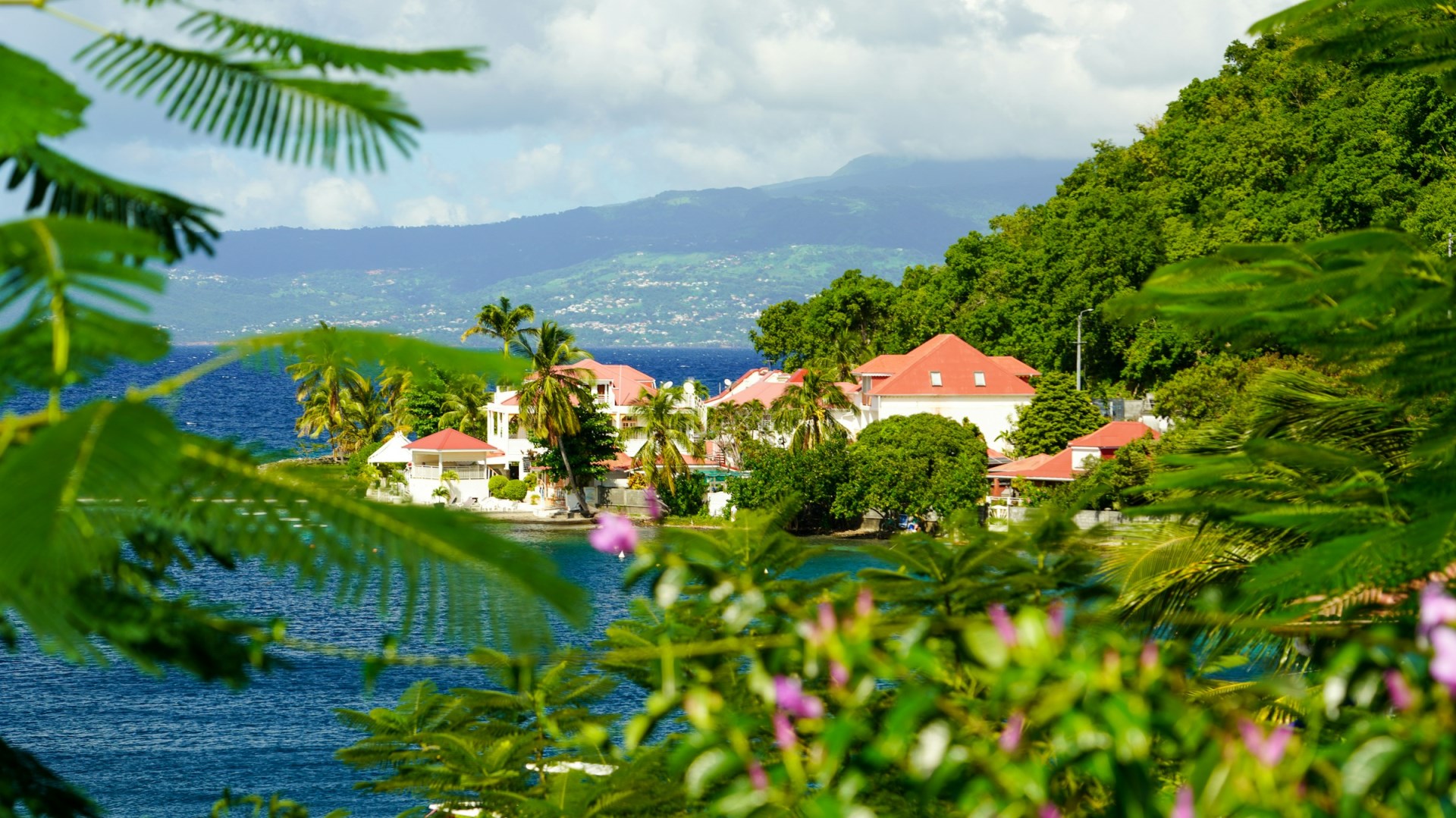
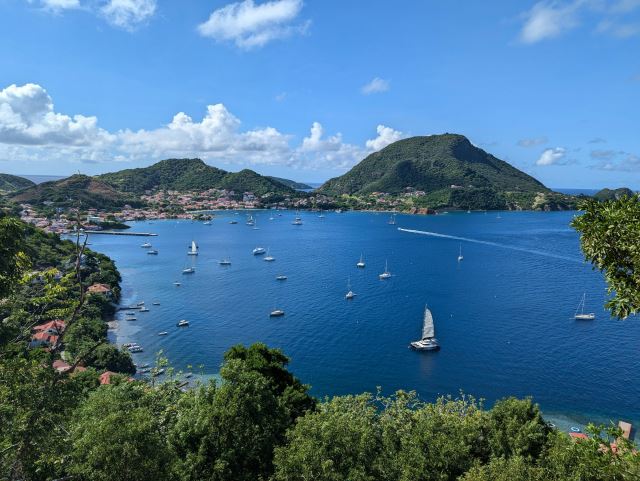
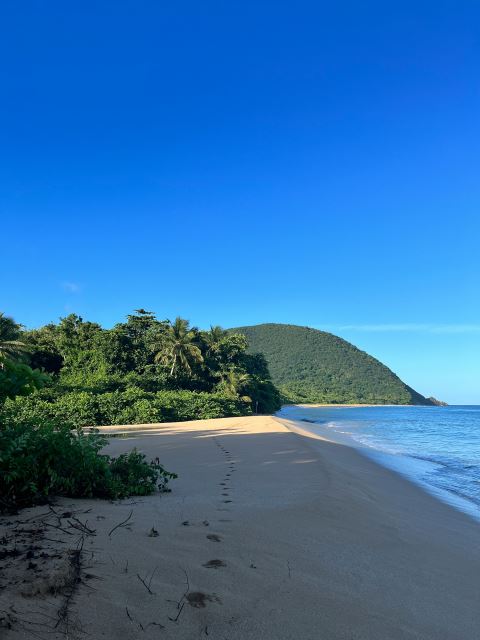
One of the Caribbean's most lively islands, Guadeloupe will charm you with its impressive dormant volcano, stunning tropical forests, and French ambience. Actually composed of two islands, Grand Terre and Basse Terre, Guadeloupe has the honor of hosting one of France's seven Parcs National. Don't miss a chance to try Guadeloupe's famous Creole cuisine.
Center of the Caribbean's Creole culture, boasting a spirited blend of French and African influences, this island archipelago remains largely provincial. It consists of two butterfly-shaped islands. The national emblem is the raccoon, which lives in the forests of Basse-Terre, and mongooses and agoutis are also common. About 334,000 people live on the twin islands, with offshore Marie-Galante the most populous of the surrounding islands with 13,000 people. The majority of the population is drawn from a combination of African, European and East Indian descent. Recently arrived French and those who can trace their ancestry to the early French settlers make up about a quarter of the population. Most visitors require a French entry visa.