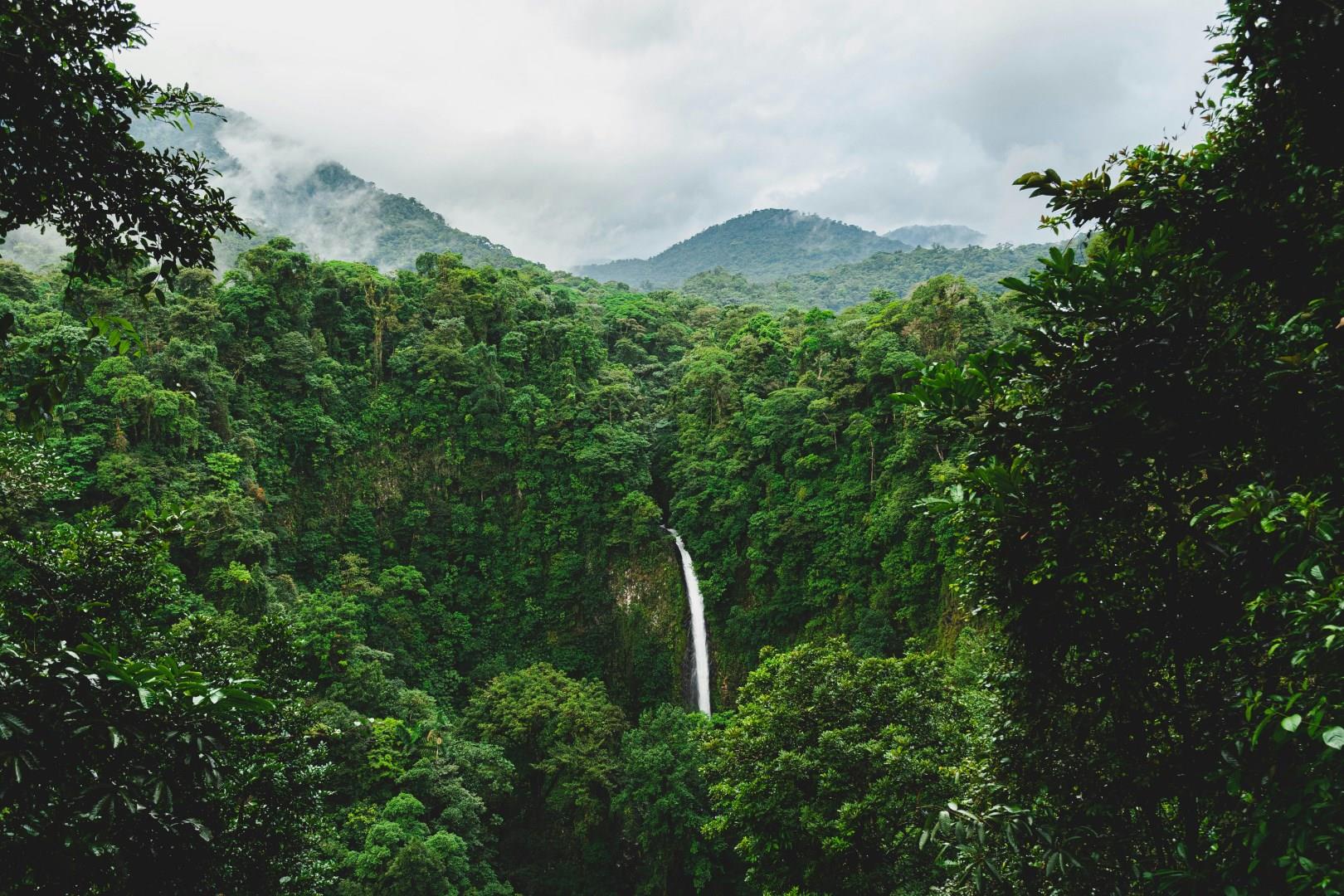
La Fortuna
La Fortuna is a town in northern Costa Rica, located in the San Carlos region at the base of Arenal Volcano. It is known for rainforest landscapes, geothermal hot springs, and outdoor activities connected to the surrounding mountains and rivers.
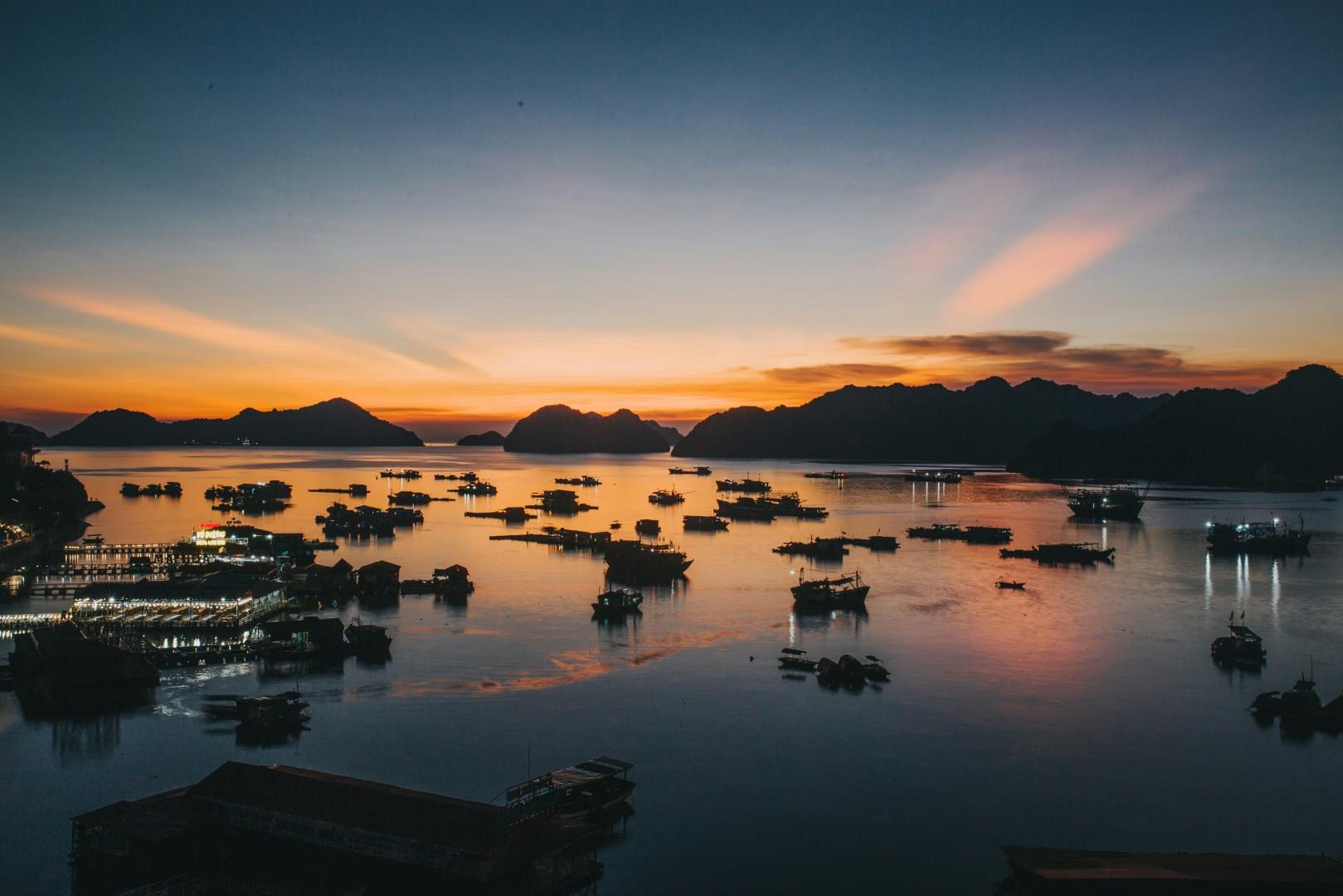
Cát Bà
Cat Ba, the largest island in Vietnam’s Halong Bay, is a striking mix of rugged limestone cliffs, hidden coves, and vibrant jungle. Long home to fishing communities, the island has retained its local charm while also becoming a gateway to the natural wonders of the surrounding bay.
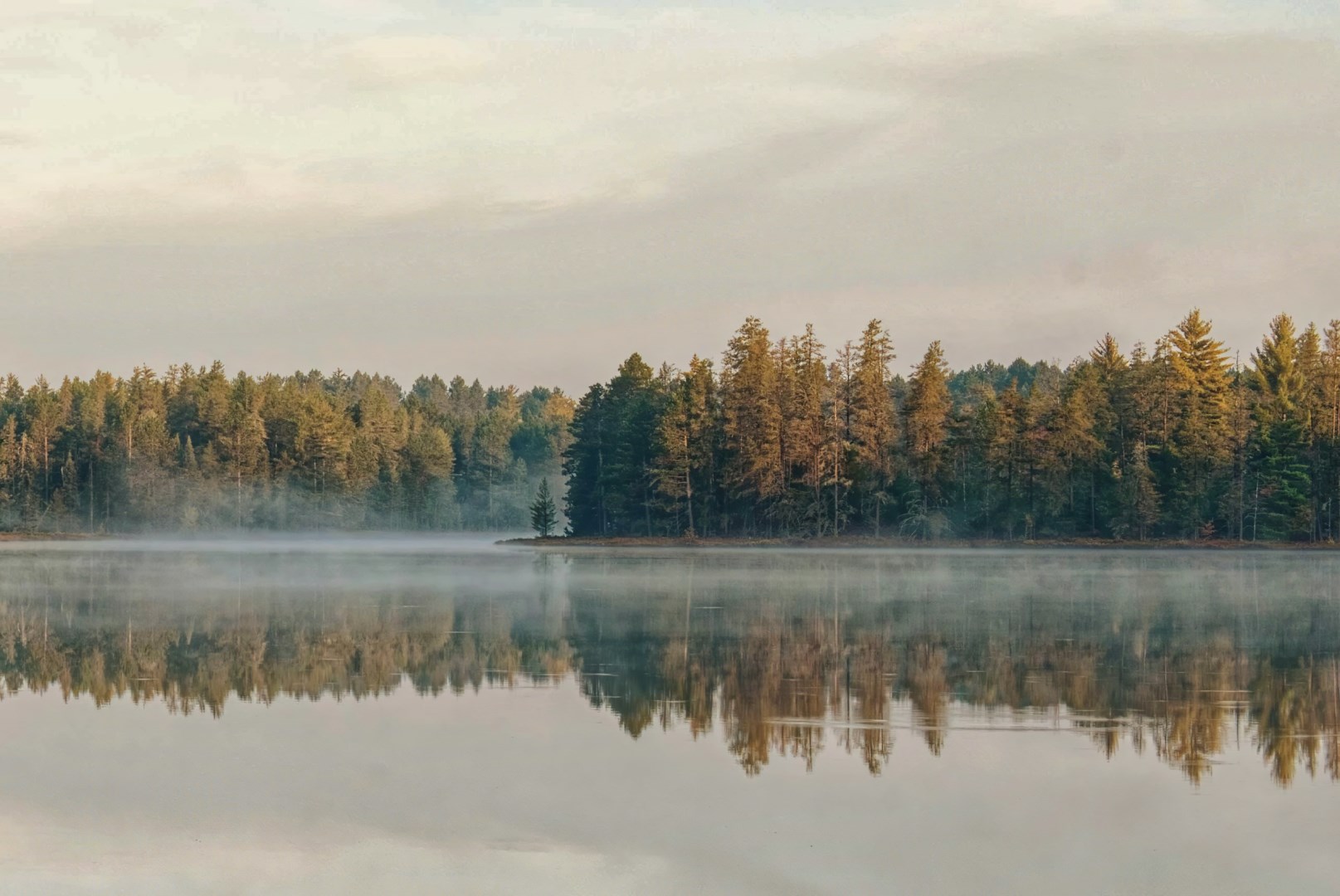
Michigan
Michigan offers a diverse array of attractions that cater to all types of travelers. The state's natural beauty is showcased in its expansive Great Lakes coastline, including the stunning shores of Lake Michigan, Lake Huron, and Lake Superior. Visitors can explore the breathtaking scenery of the Sleeping Bear Dunes National Lakeshore, renowned for its towering sand dunes and picturesque lake views. This natural wonder provides ample opportunities for hiking, beachcombing, and wildlife watching.
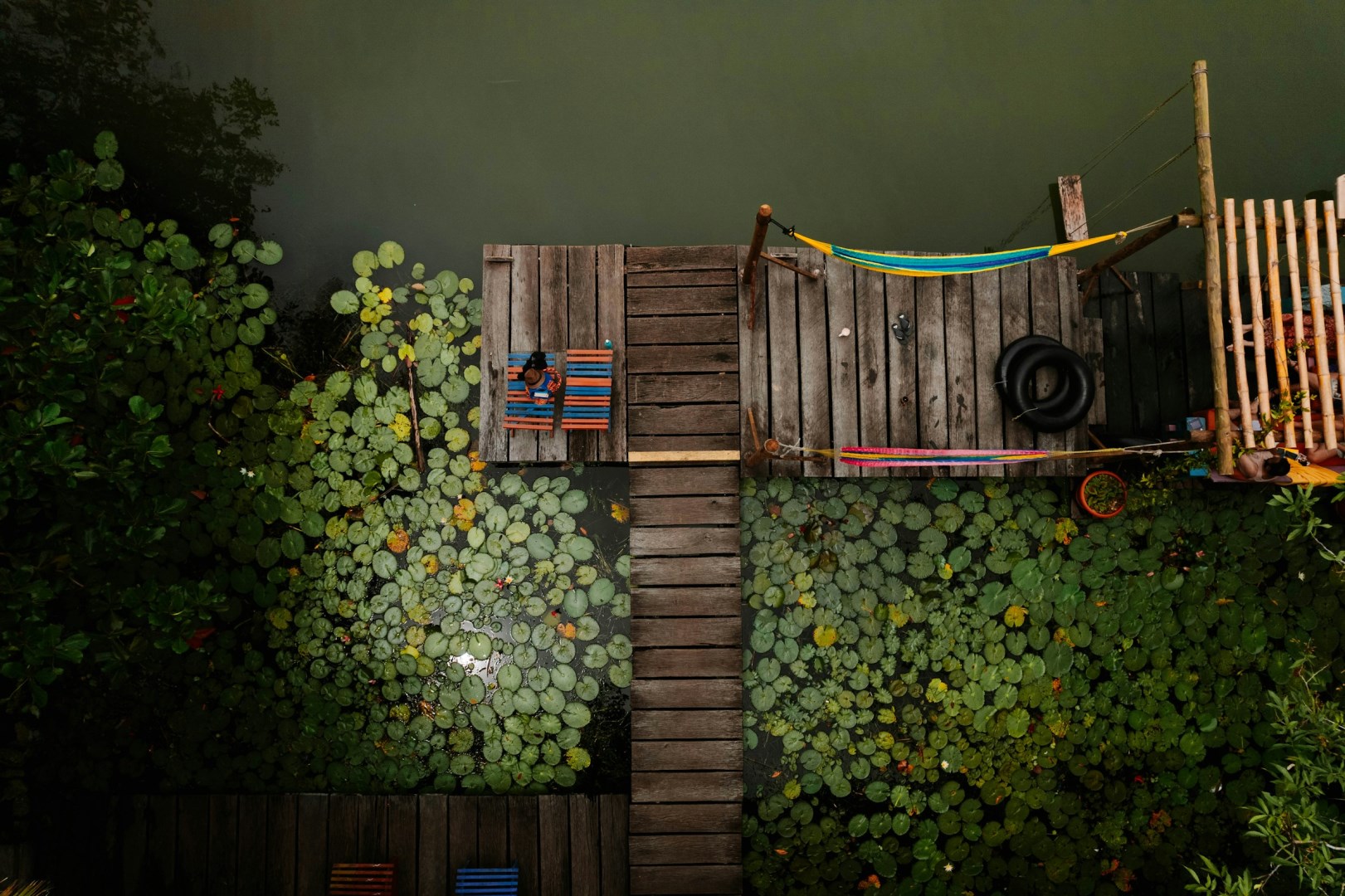
Puerto Barrios
Located in the Gulf of Honduras, this area of the Mayan offers jungle tours along the Rio San Carlos or walking through the Mayan ruina at Quirigua. In ancient Mayan culture, priests used to drive sting ray spines through their tongues to appease their gods.
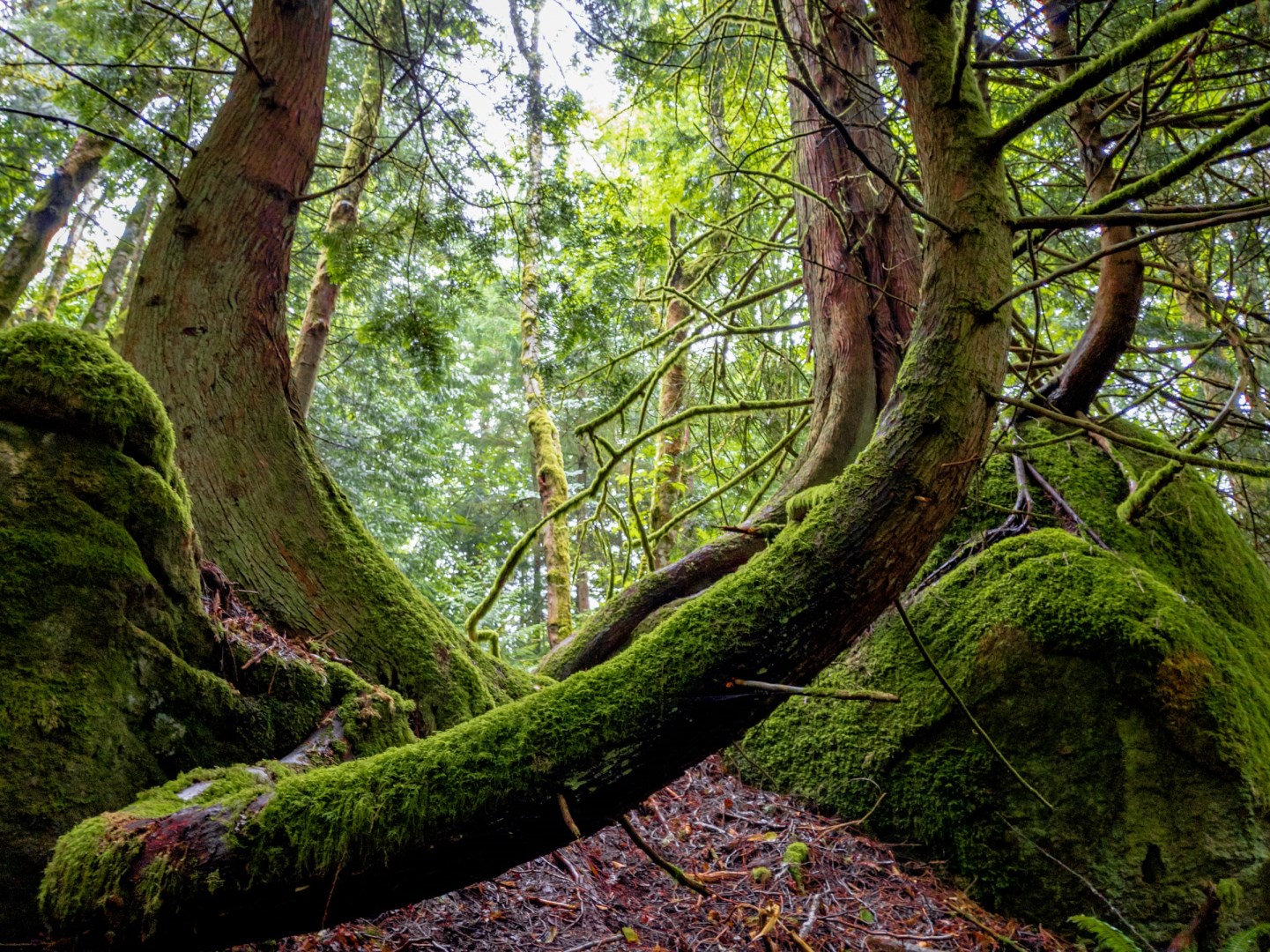
Bellingham
Located in northern Washington State, near the Canadian Border, Bellingham is the southern port for the Alaska Marine Highway System. Area attractions inlcude the San Juan Islands, winter skiing and the popular resort of Semi-Ah-Moo.