Leknes sits in the heart of Norway’s Lofoten Islands, a small town shaped more by geography than by long urban history. It developed as a regional hub for farming, fishing, and transport, serving surrounding villages spread across Vestvågøy. Rather than presenting a preserved past, Leknes reflects contemporary life in the north, practical and closely tied to seasonal rhythms.
Southampton is a city shaped by the sea. Located on the southern coast of England, it has been a key maritime port for centuries. In 1912, the RMS Titanic set sail from its docks, and today, the SeaCity Museum tells the story through the lives of local residents connected to the voyage. The medieval city walls, which are some of the best-preserved in England, still stand, offering a walk through time with views of old merchant houses, towers, and hidden vaults once used to store wine and wool.
Saratoga Springs, New York, has long drawn visitors with its bubbling mineral springs, historic charm, and a calendar full of events that give the town a lively edge. Known as “The Spa City,” Saratoga first gained fame in the 19th century for its naturally carbonated waters, believed to have healing properties. Downtown Saratoga Springs is known for its walkable streets, filled with locally owned boutiques, cafés, and bookstores.
Spain offers a wide range of experiences shaped by centuries of layered history and regional diversity. From the Moorish palaces of Andalusia to the Roman aqueduct in Segovia and the Gaudí-designed landmarks of Barcelona, each city reflects a different chapter in Spain’s past. In Granada, the Alhambra still stands as a masterpiece of Islamic architecture, with detailed carvings, hidden courtyards, and panoramic views of the Sierra Nevada mountains.
Lao Cai, a gateway city to the northern highlands of Vietnam, offers an alluring blend of cultural diversity, breathtaking landscapes, and a touch of French colonial heritage. Situated along the Red River and bordering China, Lao Cai is the starting point for adventurers heading to the famous terraced rice fields of Sapa, but it has its own unique charms to discover.
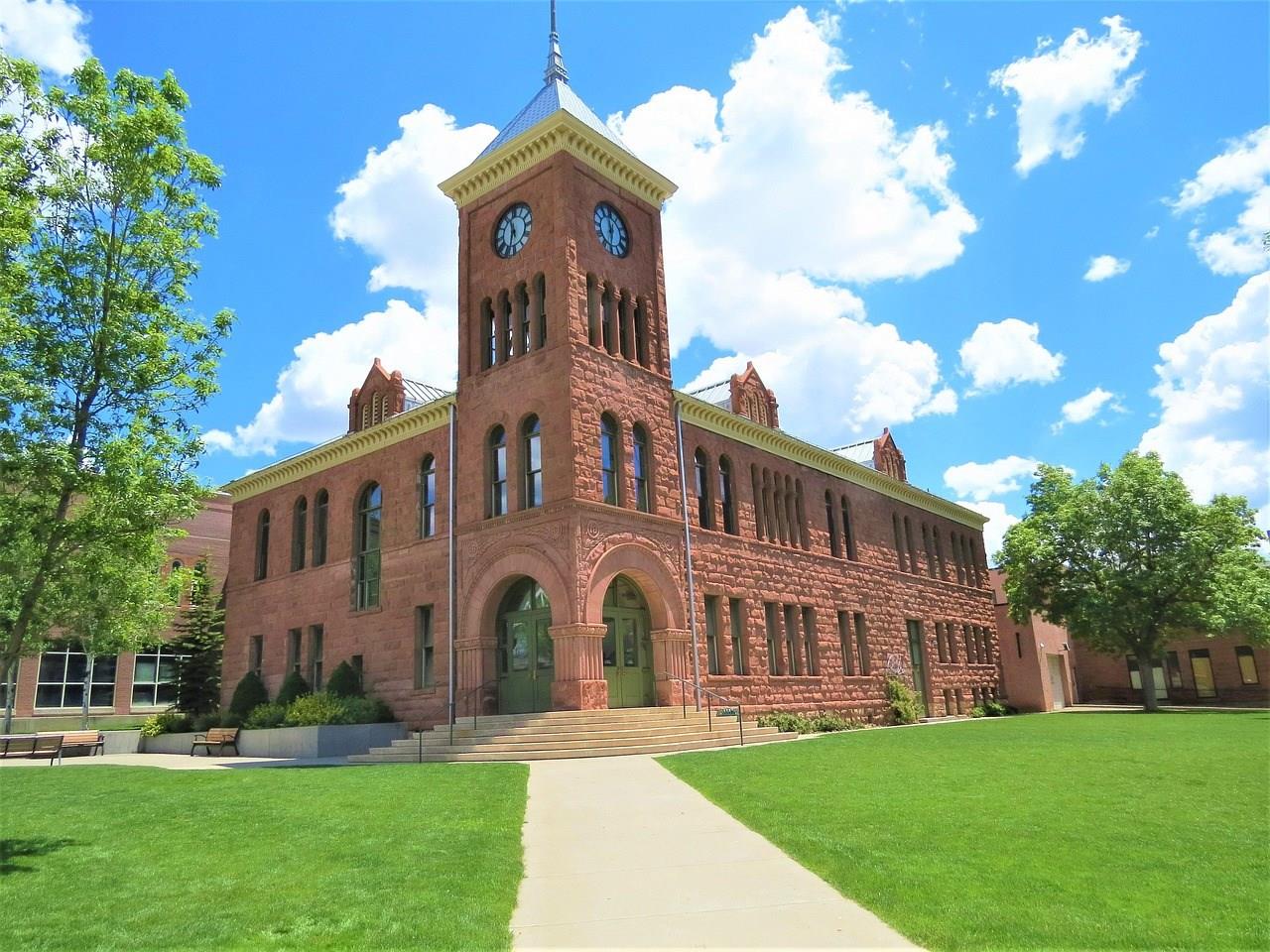
Flagstaff, Arizona, is a mountain town that perfectly blends the charm of a small community with the excitement of outdoor adventure and rich cultural experiences. Nestled at the base of the San Francisco Peaks, Flagstaff serves as a gateway to some of the Southwest's most iconic landscapes, including the Grand Canyon, which is just a short drive away. The town itself is surrounded by the largest contiguous ponderosa pine forest in the world, offering an abundance of hiking, biking, and skiing opportunities.
Flagstaff's historic downtown is a vibrant area filled with boutique shops, local breweries, and restaurants that cater to a variety of tastes. Visitors can explore the Lowell Observatory, where Pluto was famously discovered in 1930, or delve into the region's history at the Museum of Northern Arizona, which showcases Native American artifacts and exhibits on local geology and ecology. The town's lively arts scene is highlighted by events such as the Flagstaff Art in the Park festival, which attracts artists and visitors from all over the region.
One of Flagstaff's most enticing aspects is its access to diverse natural wonders. In addition to the Grand Canyon, visitors can explore the otherworldly landscapes of the Sunset Crater Volcano National Monument and the ancient cliff dwellings at Walnut Canyon National Monument. The area's dark skies also make Flagstaff one of the best places in the country for stargazing, with the city being recognized as the world's first International Dark Sky City.
A fun fact about Flagstaff is that it's one of the highest-elevation cities in the United States, sitting at approximately 7,000 feet above sea level. This elevation gives Flagstaff a unique climate compared to the rest of Arizona, with cooler summers and the occasional winter snowfall, making it a year-round destination for outdoor enthusiasts and travelers seeking a refreshing escape.