
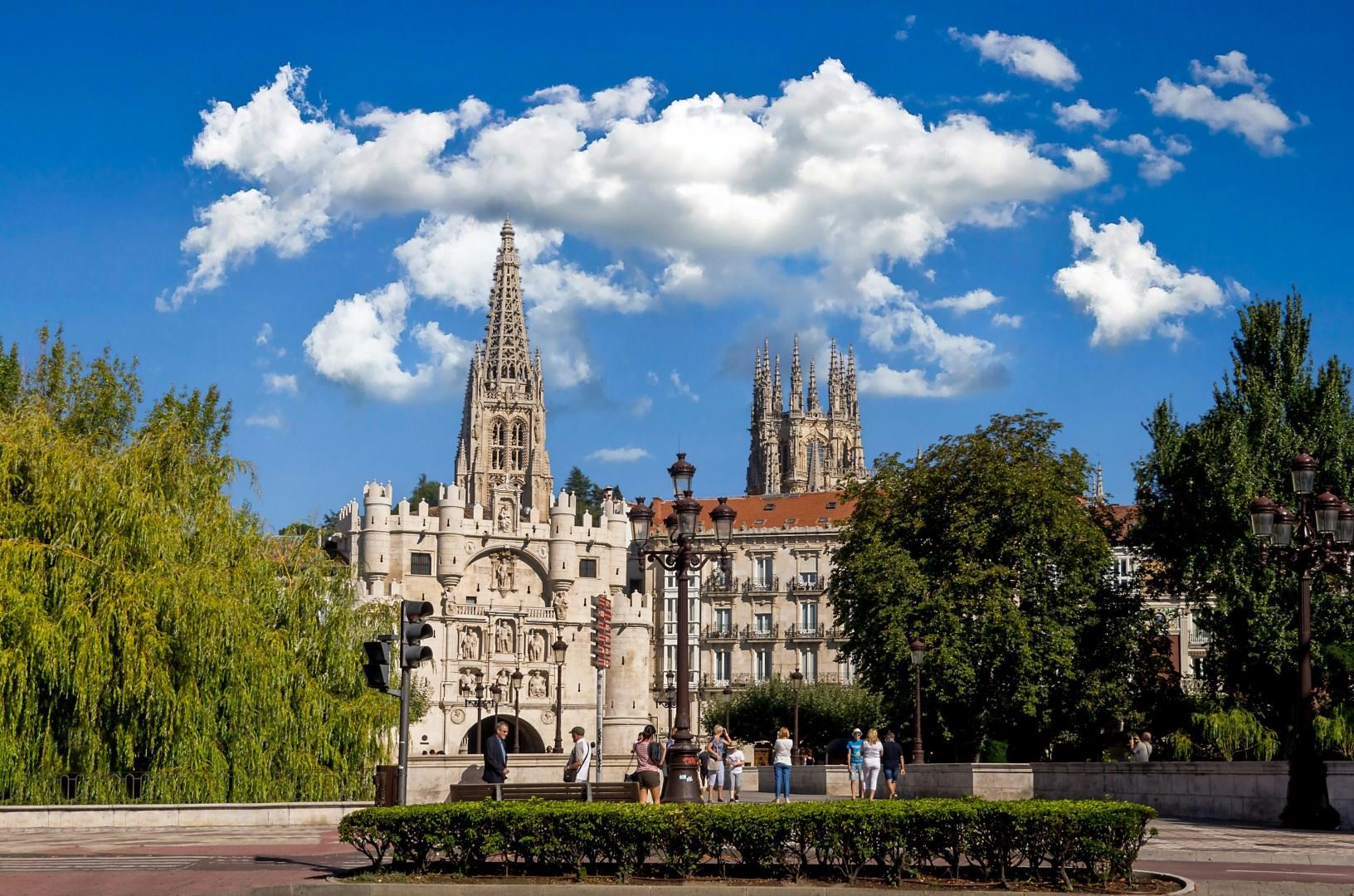
Burgos
Burgos, located in northern Spain, is a city where medieval heritage is still part of daily life. At its heart stands the Burgos Cathedral, a UNESCO World Heritage Site and one of the most striking examples of Gothic architecture in Europe. Construction began in 1221 and continued for over 300 years, resulting in a cathedral that features elaborate spires, stained glass, and the tomb of El Cid, Spain’s legendary military leader.
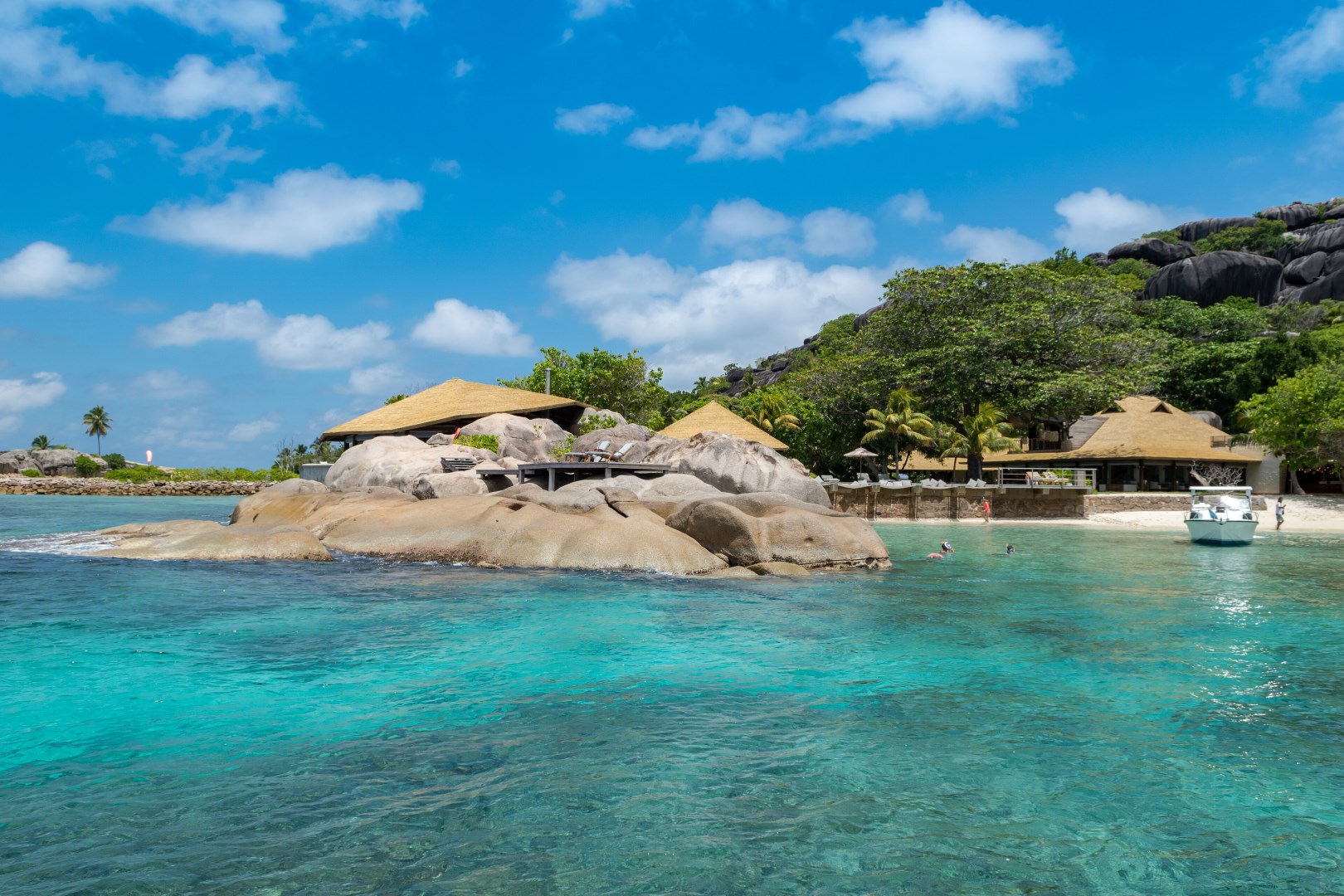
Felicite Island
Félicité Island, a pristine jewel of the Seychelles, promises an idyllic escape for travelers seeking natural beauty and tranquility. Located about 4 kilometers northeast of La Digue, Félicité is part of the Seychelles’ inner islands and is renowned for its stunning granite boulders, powdery white sands, and turquoise waters.

Dominica
Dominica, known as the “Nature Island of the Caribbean,” is a haven for eco-tourists and adventure seekers. Nestled between the French islands of Guadeloupe and Martinique, this lush island boasts a remarkable landscape of volcanic mountains, dense rainforests, and stunning waterfalls. Dominica’s most iconic natural wonder is the Boiling Lake, the second-largest hot spring in the world.
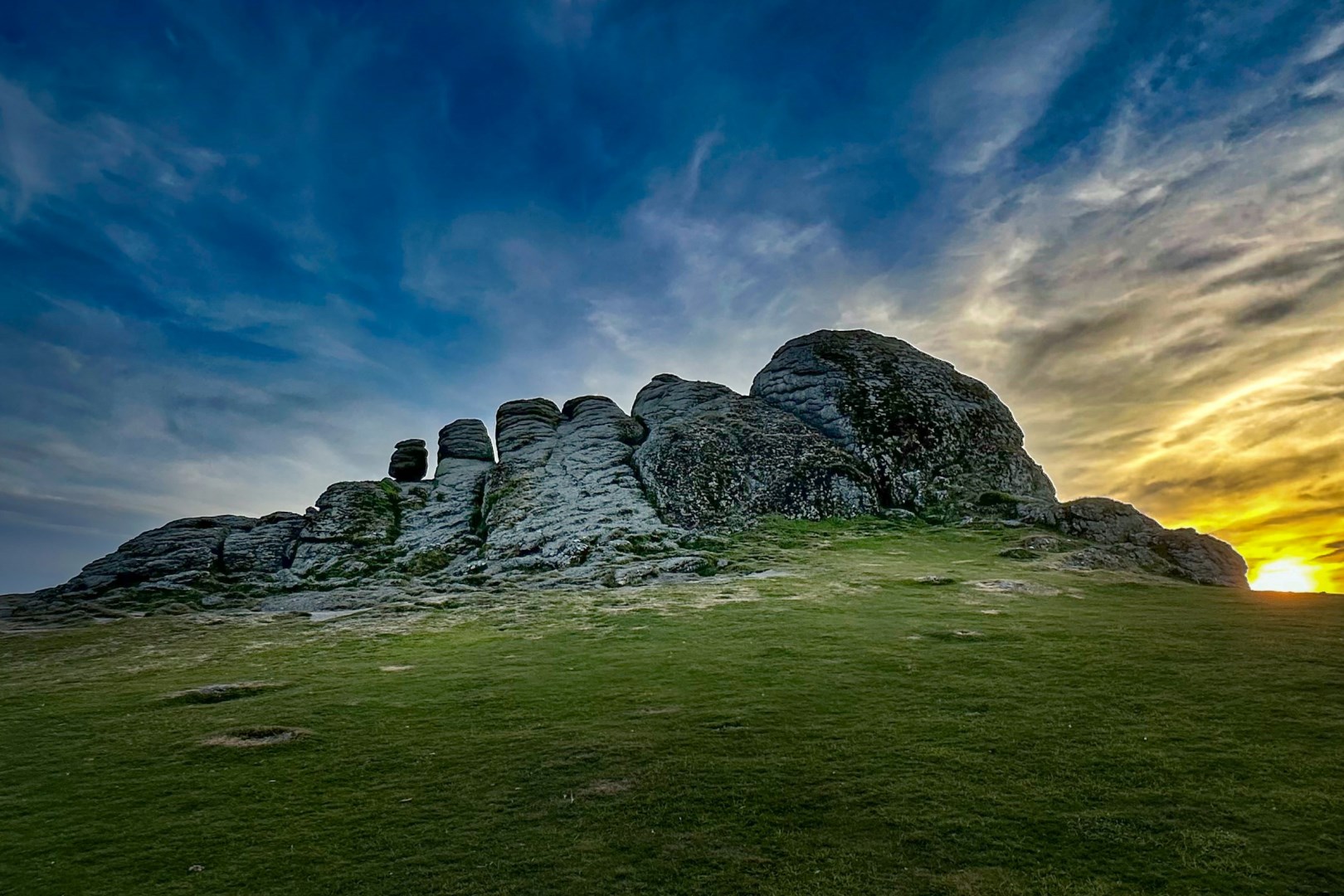
Dartmoor National Park
Dartmoor National Park sits in the heart of Devon, England, and invites travelers to step into a landscape that has changed little over thousands of years. Rolling moorland, deep river valleys, and more than 450 miles of paths give visitors space to explore at their own pace. Ancient stone rows, circular dwellings, and burial cairns spread across the moorland are reminders of people who lived here as far back as the Bronze Age.

Chiapas
This southern Mexican state borders Guatemala. Its mountainous highlands and dense rainforest are dotted with several Mayan archaeological sites and Spanish colonial towns.
