Koggala
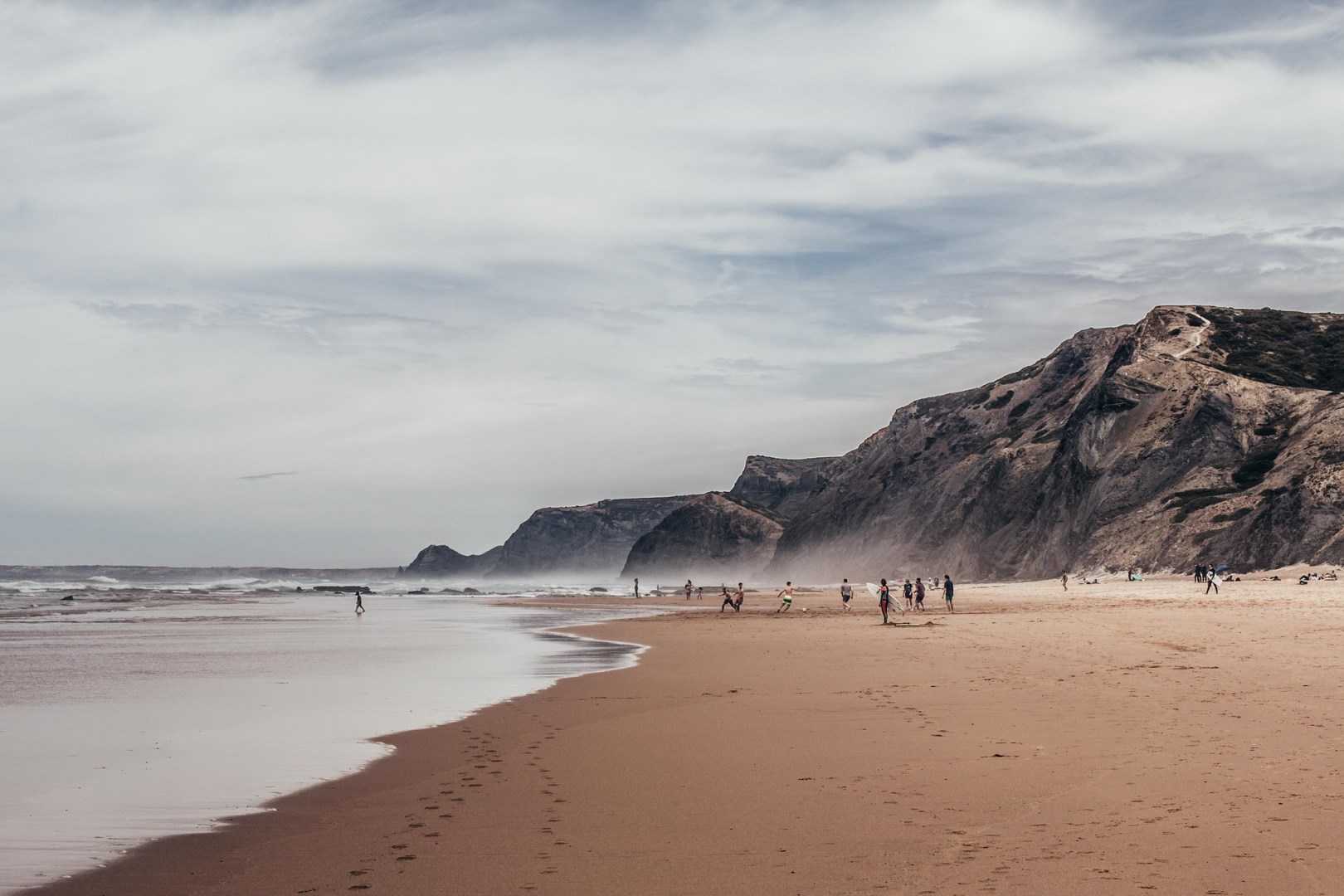
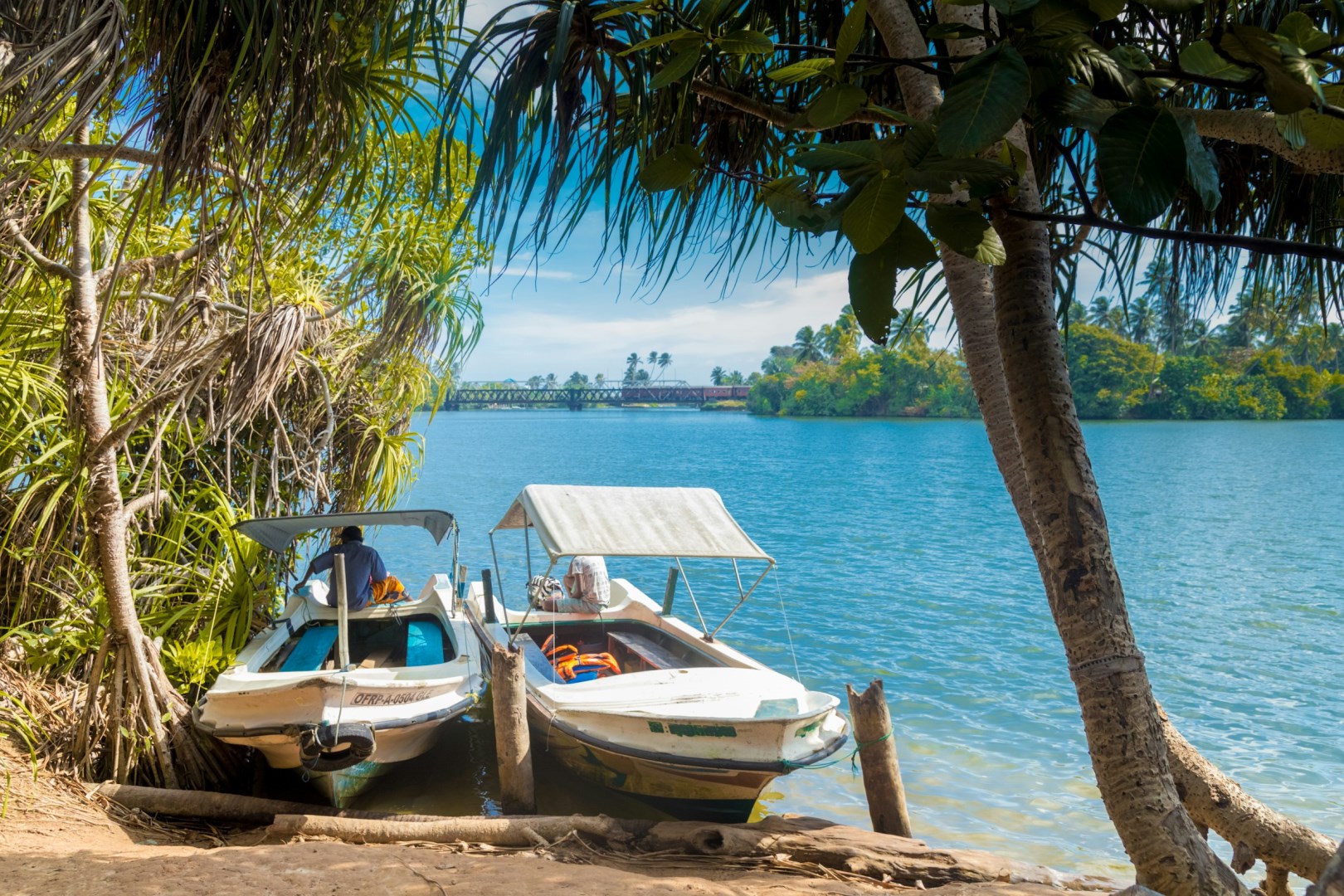
Koggala is a coastal town in Sri Lanka’s Southern Province, located between the Indian Ocean and the wide waters of Koggala Lake. The area is defined by sandy beaches, wetlands, small islands, and lowland vegetation, with the lagoon forming an important part of its landscape. Koggala offers a quieter coastal setting close to Galle and Habaraduwa, while its combination of ocean and inland waterways gives the town a distinctive character. The lake also supports fishing and small-scale boat activit
Reine
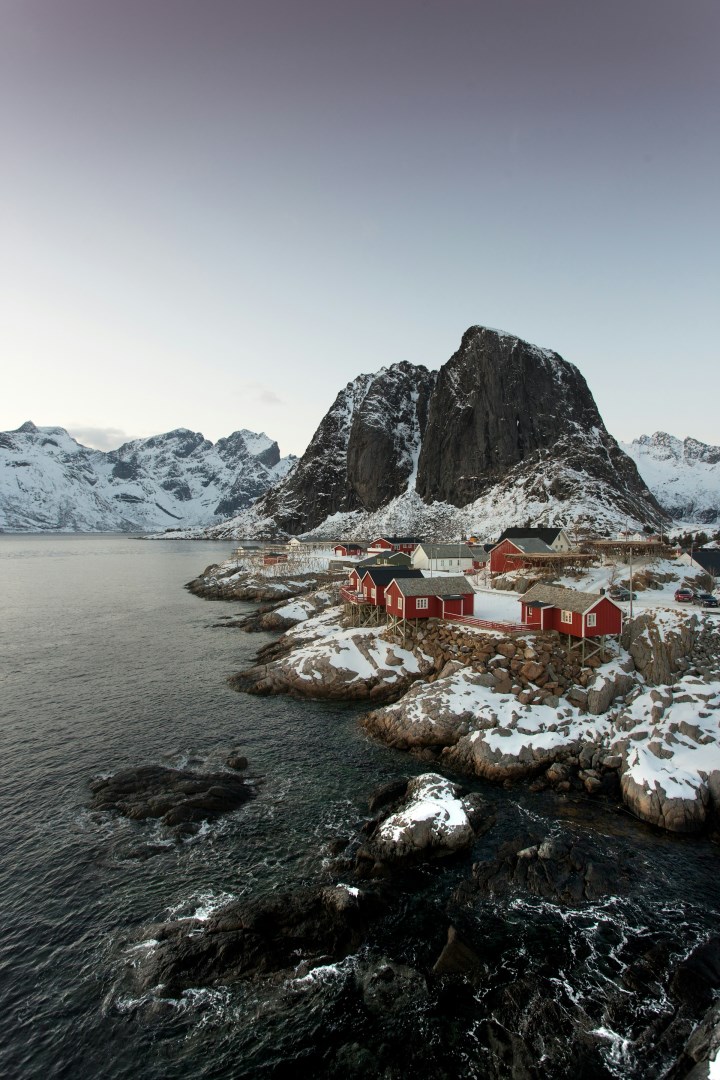
Reine is a small fishing village on Moskenesøya in the Lofoten Islands of northern Norway, where a chain of small islands and bridges sits between Vestfjord and the mountains surrounding Reinefjord. Around 300 people live in the village, which remains an active fishing community with fish reception, processing, and related businesses. Traditional red rorbu fishermen’s cabins stand along the waterfront and on nearby islands, alongside working boats and drying racks for stockfish.
Branson
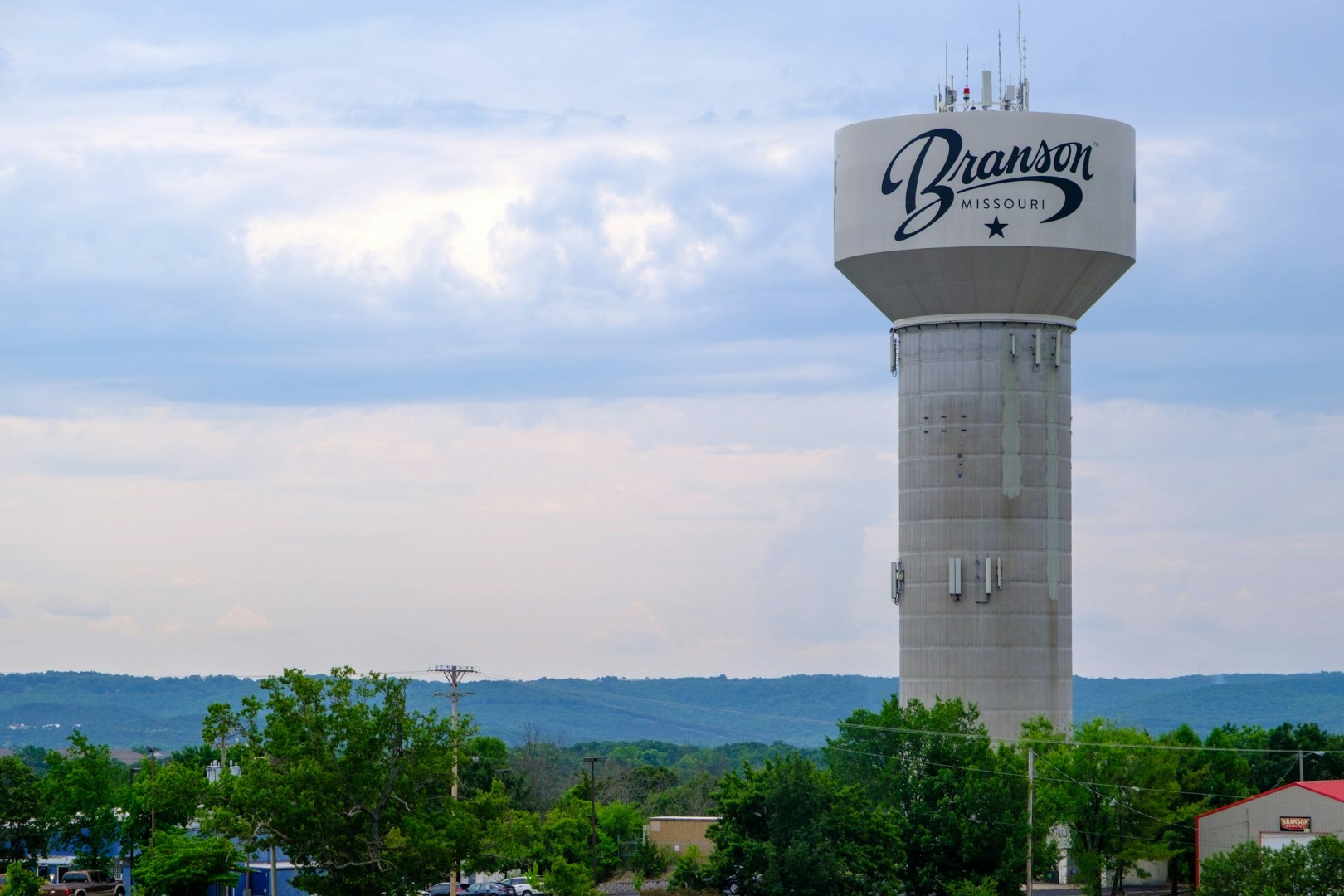
Branson, Missouri may be tucked into the Ozark Mountains, but there's nothing quiet about its entertainment scene. Since the 1960s, the town has built its reputation on live music, with more than 100 shows running at peak season. From country and gospel to comedy and magic, Branson’s theaters offer family-friendly entertainment nearly every night of the week. The Presleys' Country Jubilee, the first show on what is now 76 Country Boulevard, still packs the house after more than 50 years.

Huntington Beach
Huntington Beach, California, famously known as “Surf City USA,” is a paradise for beachgoers and surf enthusiasts alike. With over 10 miles of pristine coastline, the city offers a perfect blend of natural beauty and vibrant coastal culture. The Huntington Beach Pier, one of the longest on the West Coast, is an iconic spot for visitors to watch surfers ride the waves or catch a breathtaking sunset.
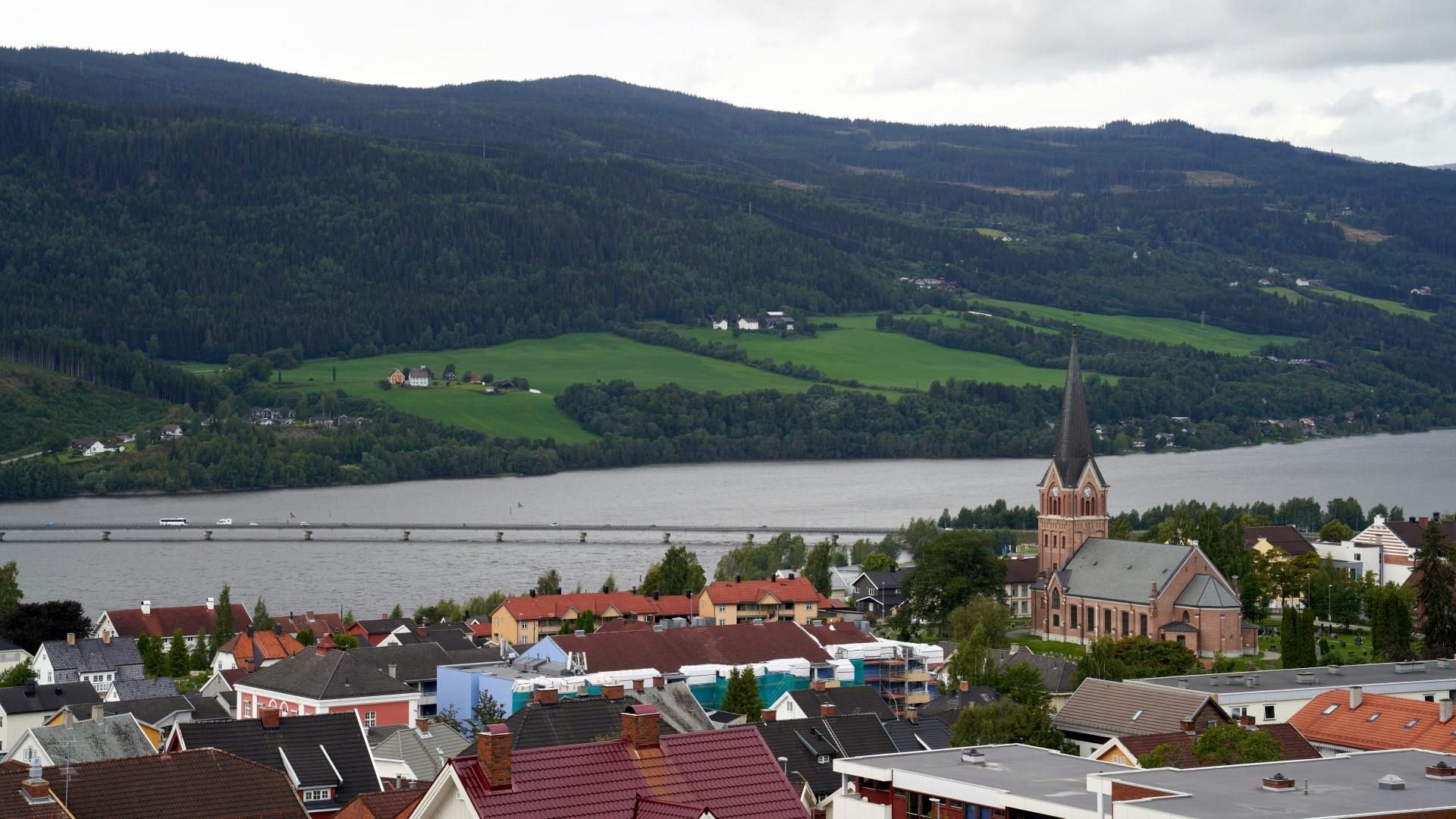
Lillehammer
Lillehammer, nestled along the northern shores of Norway’s Lake Mjøsa and framed by pine-covered hills, is a town that blends natural beauty with cultural richness. Famous for hosting the 1994 Winter Olympics, Lillehammer has leveraged its global spotlight to cultivate attractions that celebrate both its sporting legacy and artistic heritage.