
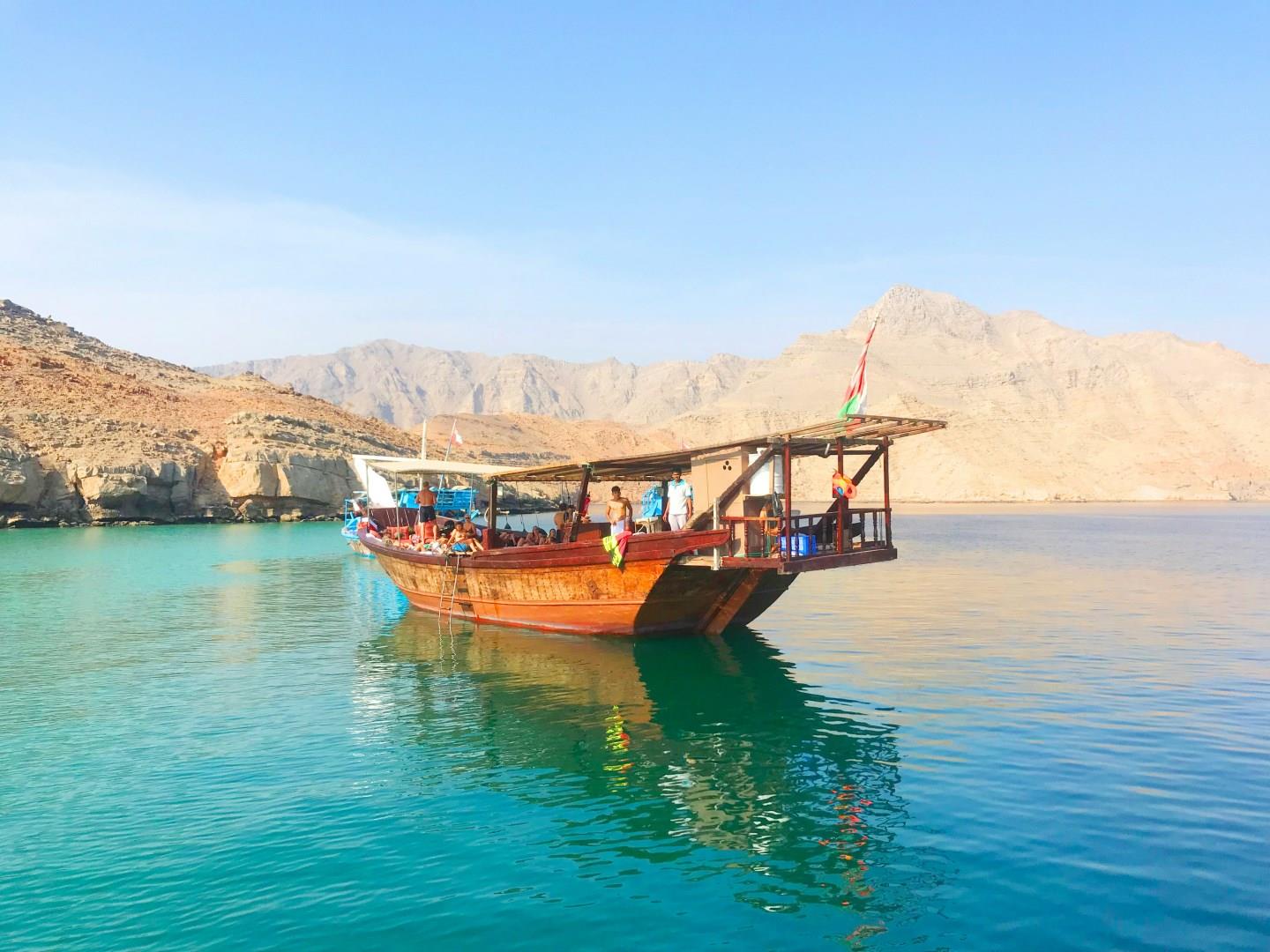
Khasab
Khasab stands at the edge of Oman’s Musandam Peninsula, where rocky inlets carve into the land like desert fjords and earning it the nickname "Norway of Arabia." A short dhow ride uncovers soaring cliffs and narrow waterways, often mirrored by pods of dolphins gliding beside the wooden vessel. These traditional dhows, used for centuries by traders, now carry visitors into those coastal arms for snorkeling, swimming, and quiet reflection.
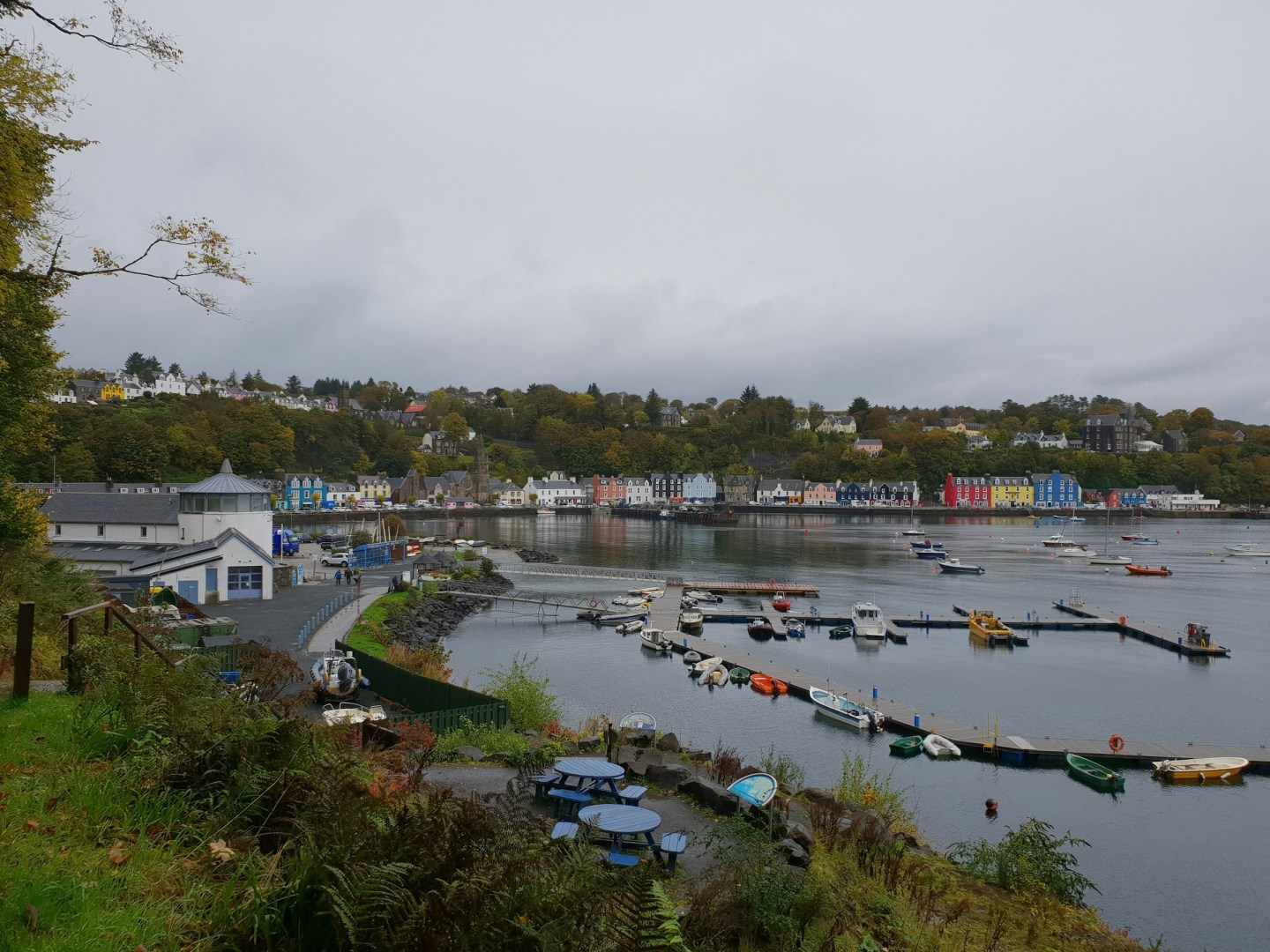
Tobermory
Tobermory is the main settlement on the Isle of Mull in Scotland’s Inner Hebrides, arranged around a sheltered natural harbor on the island’s northeast coast. Its waterfront is lined with brightly painted buildings, many of which house shops, cafés, galleries, restaurants, and guesthouses. The harbor remains active with fishing boats, pleasure craft, and ferries, while the surrounding hills rise behind the town.
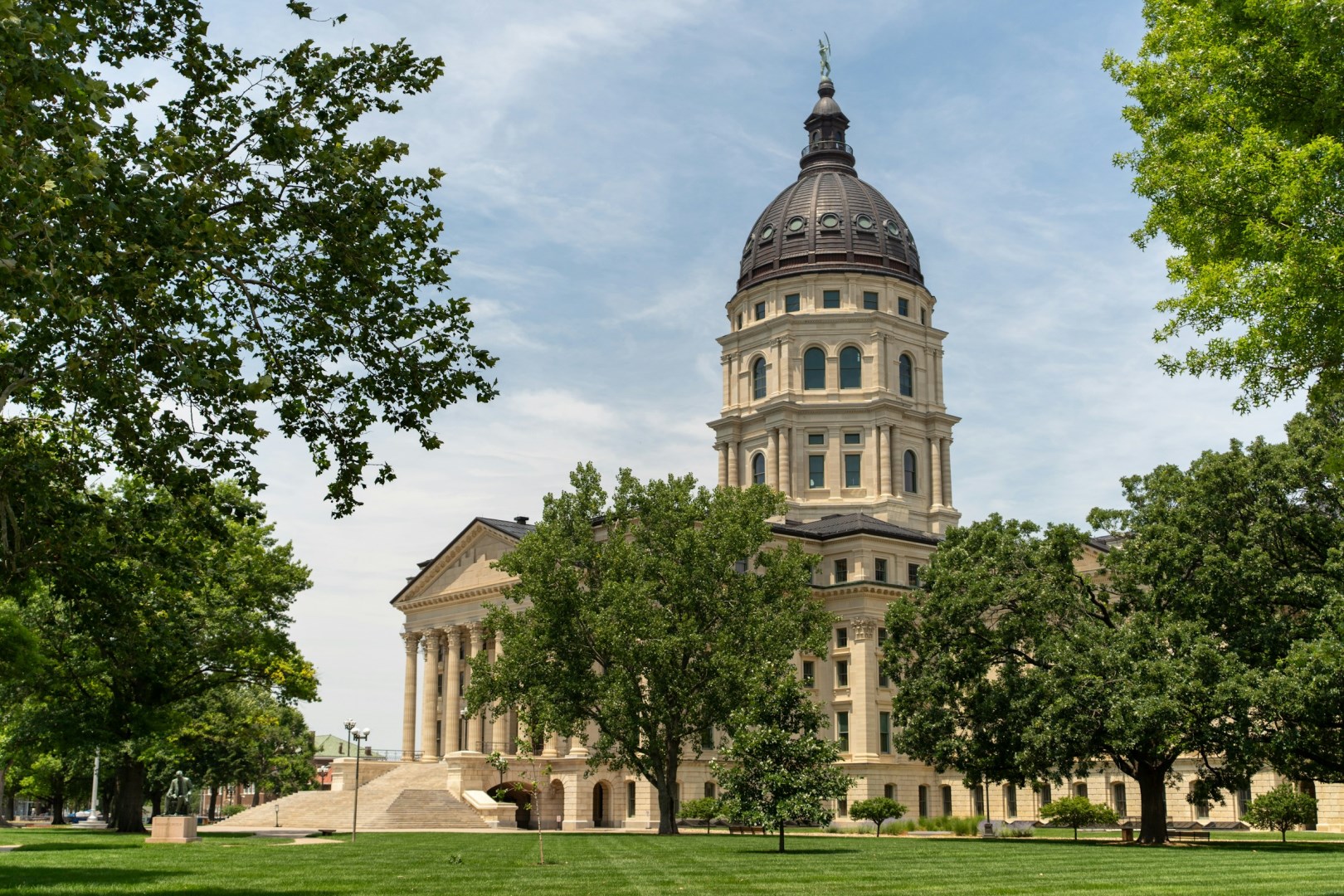
Topeka
Topeka is the capital of Kansas, located along the Kansas River in the northeastern part of the state. The city developed near the meeting point of river transportation, agriculture, and overland travel, and it remains an important center for state government and regional commerce. The Kansas State Capitol stands at the heart of the city, while the surrounding area includes historic neighborhoods, museums, parks, and cultural institutions.

Galle
Galle, a coastal city in southern Sri Lanka, is a place where history and the sea are inseparably linked. Once a vital port on the spice trade routes, Galle reached its peak under Dutch colonial rule in the 17th century, when the massive Galle Fort was built.
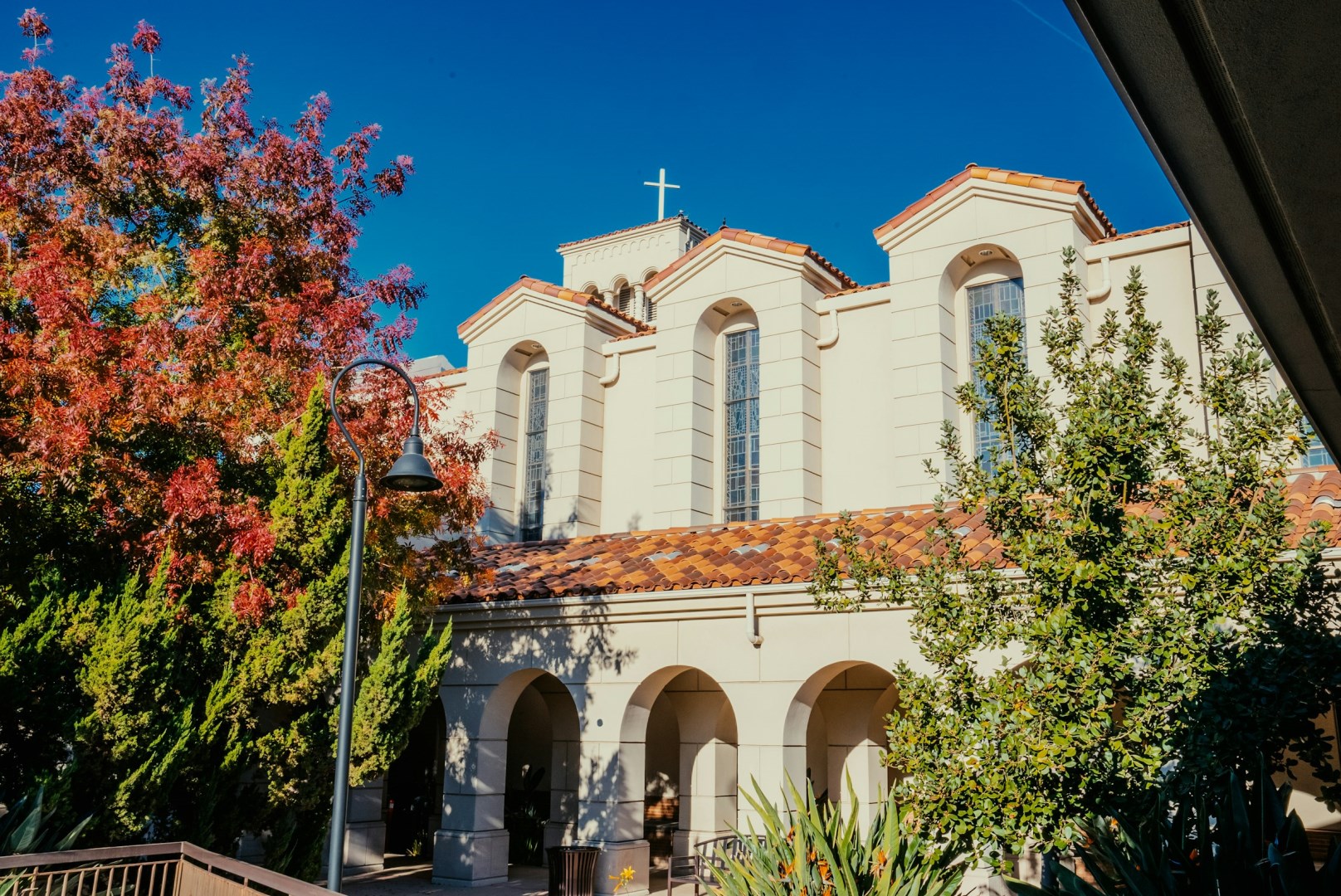
Fresno
Fresno is a major city in California’s San Joaquin Valley, positioned between the Sierra Nevada and the Coast Ranges. Its flat agricultural surroundings are among the most productive farming areas in the United States, with orchards, vineyards, vegetable fields, and citrus groves extending beyond the urban area. Fresno also serves as a regional center for education, healthcare, business, and transportation.
