Ngorongoro
Ngorongoro, Tanzania, is a destination where breathtaking landscapes and abundant wildlife converge in a truly unique way. Nestled within the Ngorongoro Conservation Area, this region is renowned for the Ngorongoro Crater, a UNESCO World Heritage Site. This ancient caldera, formed by a volcanic eruption millions of years ago, creates a natural amphitheater teeming with wildlife.
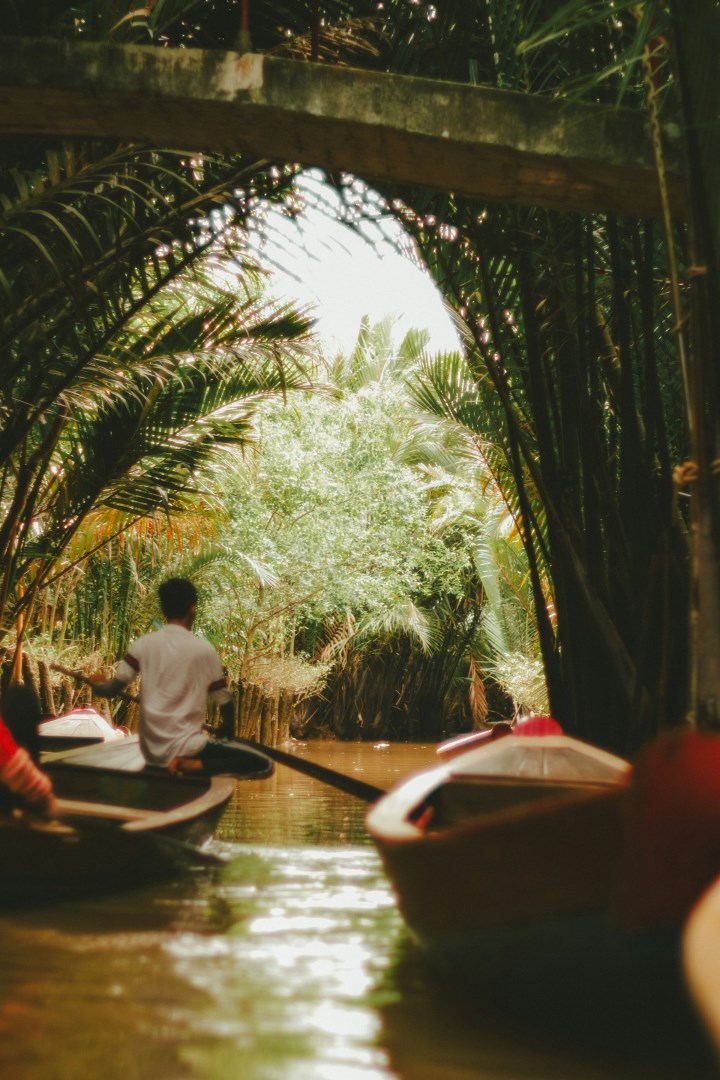
Ben Tre
As the capital of the Ben Tre Province, the city of Ben Tre is located in southern Vietnam on the Mekong Delta. Connected to other provinces by a network of bridges, the town draws less tourist traffic than nearby My Tho and Tra Vinh.

Key West
Beaches, margaritas and relaxed vibes are all part of visiting the island city of Key West, where summer never ends.
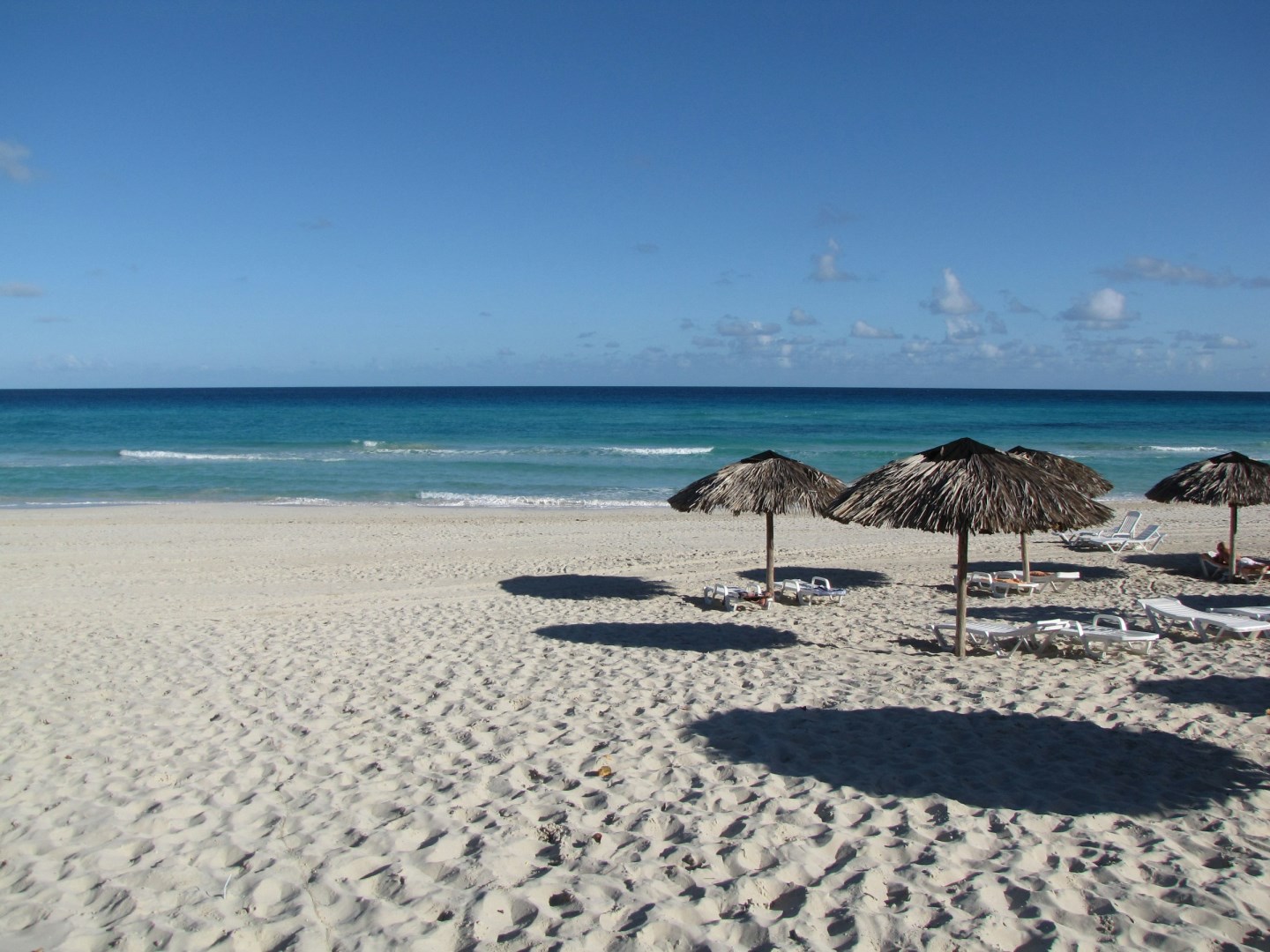
Varadero
Varadero, set along Cuba’s Hicacos Peninsula, is one of the Caribbean’s most renowned beach destinations. Its 20 kilometers of powdery white sand and clear turquoise waters have made it a favorite for relaxation, water sports, and resort stays.
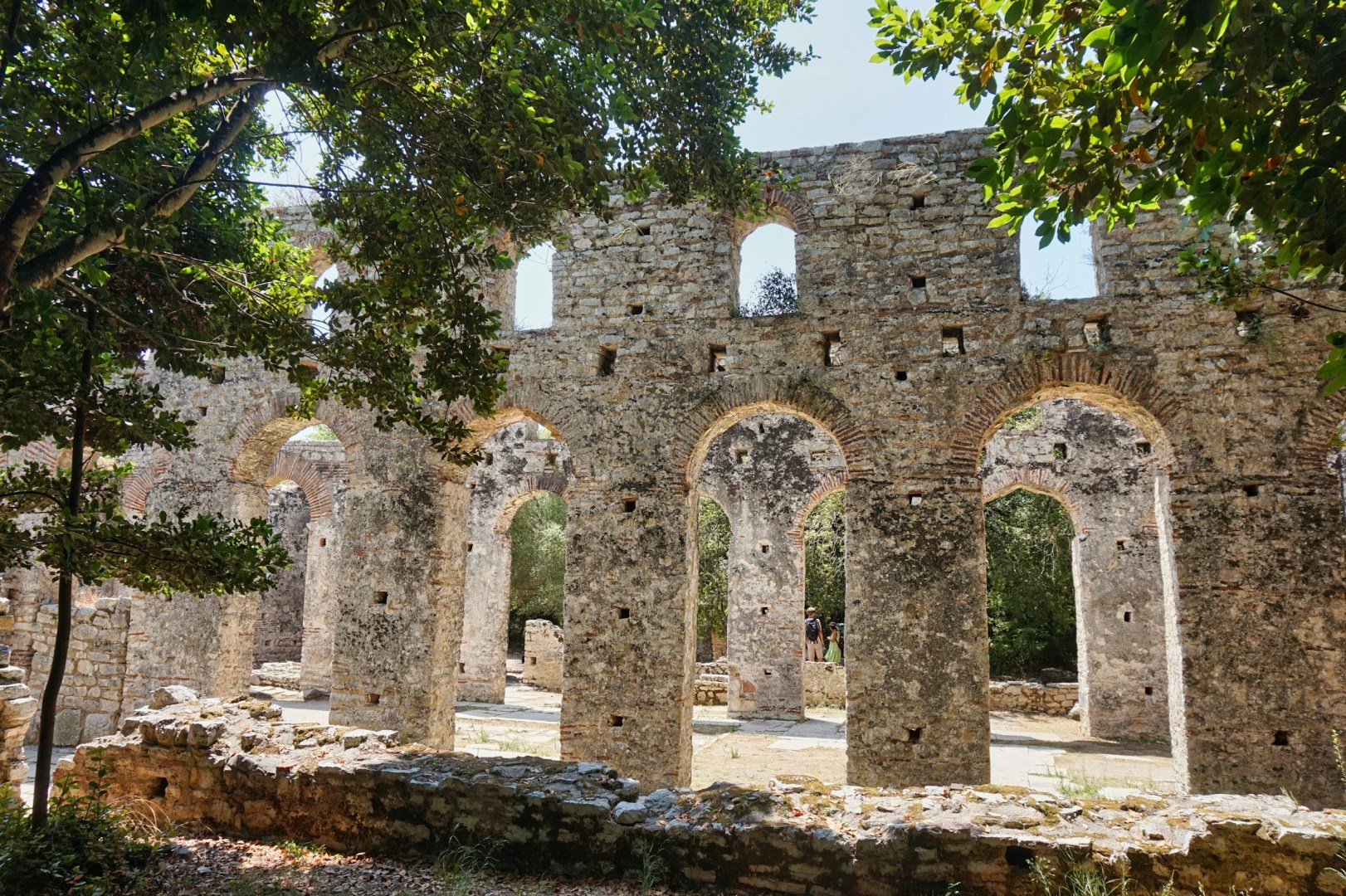
Butrint
According to legend, the ancient Greek city of Butrint was founded by the Trojans. It was later occupied by the Romans, Greeks, and the Byzantine Empire