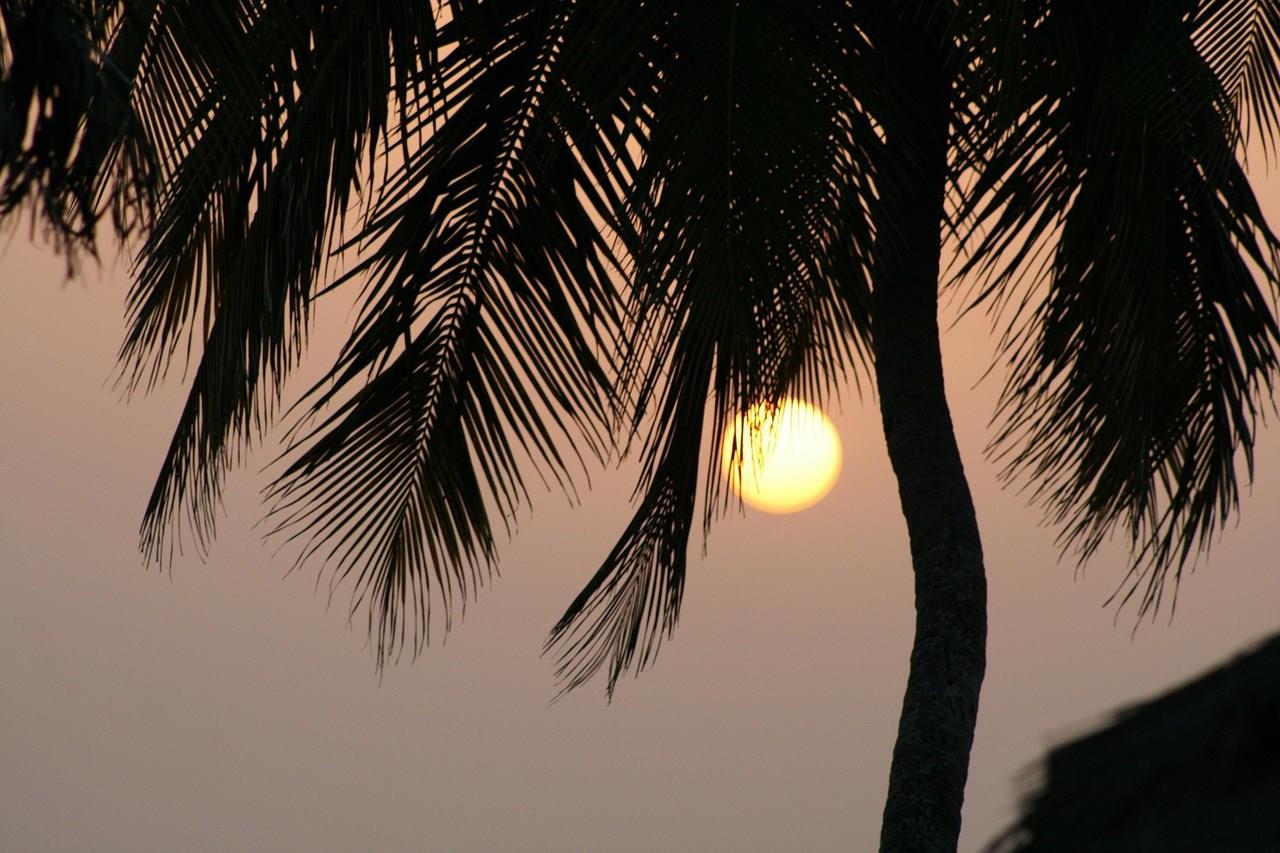
Guinea, located on the west coast of Africa, offers a rich blend of landscapes, cultures, and traditions that remain largely untouched by mass tourism. Its Atlantic shoreline is dotted with fishing villages and sandy beaches, while inland, rolling highlands and dense rainforests give way to sweeping savannas.
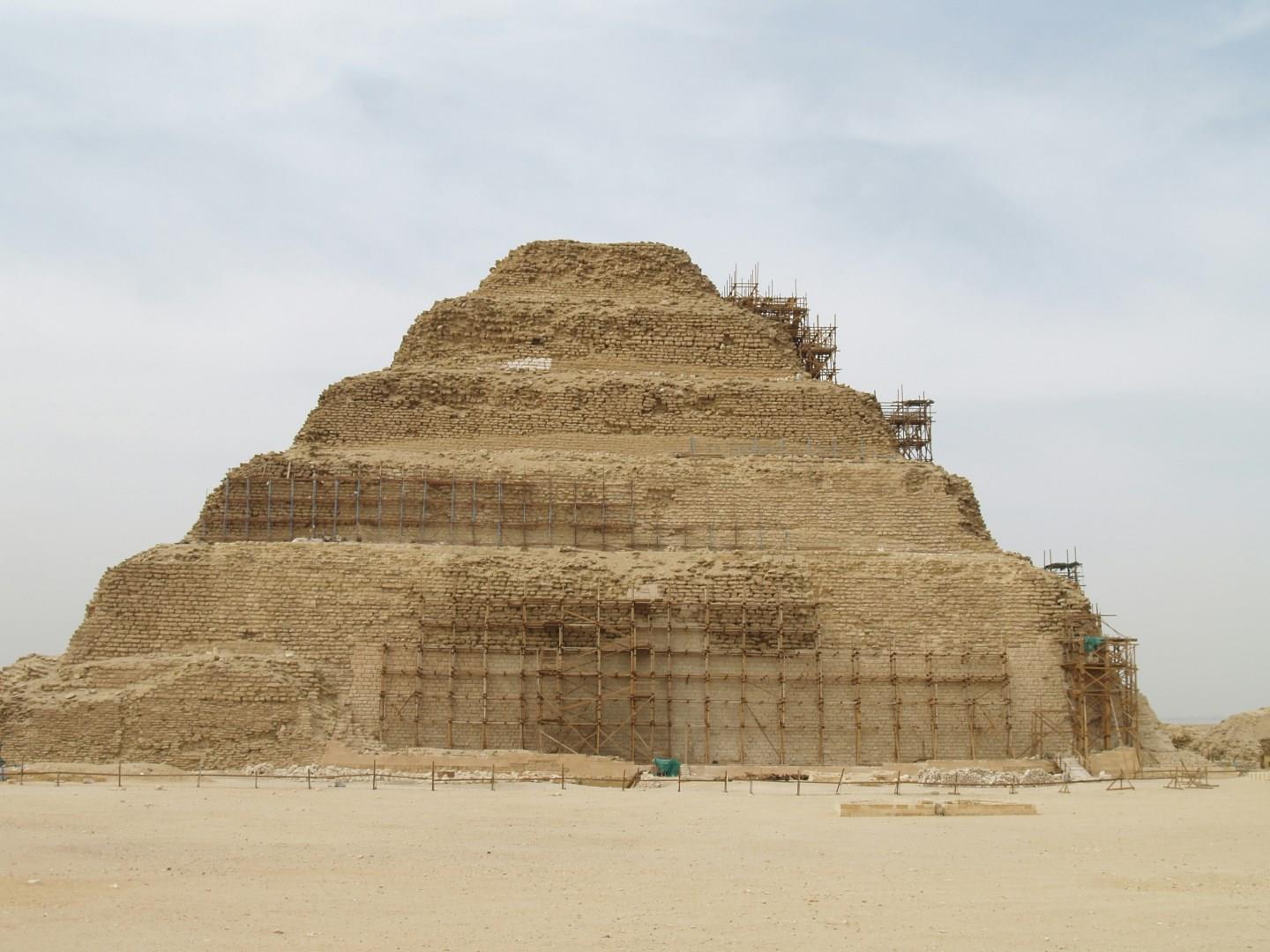
Sakkara, located just south of Cairo, is one of Egypt’s most important archaeological sites and the vast necropolis of the ancient capital of Memphis. Stretching over seven kilometers, it served as a burial ground for pharaohs, nobles, and high officials across multiple dynasties.
Bastimentos Island is one of the largest islands in Panama’s Bocas del Toro archipelago, off the Caribbean coast in the country’s northwest. Much of the island remains covered by tropical forest, wetlands, mangroves, and coastal vegetation, with small communities located around sheltered bays. Bastimentos is closely associated with the Bastimentos Island National Marine Park, which protects both terrestrial and marine ecosystems around the island.
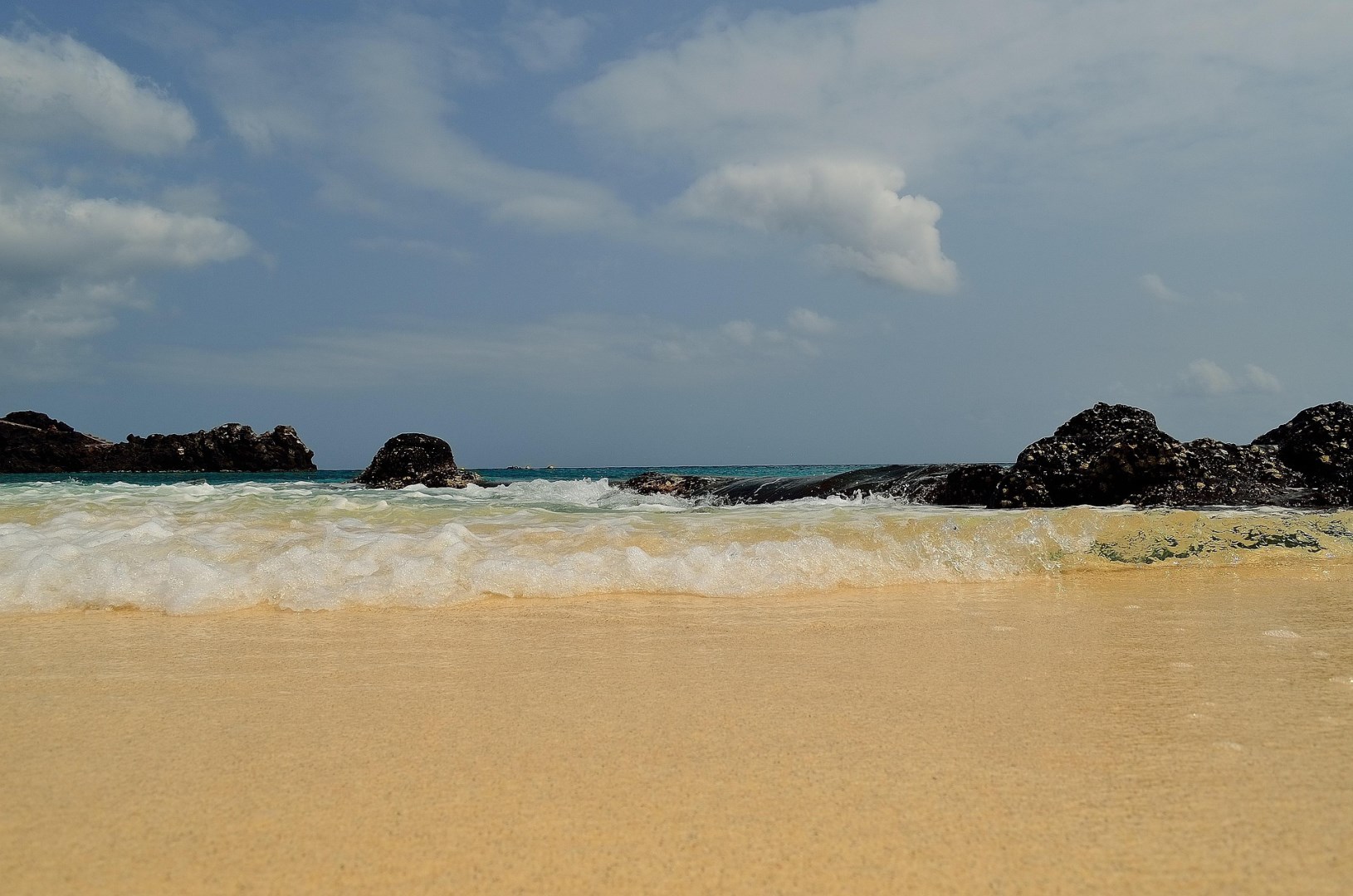
Ascension island, British dependency of St. Helena, in the South Atlantic Ocean, about midway between Africa and South America and 700 miles northwest of St. Helena. The small, volcanic island was sighted by the Portuguese in 1501, but it was uninhabited until the exile of Napoleon to St. Helena in 1815.
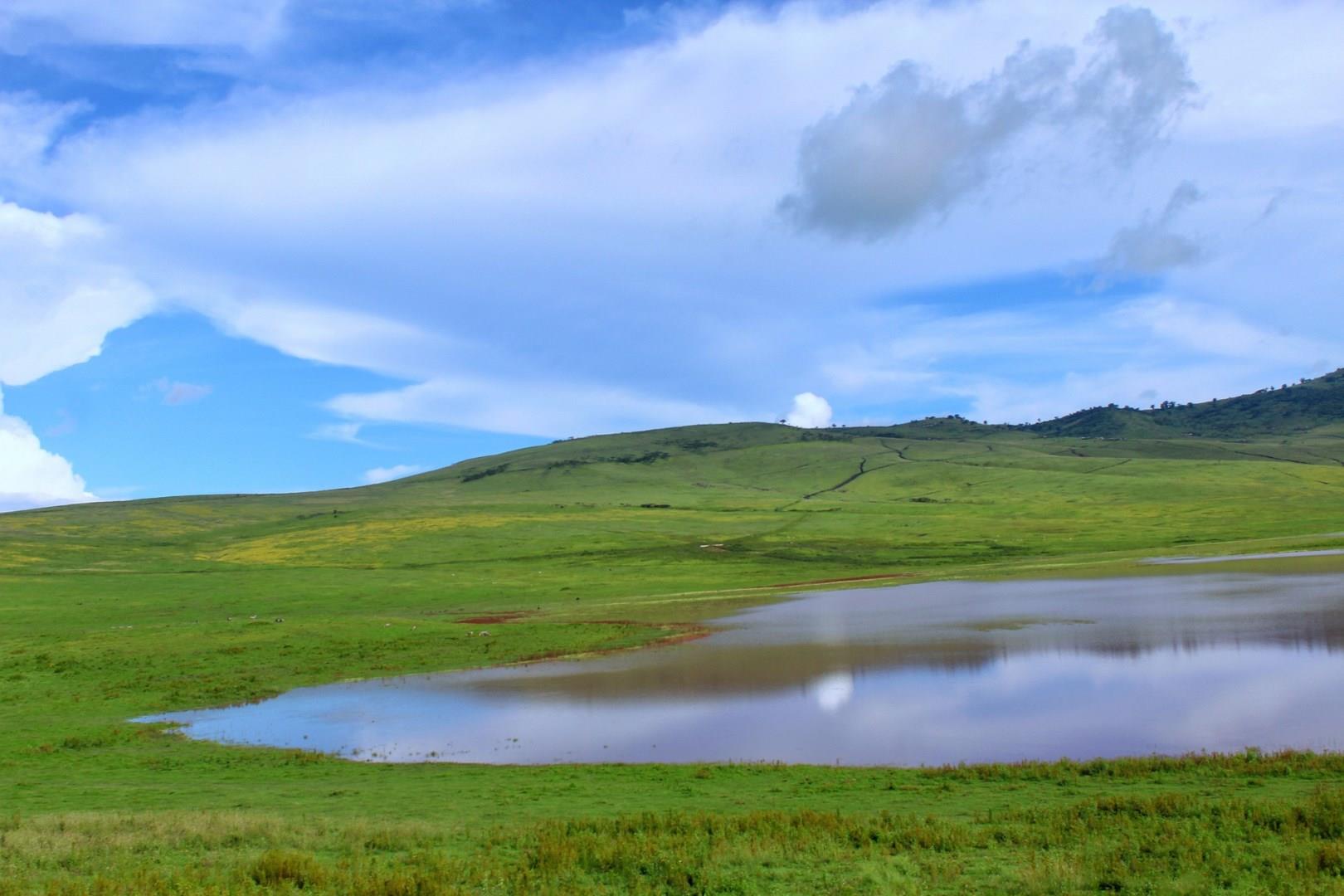
Photo Credit: Photo by Hendrik Cornelissen on Unsplash
Photo Credit: Photo by Avel Chuklanov on Unsplash
Photo Credit: Photo by Michael Wilcox on Unsplash
Photo Credit: Photo by Nad Hemnani on Unsplash
Photo Credit: Photo by MARIOLA GROBELSKA on Unsplash
Photo Credit: Photo by Hendrik Cornelissen on Unsplash
Photo Credit: Photo by Denice Alex on Unsplash
Photo Credit: Photo by MARIOLA GROBELSKA on Unsplash
Photo Credit: Photo by Nad Hemnani on Unsplash
Photo Credit: Photo by Lesly Derksen on Unsplash
Photo Credit: Photo by Audric Wonkam on Unsplash
Photo Credit: Photo by mtsjrdl on Unsplash
Photo Credit: Photo by Mwandwe Chileshe on Unsplash
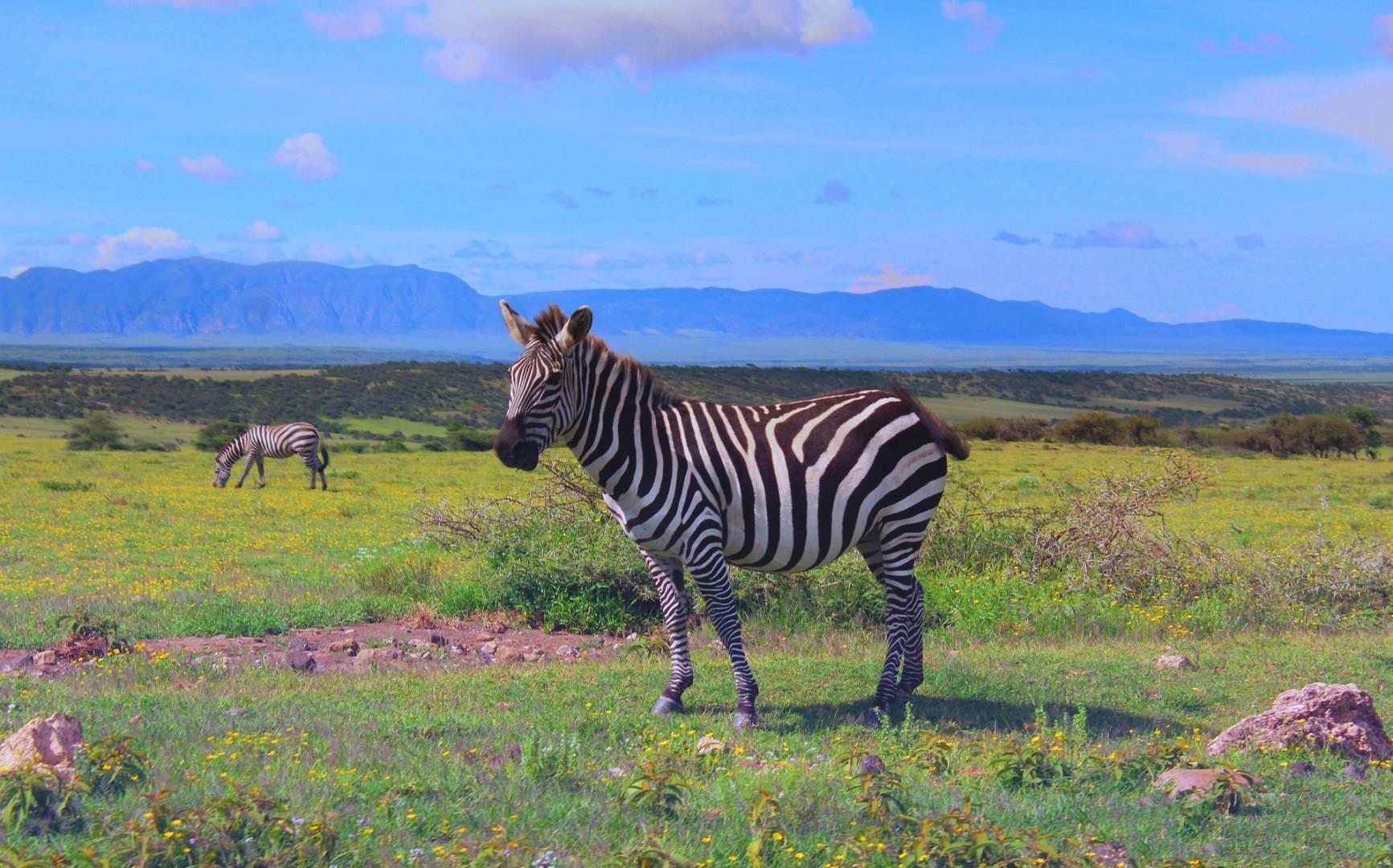
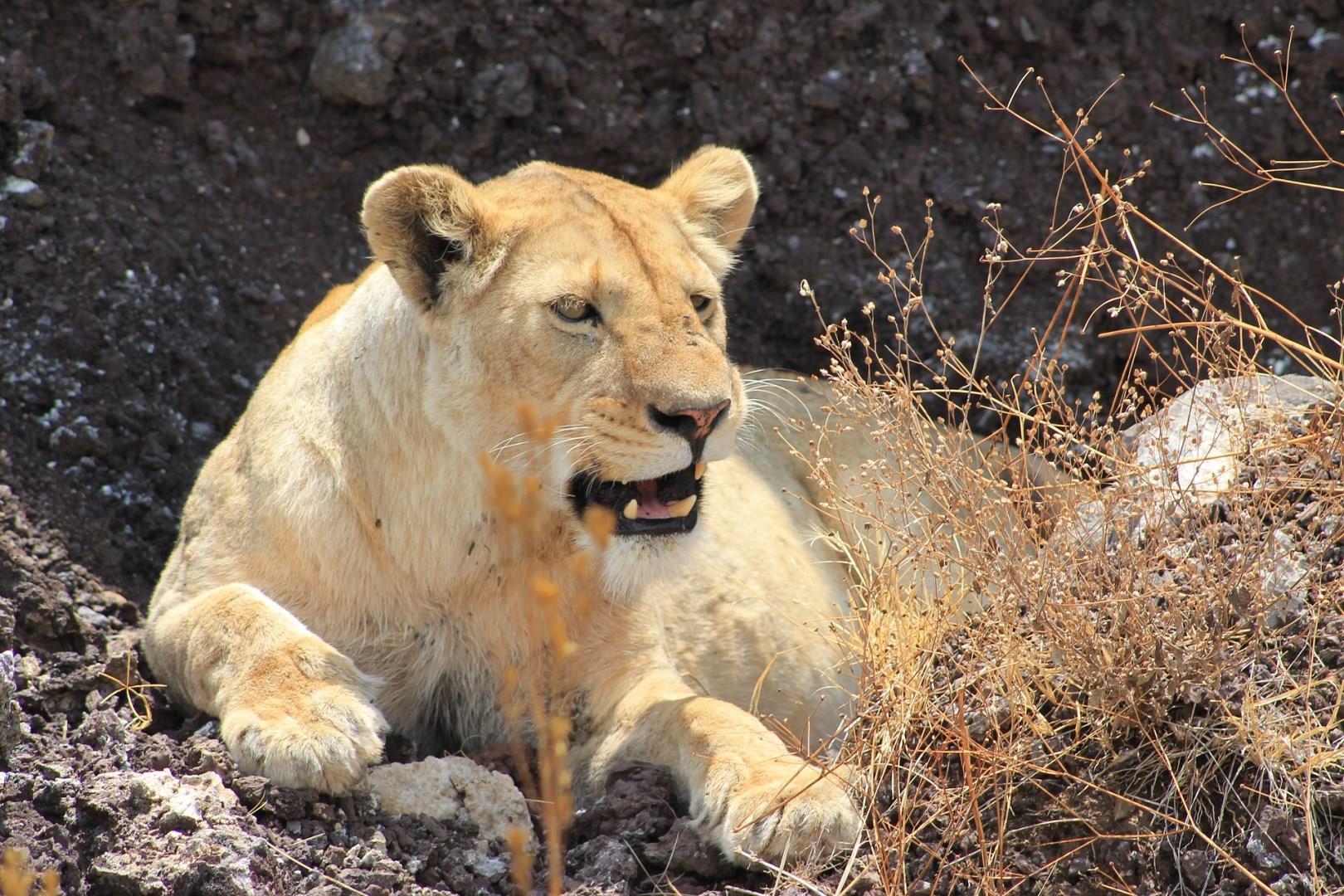
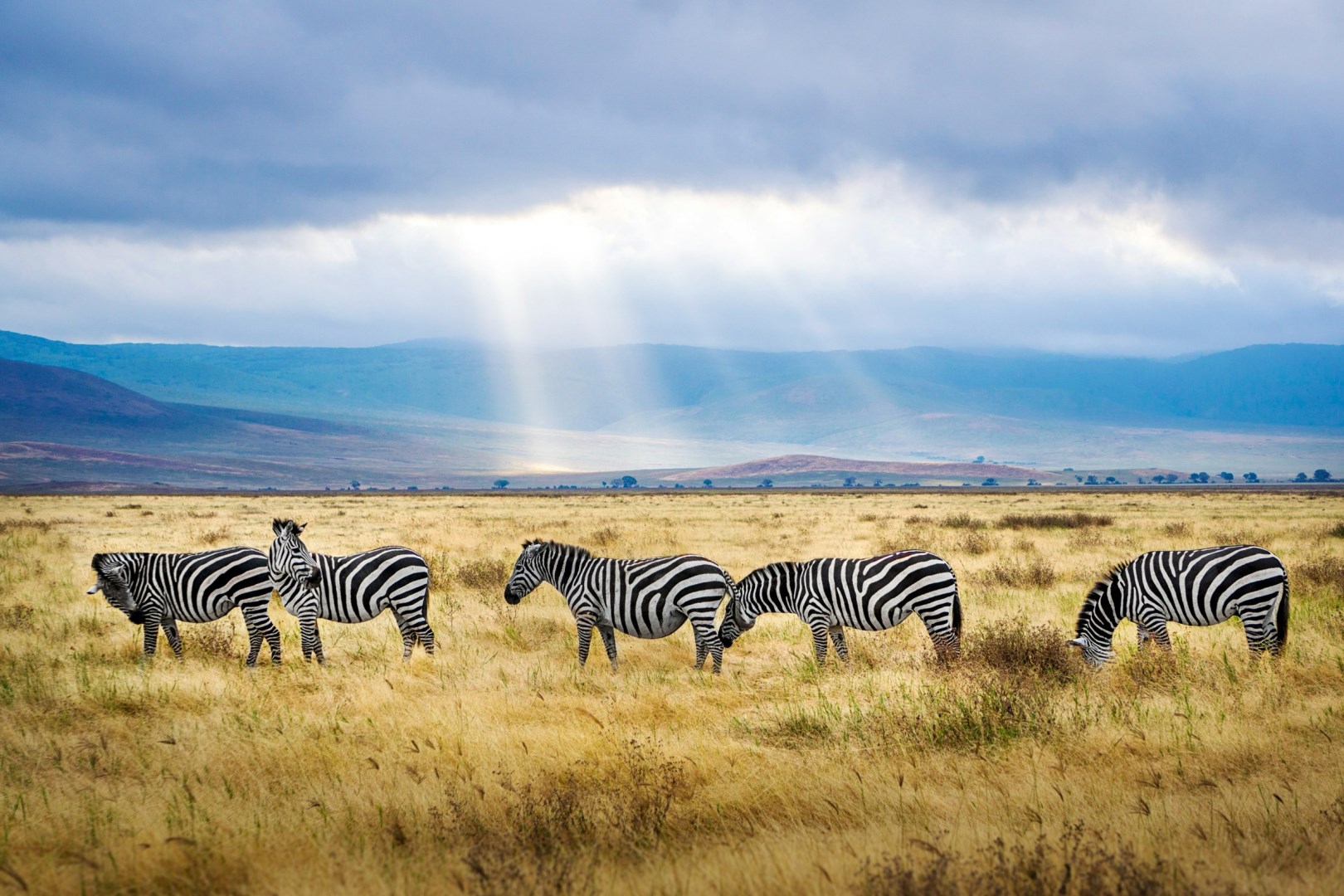
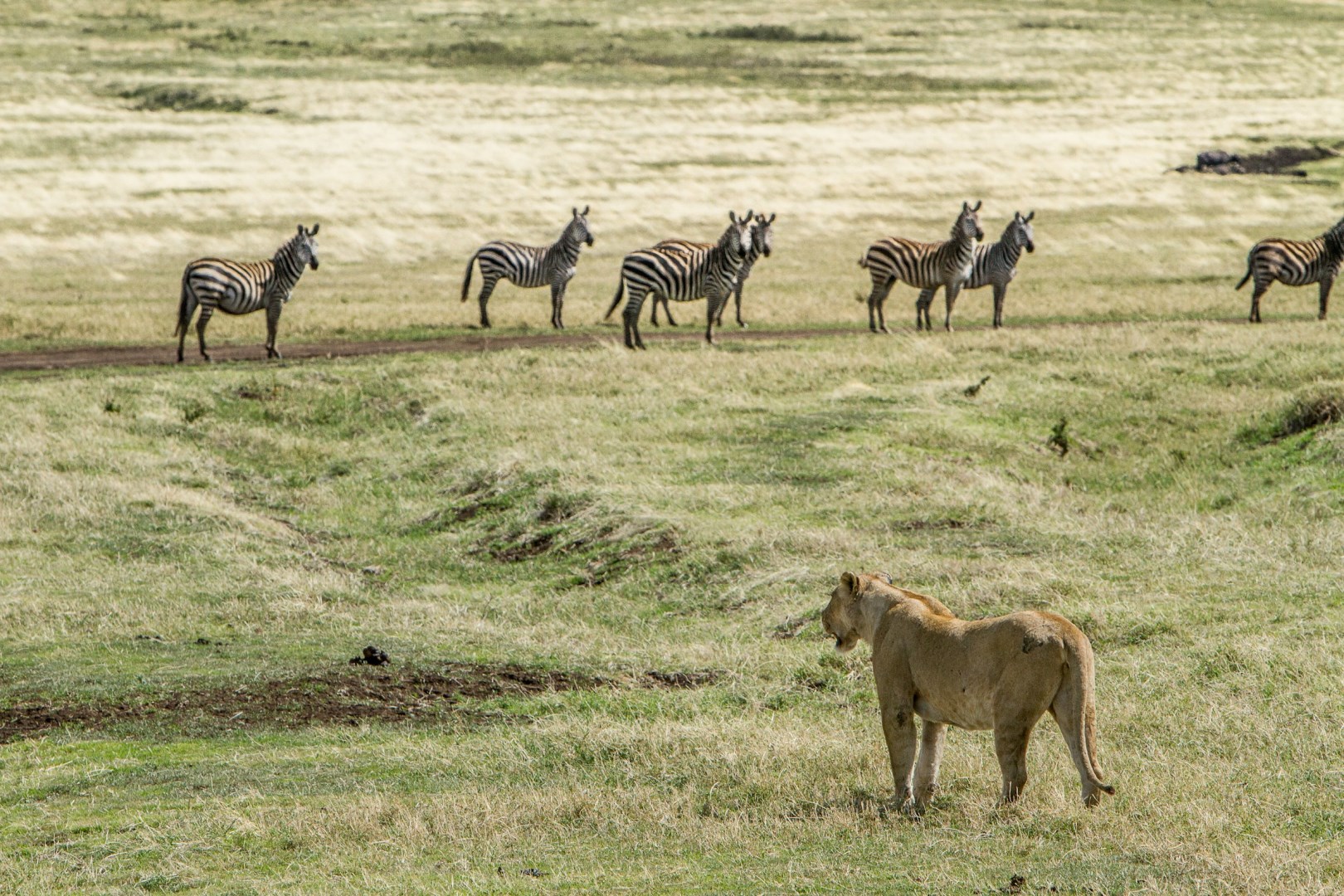
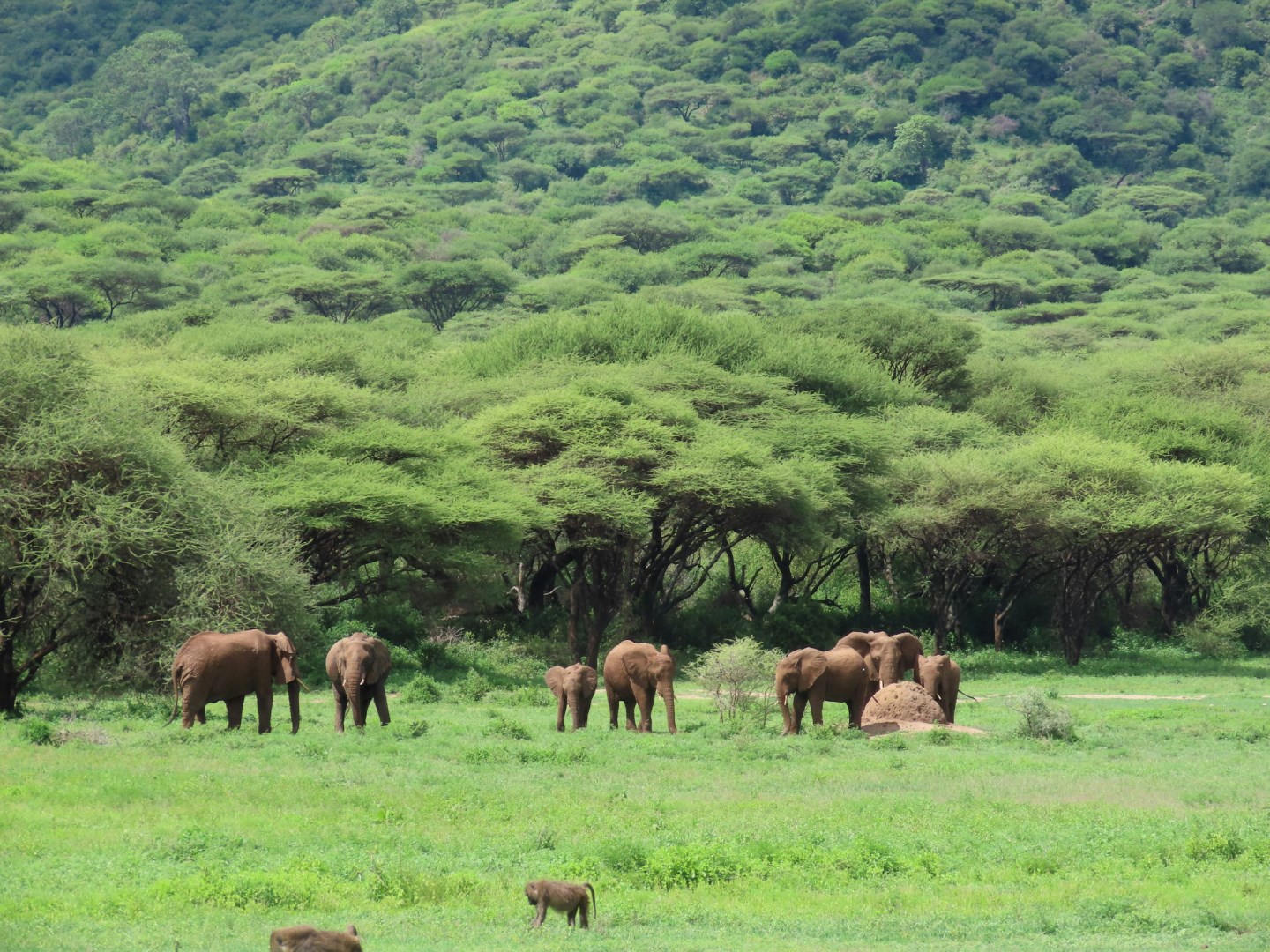
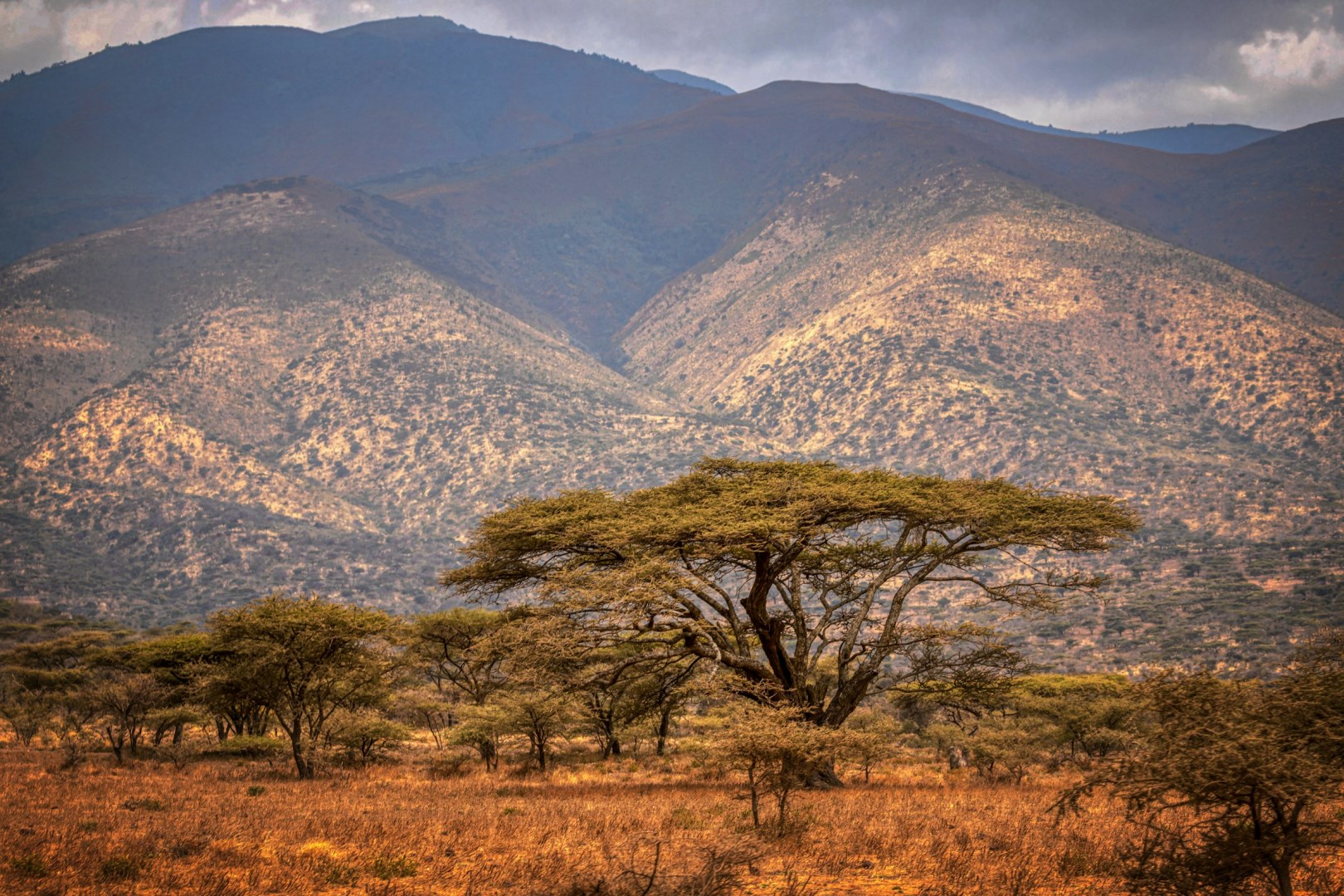
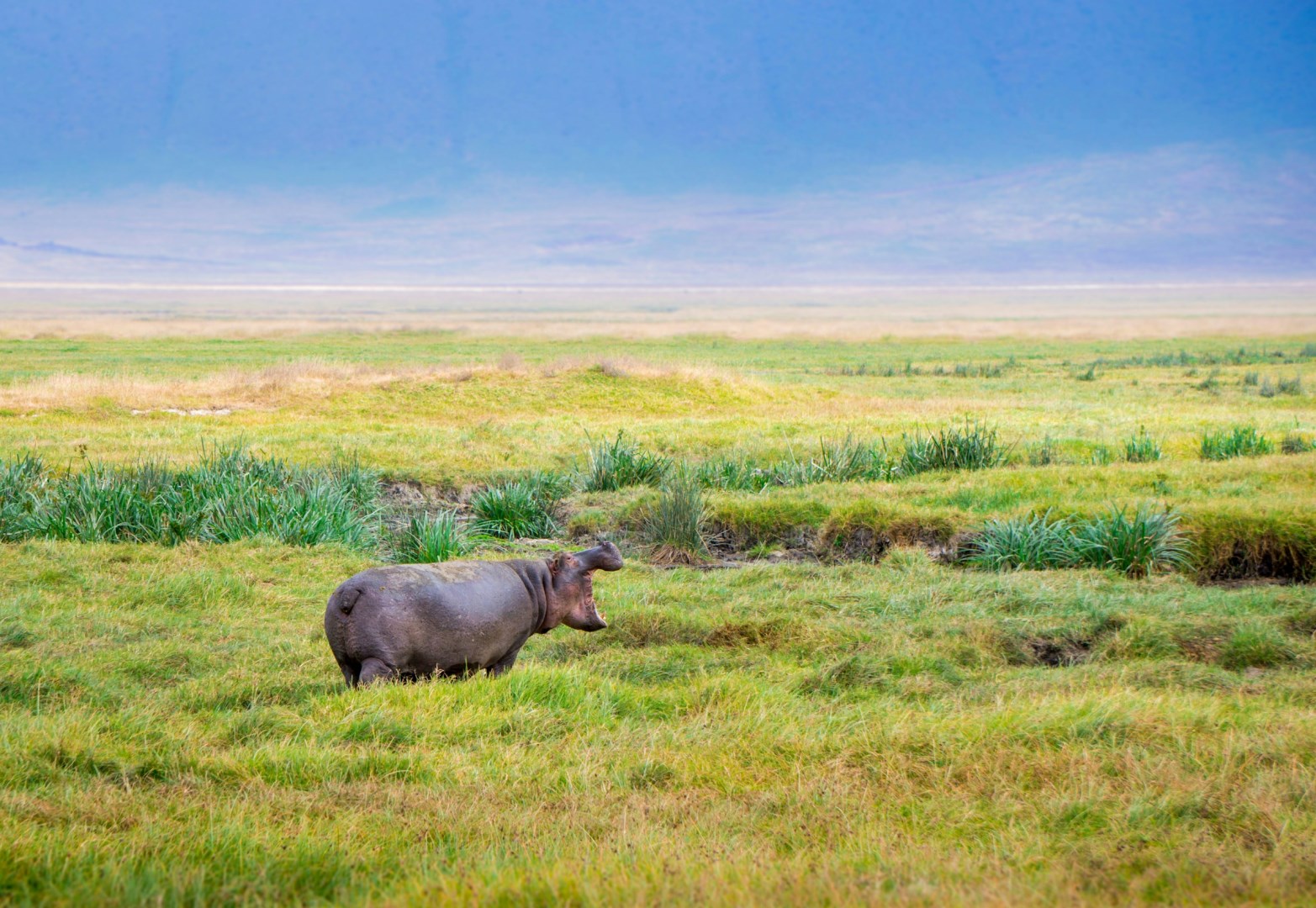
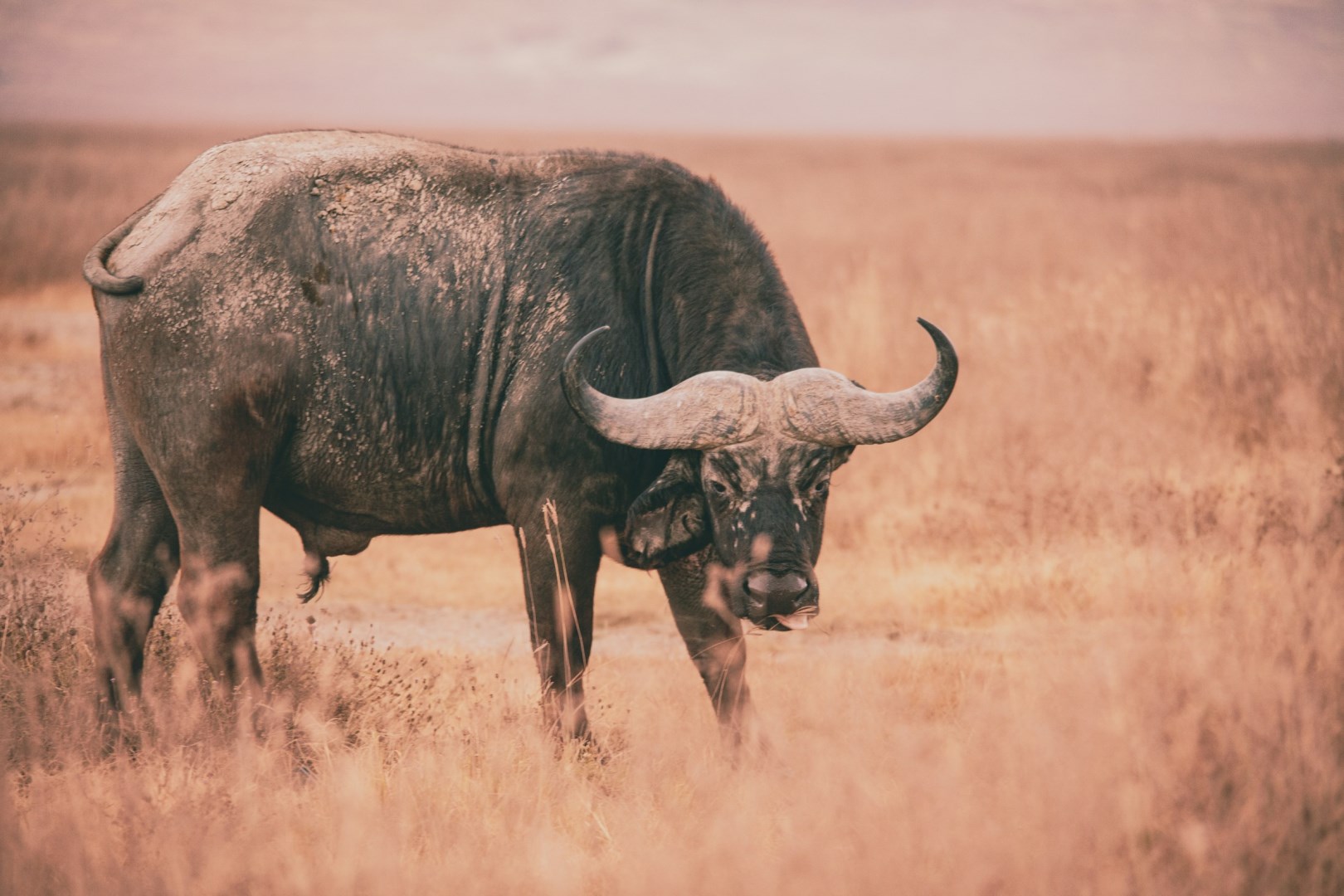
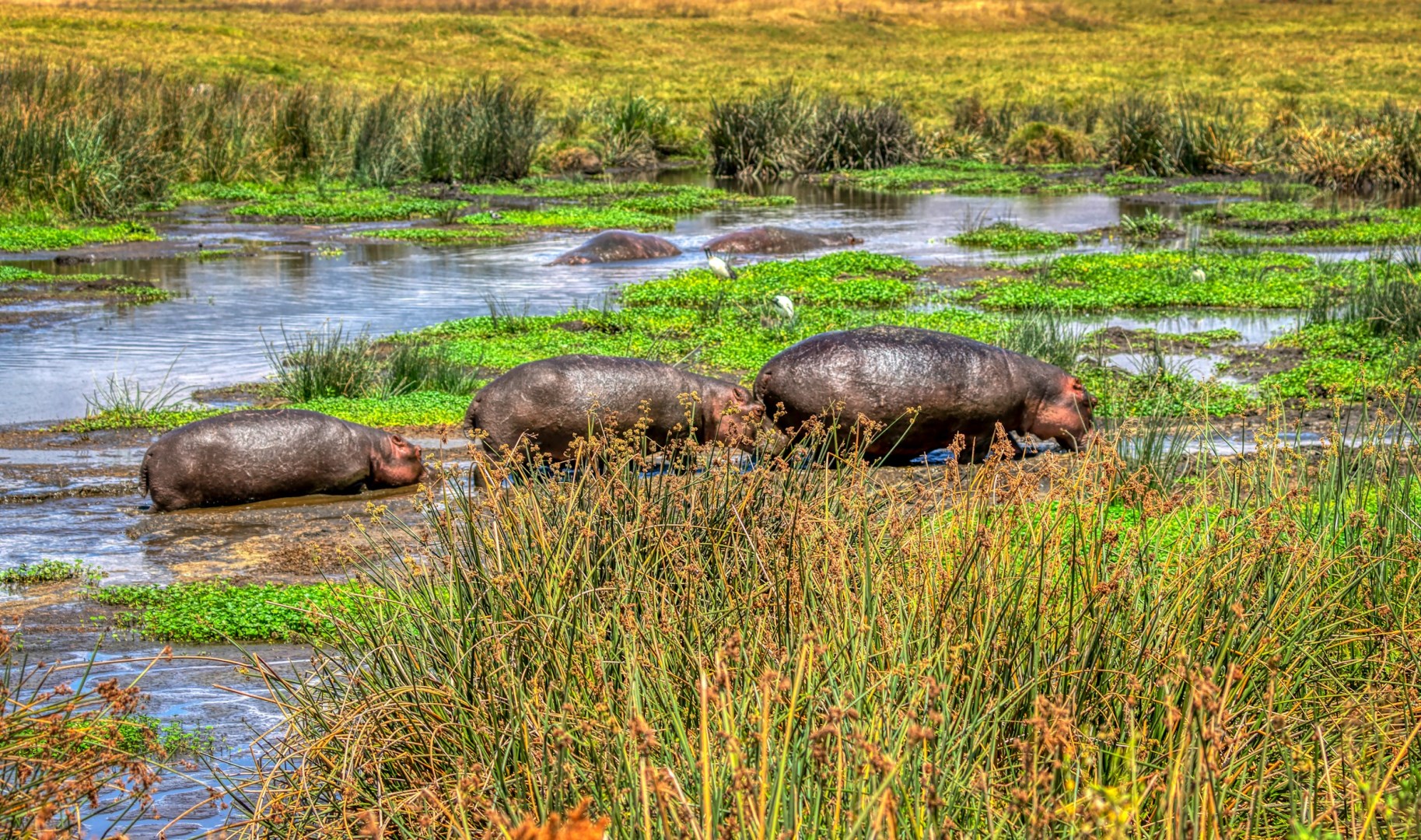
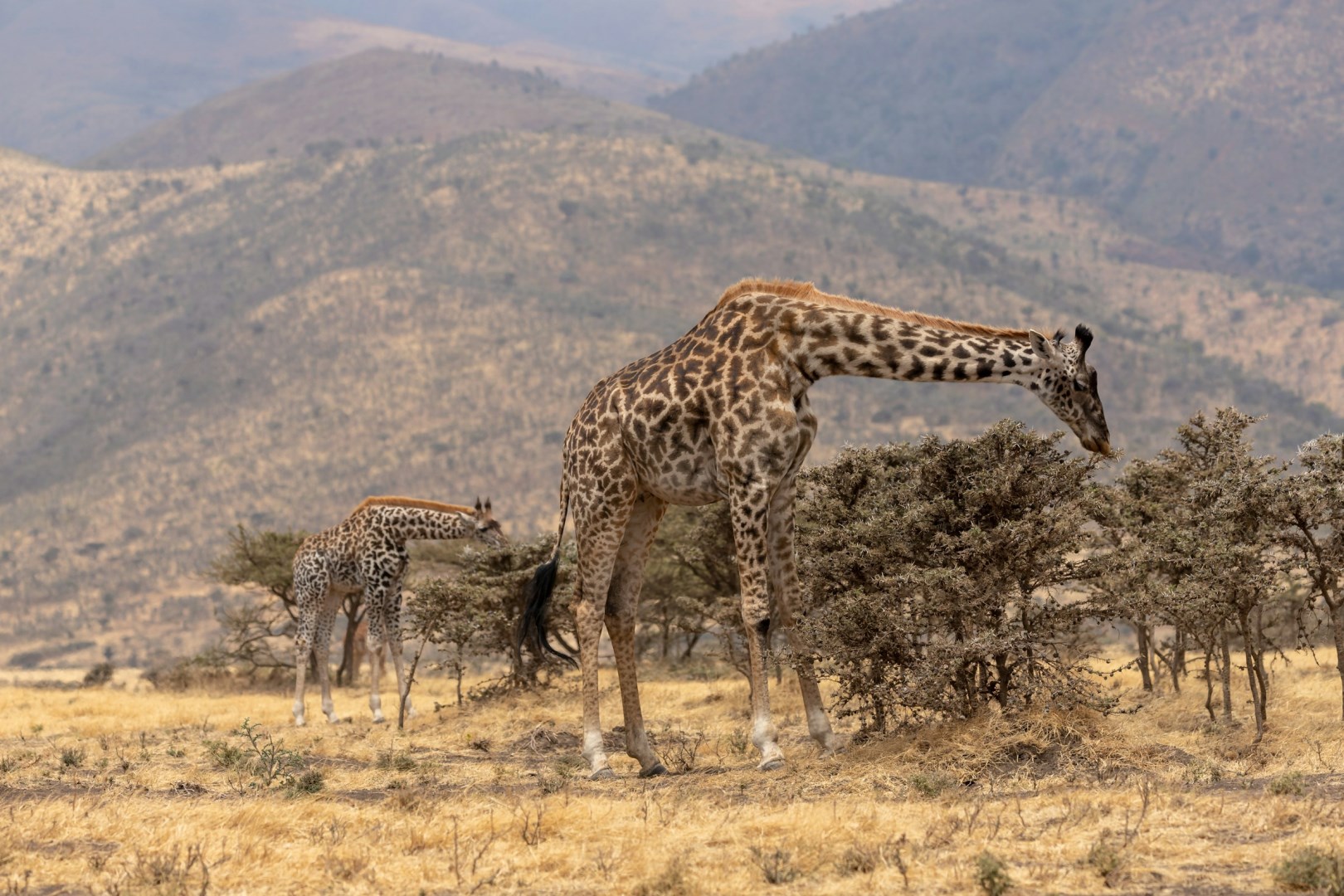
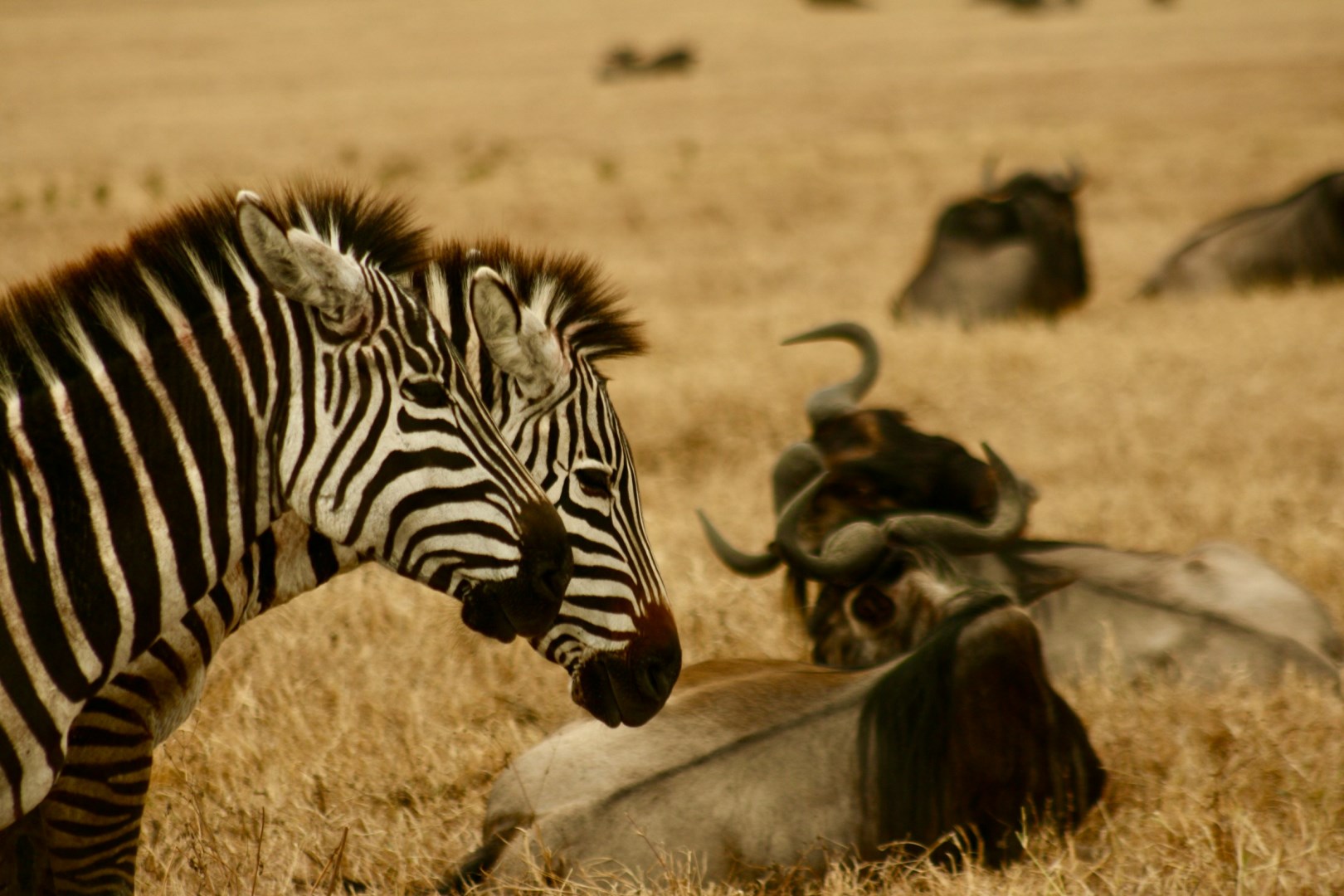
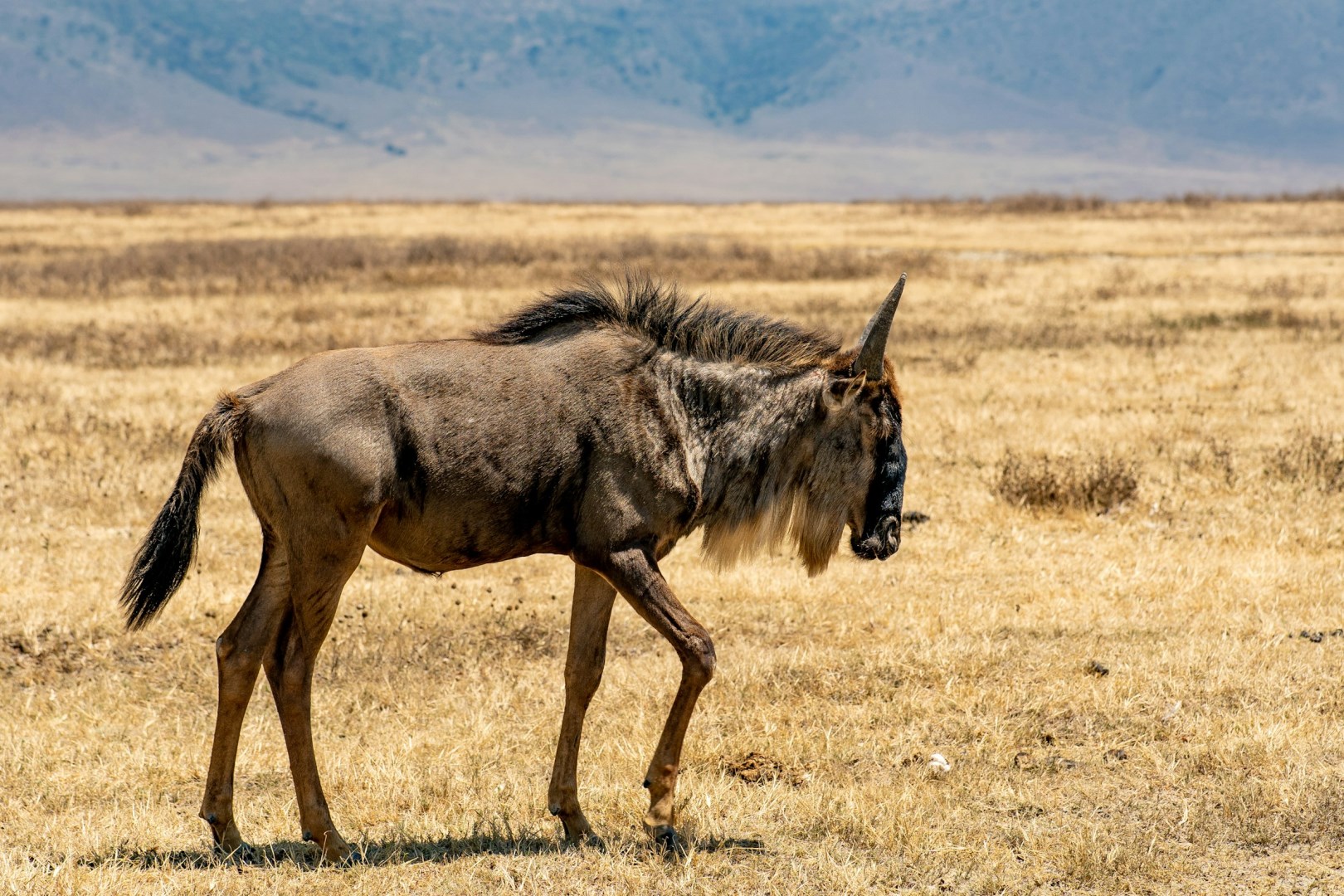
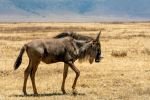
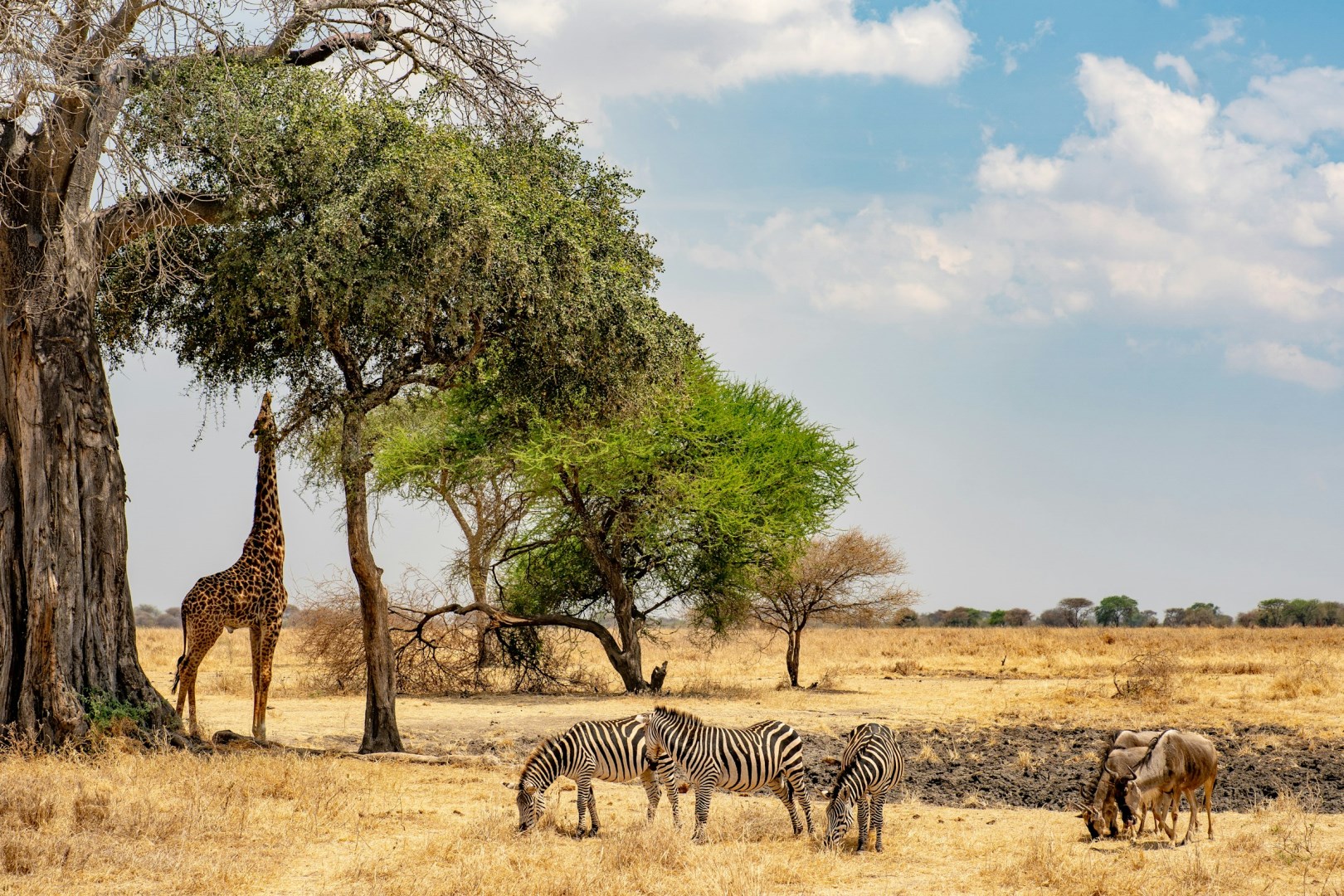
Ngorongoro, Tanzania, is a destination where breathtaking landscapes and abundant wildlife converge in a truly unique way. Nestled within the Ngorongoro Conservation Area, this region is renowned for the Ngorongoro Crater, a UNESCO World Heritage Site. This ancient caldera, formed by a volcanic eruption millions of years ago, creates a natural amphitheater teeming with wildlife. The crater's diverse habitats support a rich variety of animals, including the elusive black rhino, elephants, lions, and wildebeest.
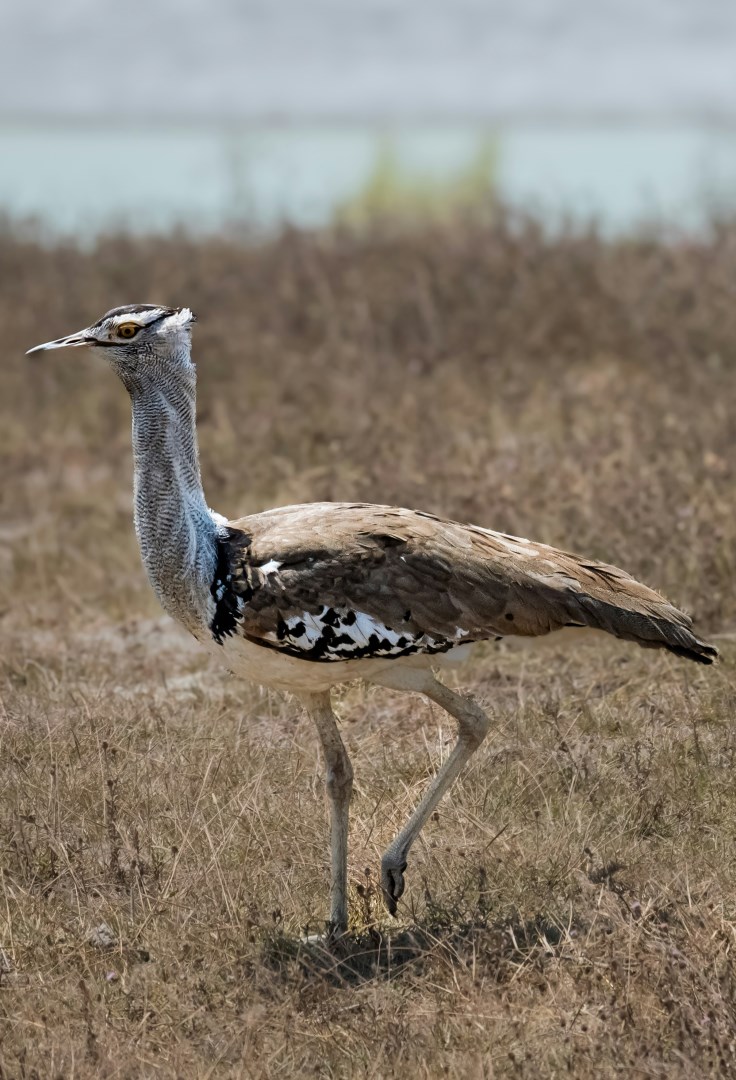
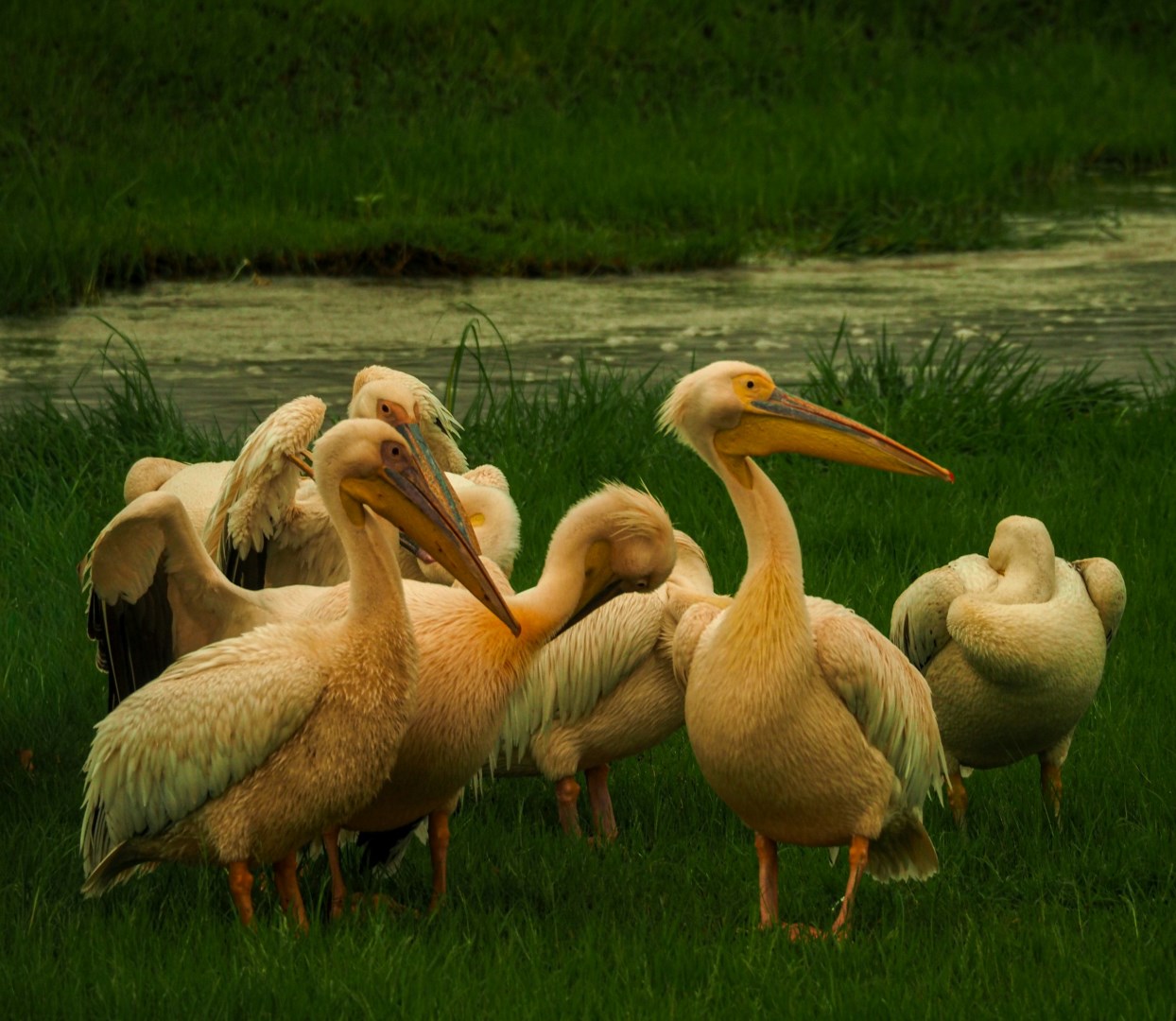
A visit to Ngorongoro offers unparalleled wildlife experiences. The crater’s floor is a paradise for safari enthusiasts, providing a chance to witness the Great Migration’s dramatic river crossings or to observe predator-prey interactions in their natural habitat. Additionally, the highland forests surrounding the crater offer opportunities for birdwatching and scenic hikes. The area is also home to the Maasai people.
Other Popular Destinations in Tanzania
Serengeti
Serengeti, Tanzania, is a jewel of the African continent, renowned for its spectacular wildlife and breathtaking landscapes. This iconic destination is synonymous with the Great Migration, one of nature’s most awe-inspiring events. Each year, millions of wildebeest, zebras, and gazelles traverse the Serengeti’s vast plains in search of fresh grazing grounds, creating a dramatic and unforgettable spectacle.
Zanzibar
Zanzibar Island, off the coast of Tanzania, is a captivating destination where history and natural beauty converge. The island’s Stone Town, a UNESCO World Heritage Site, is a maze of narrow alleys, vibrant markets, and historical buildings. Wander through the bustling Darajani Market, where local spices, textiles, and crafts create a sensory feast.