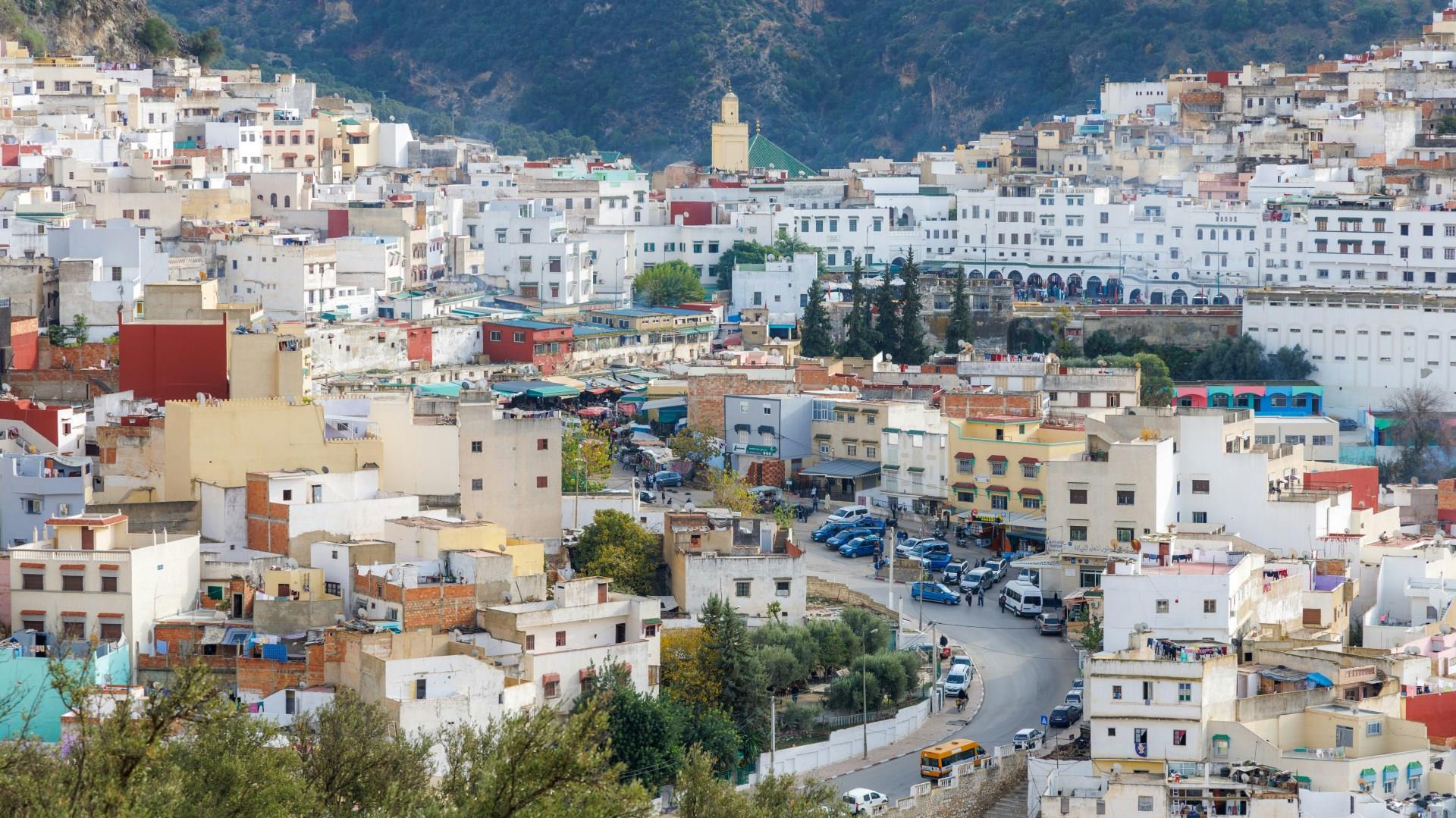
Moulay Idriss
Moulay Idriss sits on twin hills in northern Morocco, revered as one of the country’s most important spiritual centers.
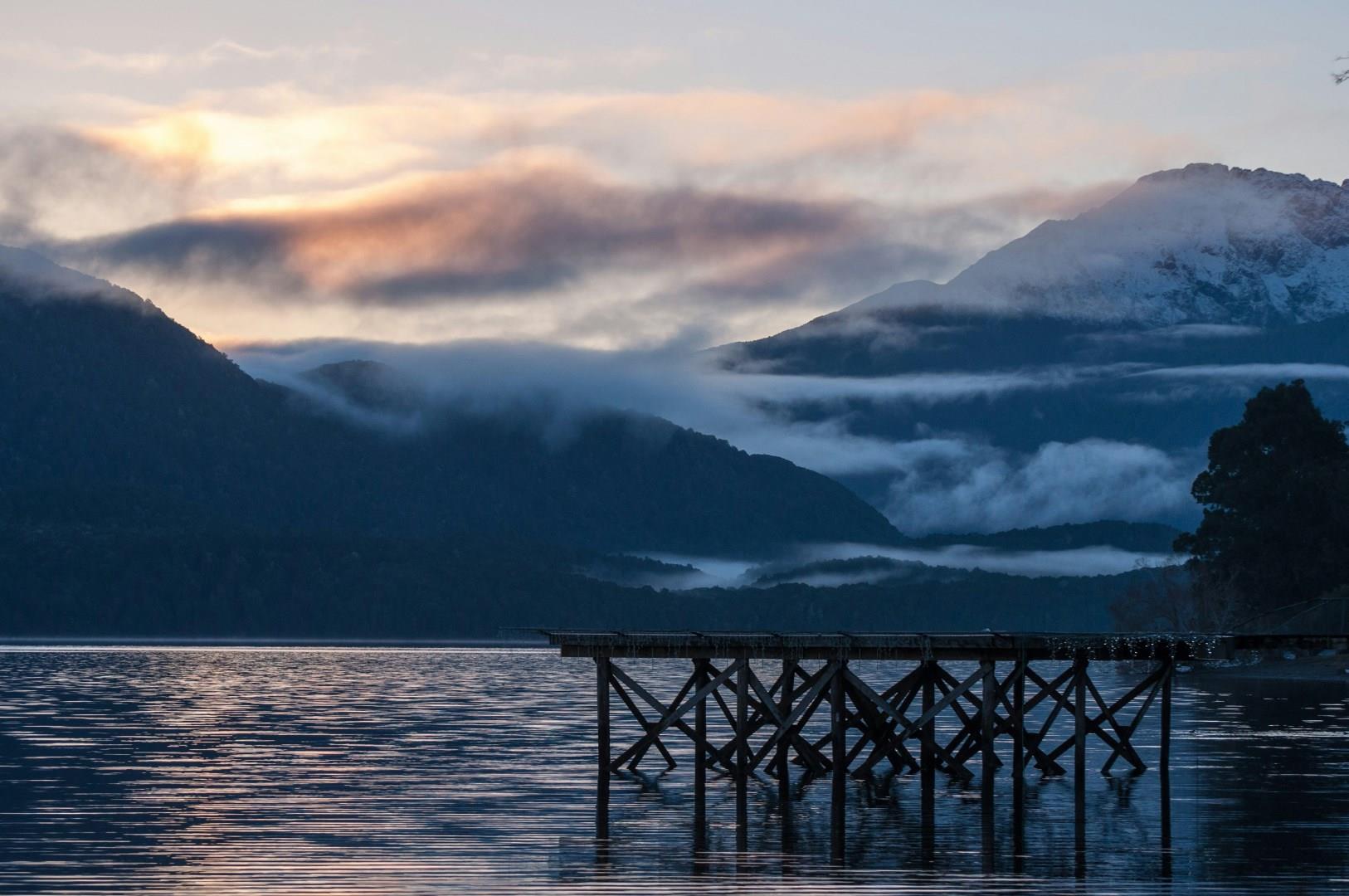
Te Anau
Te Anau sits on the edge of New Zealand’s second-largest lake, acting as the unofficial gateway to Fiordland National Park. While it’s often viewed as a starting point for trips to Milford Sound, the town itself offers a slower, more scenic way to experience the South Island’s dramatic landscapes. Te Anau’s lakefront is a mix of walking paths, local birdlife, and wide-open views across snow-dusted peaks.
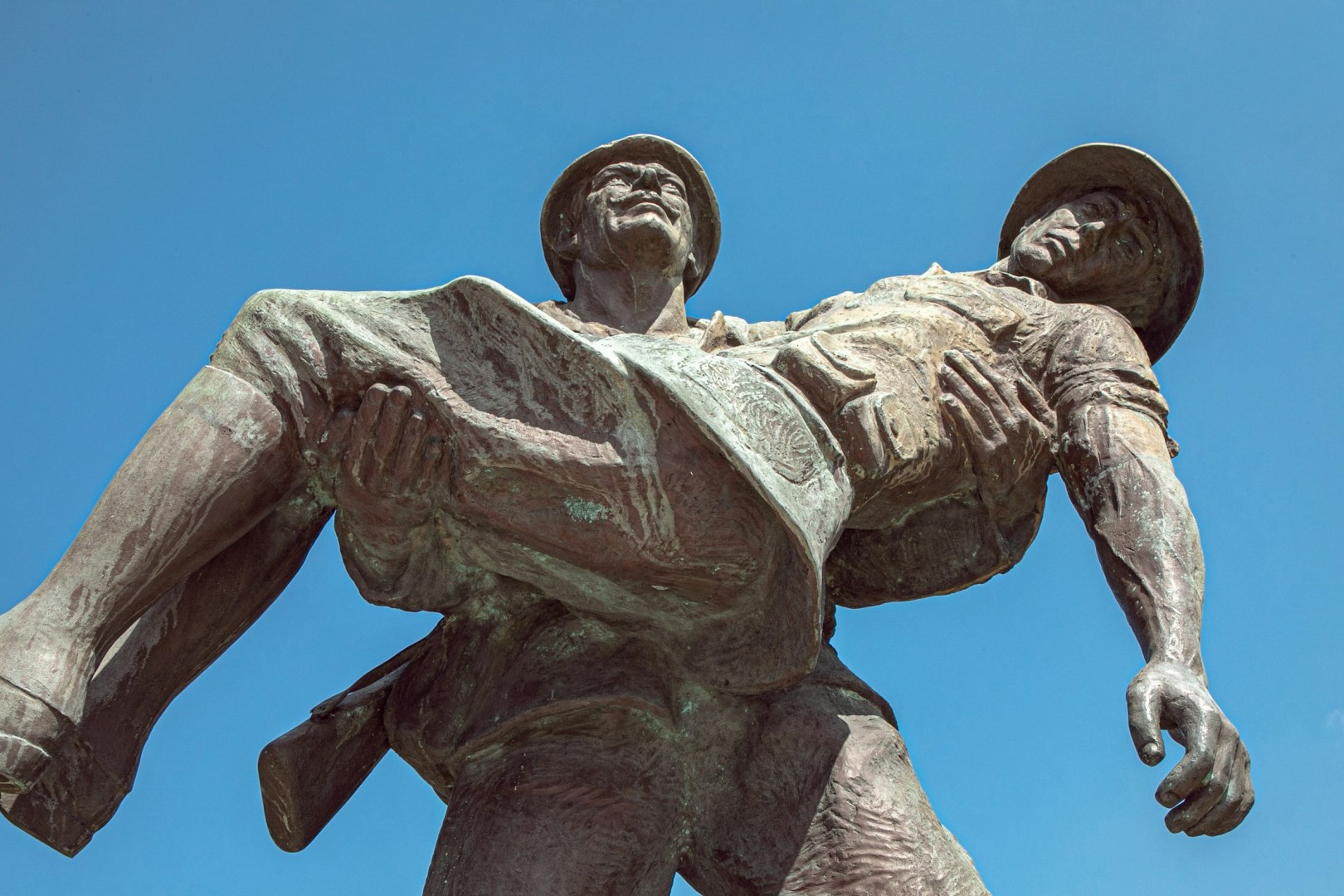
Gallipoli
Most people visit Gallipoli for the chilling, contemplative sites of Anzac Cove and Lone Pine Cemetery. To honor the 500,000 soldiers who lost their lives at battle here, this peninsula was made into a National Park.
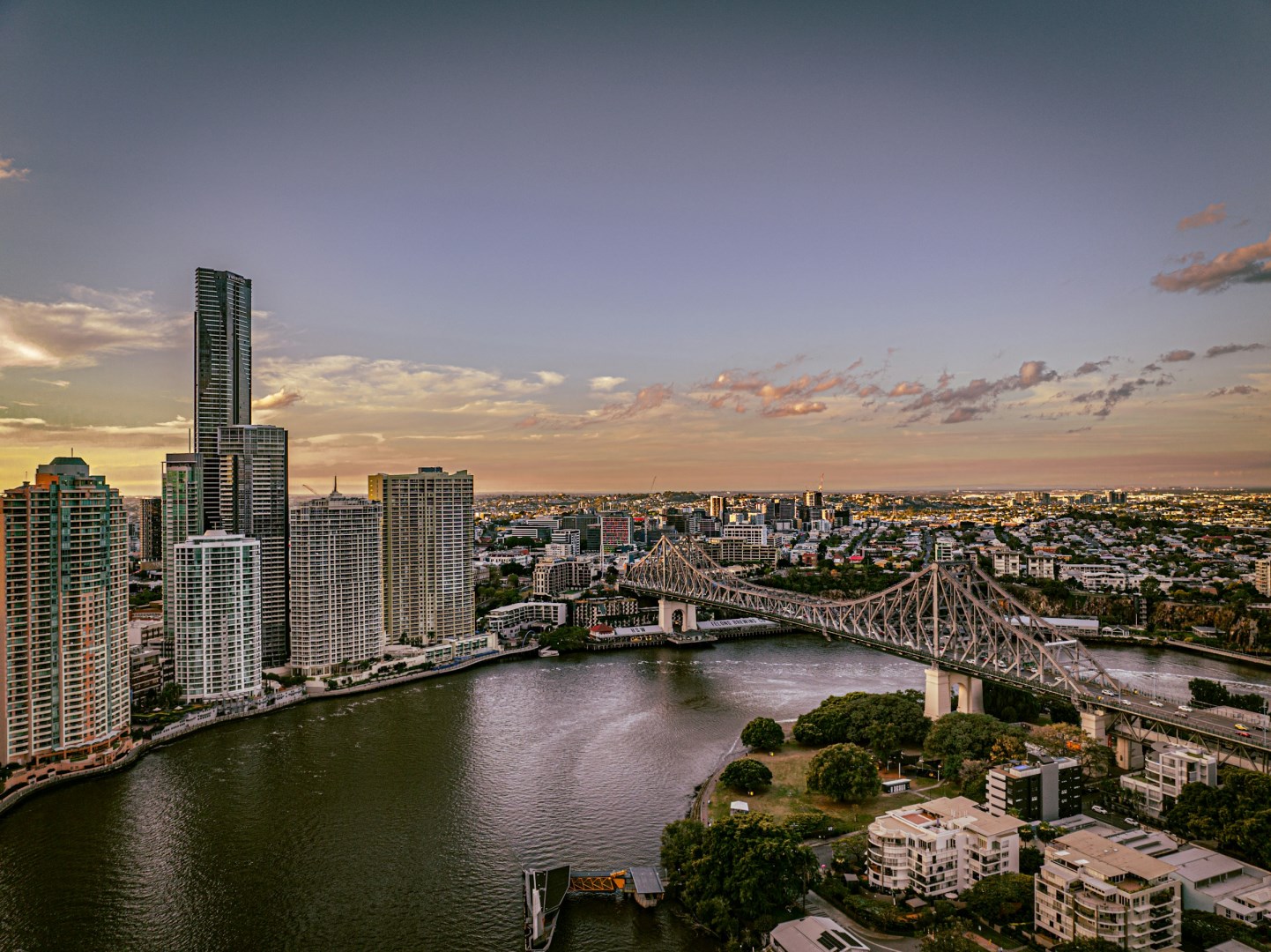
Brisbane
Culture, dining and nightlife are just a few of the reasons to find yourself in sunny Brisbane. This sprawling, constantly-evolving river city is for the young and the young at heart. Shop at the outdoor markets, where you'll find fashion, crafts and produce. Beaches are the order of the day here, too, with North Stradbroke Island and Moreton Island attracting hordes of sunbathers.
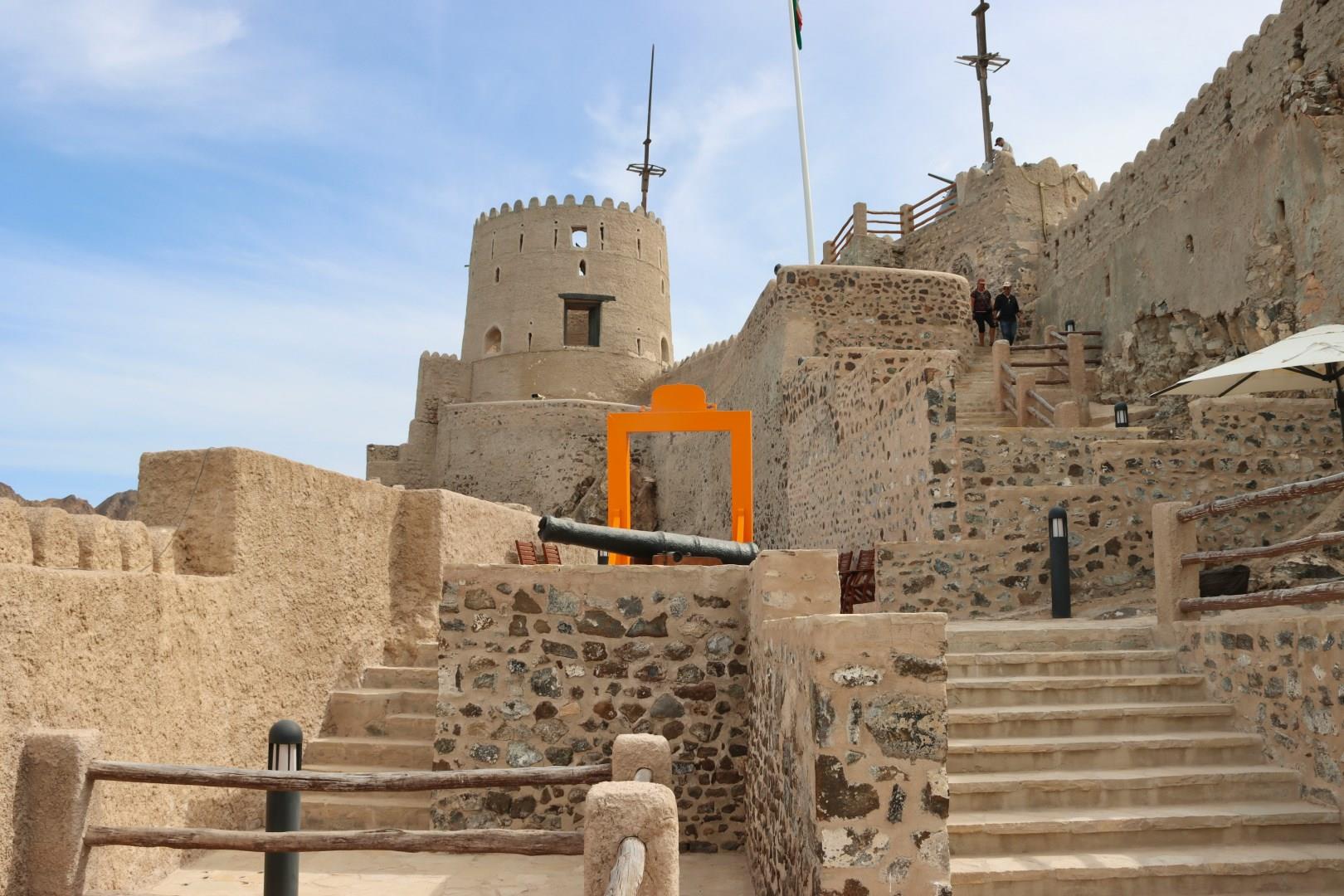
Nakhal
Located in northern Oman, Nakhal is best known for its impressive fort set dramatically against the backdrop of the Hajar Mountains. Originally built centuries ago and later expanded, the fort showcases traditional Omani architecture and offers sweeping views of the surrounding palm groves and rugged landscapes.