Dana Point
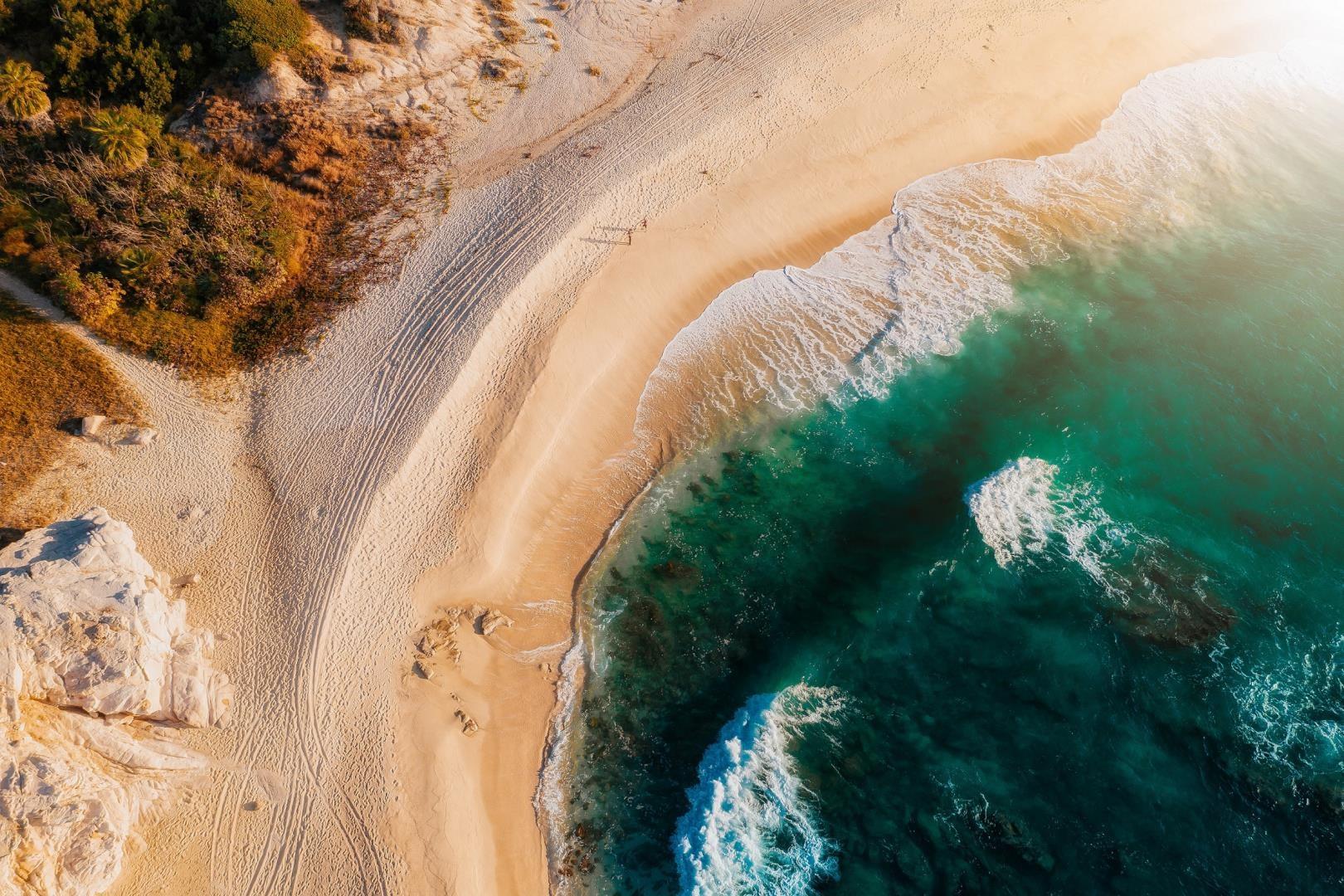
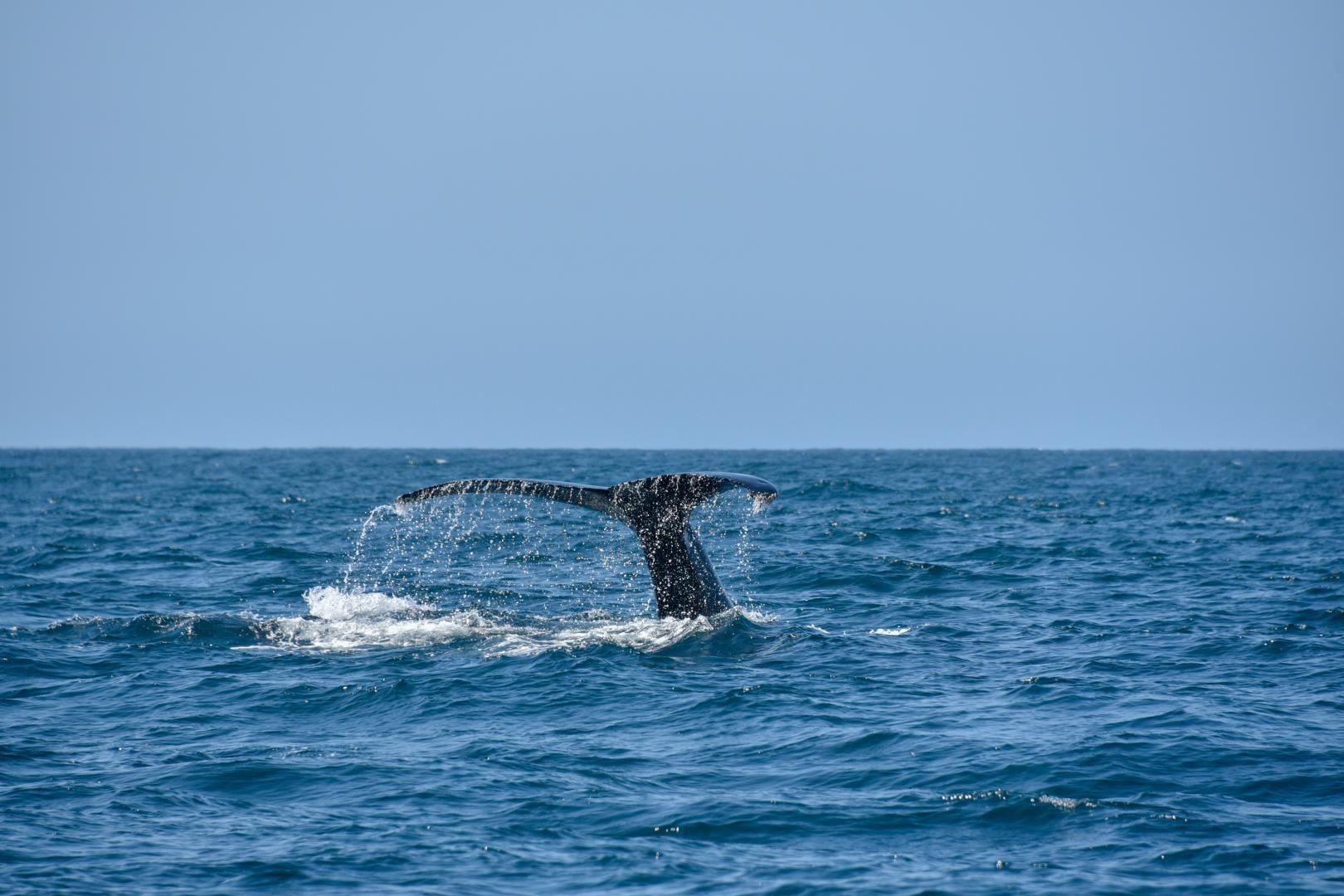
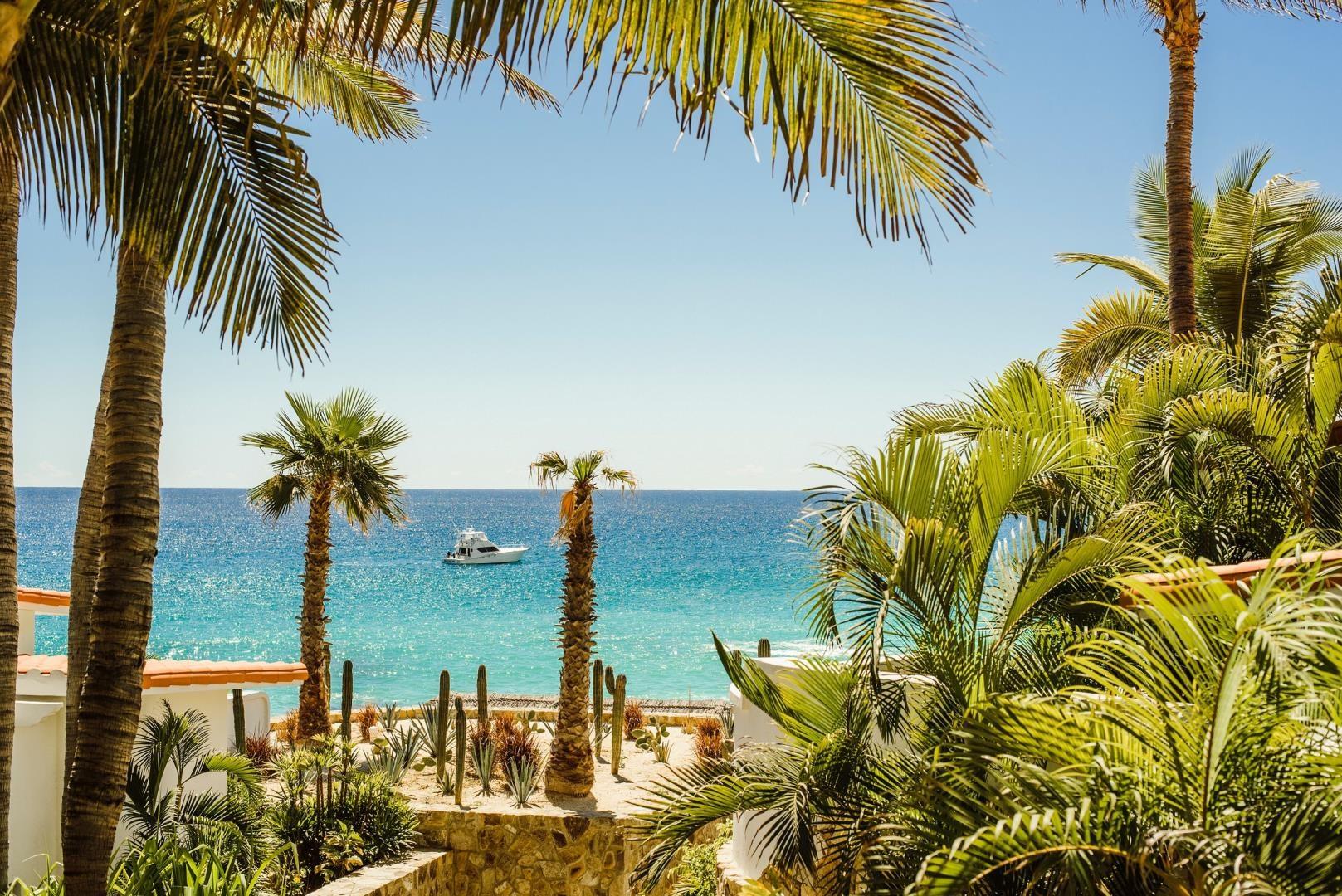
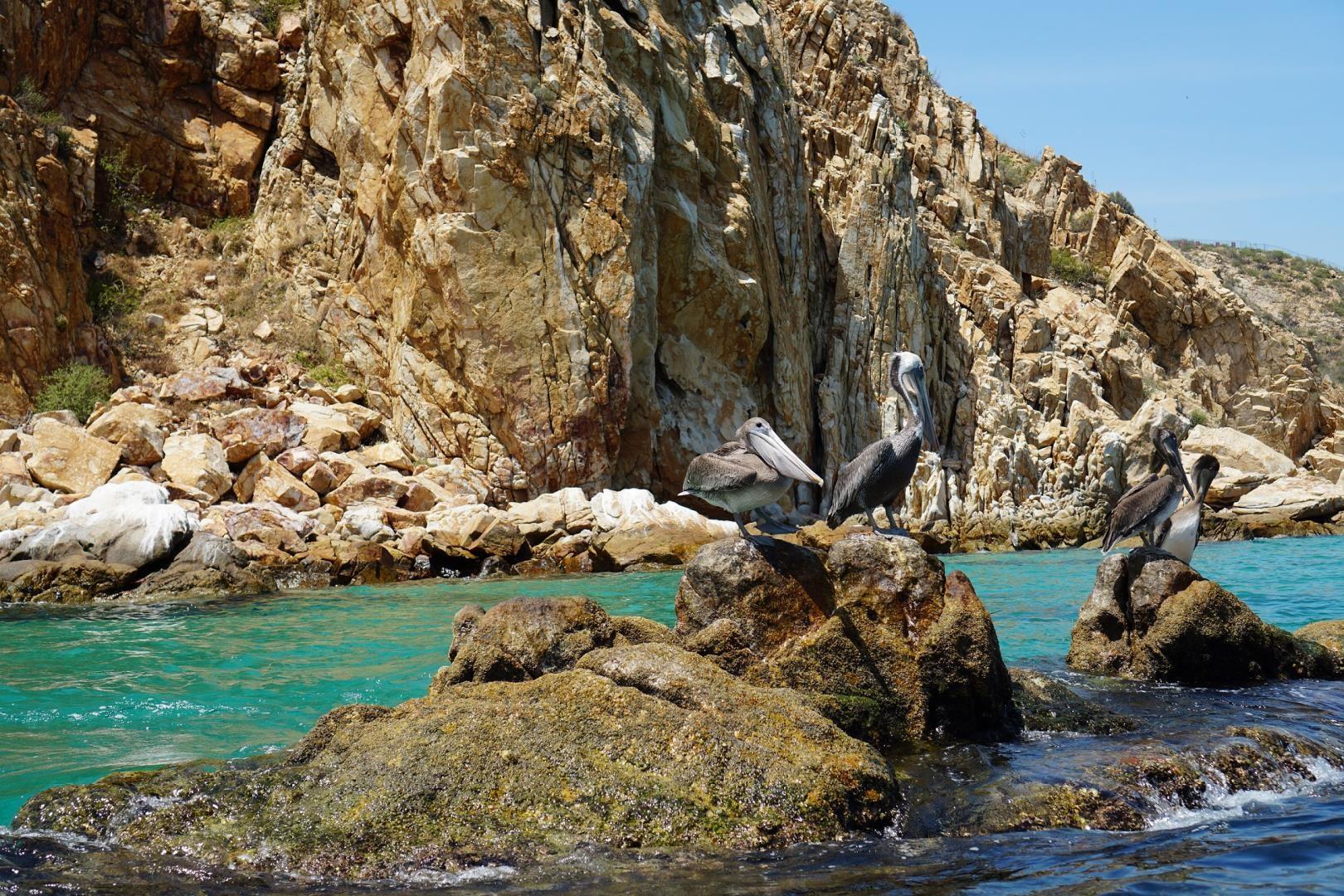
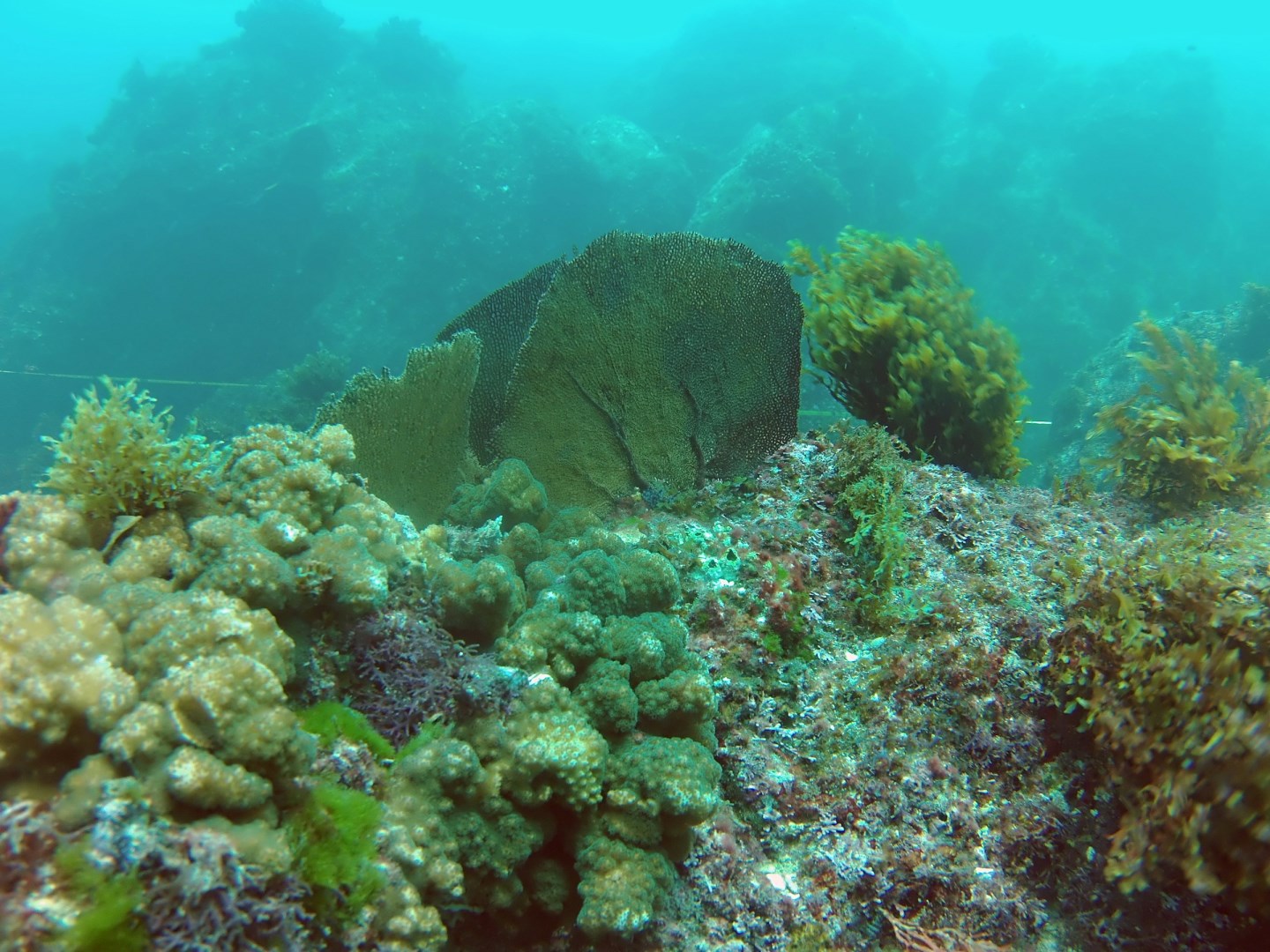
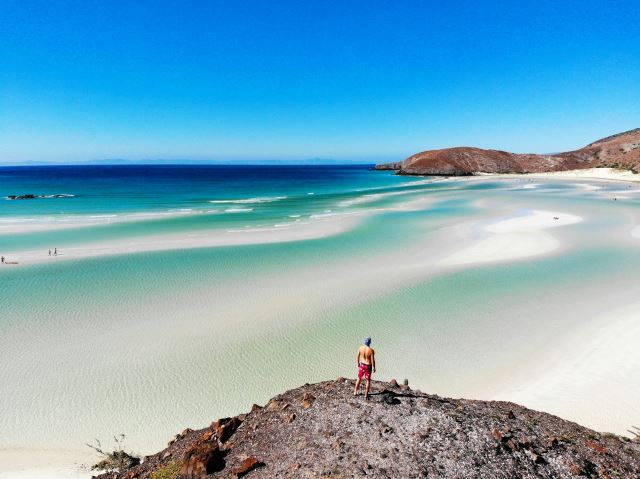
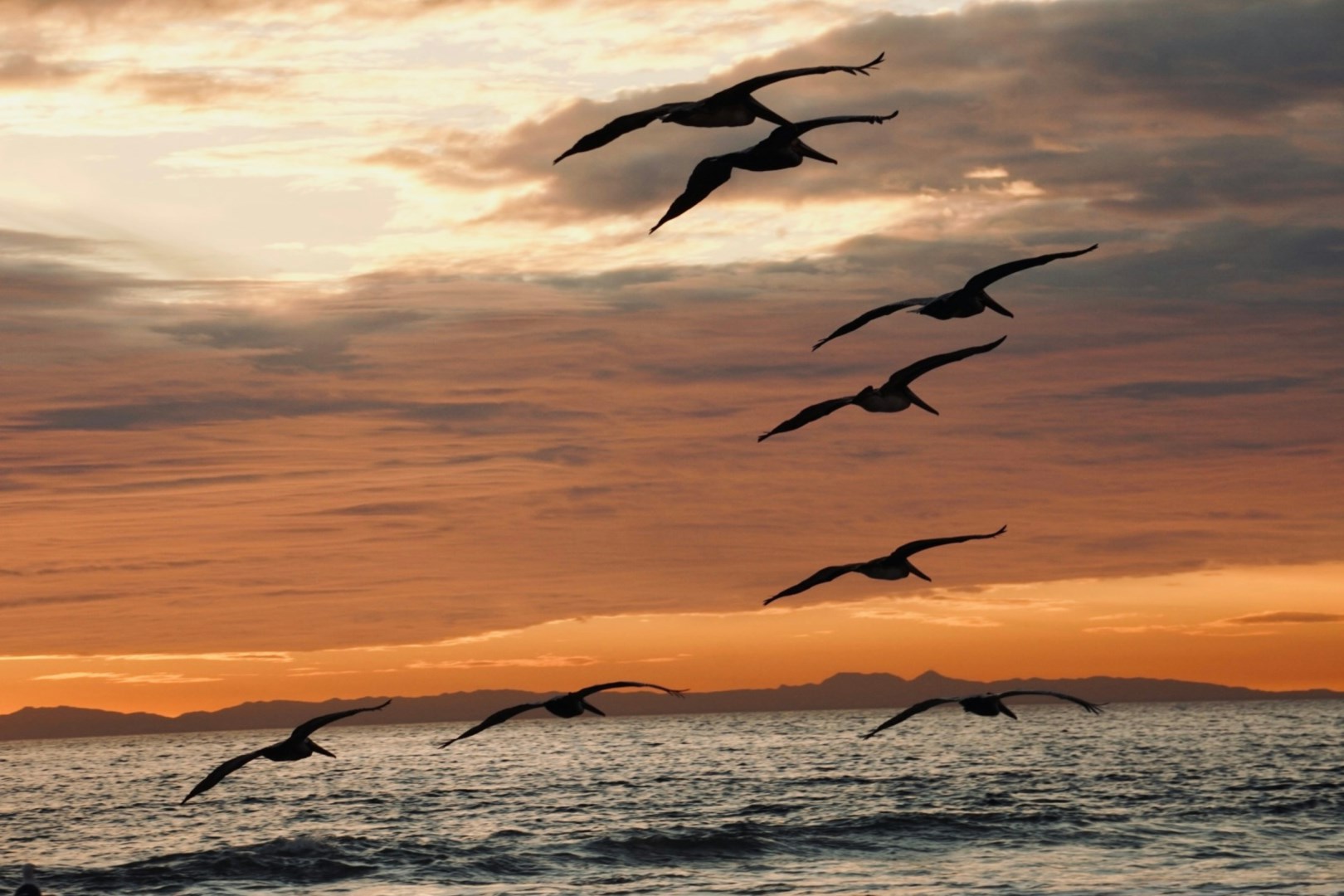
Dana Point is a coastal city in Southern California, situated along the Pacific Ocean between Los Angeles and San Diego. The city is built around a prominent headland and natural harbor, with steep coastal bluffs overlooking beaches and sheltered waters. Dana Point Harbor forms the center of much of the community’s maritime activity, while nearby parks and coastal trails provide access to ocean views.
Moulay Idriss
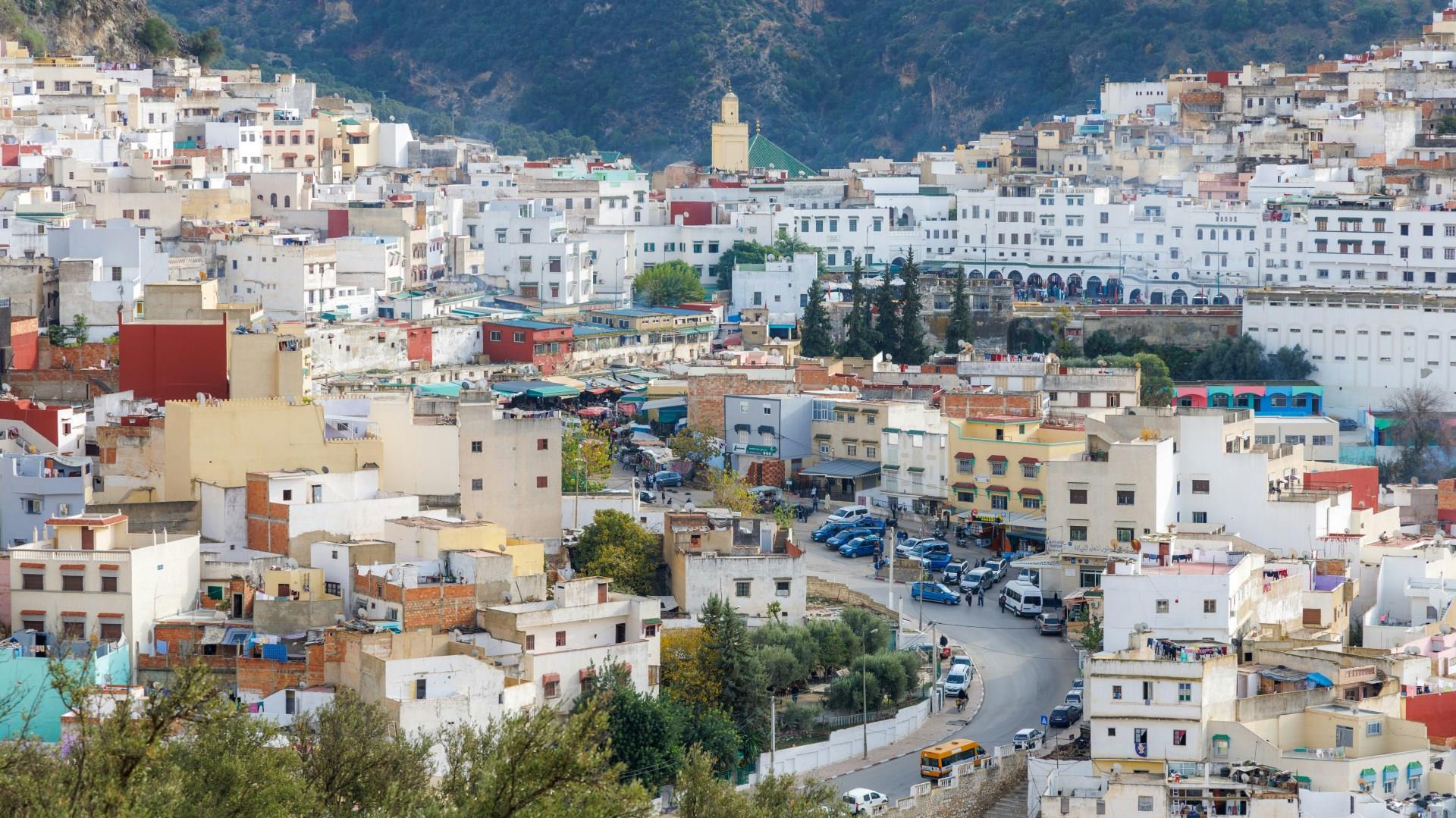
Moulay Idriss sits on twin hills in northern Morocco, revered as one of the country’s most important spiritual centers.
Amritsar
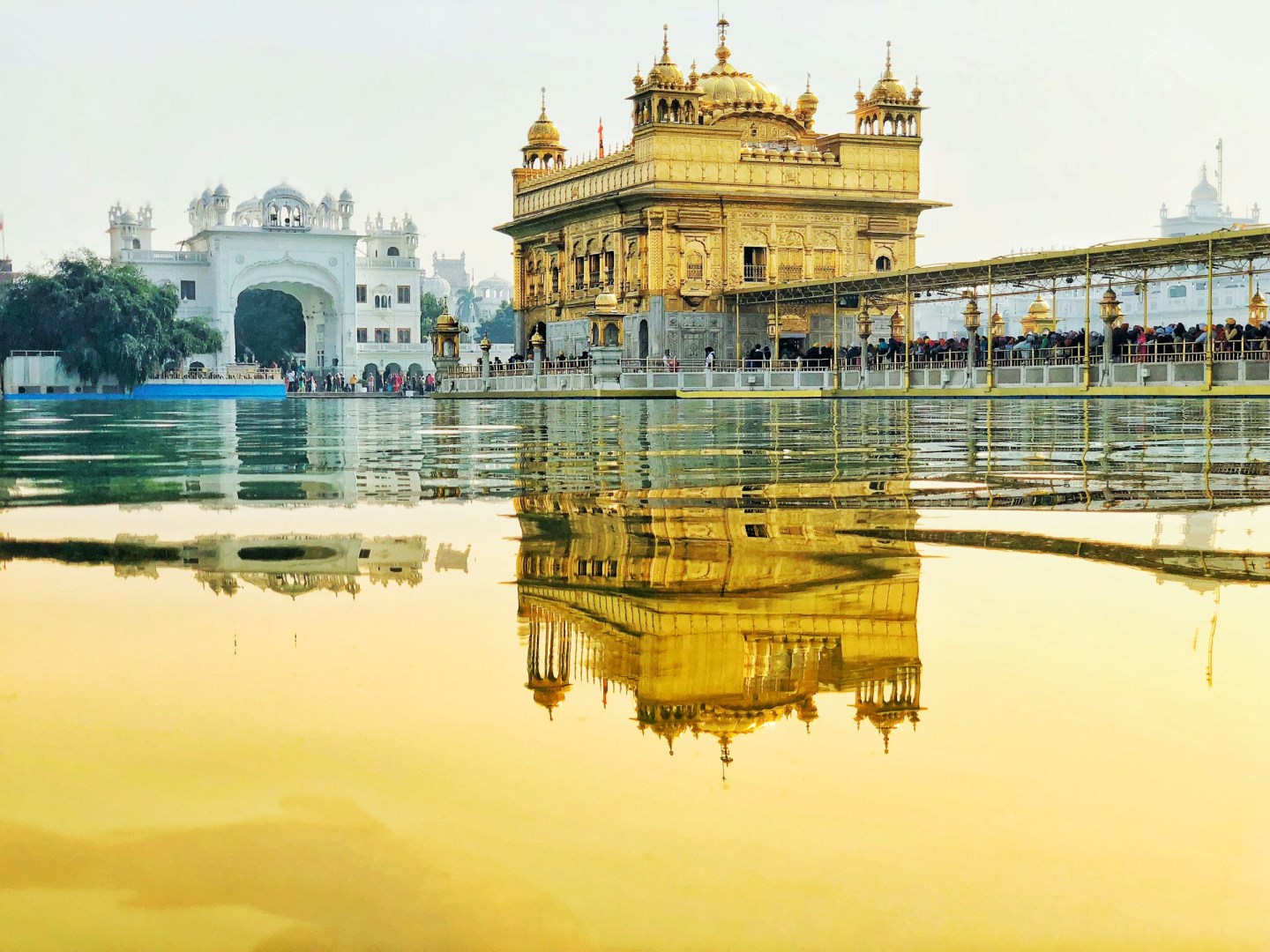
Located in the Indian state of Punjab, Amritsar is perhaps best known as the home of the Golden Temple, or Harmandir Sahib. It is one of the Sikhism religion's most significant and most-visited gurudwaras (place of worship). Tourists may also be interested in one of several museums, Urban Haat Food Street, Gobindgarh Fort and the Jallianwala Bagh memorial garden.
Phinda Private Game Reserve
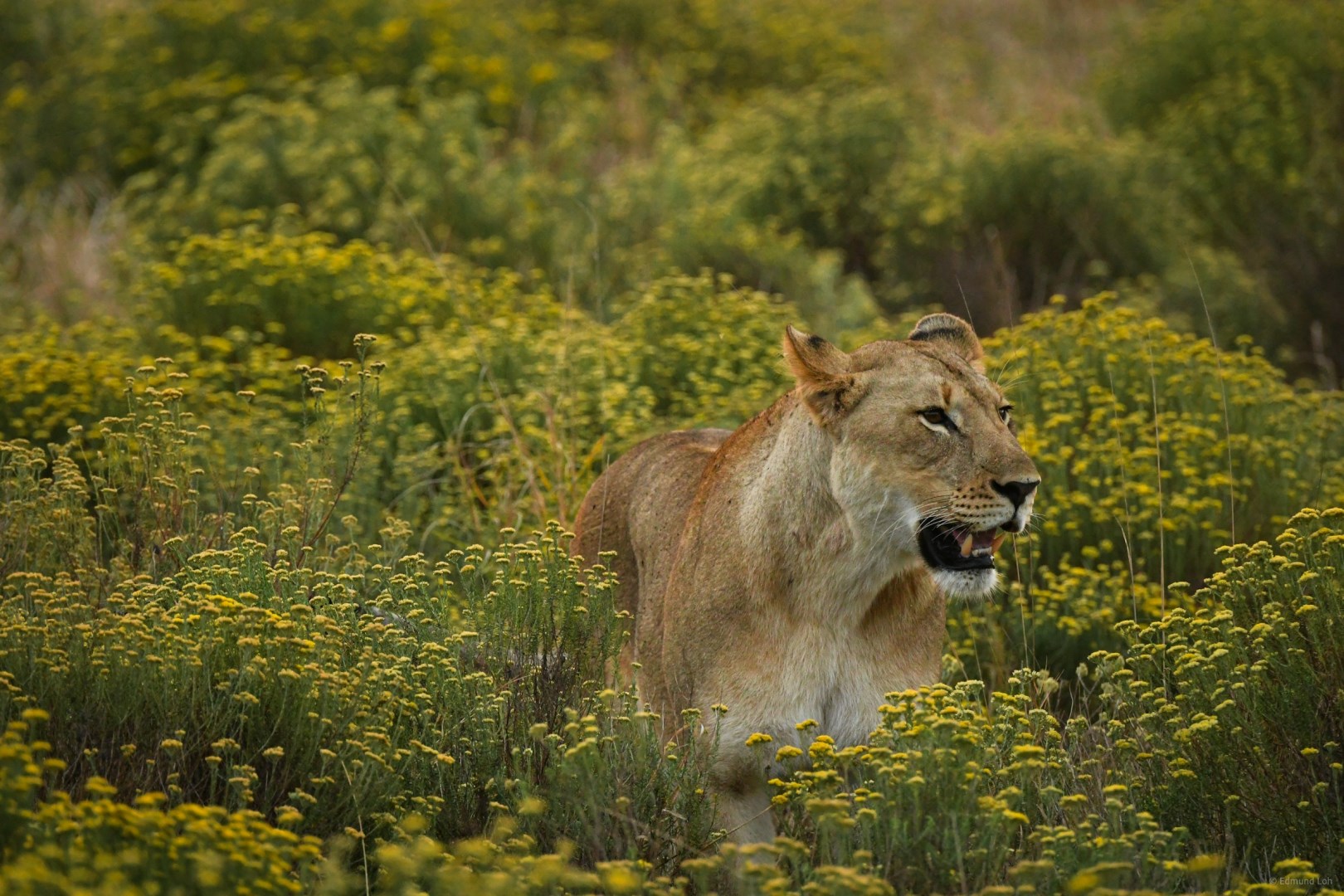
Phinda Private Game Reserve is a protected wildlife area in northern KwaZulu-Natal, within the broader Zululand region near the Indian Ocean coast. Its landscape is unusually varied for a single reserve, combining dry sand forest, open grassland, woodland, wetlands, and low mountain ranges
Kilkenny
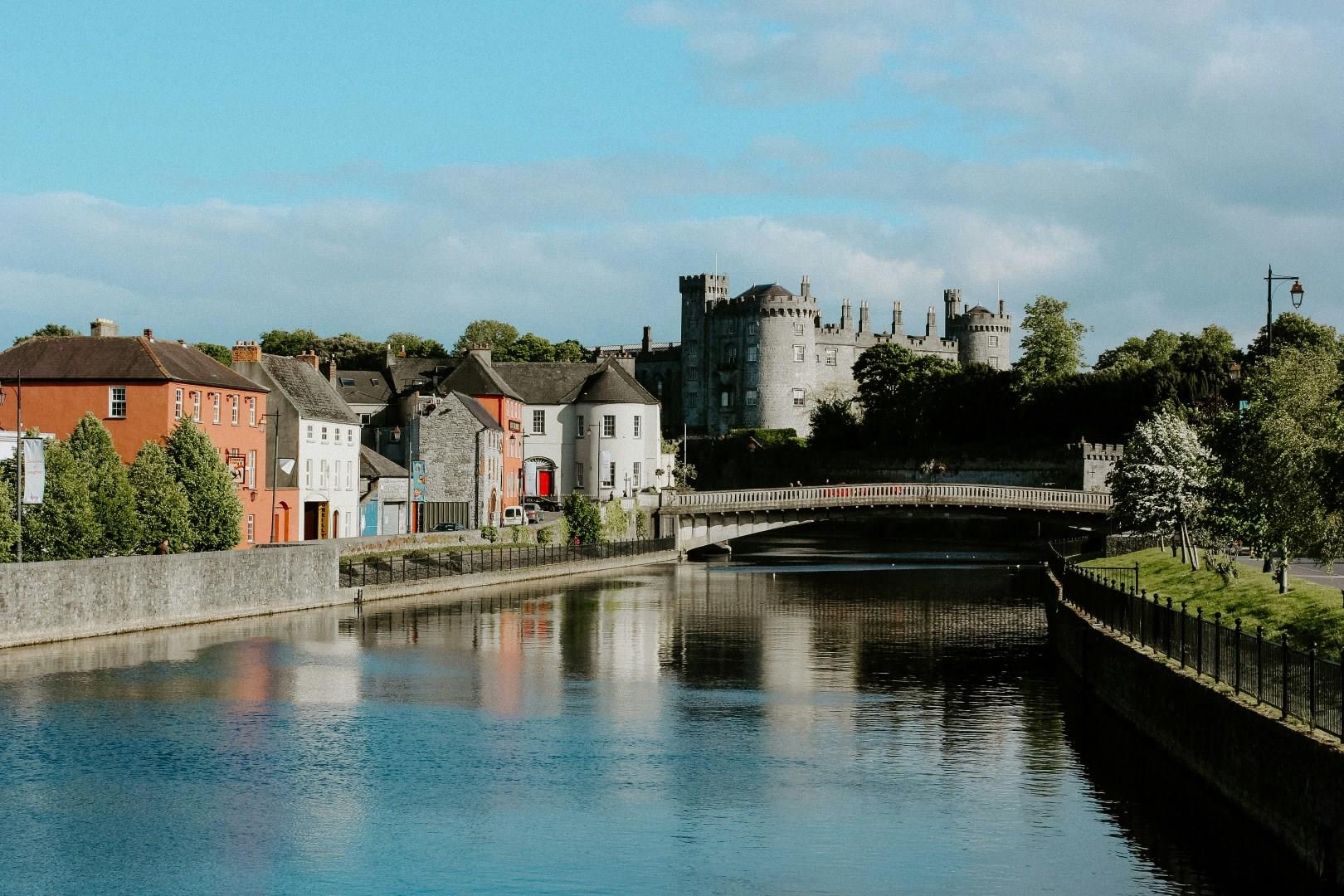
Kilkenny is a city where history sits beside everyday life, and stories from centuries past shape the streets visitors walk today. At its heart stands Kilkenny Castle, first built in the 12th century and home to the Butler family for more than 600 years. From here, the Medieval Mile creates a natural path through the city, linking key sites such as St. Canice’s Cathedral. Its round tower, one of the few in Ireland still open to climb, rewards visitors with wide views across the rooftops.