Kennebunkport
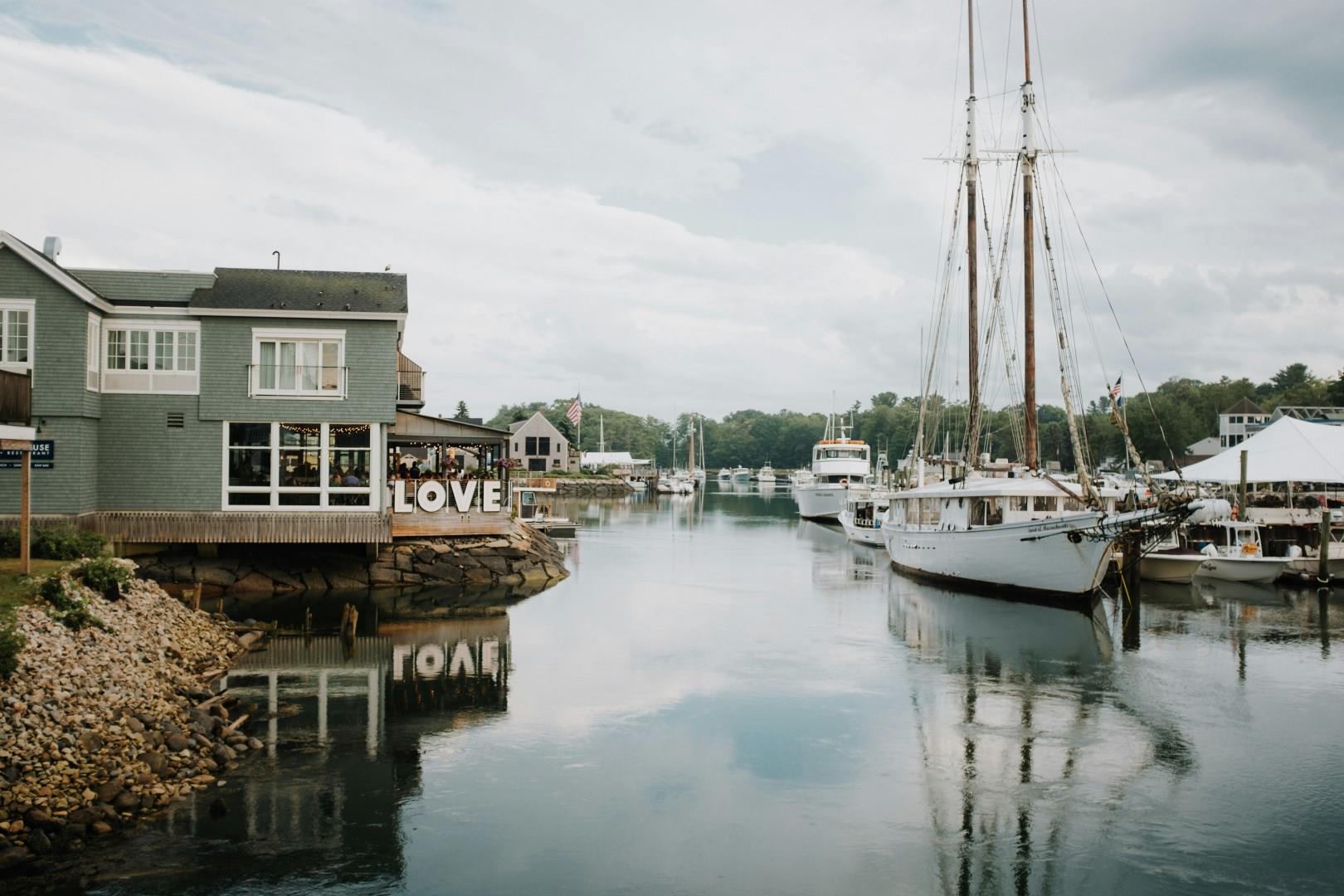
Kennebunkport is a small coastal town with a long maritime history and a character all its own. Originally settled in the 1600s, it grew as a shipbuilding center before becoming a quiet summer escape. Today, its working waterfront meets charming streets lined with boutiques, historic homes, and small galleries. Dock Square, the town’s walkable heart, is where visitors can browse local crafts, sample Maine-made ice cream, or pick up a hand-carved wooden buoy as a souvenir.
Mafia Island
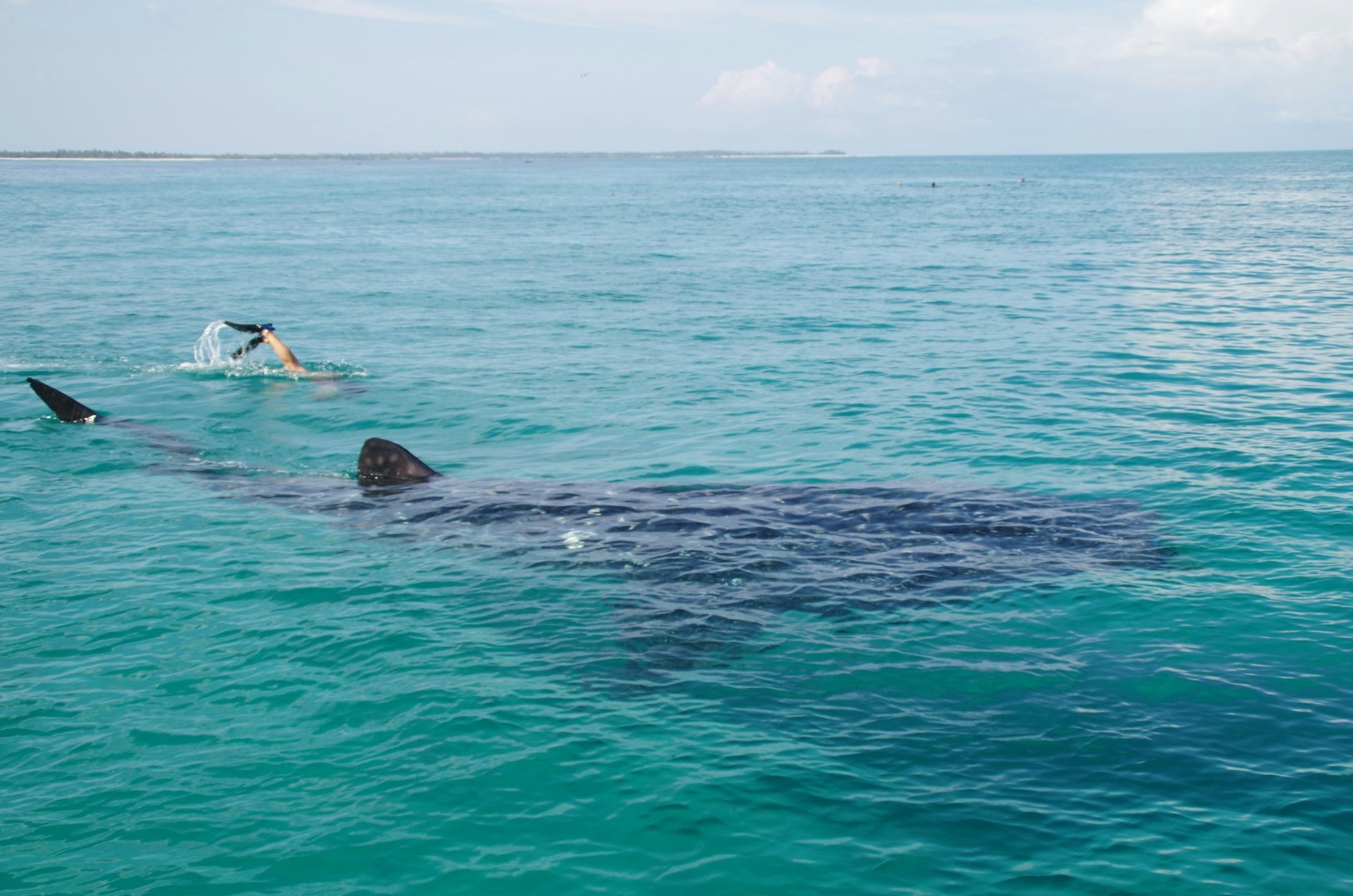
Mafia Island is a coastal island in Tanzania’s Pwani Region, lying in the Indian Ocean opposite the Rufiji River Delta. It forms part of the Mafia Archipelago, which includes smaller islands such as Chole, Juani, Jibondo, and Bwejuu. Kilindoni is the main town and port, while Utende provides access to Mafia Island Marine Park.

Spain
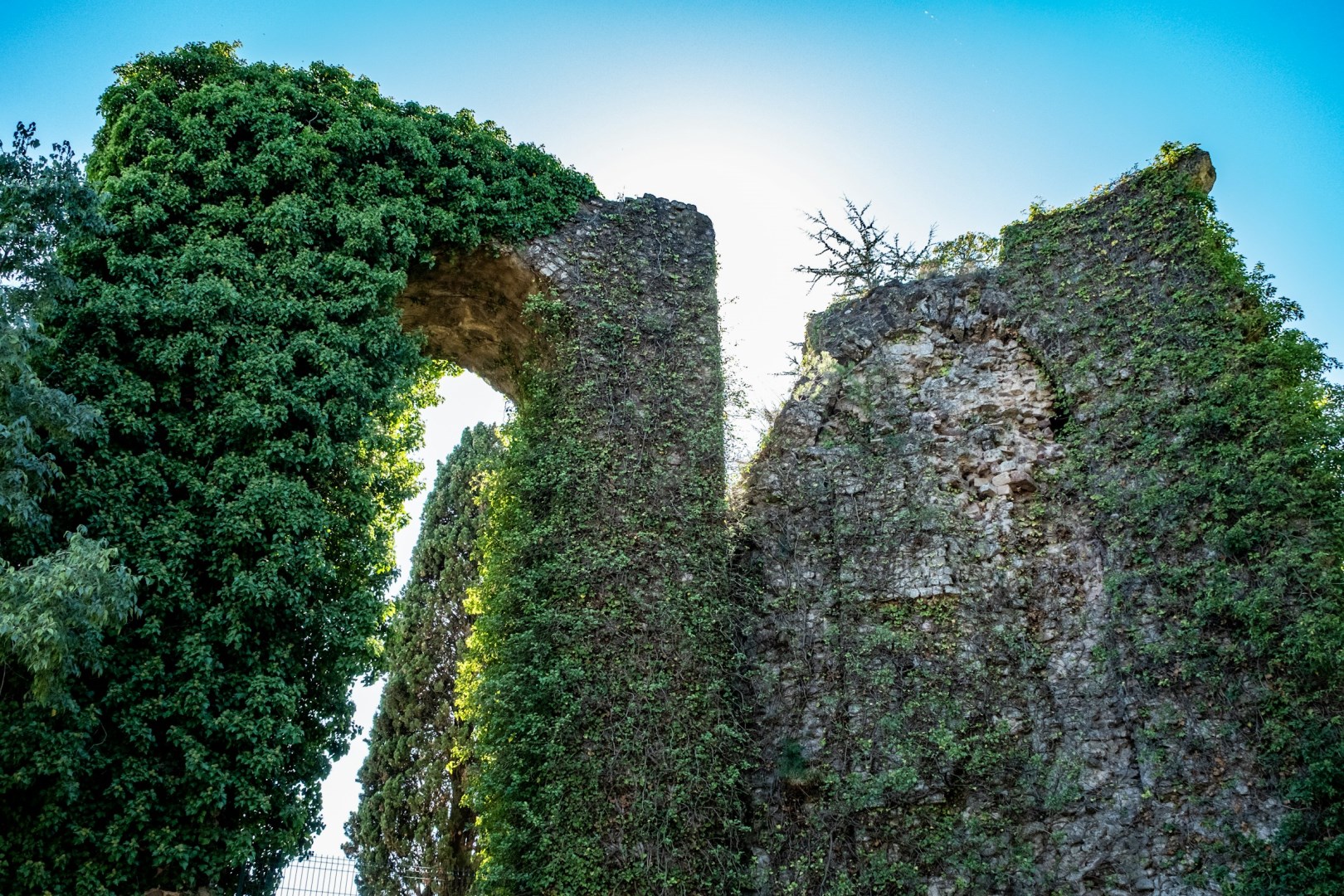
Spain offers a wide range of experiences shaped by centuries of layered history and regional diversity. From the Moorish palaces of Andalusia to the Roman aqueduct in Segovia and the Gaudí-designed landmarks of Barcelona, each city reflects a different chapter in Spain’s past. In Granada, the Alhambra still stands as a masterpiece of Islamic architecture, with detailed carvings, hidden courtyards, and panoramic views of the Sierra Nevada mountains.
Holy Island
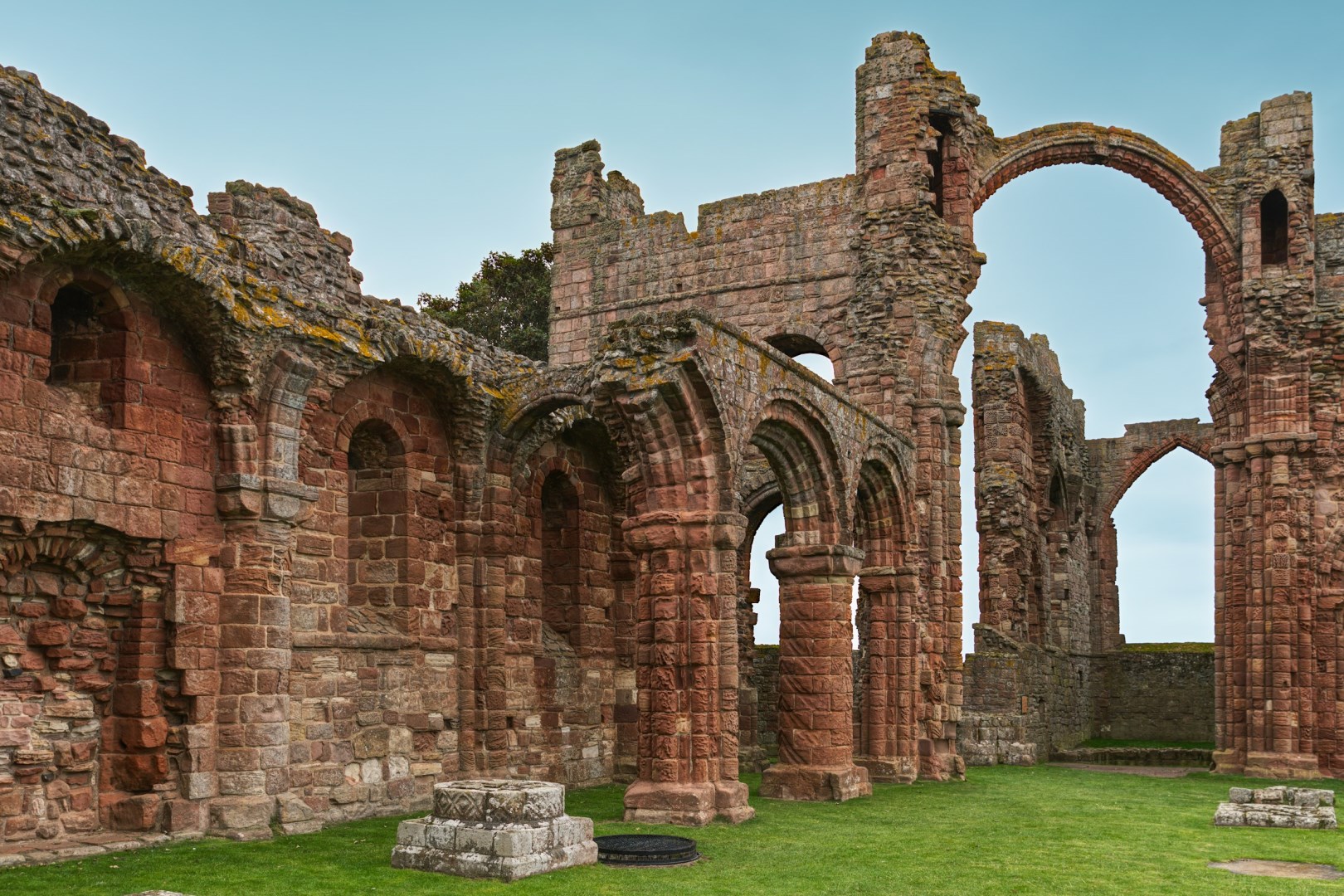
Holy Island, also known as Lindisfarne, is a tidal island off the Northumberland coast in northeast England. It is connected to the mainland by a causeway that is covered by the sea at high tide, making careful tide planning essential for access. The island’s compact village contains stone cottages, small shops, churches, and the remains of Lindisfarne Priory. Lindisfarne Castle stands on a rocky hill above the harbor, while beaches, dunes, salt marshes, and open shoreline surround the settlemen
Tjoritja / West MacDonnell National Park
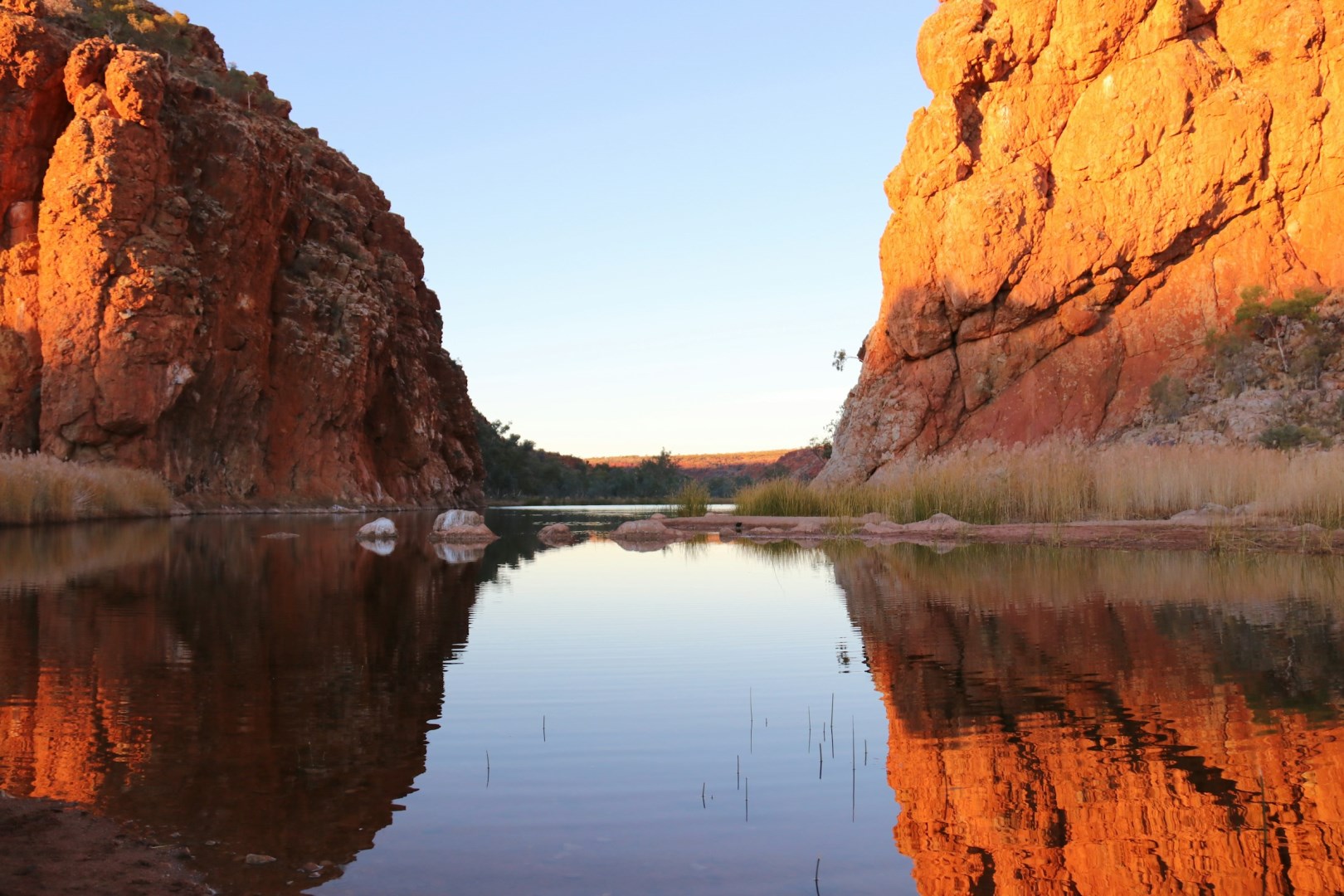
Tjoritja / West MacDonnell National Park lies west of Alice Springs in the Northern Territory, extending for about 161 kilometres along the rugged West MacDonnell Ranges. The park is known for red quartzite ridges, steep-sided gorges, dry riverbeds, and permanent waterholes that provide important refuges for plants and animals. Its landscapes are part of a much older geological setting shaped by erosion and changing climates.