
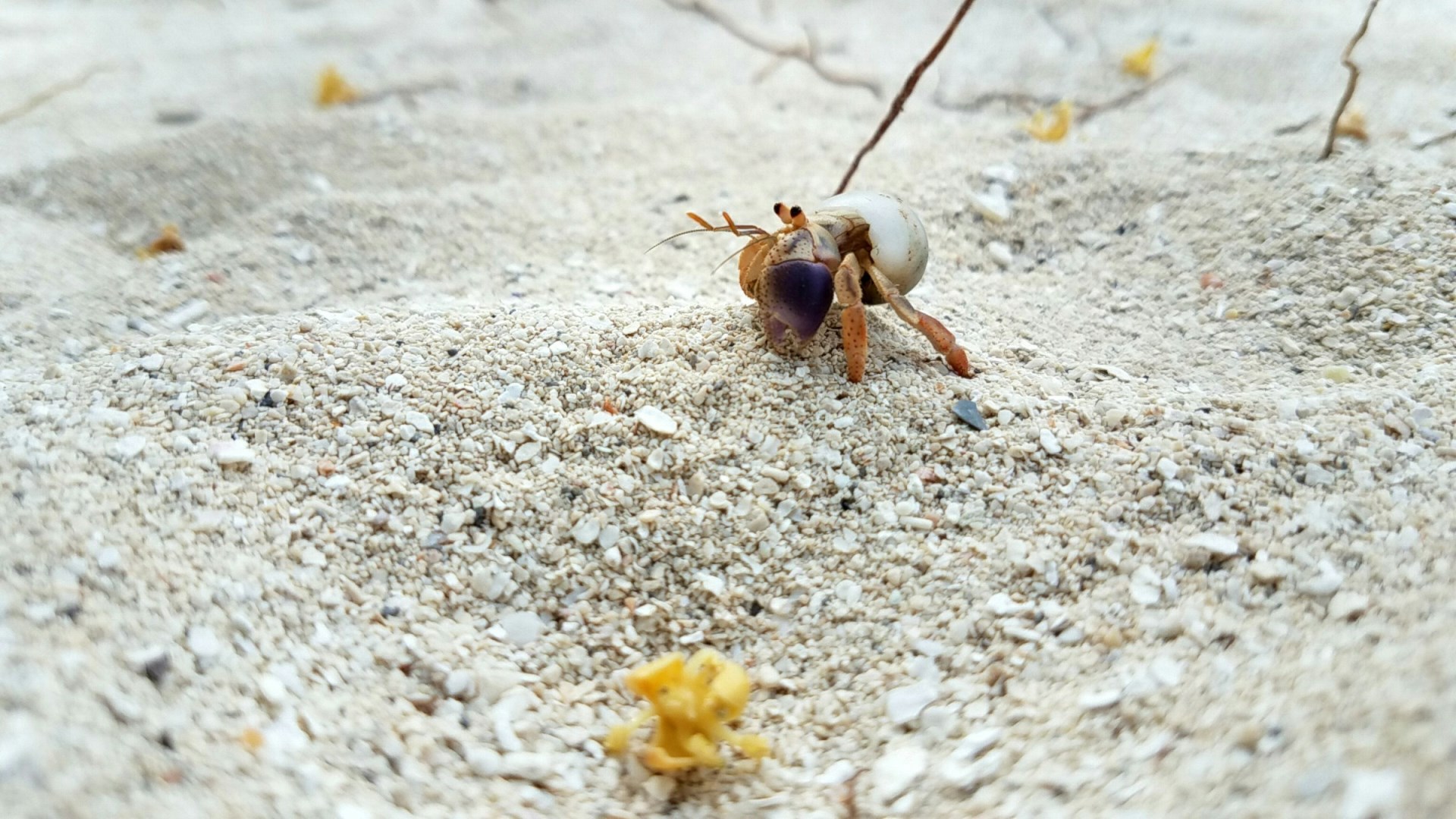
Lighthouse Reef
This natural reef and its uninhabited islands are home to one of the natural wonders of Belize, the Blue Hole. An underwater shaft that drops from a ten-foot-deep lagoon, it opens into a series of elaborate, stalactite-filled caverns. A true diver's paradise!

Great Barrier Reef
The Great Barrier Reef stretches along Australia’s northeast coast, forming the largest coral reef system on Earth and one of the planet’s most complex living ecosystems.
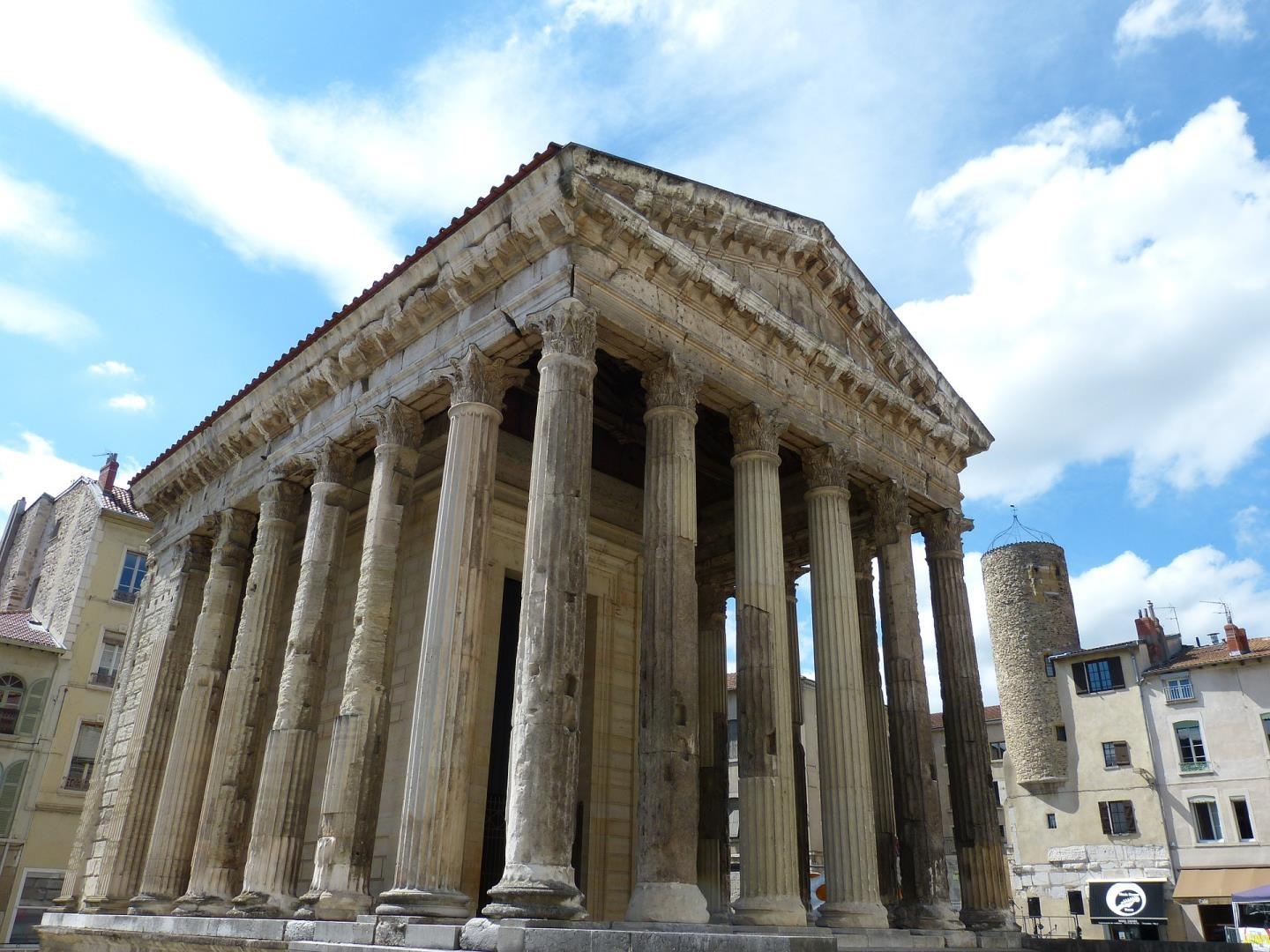
Vienne
Vienne, France sits along the wide bend of the Rhône River in southeastern France, where stone bridges, riverbanks, and steep hills shape the view from nearly every angle. The old town is filled with narrow streets that open suddenly into squares lined with cafés and small shops. One of the most striking sights is how Roman ruins appear in unexpected places, blending into daily life rather than standing apart as distant monuments.
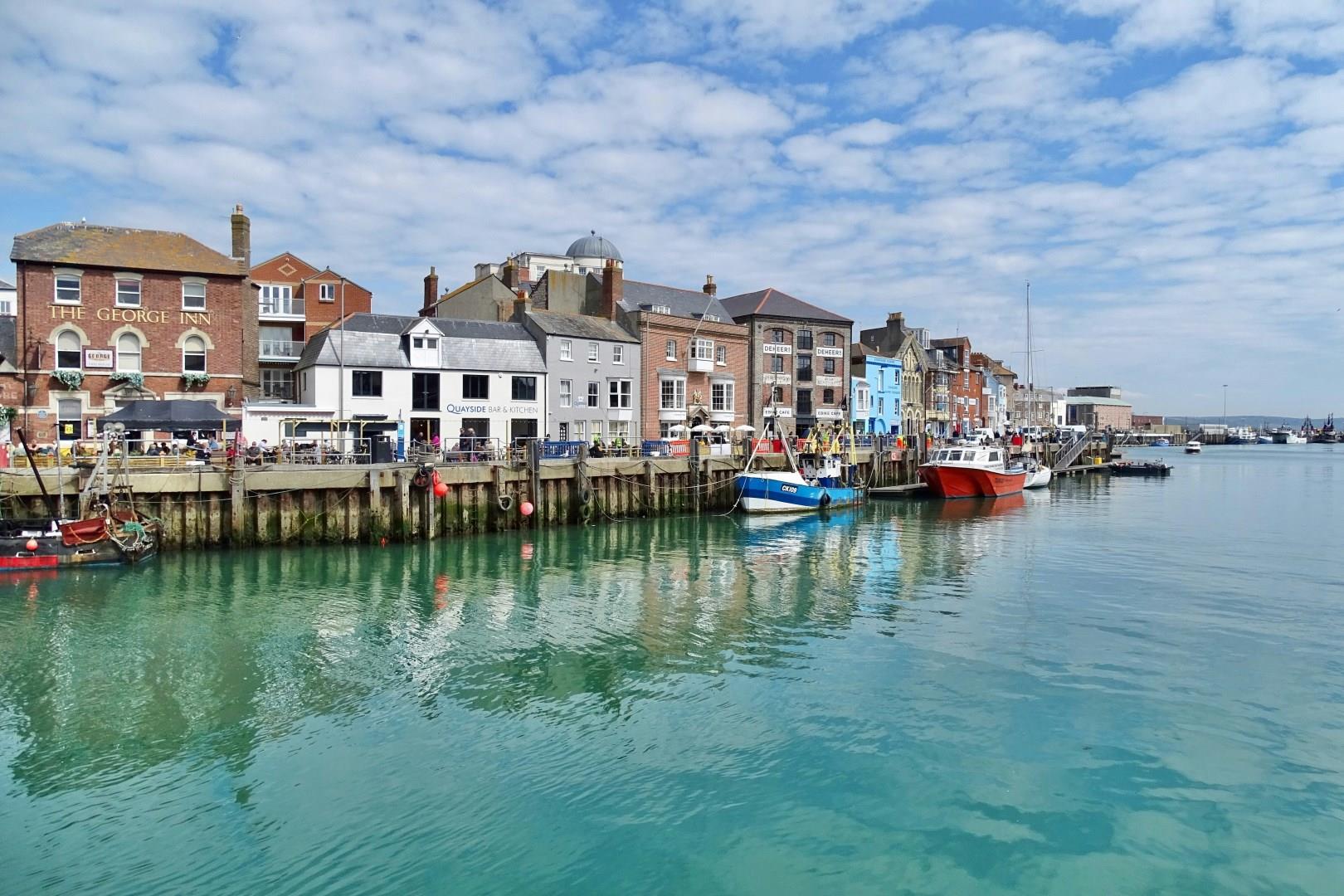
Weymouth
Weymouth is a seaside town on England’s Jurassic Coast, where a long tradition of maritime life meets a relaxed, lived-in shoreline. Its broad sandy beach curves gently around the bay, sheltered by the Isle of Portland, making it one of the south coast’s most approachable places for swimming and coastal walks.

Bornholm
Bornholm, a picturesque Danish island in the Baltic Sea, offers a unique blend of natural beauty and cultural charm. Renowned for its rugged coastline and charming villages, Bornholm is a haven for outdoor enthusiasts. The island's northern coast is particularly famous for its dramatic cliffs and clear waters, perfect for hiking and cycling.
