Tikal is one of the most extraordinary ancient cities in Guatemala, hidden deep in the Petén region’s tropical forests. Once called Yax Mutal by its Maya builders, these ruins reveal thousands of years of history in carved stone stelae and towering limestone structures, some of which rise more than 60 meters above the jungle floor. Today, visitors can walk among the Great Plaza and gaze up at the Temple of the Great Jaguar and the Temple of the Masks, reminders of the city’s long legacy.
A Caribbean island paradise, Cozumel lies a short distance from Mexico's Yucatán Peninsula. Visitors can enjoy a variety of activities, whether taking advantage of world-class snorkeling and scuba diving, swimming with dolphins, or lounging with a drink at one of the island's seaside resorts.
Maseru, the capital of Lesotho, sits along the banks of the Caledon River near the border with South Africa. As the political and economic center of the country, it offers a mix of modern amenities, government offices, and bustling markets.
Red Sea beaches, world-class snorkeling and spectacular desert environments are all reasons to visit the port city of Aqaba, Jordan. Take a quick walk from the city's lovely waterfront promenade and behold its Old Town, which features the 14th century Mamluk Fort and the Aqaba Archaeological Museum.
Santarém is a city in central Brazil, located where the Tapajós River meets the Amazon. Its position at this confluence has made it a hub of riverine trade and cultural exchange for centuries, blending Indigenous traditions with Portuguese colonial influence.
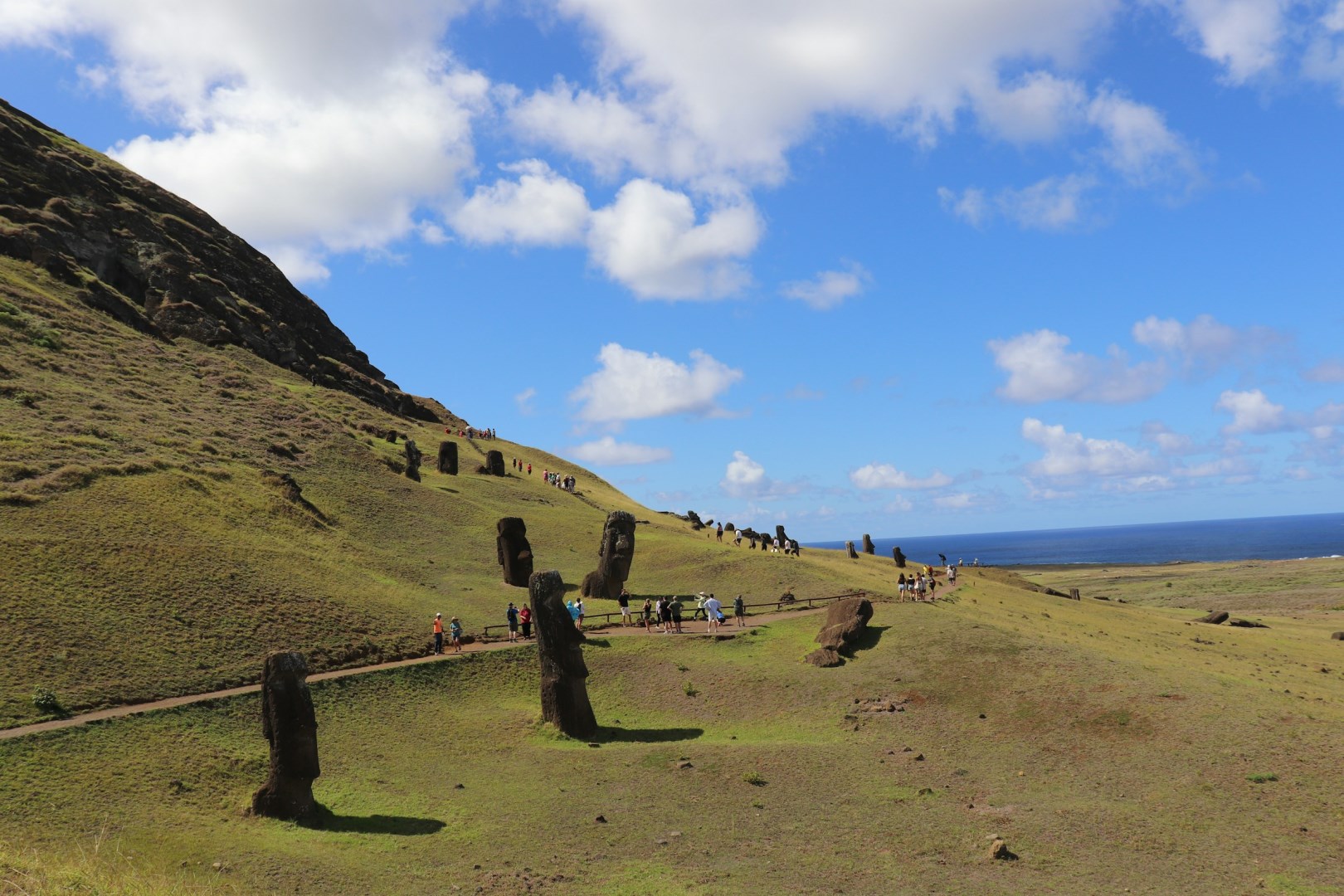
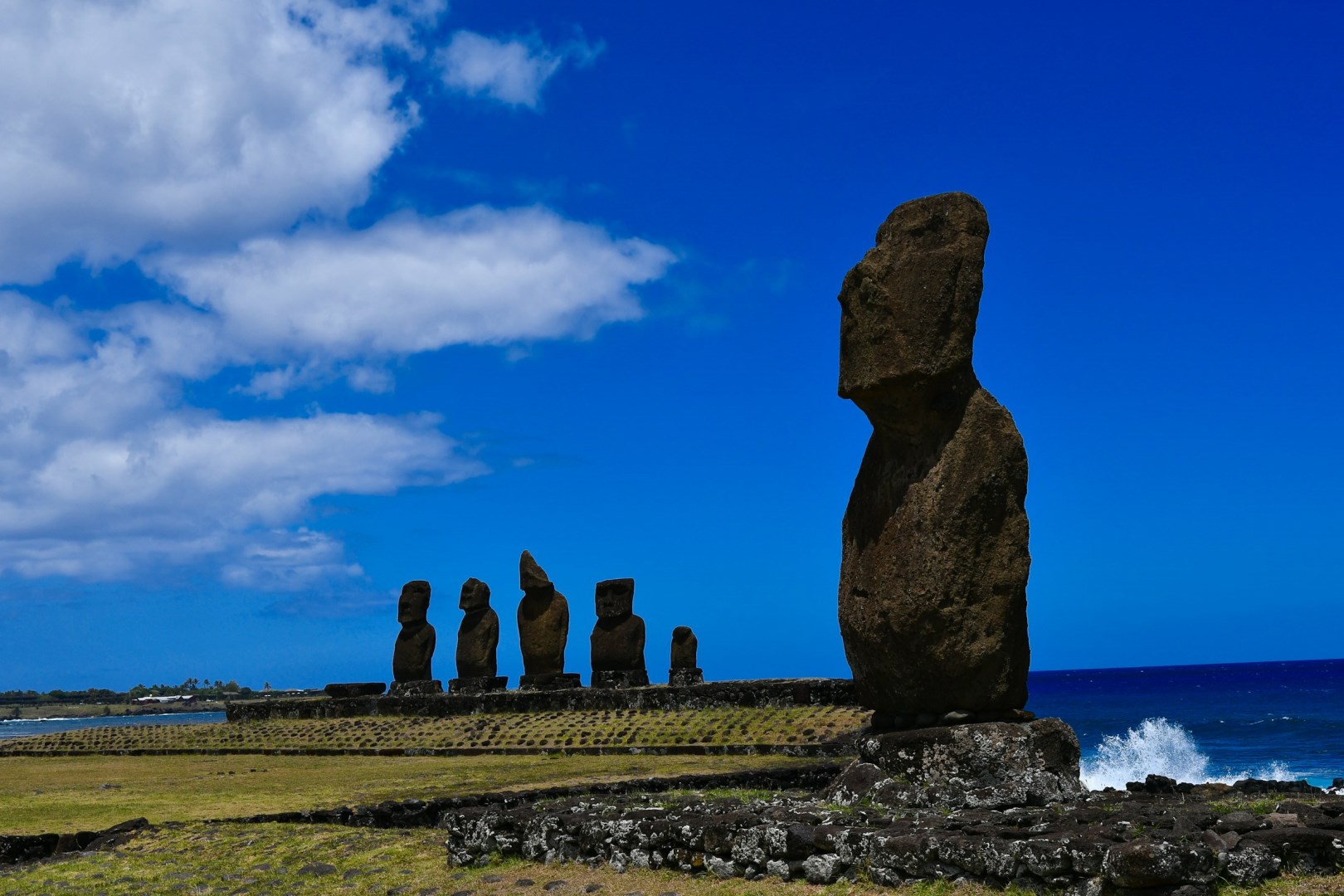
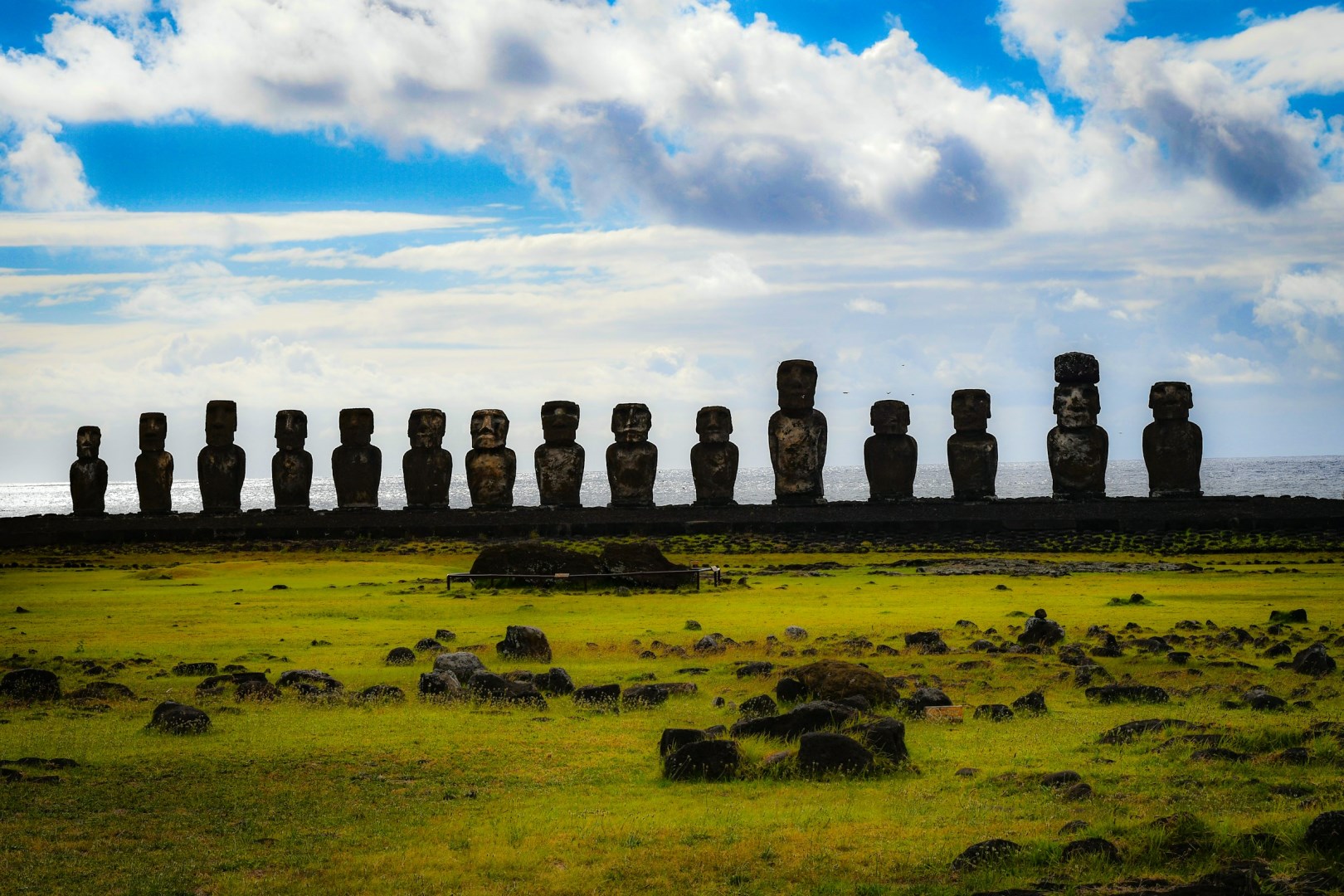
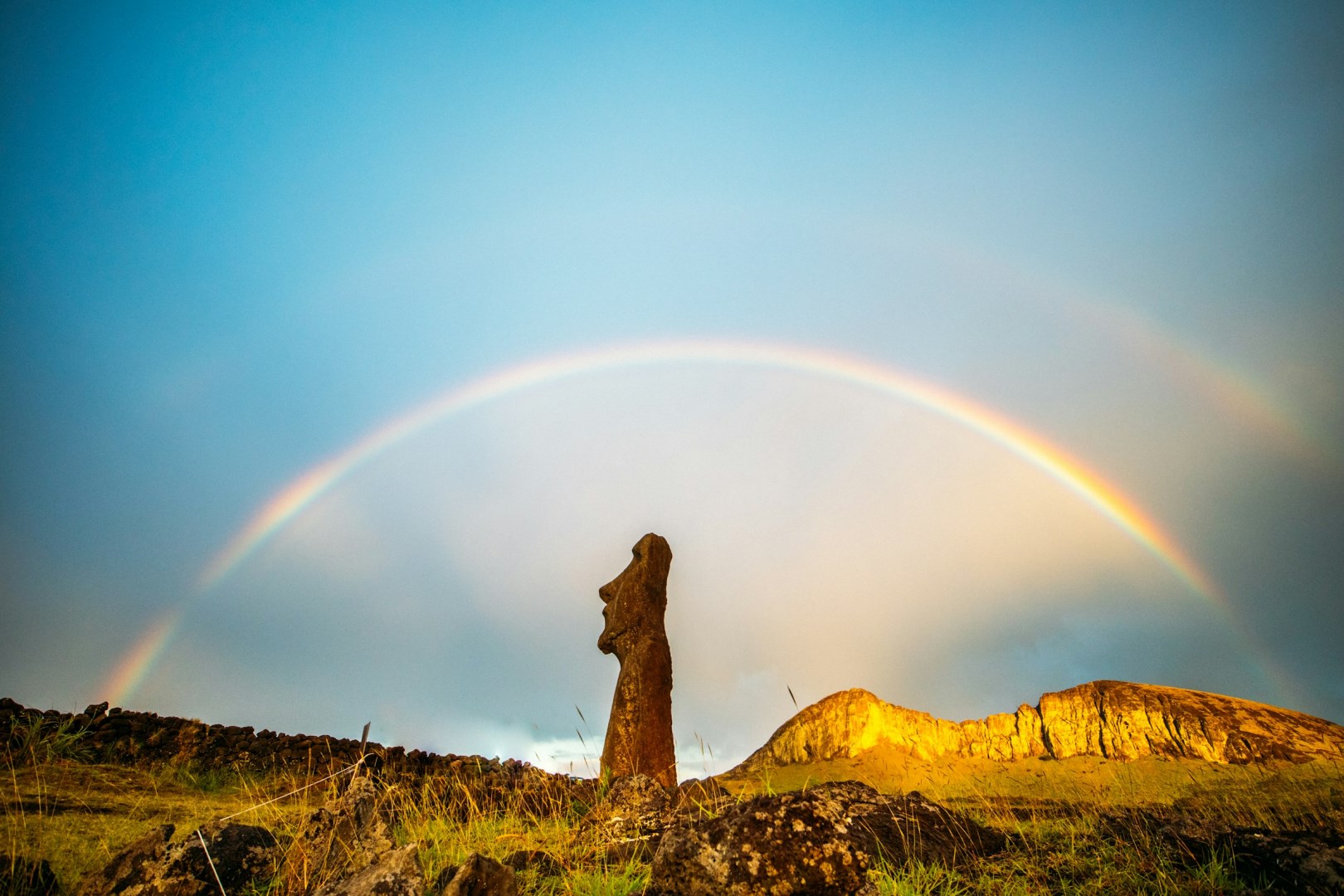
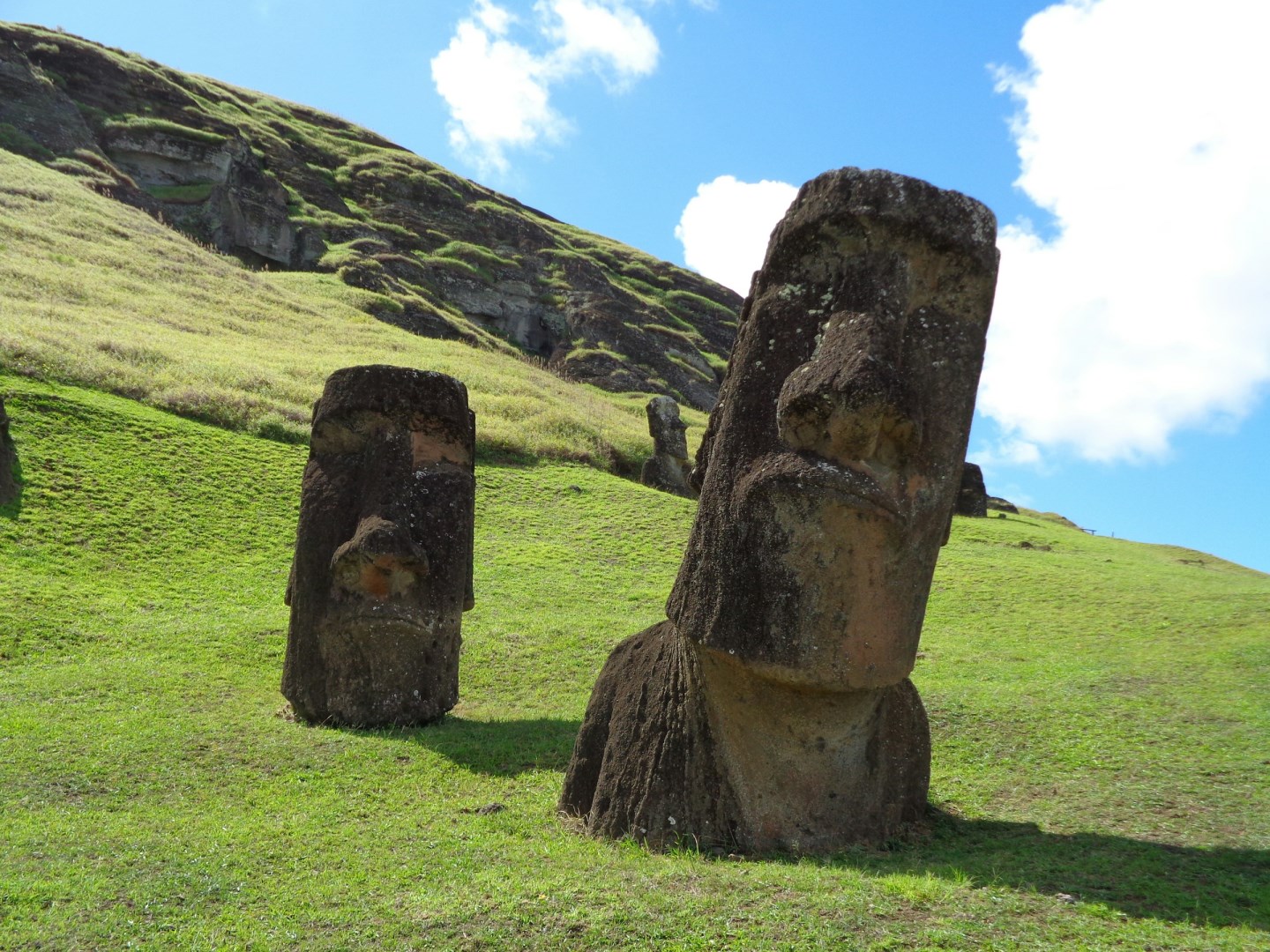
Easter Island, or Rapa Nui, is a remote gem in the southeastern Pacific Ocean that promises an extraordinary journey into the mysteries of Polynesian culture and history. Famous for its monumental stone statues known as moai, Easter Island captivates visitors with its enigmatic past. These colossal statues, crafted between 1400 and 1650 AD, are scattered across the island and are a testament to the islanders' sophisticated artistry and social organization. The moai can be explored at various archaeological sites, such as Rano Raraku, the quarry where these statues were carved, and Ahu Tongariki, which boasts the island’s largest moai platform with 15 statues.
The island’s rich cultural heritage is also on display at the Rapa Nui National Park, a UNESCO World Heritage Site that encompasses most of the island’s archaeological treasures. Visitors can delve into the island's history at the Museo Antropológico Sebastián Englert, which houses artifacts and exhibits on the island's unique Polynesian culture and the history of the moai statues. The island’s traditional dance and music performances offer an immersive experience into the local customs and traditions, with vibrant, rhythmic performances that bring the island’s cultural tapestry to life.
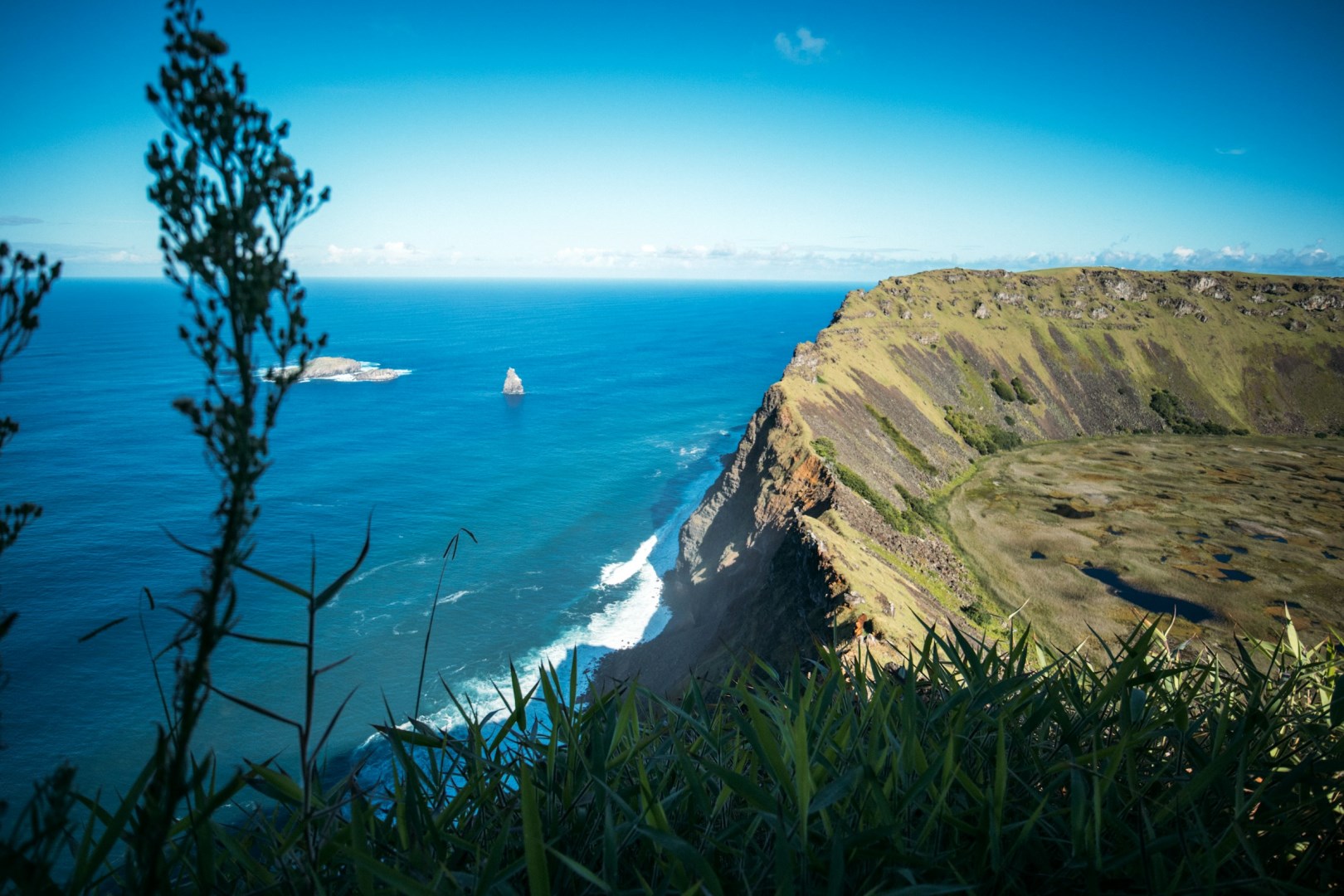
Natural beauty complements the historical allure of Easter Island. The island features stunning landscapes, including the volcanic craters of Rano Kau and the lush scenery of the island’s interior. The beaches of Anakena, with their white sand and turquoise waters, provide a perfect spot for relaxation and swimming. Hiking enthusiasts can enjoy trails leading to panoramic views from the island’s volcanic peaks or explore hidden caves and lava tubes.
Fun fact: Easter Island is one of the most remote inhabited islands in the world, situated over 2,000 miles (3,200 kilometers) from the nearest continental landmass, making it a true journey to the edge of the world.