Charlottesville
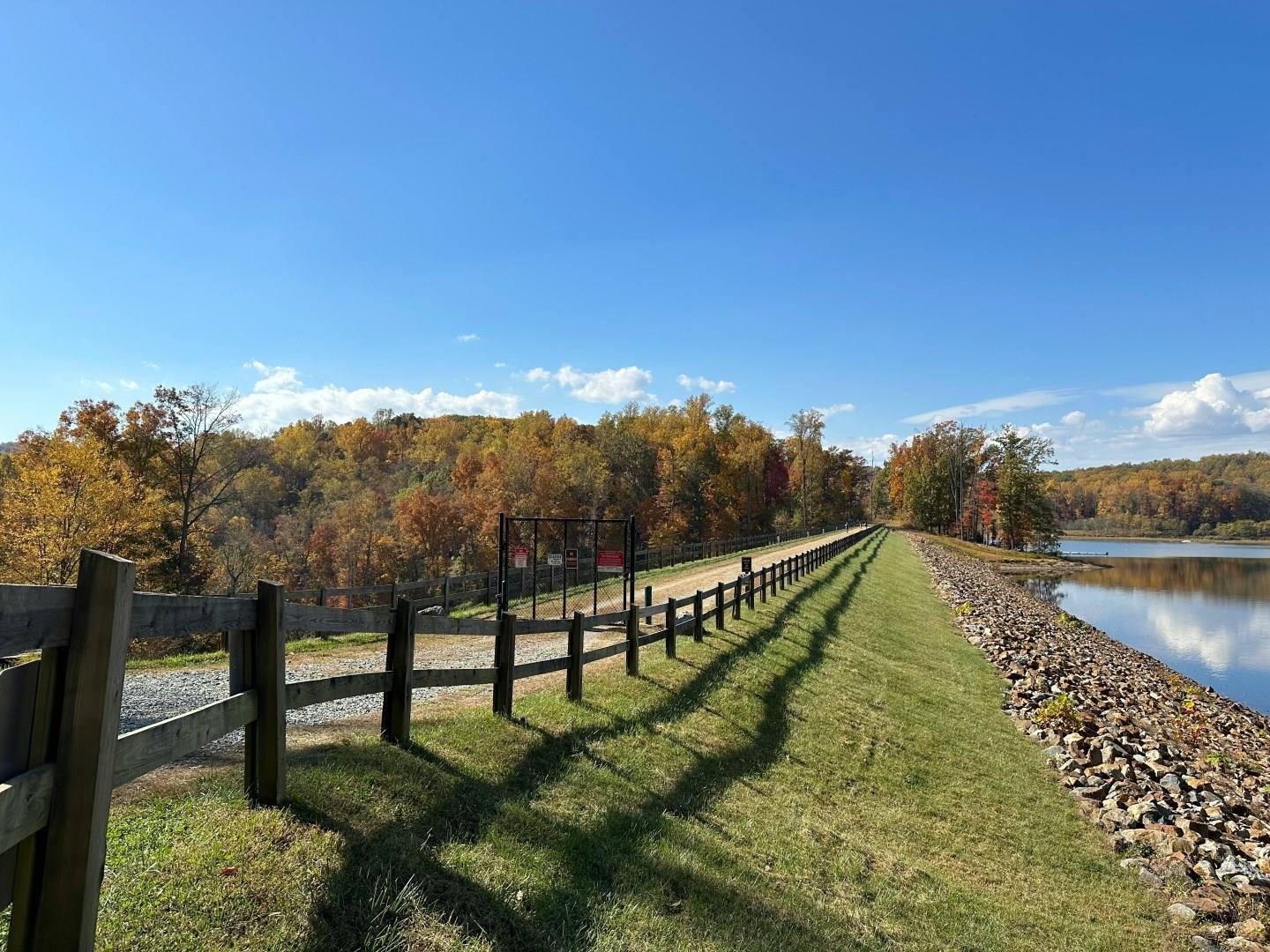
Charlottesville, Virginia is a small city with deep roots and a lively sense of place. It's home to the University of Virginia, founded by Thomas Jefferson in 1819 and now recognized as a UNESCO World Heritage Site alongside Jefferson’s Monticello estate. Both sites are working institutions where architecture, education, and ongoing dialogue shape how visitors experience the past.
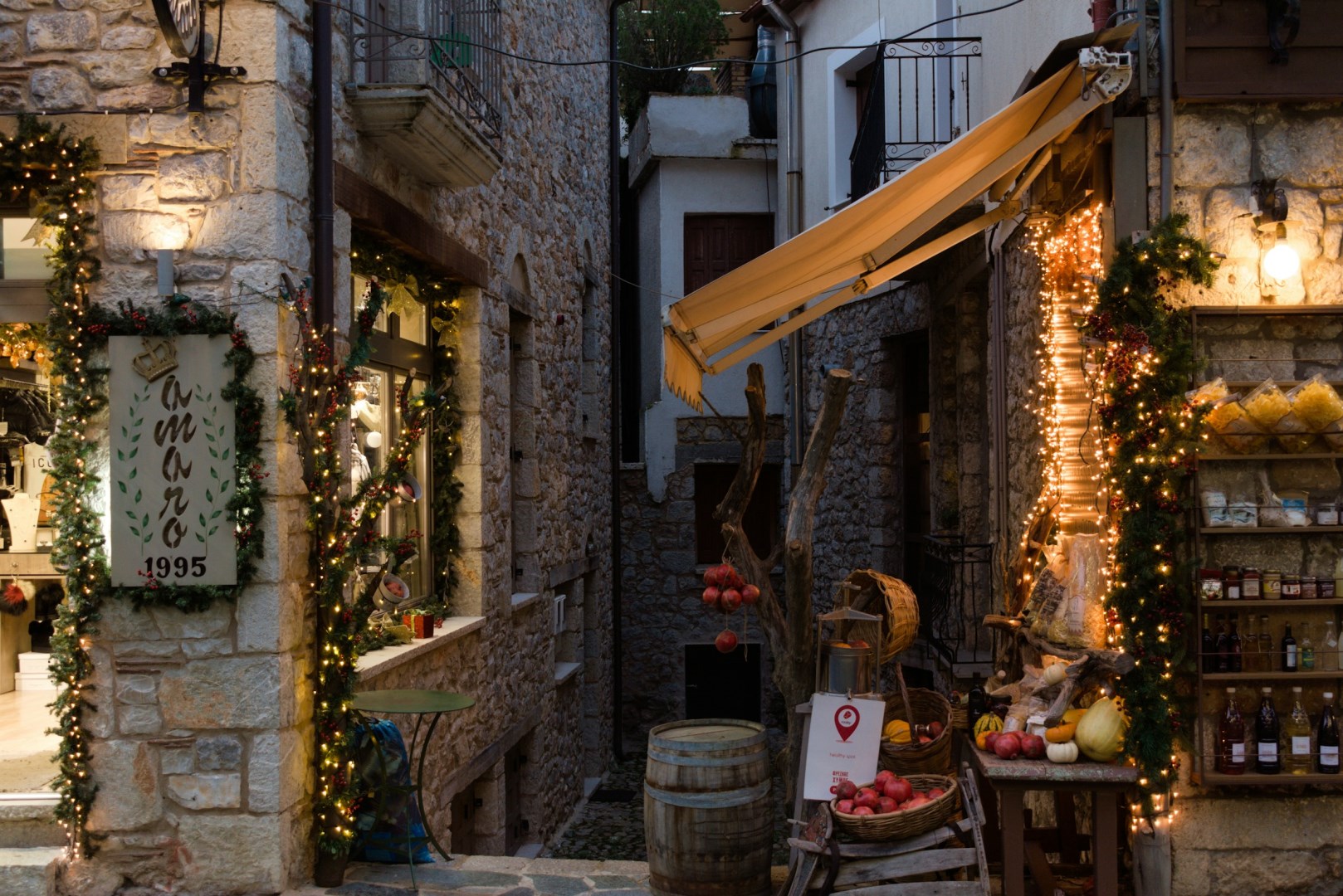
Arachova
Arachova is a mountain town on the southern slopes of Mount Parnassus in central Greece, known for its stone houses, narrow streets, and elevated position above the surrounding valleys. The town rises steeply along the mountainside, with traditional buildings, small squares, and stairways connecting different levels.
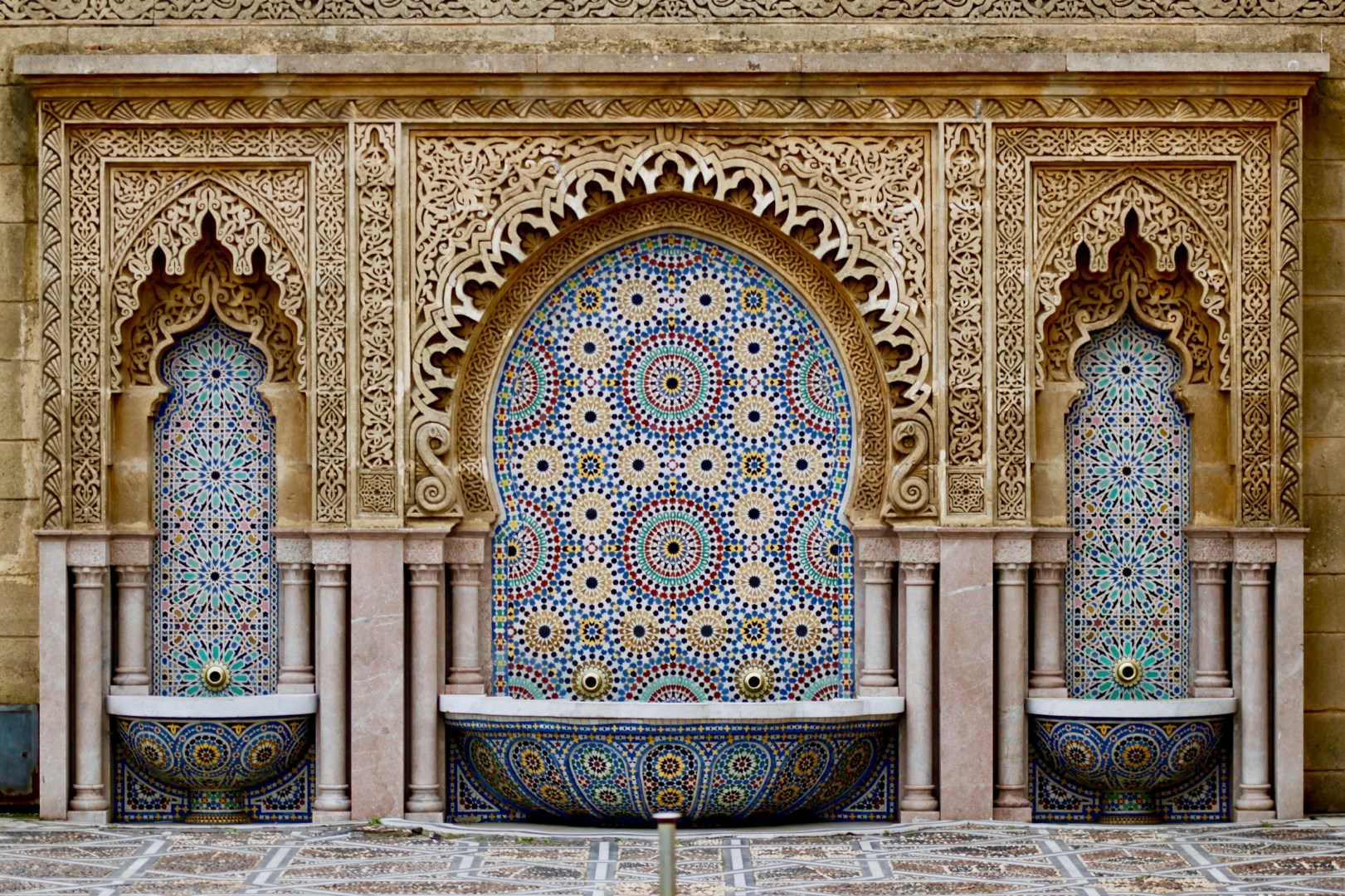
Rabat
Rabat, the capital of the kingdom of Morocco, is located on the edge of the Atlantic Ocean on the left bank of the Bou Regreg Estuary. A city of trees and flowers, Rabat combines peace, beauty and Serenity, and is steeped in history.
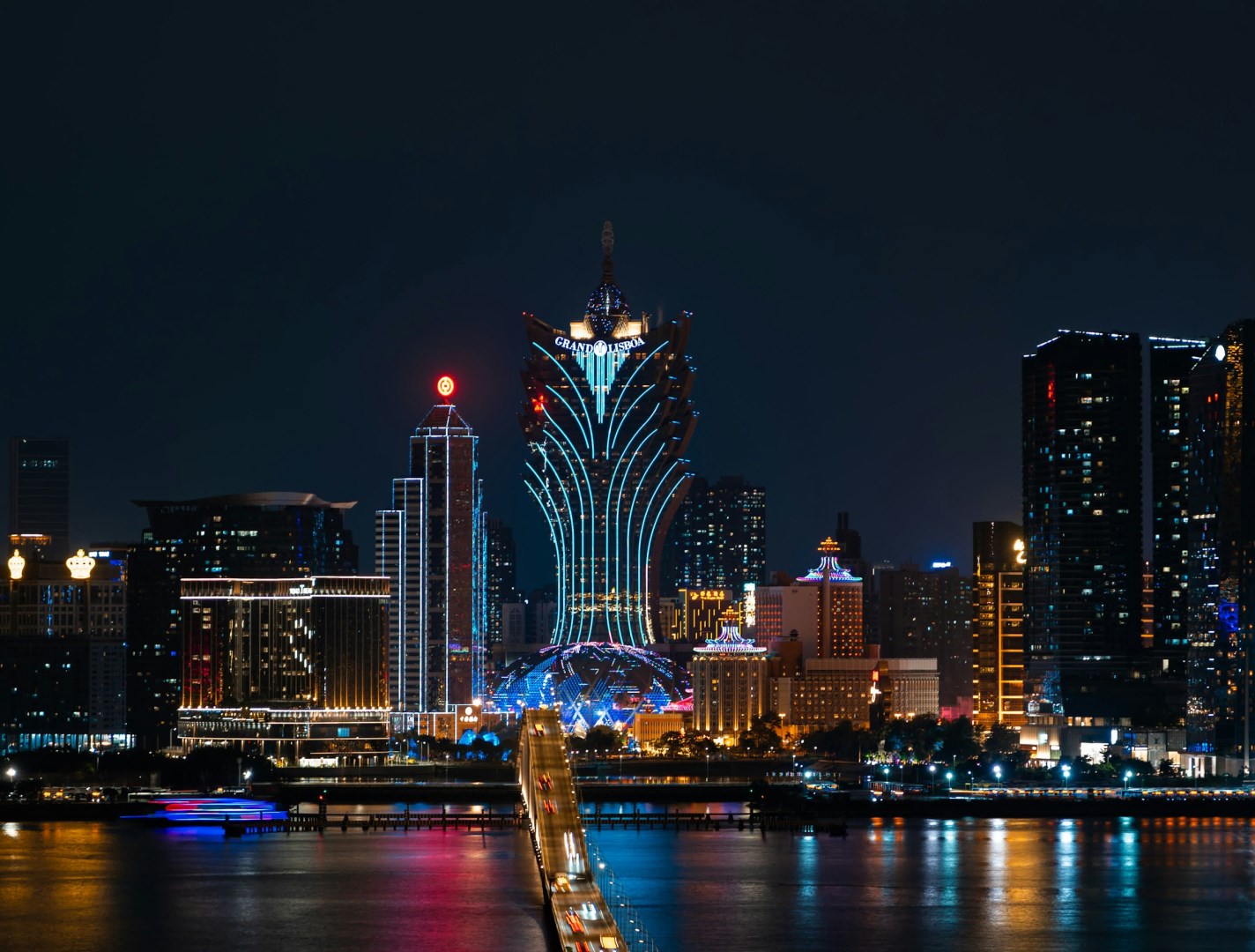
Macau
The city of Macau, located on the Pearl River Delta, is a destination where centuries of history meet modern vibrancy. Once a Portuguese colony, its streets still carry the marks of European influence: ornate churches, tiled plazas, and pastel façades sit alongside traditional Chinese temples and narrow alleyways filled with shops and markets.

Zululand
Zululand, located in South Africa's KwaZulu-Natal province, is a region steeped in history and natural beauty. Known as the heartland of the Zulu nation, Zululand offers visitors a chance to explore the rich cultural heritage of the Zulu people.