

Vik
Perched on the southern coast of Iceland, the quaint village of Vík í Mýrdal, or simply Vík, is a destination that defies expectations with its dramatic landscapes and unique charm. Known as Iceland’s southernmost village, Vík is famed for its striking black sand beach, Reynisfjara, consistently ranked among the most beautiful non-tropical beaches in the world.
Baffin Island
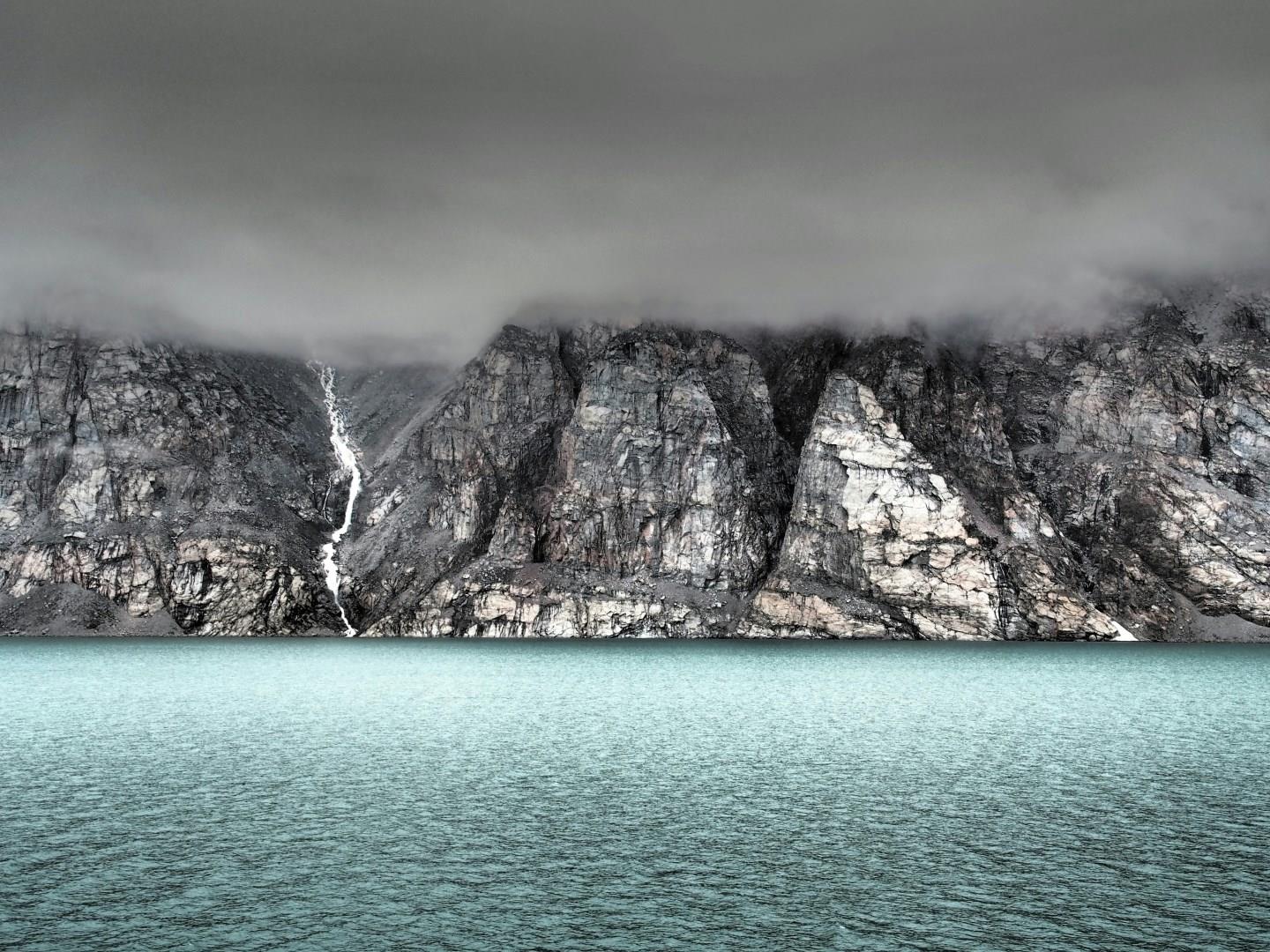
Baffin Island is Canada’s largest island and one of the Arctic’s most imposing landscapes, shaped by ice, migration, and long human presence. Inuit communities have lived here for thousands of years, developing deep connections to sea ice, wildlife, and seasonal movement.
Guadalajara
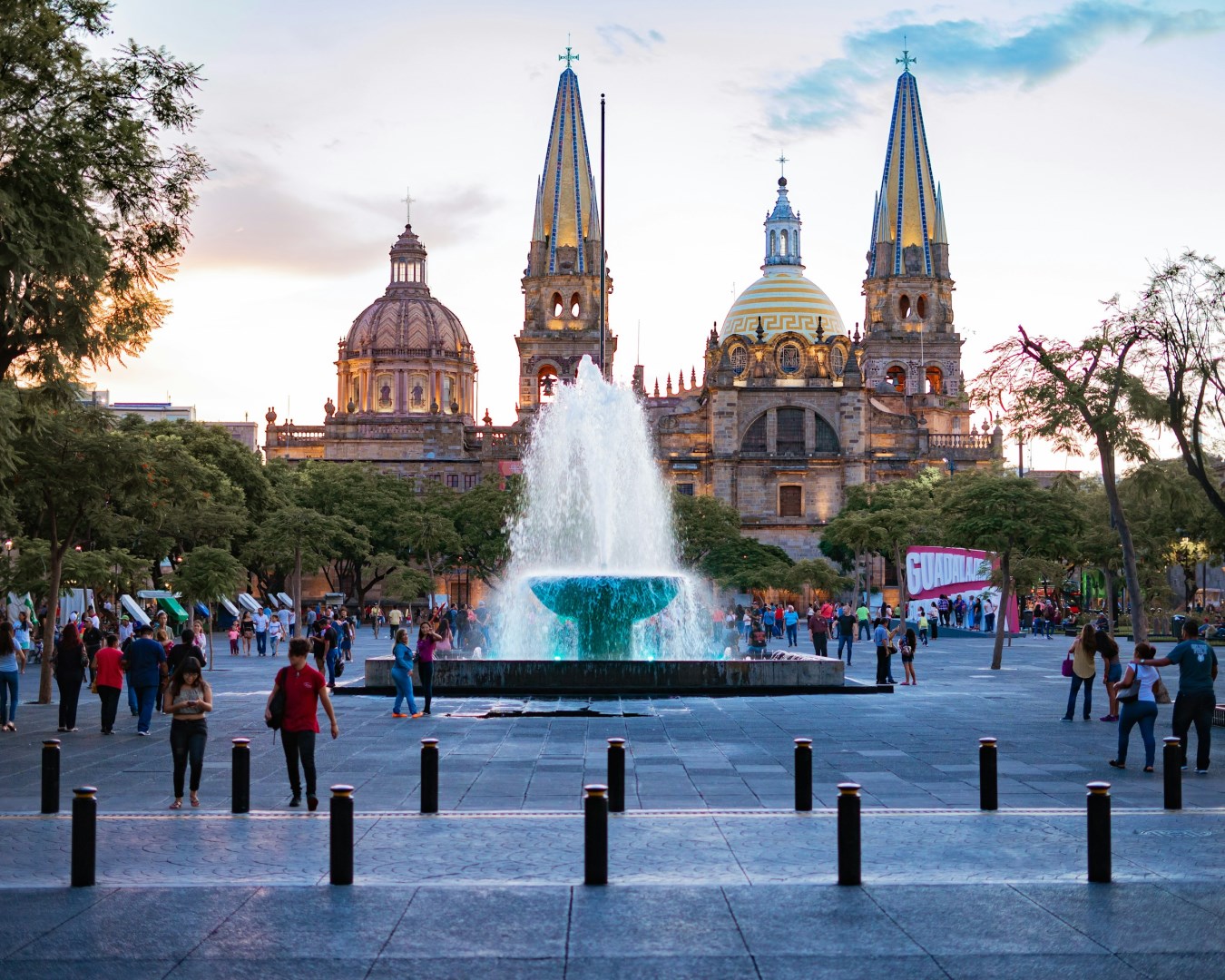
In the central highlands of Mexico lies a rich city, with a culture as colorful as its past. Guadalajara, Mexico's second largest city, may be best known for its tequila, mariachis and the hat dance, all part of its celebrations. The downtown area is dominated by a huge public square, the Plaza del la Liberacion. Guadalahara's most impressive historical sights are found along this square, as well as museums tracing Mexico's long history.

Kamloops
Kamloops, located in the interior of British Columbia, sits at the meeting point of the North and South Thompson Rivers. The name comes from the Secwépemc word “Tk’emlúps,” meaning "where the rivers meet," and the area has been a gathering place for Indigenous communities for thousands of years. Today, visitors can explore this rich cultural heritage at the Secwépemc Museum and Heritage Park, where trails lead through archaeological sites and reconstructed pit houses.
Girona
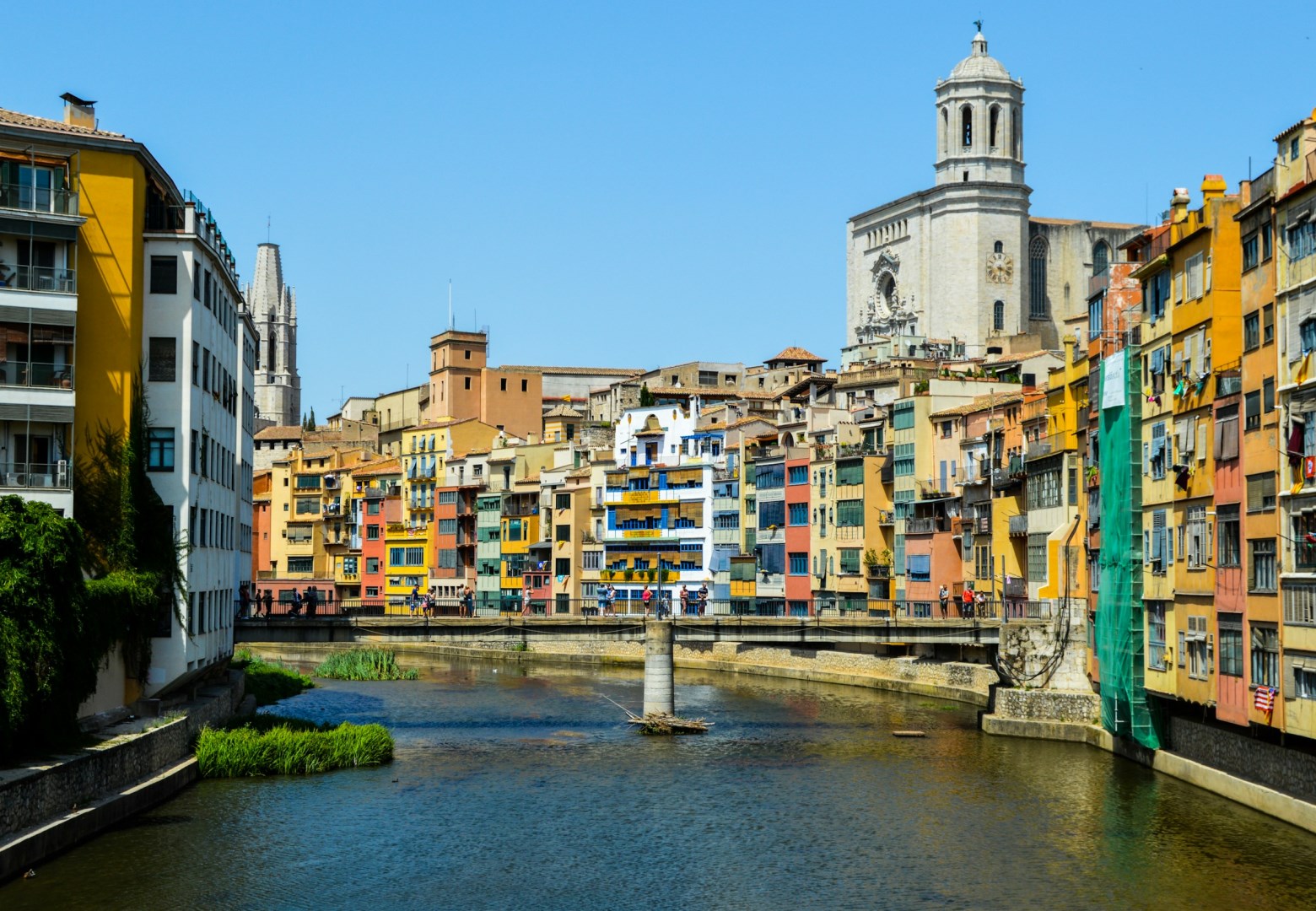
Town walls encapsulate this city, making for fantastic viewpoints all around. Visitors can also walk across the Pont de les Peixateries Velles bridge, designed by Gustave Eiffel. When leaving, it is a must to find El Cul de la Lleona, a lioness statue, and kiss her bottom. Tradition dictates that doing so will ensure a return trip in your future!


