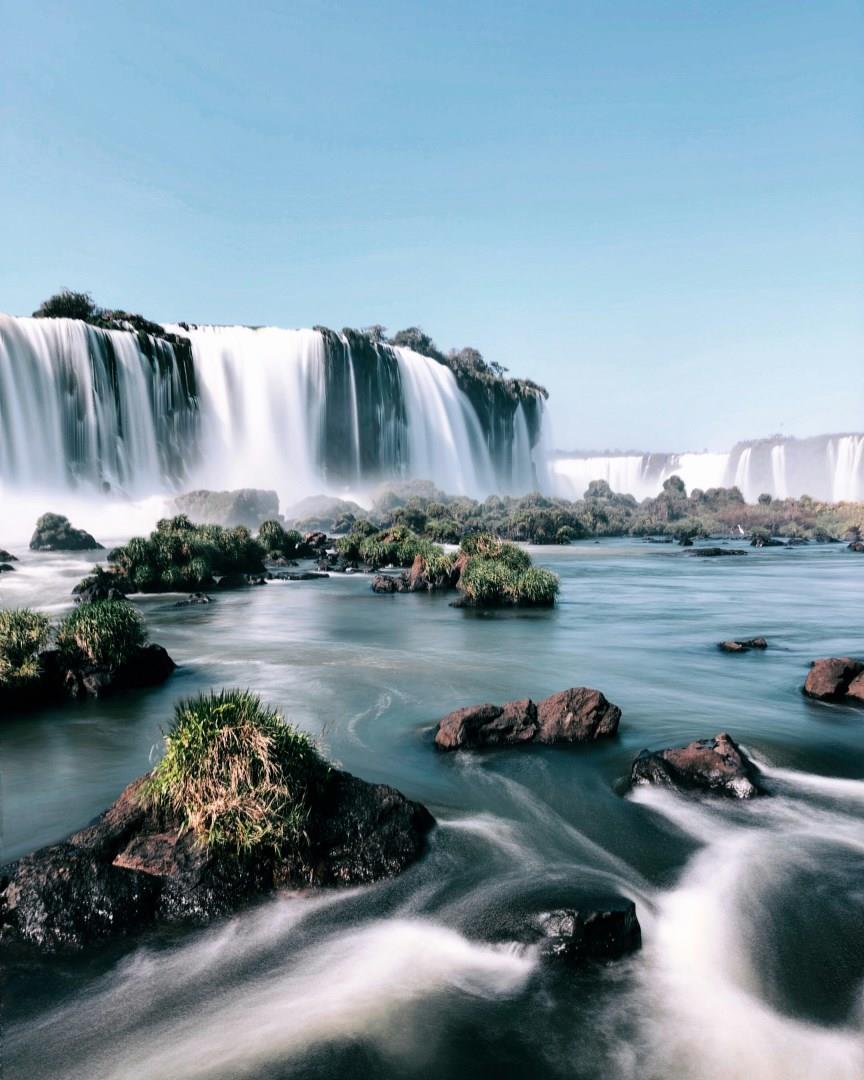
Foz do Iguaçu
Set at the meeting point of Brazil and Argentina, Foz do Iguaçu is defined by the sheer scale of the Iguaçu Falls. Nearly 275 individual waterfalls stretch across close to three kilometers, sending mist into the air and sound echoing through the surrounding forest. Visitors follow raised walkways that bring them face to face with this moving wall of water, culminating at the dramatic Devil’s Throat, a deep, curved drop where the river seems to vanish into the earth.

Iguazu
Situated in the Parque Nacional Iguazú near Puerto Iguazú, these spectacular falls lie just east of the confluence of the Iguazu and Paraná rivers. At least 5000 cubic m of water per second plunge the 70m into the abyss below.
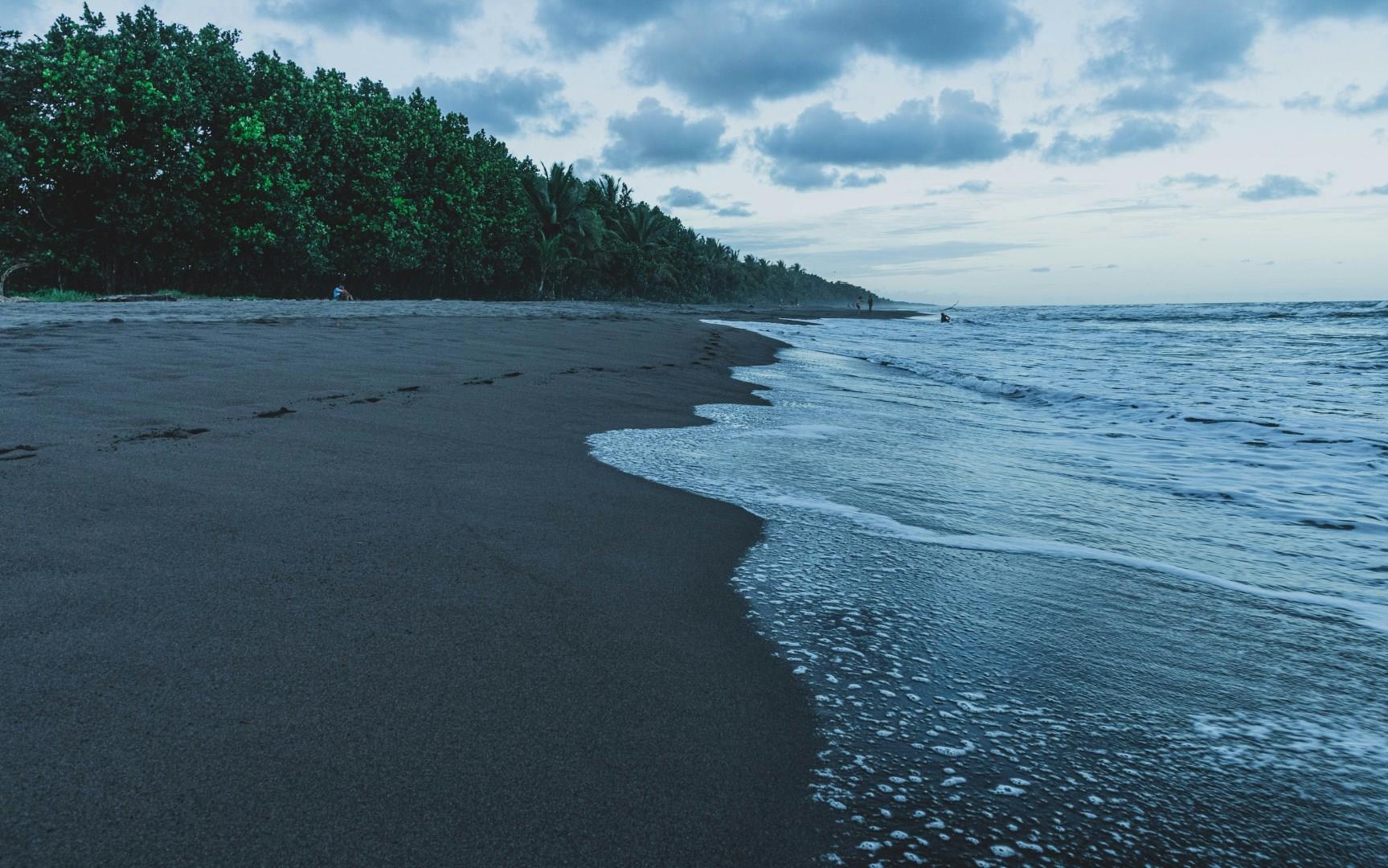
Tortuguero
Tortuguero, located on Costa Rica’s remote northern Caribbean coast, is a destination unlike any other in the country. Accessible only by boat or small aircraft, this coastal village sits between the Caribbean Sea and a network of freshwater canals. Its name, meaning "place of turtles," comes from the thousands of sea turtles that arrive annually to lay their eggs on its beaches, including green, leatherback, and hawksbill turtles.

Durango
Durango, Colorado offers a delightful blend of history, adventure, and natural beauty. Founded in 1880 as a railroad town, Durango's Historic Downtown reflects its rich past with well-preserved Victorian architecture and a lively atmosphere.

Dubrovnik
Dubrovnik, often hailed as the "Pearl of the Adriatic," is a city where history and stunning natural beauty converge. Enclosed within its ancient city walls, which are a UNESCO World Heritage Site, you’ll find a captivating blend of medieval architecture and vibrant culture. The city's Old Town is a maze of cobblestone streets, lined with baroque churches, Renaissance buildings, and charming squares.