Kaloum
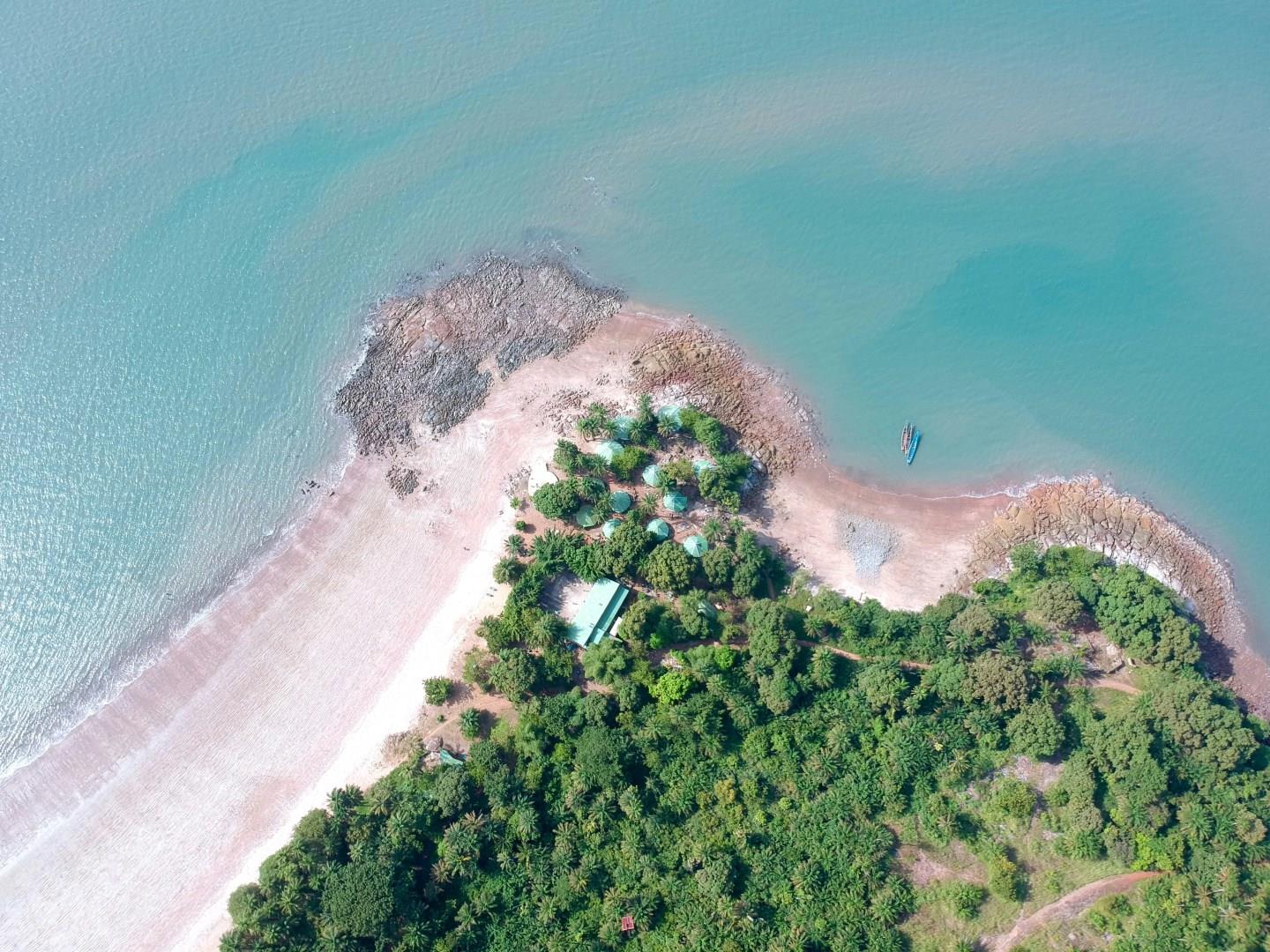
Kaloum, the bustling central district of Conakry, serves as the political, commercial, and cultural heart of Guinea’s capital.

Coromandel Peninsula
The Coromandel Peninsula on New Zealand’s North Island is a place where coastline and culture come alive in ways that stay with visitors long after they’ve left. Stretching for about 110 kilometers between the Hauraki Gulf and the Bay of Plenty, this region has deep roots that go back to the arrival of Māori long before Europeans stepped ashore.
Whangarei
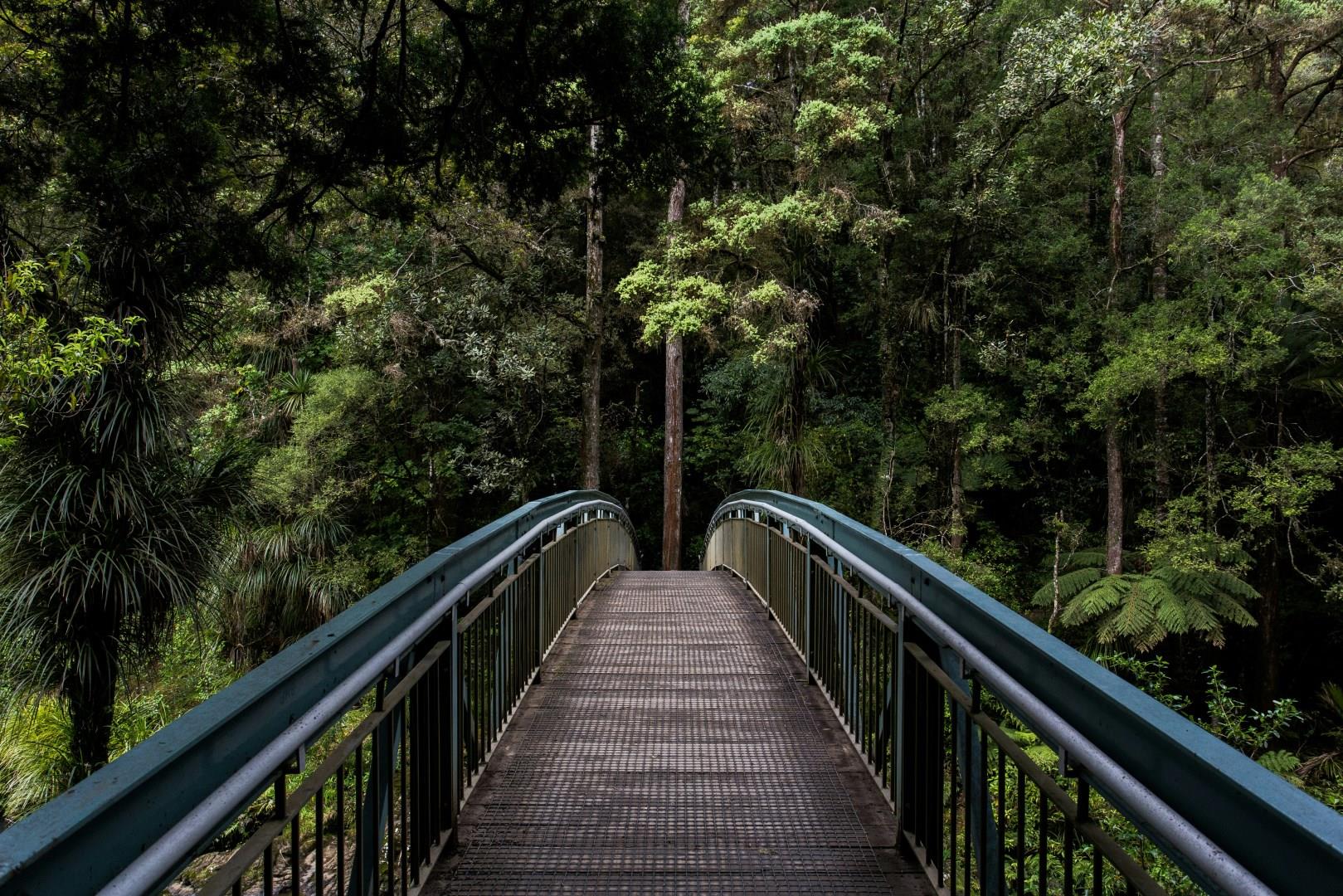
Whangarei sits at the head of a sheltered harbour in Northland, shaped by Māori settlement and later maritime trade.

New York
New York is more than a state, it’s a collection of vivid contrasts where small-town traditions meet global icons. Beyond the skyscrapers of Manhattan, visitors discover everything from glacier-carved lakes in the Finger Lakes region to quiet mountain villages in the Adirondacks. In upstate towns like Saratoga Springs and Hudson, restored main streets are lined with galleries, cafés, and antique shops, offering a slower pace steeped in local pride.
Xiamen
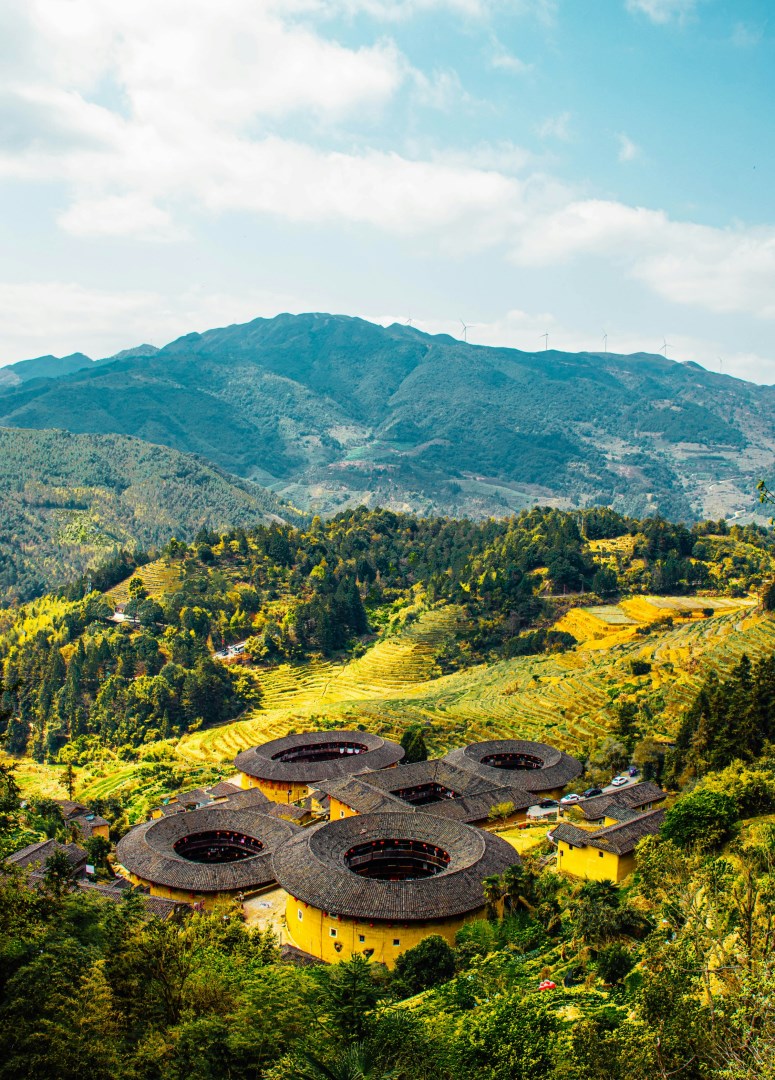
The next boom city in China. It's already been pegged. Xiamen, China, is the closest point on the mainland to Taiwan, and there is a great deal of investment flowing into the city. You'll enjoy the city mainly for its colonial mansions, twisting streets, turn-of-the-century Latin quarters, and balmy breezes sweeping across its palm-fringed beaches.